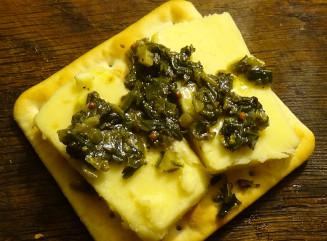
One of the great delights of autumn is getting out and foraging sweet chestnuts. Its great fun and easy to lose yourself for hours hunting them down.
This article shows you how to identify, where to forage and what to do with your harvest. Before then, don’t forget to browse through all the other pages such as the guide to harvesting medicinal and edible wild plants. Of absolute importance, before you get your wellies on, is to brush up on the poisonous plants of Britain.
Sweet chestnuts are a really versatile and nutritious food. People in Europe have been collecting these spiky green parcels for thousands of years. When you know what’s in them, it’s easy to see why!
Aside from food, we have been using sweet chestnut wood for all sorts of building applications for milennia. To get the best wood, coppicing is employed to promote the growth of numerous stems. Carpenters and joiners like the wood for its grain and colour
Sweet chestnut wood makes good building wood. By coppicing the tree you force it to produce many hopefully, straight stems
You can find both old and new sweet chestnut coppicing in various areas of Britain.
For as long as I can remember, sweet chestnuts have been a staple of autumn and winter evenings on our high streets. Fire-heated braziers start appearing from around the time of samhain/halloween in many major cities.
Whether this continues to be the case during the ongoing Covid-19 pandemic, we will have to wait and see. If the first six months of Lockdown and continuing restrictions on our freedoms is anything to go by, more people are set to go foraging sweet chestnuts in 2020.
Anyway, buying them can only ever offer a fraction of the pleasure that you get from foraging them for yourself. Foraging sweet chestnuts is a tremendously fun family day out.
It gets quite exciting, to scrape back the carpet of fallen leaves and open shells found under larger trees. And all the while, full concentration is needed, as well as a lot of looking around in expectancy, or hope.
Checking on the forest floor underneath sweet chestnut leaves should bring rewards
If you have found the right tree, then soon enough the shiny dark brown fruits start to reveal themselves. It’s not long before your peripheral vision starts to register them, and then its really game on!
Sweet chestnut yields can be heavy in a good year, enabling you to find lots of them in a small patch of the ground directly under the tree. So foraging sweet chestnuts can be a fun and rewarding family day out.
What’s in a name?
The generic name Castanea, has interesting origins. This is the old Latin word for the tree. Our common name Chestnut, comes from an older English name ‘Chasten nut’, believed to be derived from the old French word ‘chastain’ (the new French word is chataigne).
From a quick search online, it appears this French word is derived from the old Latin name Castanea. This in turn seems to stem from the Greek word ‘Kastanon’.
The species name sativa, is a common plant species name as any gardener will know, and simply means cultivated.
The Spanish wooden percussion instrument – castanets, are typically made from this plant where it grows.
How to identify Sweet Chestnuts
Sweet chestnut cuts a distinctive figure in many parklands. It can grow up to 35 metres. These trees are known for their broad crown, a sometimes massive trunk girth, and their longevity.
Bark
As the sweet chestnut grows its bark develops narrow fissures.
Tree barks can be tricky to positively identify a plant with because they change over time. You really need to get to know the plant over time as it ages.
Sweet chestnut bark has narrow fissured grey-brown bark occasionally reveals blueish-green colours. I would guess this comes from its stores of copper, given that the nuts have relatively high concentrations of this metal, weight for weight.
The blue colour in the bark of sweet chestnut could be due to copper. Significant concentrations of the metal are found the nuts
Sweet chestnut trees can sometimes exhibit spiralling bark patterns
A variable habit you may come across is the plant producing a distinctive spiralling bark pattern.
Not all sweet chestnut trees you find will do this. Maybe its an adaptive response to allow ittocatch the most available light?
Later in old age, the plant can produce beautifully gnarled burrs into eye-catching shapes, sometimes even faces! In the extensive, council-owned parkland of Ashton Court, Bristol, I stumbled across a lovely old spcecimen.
On older sweet chestnut trees, crazy gnarly burrs can develop.
If you visit her, you should be lucky enough to take home a great haul.
Leaves and buds
Its glossy green leaves will reach 20 -30 cm long, with margins that are reportedly unique when comparing it with any other member of the widely found British flora.
Sweet chestnut leaves showing their distinctive leaf edges. The teeth are topped by small spines.The leaves are simple, oblong-lanceolate, and are alternate on the stem, with relatively short petioles. The newer stems are ridged, usually a red-brown colour, and often heavily speckled with its array of lenticels.The alternate buds finish with a terminal bud close to a side bud. This tree is one of the very last species to flower and set fruit, as well as being one of the last fruits to fall.
Flowers
Its long spikes of male catkin type flowers will appear late in the spring, typically around the 3rd week of June.
Sweet chestnut with its old flowers and new fruits in Ashton Court, BristolSmaller female flowers can be found nearby found towards the base of the spikes. For a good few weeks in early summer you can spot the swelling spiky shells together with the skeleton male flower stalks.
Habitats to go foraging sweet chestnuts
Sweet chestnut is found in the vast majority of the UK. As this distribution map shows, it is absent only in parts of central Wales, northern England and about half of Scotland.
The plant is widely planted, and ever since the Romans brought it over, has been naturalised in many of our woodlands.
So far I have found the larger more productive specimens will mostly be found in parklands and estate gardens.
The plant has been written about as an ‘honorary native’, due to the ease in which the plant seeds and grows here in the UK.
The nuts are the new joy of October for me, just when any seasonal adjustment disorder may begin to kick in.
During the last few years, I have travelled quite a bit around Britain, but in 2017 have I found a massive haul in Devon, which I’m hoping is replicated this year. Fingers crossed!
Harvesting sweet chestnuts
When it comes to harvest time, I have read some authors saying that September is the start of the season. I disagree and reckon there is really no point in foraging sweet chestnuts earlier than October.
The spiny cases should start falling after the autumn equinox, When ripe, they split open to reveal the shiny brown nuts
This is because any that have fallen will have no real flavour when green and unripe. If it was hazel trees and hazelnuts, then I would go a little earlier than prime-time, in order to rescue some of the harvest from the robbing rodents!
You can begin looking for the ripe chestnuts in early October following a period of windy weather, when numerous green spiny shells will be easily found under and around the base of the tree.
However, many of these may also contain nuts that haven’t yet quite ripened, and naturally require a period of a few more days in their shells to finish off their brown colouring.
Handily, the green nut shells begin to brown and split of their own accord when the fruits are pretty much ready for picking.
When foraging sweet chestnuts, you find them more easily on the floor although they will persist on the tree. If you want the nuts out of the bigger specimens, you will need to employ a stick, as always done with conkers.
Old sweet chestnut trees can grow for hundreds of years, like this specimen
Handling the spiny shells and freeing the prize can be a difficult business. You will likely need gloves, especially with the older fruits. A strong heal on sturdy boots greatly helps in breaking the freshly felled cases open.
Inside the cases, the nuts from the true wild species will be present in twos or threes, whereas nuts gleaned from the cultivar known as ‘marron’, will be on their own and substantially larger than the wild ones.
Traditional and contemporary uses of Sweet chestnuts
In the kitchen, sweet chestnut is a superb and versatile ingredient. It is one of the few nuts that contain little fat; instead, they have a surprisingly large amount of water. This means they are not suitable for processing into oil, but they do produce a great flour.
If you have a sweet tooth you will love the Turkish recipe for ‘Karyoka’, a gorgeous, almost fondant like chocolate covered sweet.
I made these Turkish chocolate sweets called ‘Karyoka’ by blending boiled, mashed and sweetened sweet chestnuts, then dipping in melted chocolate and sprinkled with pistachhio nuts
It is made by boiling the nuts for 10 mins or so, and mashing them once de-shelled, before making and adding enough sugar syrup to turn the mashed sugary chestnut mixture into a reasonably thick, dough-like consistency.
Then, after wetting your hands with water, take a spoonful of the creamy coloured mixture, and roll into a small ball in your hands, no bigger than a golf ball.
Melt some high coco chocolate in a bain marie or such like, and using a spoon or fork, dip the chestnut ball into the chocolate. I find that doing it twice ensures total coverage. place carefully onto tin foil to cool.
Rapidly follow this by sprinkling pre-chopped pistachio nutsonto the still melted chocolate. Put the tray into the fridge for a couple of hours. Oh my days they are good!
Sweet chestnuts are a great source of nutrients. They provide useful amounts of B Vitamins, and Vitamin C, unsaturated fats and dietary fibre, as well as copper, potassium, manganese, and selenium.
As a starchy food, I’ve seen them written about many times as comparable to tubers like sweet potato, yam and such like.
I can only imagine how important sweet chestnuts were to the survival of early humans in the mountainous areas of the Mediterranean Sea, and what was once called Asia minor.
I don’t think it would be too dramatic to argue that without this plant, humans would have struggled to the point of it being impossible to sustain themselves.
You can use chestnuts for a few delightful seasonal treats, including chestnut purée, chestnut paté; turning it into flour for pastries and cakes, making chestnut stuffing,
On a visit to Devon recently, I was inspired by a friend into researching and experimenting with chestnuts more. And so followed a great tasting wild mushroom and sweet chestnut paté.
This was only surpassed by our next effort, a sweet chestnut and port pate. Oh my days! Its so fantastic. Some how with the right amount of port, shallots, garlic and seasoning, it takes on lots of the flavours as well as the textures of a liver pate.
So in a few weeks time, just head to your local sweet chestnut trees and make like a squirrel. You would be nuts not to!
For all of you who live in towns or cities, this urban foraging guide tells and shows you what plants to look for and where to go foraging for them.
Go foraging for garlic mustard and you can turn the malicious, delicious!
Garlic Mustard. (Alliaria petiolata) Brassicaceae
Wild food hedgerow walks in winter are almost guaranteed to throw up opportunities to go foraging garlic mustard. For me, it’s one of the best wild food resources you can find in the hedgerows.
Garlic mustard flowers showing the four petals in a cross, common to every Brassica family plant. This gave the family the old name Cruciform
Why go foraging for garlic mustard?
All year round abundance from a common plant that doesn’t really stop giving. There are 8 different plant parts you can use throughout its gradual metamorphosis, and as the season’s pass, you will almost always find something to harvest.
Taproots
Leaves
Petioles (from new growth in spring)
Stems when young and tender
Flowering tops
Flowers
Seeds
Microgreens
Foraging garlic mustard can offer us similar health benefits to those we know from some closely related species, such as horseradish (Armoracia rusticana), watercress (Rorippa nasturtium-aquaticum) and hedge mustard (Sisymbrium officinale).
What’s in a name?
Its generic name Alliaria comes from the resemblance in smell to the garlic tribe (Allium). There are a few similar compounds in the plants, especially the leaves and the tender-stem flowering tops.
Garlic mustard has garlic-smelling, long leaf stalks, which essentially sums up its botanical name
The species name petiolata points to the specific feature of its long leaf stalk, also known as the petiole.
This plant has two other widely used common names; Jack by the hedge and hedge garlic. You may also see the old botanical synonym Sisymbrium alliaria used.
How to identify Garlic mustard?
Smell would be the easiest answer to give, as with almost all the brassica family plants. When young it’s leaves give off a pungent aroma when crushed.
Leaves
These typically grow to approximately 10-15 cm across and can be a darker green colour during the winter. The leaves are net-veined with wavy and crenated margins.
Its’s leaves give off pungent garlic/cabbage aromas when crushed. This is due to the presence of volatile sulphurous compounds.
In my watercress article and this medicinal plants constituents page, I showed how these molecules are able to arrest the growth of some common cancers.
A large number of the Brassica family plants are identifiable from smell alone. All are reportedly edible plants, except the wallflower(Erysimum cheiri,) although even this plant has been used as a medicine and a food colouring.
I sometimes smell the plants before I really notice them, if I’m walking nearby along fences or by hedges.
You can find masses of winter leaves from garlic mustard, as it grows along hedges, edges and fences
The leaves are soft to touch apart from in winter, when they are somewhat more coarse. For a plant, this is a necessity I suppose, given the lack of available sunshine coupled with the lower temperatures.
This is one reason attention turns to harvesting roots in winter. The change in focus is something worth noting for quite a few other hardy herbaceous species.
Flowers
Just before flowering, you will see a recognisable flowering bud. It is basically a mini broccoli floret. The buds sit on top of tender edible stems and they soon open to reveal the pretty white flowers.
The flowers are approximately 10 mm across. I love pinching off the top 3 or 4 inches and munching them when out on trails. The tops are really sweet and juicy as well as pungent.
Inside garlic mustard flowers, there are six stamens. Four of them are larger than the other two
The family pattern of all Brassica family plants is four petals, in the shape of a cross. The petals are free, and not fused at the base. There are six stamens in the flower, with two shorter than the other four.
As the seasonal weather patterns change here in the UK, due to human’s increasingly stark effects on the climate, flowering times may become somewhat erratic.
Due to global heating, we see full blooms of garlic mustard earlier than the field guides say. Find the flowering tops from around Spring equinox into May.
On the flowering stems, leaves are alternately spaced and gradually become more refined in size and shape, with a much smaller leaf stalk.
Seed Pods and Seeds
Long, thin seed pods eventually form, which will split in two, revealing lines of brown seeds. These seeds are a mini cigar-shape, rather than round as found in many other family relatives such as mustard. Pods are held at angles on the flowering stem. The seeds give a peppery punch when crushed.
Young seed pods can be found on garlic mustard from early summer. The plants happily take over neglected municipal flower beds, like here in Swindon
During the early summer the seeds mature, pods wither, and eventually split to reveal their treasure. As many as 8000 seeds per plant are produced, which reportedly converts to a staggering potential seed bank of 100,000 seeds per square metre!
Germination en masse is the inevitable result of this tactic, by a plant from the superb brassica family, for these plants are well-known for their indifference to the soil, and without need for mycorrhizal, unlike the majority of plants.
In the plant kingdom, you can forage for a multitude of these plants on poor soils by the sea and estuary, together with the Chenopodiaceae family of beets, goosefoots, oraches and samphires.
On these types of soil, mycorrhizae won’t be found, or for that matter, any soil humus. In this harsh environment, both these two plant families are reliable exponents of mass germination, and can sometimes offer a plentiful source of microgreens.
Young garlic mustard seedlings and mini microgreen carpets can appear in large numbers
Habitats
This plant can be found in a number of settings. Unsurprisingly for a plant that has the word ‘hedge’ in a couple of common names, its favourite habitats are hedgerows.
You can also find it at woodland edges, shady grass banks, on waste-ground, at the base of walls and fences in urban settings, and as a common weed of cultivation.
Garlic mustard grows in most areas of Britain, apart from the very northwest of Scotland, as this map will show. Other information, including the plant’s ecological requirements, can also be found on this excellent online British and Irish flora.
Garlic mustard Lookalikes?
There quite a few wild plants in Britain that have similar shaped leaves with similar ripples around the edges, but none smell like it. This is why using all your senses while attempting identification is crucial in accelerating your learning!
Related plants like Honesty (Lunaria annua) and unrelated plants like the the different Violets, and others besides, can potentially, superficially, look like garlic mustard. Your eye can lie, your nose knows!
Patches of garlic mustard can be found all along the banks of the rhines on Somerset’s levels
Cultures from around the world have long used this plant, primarily the European people, because the plant is native to the NorthWestern region. Its general abundance wherever happy to grow means that leaves or other parts are always available to add to the pot.
You may have already seen numerous recipes online for pesto, soups, and salads based on this ubiquitous plant. I like a pesto, but prefer the leaves of this plant as lightly cooked greens dressed with olive oil/butter and lemon juice.
At some points of the year, I inevitably throw them into a well seasoned and spiced gram flour batter, along with a dozen or so different plant leaves, to make a wild leaf pakora. Look out for mass germination carpets of microgreens during late summer/early autumn, or in spring.
From mid to late spring, the flowering spears appearing everywhere are fantastic, being juicy, sweet, crunchy, and peppery. I think they’re perfect raw, on the hoof, or chopped into salads. These were my favourite food until I tried the roots.
Freshly harvested garlic mustard roots from Totnes, Devon, in mid January. The volatile oils present suggest these are useful medicinal roots to eat in winter
But the best medicinal part of the plant, given thier pungency, are the taproots. This then is my cream of the Garlic mustard crop.
The root has no garlic flavour though. Instead what you get is a really poky blast of horseradish-like, sinus-cleansing, microbe-killing heat!
You can turn malicious into delicious in minutes by foraging for garlic mustard roots
It takes just minutes to collect and only 15 mins or so to wash, scrub and chop the roots, before making something I reckon you will regularly want on your dinner table. Alliaria creme sauce.
If you like your cold meats and game, then try pairing up the garlic mustard creme with hawthorn ketchup!?
If you are new to foraging, learn some of my hardwon foraging hacks, tips and tricks in this beginners guide to foraging.
Did the Neanderthals teach Humans about foraging for yarrow?
How foraging for yarrow today continues an intriguing plant-people relationship stretching back more than 50,000 years!
People have been foraging for yarrow forever! After you discover quite what this little plant can do, so will you!
You might need to use the glossary to help with some of the language. If you are a foraging beginner then my guide to starting out will be good to read later and bookmark.
It’s too easy to overlook and ignore some of the really common plants when out gathering wild food.
We repeatedly see a few common plants everywhere we go, and they can immediately just become part of the ‘green wall’.
Yarrow is a herb heavily steeped in myth and legend; and a plant that many cultures of the world have widely used and revered.
What’s in a name?
Achillea was named in honour of the Greek god Achilles; who according to legend, had course to widely employ this wound staunching herb on the battlefield.
The species name millefolium, translates to ‘thousand leaf’ and alludes to the deeply divided leaf.
Our principle common name yarrow stems from the old English word Gearwe – yarrow. Both the English and the French have this feature in common names ‘milfoil’ / ‘la mille feuille’. The Greeks knew it as myriophyllon.
Yarrow became known as knights milfoil and soldiers wondwort and was one of the most important wound staunching herbs in the military. Battlefield medics in battle used to pin yarrow on their lapels to show who they were.
Old companions
Our relationship with yarrow is ancient. Many tens of thousands of years ago, the Neanderthals were foraging yarrow for use as food and for its medicinal properties.
This was revealed by the presence of a number of common wild plants found in the plaque on the teeth of Neanderthals excavated from graves in the Mediterranean basin!
We can confidently imagine our more recent Homind ancestors having a reasonably extensive knowledge of the wild plants they lived with, if only because they had to know them to survive.
I think its both lazy and insulting to not recognise that our hunter-gather-foraging ancestors would easily have known hundreds of plants.
It is likely that far more of our vast natural larder and medicine cabinet would have been familiar to them, than say, to the majority of people alive today in the Western world.
Today, yarrow remains a sovereign remedy of both Western and Eastern herbal medicine traditions, and rightly persists as a favourite of many practitioners working with plant medicines.
Alongside dandelions and plantains, yarrow can be considered another of our globally available, herbal first aid plants!
But it’s not just the medicinal uses of yarrow that stand this plant out from the crowd. This is the only plant used for the ritual purposes of divination in the Chinese oracle – the ‘I Ching’.
This 5,000 years old oracle, still much in use the world over, is traditionally consulted after preparing and throwing 49 Yarrow stalks into the air and then interpreting how and where they landed. Quite why the ancient Chinese decided upon this herb is unclear.
How to identify yarrow
Yarrow is easy to identify and difficult to confuse with other plants. It has wispy, feathery foliage, which can superficially resemble the wild carrot. Yarrow’s leaves are repeatedly divided, also known as bi-pinnatifid leaves.
The feathery foliage of yarrow is noticeable in the summer when it retains its green colour even in drought. The leaflets are small with thin lobes, hence the English and French common names.
The basal leaves are sometimes quite large and sprawling, always on long petioles, and initially grow in a rosette. Leaves are typically around 20-25 cm long. The stem leaves become shorter, sessile, and alternately spaced.
In mild climates, you will see the plant happily overwintering. New growth will re-emerge from its creeping and steadily spreading rhizomes in early Spring.
This network of roots will mean that we regularly find the plant growing as dense mats and carpets.
Flowers
Yarrow can be found in full bloom from June. It has hairy and furrowed flowering stems, typically reaching heights of 60-70 cm.
Yarrow’s inflorescence is often referred to as ‘umbel-like’ in books, and this is because untrained eyes could initially mistake yarrow’s flowering structure for something in the carrot family.
However, look closely from below, and you will observe the numerous flower stalks are all condensed together high up on the stem. They do not all originate from a central point on the stem, as per umbelliferous plants. This inflorescence is botanically known as a corymb.
The individual flower heads are composite, and consist of tiny flowers (florets) grouped together on a ‘capitulum’.
Each composite head is singular and terminal, just like all daisy family plants. The family patterns are easiest to study on a sunflower.
Typically a singular yarrow flower head will have 5 or 6 individual florets. Read more on the easy-to-remember plant family patterns method of Plant I/D.
Yarrow flowers have a characteristic medicinal-savoury odour. They will taste bitter. Usually, yarrow has creamy white ray-florets, delicately framing the orange-tinted, central disk-florets. But pink flowering strains of yarrow will also frequently be seen.
Habitats to look in when foraging for yarrow
Yarrow grows in a range of habitats, throughout Britain and Ireland, except for areas that are permanently waterlogged, or on soils that are strongly acidic (pH < 5.5).
It happily colonises waysides, pastures, grassy places, hedgerows, and waste-ground, in town or country, throughout the land.
Yarrow loves wasteground and grassy areas all over Britain
A lover of temperate climates, you can almost always easily find yarrow in Britain, even at altitudes of up to around 1100 metres.
Yarrow thrives in harsh conditions without losing its fresh look of vitality. This becomes especially noticeable during droughts, when its dark green foliage stands out from brown and withered neighbouring plants, especially in grasslands.
Parts used: Leaves / flowering tops.
Harvest: Leaves: Spring – when young. Flowers: From July – September, just when opening. This guide to harvesting helps you get best results
Pharmacology and uses: As an edible, yarrow should be embraced in the kitchen of the adventurous, and by folk looking for foods that double as preventative medicines. So by foraging yarrow you get to kill two birds with one stone!
During spring and early summer, the younger leaves give a lovely, crunchy texture in a mixed salad, while offering slightly bitter, yet subtle and savoury medicinal tones.
A strong and intoxicating beer can reportedly be made with yarrow, for which a number of recipes can be used (watch this space)!
As medicine, yarrow has chiefly been used as a wound herb. The tannins exhibit an astringent effect, on both exterior and interior surfaces of the body.
The volatile oil constituents, such as cineole, have antiseptic qualities, while azulene, responsible for the blue colour of the essential oil, not only reduces inflammation but stimulates the formulation of tissue for wound healing.
Couple this with the general astringency and yarrow can swiftly, and effectively, help seal and heal all manner of cuts and wounds!
Regularly eating or drinking yarrow helps prevent and treat dyspepsia and ulceration – two conditions that alcohol or caffeine, coupled with a rich diet, can help manifest.
Yarrow promotes a sedative activity on the nervous system and is often employed as an anti-spasmodic for nervous dyspepsia. Yarrow is acclaimed for helping heal and tone the mucus membranes throughout the gastro-intestinal-tract.
Nature’s abundant anti-inflammatory phenol, salicylic acid, can be found in yarrow, just as with meadowsweet (Filipendula sp) or willow (Salix sp). So try foraging yarrow, which is much more abundant than its relative, chamomile.
As a diaphoretic, yarrow will regularly be used for fevers, and also helps with palpitations, painful menstrual periods, and convulsions; as well as being of use as a peripheral vasodilator, diuretic, and mild expectorant.
As with any member of the Asteraceae family, there comes a slight risk of possible sensitivity for some individuals, especially those with dermatological problems. As ever, always seek professional advice before using wild plants as medicines.
As well as the edible and medicinal plants, foragers also need to learn the poisonous and toxic plants, which I have briefly summarised here.
If you have any questions or queries, please drop ma a line!
Foraging for Ribwort and greater plantain (Plantago lanceolata / P.major. Plantaginaceae
It would take a book of its own to do justice to the many edible and medicinal uses of ribwort and greater plantain.
Much like the other common herbs covered here in these pages, such as shepherd’s purse and yarrow, humans have been foraging ribwort and greater plantain pretty much for ever.
The genus Plantago contains two of our finest medicinal plants here in the UK as well as two other good edible species well worth knowing.
Aside from the two main plantains under study here, this article also takes a look at three others, hoary plantain (Plantago ovata) buckshorn plantain (P.coronopus), plus the sea plantain (P.maritima).
Worldwide, there are approximately 200 species of these mainly weedy and sometimes invasive plants in the genus Plantago.
Their generic name Plantago comes from the Latin Planta –soul of the foot.
The common water plantain (Alisma plantago-aquatica) is unrelated and a plant I plan to cover in a future article
Here in Britain, you will easily find at least four of the plantain tribe growing wild. Two of them are found in 99% of the country and are two of the most useful medicinal plants you can get your hands on. Two of them almost exclusively live and flourish by the coast and estuaries.
It is likely that you are already familiar with ribwort and greater plantain also known as ‘rats-tail’.
These two plants are extremely common herbaceous perennial herbs. They are never too far away from us in pretty much any country or urban setting.
It may be that our long and intimate relationship with the plantains, through more than a few turnings of the great celestial wheel, has ensured their large numbers and close proximity.
How to identify ribwort and greater plantain
Ribwort is a low-growing plant, with lanceolate leaves, approximately 15-25 cm long. Rats-tail plantain has much wider, broadly oval leaves with a noticeably wider and longer petiole.
Both plants grow in untidy rosettes and produce no leaves on the flowering stem. All species have distinctive white, raised veins on the undersides of the leaves. Stringy fibres are easily noticed when tearing the leaves.
Flowers
Flowering spikes of both species can reach up to around45 cm high. The stems, and the buds, are often being covered in fine silky hairs. Flowering stems can be deeply furrowed in appearance.
Greater plantain’s inflorescence is larger than ribwort’s, occupying a greater ratio of the whole stem. Whereas ribwort’s flowering stem is often larger in overall size yet with a much smaller, more delicate flower-head than greater plantain.
The flowers of both species are produced without the need for petals. Initially, ribwort’s green buds give rise to halos of pale creamy yellow anthers. Greater plantain produces purple-tinged stamens. The flowers eventually turn brown when seeds are ripe.
The field guides say both flower from April to August, and seeds ripen from June to September. I see them flowering in March regularly. The flowers are hermaphrodite and are pollinated by wind, flies and beetles.
Their seeds contain a water-retaining ‘gel’ made from mucilage, enabling them to germinate and grow in dry soils when other species cannot. If conditions are not favourable, the seed is long-lived and can sit in the soil for months or years waiting for the right conditions!
Adaptable habit
Ribwort and rats-tail are variable in their habit. They will adapt it to environmental factors, being erect in tall vegetation but prostrate under grazing pressure. They can establish by spreading through vegetative means, ribwort especially so, and often appear in dense patches.
Neither of these plants are exceptionally frost hardy, but in our milder winters of late, I’m seeing lots of ribwort persist through the darker months, especially round the Atlantic coast.
Habitats to look in? Everywhere!
Plantains can grow on most soils including alkaline and nutritionally poor soils up to altitudes of around 840 metres. They tolerate maritime exposure, establishing themselves in a wide range of conditions.
Ribwort plantain is often a significant component of flower-rich grasslands. Indeed, the plantain’s have been suggested as the most constant and widespread component of natural and semi-natural grassland in Britain.
*
They are found in all but the most acid grassland, appearing in meadow communities, grazed pasture, lawns, sea cliffs, and sand dunes.
Although ribwort is frequently prominent in a grass sward, it is not dominant in the sense of excluding other species or limiting diversity (as shown by its constant presence in the most diverse grasslands).
If you are not sure if the plantains are growing near you (they are!), then take a look at this map.
Britain’s three other common plantain herbs.
There are three other relatively common plantains. Two of these are very common at the coast.
Hoary plantain
Inland, If you keep your eyes well peeled in grassy areas you may stumble across the ‘hoary’ plantain (Plantago media). This plant has ovate-lanceolate leaves, sort of halfway between greater plantain and ribwort.
Leaves have five prominent ribs and flowers with purple-tinged stamens. I still confuse hoary plantain leaves with fat ribwort leaves from a glance.
Hoary plantain has to be the prettiest plantain of the lot to my eye, looking more similar in form to ribwort than the rats-tail, but with gorgeous mauve anthers.
It can often be found nearer the coast-line and can freely occur inland as well, but nowhere near as frequently as ribwort.
Hoary plantain is absent from most of Cornwall and Wales but can be found elsewhere under elevations of 520 metres. I’ve seen a few on the Downs near the Gorge in Bristol, another maritime climate and setting.
Buckshorn plantain
Down at the coast you can see buckshorn plantain. This plant has deeply divided, bi-pinnately-lobed leaves, with linear-lobed segments.
The leaf shape provides easy identification. Both its name and branched foliage give rise to an allusion of antlers. Its flower is relatively small, initially drooping and then producing a lovely little yellow display.
This distinctive-looking plant will occur in coastal towns and villages, on shingle beaches, or on sandy grassy edges and all manner of different cliffs. Keep an eye out for it in grasslands in cities that are technically coastal, such as Bristol and London.
This may have been the plantain that old texts refer to when mentioning plantain’s use as a ‘sallet’ herb.
Certainly, the other plantains mentioned are edible, but only the very youngest leaves are in any way enjoyable raw. Usually, our two common plantains here in Britain are often a little bit too bitter anyway, no matter their size, unless the younger specimens are used.
Buckshorn plantain is a coastal lowland species and can be found at altitudes of 340 metres although sometimes on salt-treated roads inland.
Sea plantain
Along the coastline and estuaries, you will come across the ‘sea plantain’ (Plantago maritima), which is another reasonably succulent wild salad or pottage herb.
As well as the drier areas of salt marsh, this plant enjoys shingle beaches, as well as sandy and rocky dunes and edges.
It primarily loves the coastal environment, because the numerous cliffs and estuaries offer many niche habitats for a range of tasty edible plants. Sea plantain will sometimes provide extensive coverage of leaves.
Sea plantain has narrower leaves than ribwort. It is a more succulent-looking leaf. On the back, you will see a singular, prominent, central mid-rib. The leaves are all attached to a woody crown. Its flowering stem and flowers are more similar to the rats-tail plantain.
Edible and medicinal uses of ribwort and greater plantain.
Parts used: Leaves. Pre-flowering buds, seed husk, seeds.
The edible and medicinal uses of plantains are well documented. All of our well-known Western herbalists and herbal writers champion their virtues.
Both ribwort and greater plantain are known food plants of our Paleolithic ancestors. Remains have been found at various archeological sites. The Ethno-Archeologist Gordon Hillman showed how to make flatbreads with the seeds on the Ray Mears Wild food series a few years ago.
Both ribwort and greater plantain can be used to combat various debilitating ailments including catarrhal conditions. Rather than suppressing the symptoms, they enable the body to deal with the causes of excessive catarrh.
On mainland Europe, ribwort is widely applied against hay fever and allergic conditions, where the mucous membranes are dry and or hyper-sensitive. It is of great use in treating respiratory conditions.
Both medicinal plantains help to provide long term improvements in respiratory health. Herbalists recommended them for several respiratory ailments. These include bronchitis, nasal catarrh and sinusitis, as well as middle ear complaints.
Plantains are particularly effective in treating these conditions in children. Once again this is due to their mucilage content.
They act as calming, soothing expectorants. They help relax irritating coughs, especially where accompanied by a general tightness of the airways. Ribwort tea is a wholesome, satisfying, tonic of a tea.
John Parkinson (1567-1650) documented that either one of the plantains relieve “spitting of the blood” (one of the symptoms of tuberculosis, alongside irritation of the mucous membranes), and “for bloody or foul water by any ulcer in the kidney or bladder”.
Nicolas Culpeper (1616-1654) wrote that “plantains are special herbs for “staying all manner of the fluxes in man or woman”
And are “singularly good herbs for those that are troubled with consumption of the lungs, or coughs that come of heat“.
Culpeper also mentions plantain herbs as “a good wound herb, to heal fresh or old wounds or sores, either outward or inward”.
The aucubin present in the leaves is anti-bacterial and is known to increase uric acid excretion by the kidneys. The micro-nutrient silica is known to promote lung tissue repair and zinc aids general healing and natural defences.
The mucilage content provides a relaxing expectorant action, and combined with the tannin content, provides a local, soothing effect on the skin and gut lining
Ribwort and greater plantain. First aid herbs at your feet.
The plantain herbs are outstanding wound herbs. Like other traditionally used plants such as yarrow, plantain offer excellent first-aid, on the move.
No need for tears, plasters, first-aid-kits or nurses when these plants are so common. If you cut yourself when out foraging, either ribwort or greater plantain will likely be really near-by. Sorted!
To use in the wild, simply gather and chew a few of the leaves, then apply this ‘spit poultice’ to the afflicted area.
You will see that bleeding stops very quickly and broken flesh is rapidly ‘glued’ together due to the astringency of the tannins and demulcent mucilage components. The plantains are also mildly antiseptic, preventing infection.
The plantains can also be used against insect bites and stings. Once again simply scrunch the leaves until you get the juices flowing. Both the plantains are especially good for treating children suffering from these recurring afflictions.
Eating plantain. Ideas on how to use plantain in the kitchen
During a forage walk I hosted in Oxford, I met a Korean man who reminisced about eating the greater plantain leaves as a child at home. He mentioned that they cooked it as you would spinach, and said it was a commonly used vegetable in rural areas.
On his website, the esteemed forager Pascal Bauder demonstrates his method of cooking plantain that produces a seaweed-like texture.
Other plantain recipes utilise the earthy, mushroom-like flavour of leaves and flower buds. I like using plantain buds in May.
I can quickly gather enough to make a tapenade, mixing olive oil, lemon juice salt and pepper, either in a pestle and mortar or ‘Nutri-bullet’. Add more oil and or a splash of water to mix to a fluid paste consistency. Add to humus about half and half.
Try using sea plantain leaves in a pickle after blanching in boiling water for 30 seconds, or served as a lightly steamed sea vegetable served with pepper and a good squeeze of lemon juice.
Harvest specimens with leaves still attached to the base stem and cut them so the majority of them remain attached. Then try dunking in a spiced batter before frying and serving with a sweet chili and soy dip. The battered plantain looks like an octopus on the plate!
Buckshorn plantain has recently become an increasingly popular addition to commercial salad production in South West England. You may find it called ‘minutina’ or ‘erba stella’ in seed catalogues. Its succulent crunchy leaves are good if they have favourable conditions.
I have noticed that buckshorn can be almost hairless, or almost woolly. They can approximate succulence every now and then, complete with a salty tang, but are also liable to their fair share of stringy fibres, and sometimes taste bitter.
As ever, it is site-specific, so try the plant from numerous locations and times of year.
Plantains also offer us nutritious seeds. These can be added to meals as you might with linseeds, and ground into flour to make flatbreads. The seeds of Plantago lanceolata are nutty and just big enough to be bothered about.
‘Psyllium husk’.
Psyllium is the name given to husk from seed of either Plantago psyllium andP.indica and is freely available from many ethnic grocer shops as well as pharmacists.
This remedy has been used for millennia in Asia. People know it as ‘Asashwagole’ in North Africa and parts of Europe. If necessary, say in a survival situation, the seed and husk can be collected from our native plantains, but it will take you quite a while to harvest the product.
Parts used: Seeds
Key constituents: Muc-opolysaccharides within the mucilage (approx 15% total weight); proteins; fatty acids (linoleic, oleic, palmitic, stearic); sterols; tannins.
Actions: Demulcent, bulk-forming laxative.
If requiring a bulk laxative, there are typically just two main herbal choices that stand out; psyllium or the endangered slippery elm.
In both cases, the resultant effects are due to the high concentration of mucilaginous, polysaccharide substances.
Herbal pharmacologists advise the soaking of plantain husk in warm water for several hours before using. This is probably due to the nature of long-chain mucilage sugar units requiring time to be fully ‘loosened’ from the action of water.
Some studies have shown that fecal matter can be substantially increased by psyllium. For people with constipation, increases in the frequency of defecation will (hopefully) occur.
Psyllium is indicated by herbalists for use following anorectal surgery and for the management of haemorrhoids and in cases of diarrhoea.
As a bulk laxative, there is a chance it will cause minor flatulence and temporary abdominal pains. Do not attempt to swallow psyllium husk dry, for it may obstruct the throat!
For more information on other plants in season now, simply visit our seasonal and monthly wild food guides.
A guide to foraging for edible thistles (without feeling a prick).
Cirsium, Carduus, and Onopordum species (Asteraceae family)
Seeing as every thistle here is an edible thistle, here is where you can find a few of the best edible thistles out there.
Thistles are a constant bane of picnickers and campers. Who hasn’t trodden on the sharp, unforgiving spines of a thistle when out and about barefoot in grasslands?
For many people, relationships with thistles have generally been painful and irritable, but what if we looked at them another way, and looked at their virtues. Now you can get your own back on them!
As we know that every single thistle species is edible, these plants are great for foraging beginners!
Even the closest lookalike plants found in Britain are edible, such as the sow thistles (Sonchus spp) and sea holly (Eryngium maritimum).
Not an edible thistle, but the edible lookalike sea holly, a member of the carrot family. Well, if it’s a good look…
So when working with the thistles, you can learn to identify and proceed to experiment with utter confidence from the outset.
I have written about Britain’s poisonous and toxic plants in another article, which foragers should consider necessary reading! For any technical language you don’t recognise, this glossary helps you become accustomed to the language of plants.
We have at least 14 species of thistle growing wild in the UK, mostly from the Cirsium (aka plume thistles) and Carduus genera.
Thistles are found in numerous settings all over the UK, and can be a useful soil health barometer. Often their presence signifies that the land is fertile, and in many instances, neglected.
I have eaten from a number of different species. These are: creeping thistle (Cirsium arvensis), spear thistle (C.vulgare), woolly thistle (C.eriophorum), marsh thistle (C.palustris), cotton thistle, (Onopordum acanthium) and the welted thistle (Carduus acanthoides syn C.crispus).
As you will discover, plants that have spines to offer protection against predators, have no real need for bitterness.
Identifying thistles
All thistles belong to the large daisy family (Asteraceae). It’s almost impossible to misidentify a thistle, at least from any other plant that is not a thistle.
There are some easy-to-spot botanical differences between thistles and their numerous relatives in the daisy family. These are that the leaves, and the overlapping bracts (involucre) found directly below the flowers of thistles are always spiny. Simple!
Leaves and overlapping flower bracts ending in spiny tips, are the chief diagnostic features for thistles. Here, with milk thistle (Silybum marianum)
The leaves of the numerous species will differ in size, shape and density of spine coverage. Most have stiff spines on the margins, but some have soft prickles. You need to discover for yourself which are the more tactile!
When in flower, most thistles produce a lovely purple / mauve bloom, but some species are known for their yellow inflorescence (cabbage thistle – Cirsium oleraceum and the Carline thistle – Carlina vulgaris).
Almost all our edible thistles have purple/mauve flowers that then produce a ‘parachute’ of fluffy pappus hairs attached to the seeds
In all of the thistles, flowers give way to copious amounts of fluffy hairs. This pappus is attached to their tiny seeds, superbly designed for air-borne dispersal.
Creeping thistle produces dense spines on its leaves, but very few spines or hairs on the flowering stems.
Creeping thistle has dense prickles on the edges of its leaves
Spear thistle has large, deeply-lobed leaves with large spines as well as hairy, and very spiny stems.
Spear thistle is possibly our most common edible thistle that is worth eating.
Marsh thistle looks somewhat like spear thistle at an initial glance, but without the large spines and leaf lobes, but usually with a thin, red, leaf margin.
I don’t usually eat the marsh thistle as the stems are quite thin and prickly. At least the creeping thistle stems are really easy to handle. I will take occasional flower heads to sprinkle the thin florets into salads.
Woolly thistle is easily identifiable with large, deeply-lobed, evenly-shaped leaves, and very large flower heads, wrapped in a ‘cobweb’ of cotton-like hairs.
This particular species is the largest wild thistle I use, aside from the rarely found milk thistle, (Silybum marianum). Although if you have milk thistle you can use that as well, but you will need good gloves to protect yourself from its long spiny flower head!
In fact Milk thistle was formerly planted in numerous walled gardens as a fallback famine food if vegetables failed.
Where to find thistles? Everywhere!
Creeping thistle will grow in all manner of waste-ground, grasslands, verges and field edges.
I also see a lot of spear thistle in similar habitats, although when found in grassland, its not as abundant the creeping species. The root systems explain why; spear thistle has a tap root, whereas creeping thistle grows on rhizomes.
The marsh thistle, as its name alludes to, likes damp conditions such as fens, marshes, canal tow-paths and riversides.
Woolly thistle is a little bit more selective in its choice of soil and setting, preferring calcareous limestone or chalkland. It too enjoys grasslands.
Welted thistle can be found all over the UK, especially loving clay soils. Read more about where to harvest wild plants in my article, here.
Harvesting notes.
Go prepared! Stiff gloves and a knife are required. Harvest the best leaf mid-ribs in spring when growth is plentiful and quick. Your specimens will be tender and sweeter.
Spear thistle stems, picked when tender, young and flexible before flowering, are good food. They taste earthy, resembling celery in texture
Flowering stems will appear from late spring through into autumn. I only consider harvesting from plants whose flower buds are yet to really begin unfurling. Flower buds (chokes) are available all summer. The question of timing and choosing your harvesting, and how this impacts edibility.
Eating milk thistle chokes would of course prevent you from harvesting the exceptional liver medicine found in the seeds.
Edible thistles provide nutrient-dense foods
In Portugal, a number of thistle species are still collected in spring and sold at markets. A recent academic study highlighted the nutritional value from eating thistles. The findings are contained within ‘Ethnobotany In The New Europe’ by Manuel. P de Santayana et al (Eds), published June 2010.
Spear thistle mid-ribs, stripped and peeledPeeled and stripped midribs from spear thistles, harvested in late winter
In the study, researchers noted the wide range of thistle species collected, and concentrated on the nutritional value of one particular thistle (Scolymus hispanicus.- spanish or golden thistle).
This plant is collected by villagers in various areas of the countryside. Bunches of the stripped leaf mid-ribs are sold and bought in a number of markets in different areas.
Levels of certain nutrients were analysed and compared to some commonly consumed vegetables. Their findings came to show that the thistle contained consistently higher levels of important major nutrients than some of our commonly consumed cultivated vegetables.
Weight for weight, thistles come out higher in fibre, protein, phosphorus, magnesium, calcium, copper, zinc, and other nutrients, which suggests foraging and cooking thistles is a great idea.
Is it likely that the thistles found wild here will be similarly endowed with a range of important vitamins and minerals? I’m more than happy to work on the assumption that this will be the case.
Many other wild plant species are known to contain higher than average concentrations of important nutrients.
How to use thistles in the kitchen
Preparing thistles is pretty easy. Simply choose the most tender specimens. If using the petioles, then cut and strip all the spines off, before peeling the outer, fibrous layer from the stalk.
A prime example of a spear thistle, with its stems pretty much ready to harvest
Use raw as crudités, pickle or ferment them, or chop into salads and serve them with a tangy vinaigrette. If cooking, they don’t require long!
This spear thistle is ready for harvesting the tender, hollow stems
Preparing the stems is similar, but they are hollow. These can be used in similar ways to the petioles, or you can stuff them, roast them, and braise them.
As relatives of another big thistle, the globe artichoke (Cynara scolymus), our more common thistles produce edible, if smaller, ‘chokes’. These are the crunchy, immature bases, or technically capitulum, of the composite flower-head.
So, just as you would do with globe artichokes, peel away the bracts to get to the prize. I only choose the largest wild species for this.
Thistles are included in my forager’s playing cards, as well as my foragers ‘top trumps’ style cards, and my Plant families memory pairs / SNAP cards. Contact me for more details
Shepherd’s purse is a remarkable edible and medicinal herb in many ways. This plant grows so quickly in numerous settings that, with sharp eyes, we can generally find it all year round.
This is a small herb with a big part to play in medicine. As a weedy annual plant it is not difficult to find. This distribution map shows which areas of the country you can find it in.
What’s in a name?
Shepherd’s purse is the only member of the genus Capsella and is native to temperate zones in Europe, and now naturalised in North America and parts of Asia.
The scientific specific name bursa-pastoris literally means ‘shepherds purse’ in Latin, and has been derived from the distinctive heart-shaped seed pods, which are similar in shape to traditional shepherds purses, made from the scrotum of a goat.
Favourite habitats?
This can depend on whether you live in town or country, as your particular area will influence its most likely habitats! Shepherds purse plant will be easily found growing in all lowland settings up to around 750 metres.
It is one of many ephemeral weeds that are common to our gardens, cultivated fields, roadsides, and waste-grounds.
It thrives in these areas, and will always be found in our sadly undermaintained parks. You can’t help noticing it germinating away on disturbed soils in times of drought.
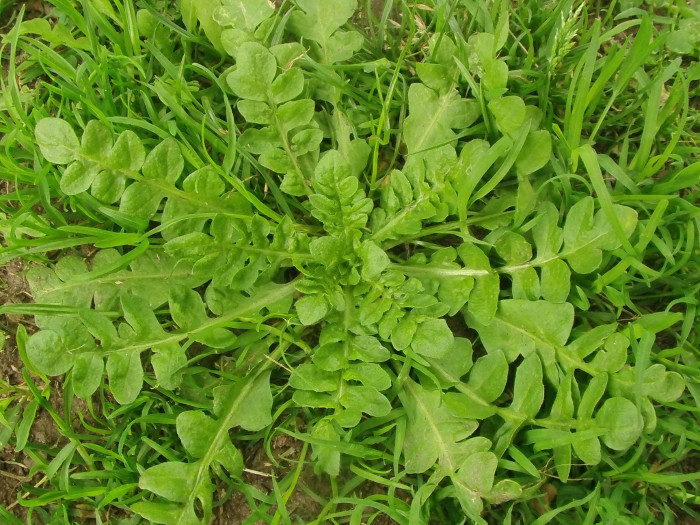
Sheperd’s purse thriving in parkland in St Werburghs, Bristol. As a variable herb, it sometimes grows with pinnately-lobed leaves and other times with leaves that are almost entire.
Some of these plants are really quick growing; and only need a few weeks to complete their life cycle, from germination to setting seed. So, you will often see shepherds purse in both its rosette and flowering form nearby each other.
Shepherd’s purse initially grows as a rosette of pinnately-lobed leaves. (typically up to 15 cm long). It then quickly produces its flowering stalks to around 40 cm high.
The tiny Shepherd’s purse flowers quickly give rise to the distinctive heart-shaped pods
The flowering stem has alternate leaves, found clasping the stem, with basal lobes. The raceme inflorescence is a sparsely branched and loose.
The flowering stems bear tiny (2.5 mm across) white flowers on 1-2 cm long horizontal stalks. Its flower stem continues to grow as the first seeds are ripening.
Shepherd’s purse seed pods have a seam that runs down the pod, which eventually splits when the seed is mature
The flowers consist of four petals, six stamens and two carpels, which quickly give rise to the distinctive heart-shaped fruit. Looking closely, you can see a seam running from top to bottom, splitting the pod in two.
Over on the plant family patterns page, you can find more details about these easy-to-remember patterns of the brassica family, as well as other plant family patterns of importance to foragers.
When ripe, the pod releases two seeds, which can happily lie dormant for many years before germinating. One plant can produce up to 1000 seeds!
If moistened, the seeds produce a sticky gel which is known to adhere and trap small aquatic animals, before dissolving them. This possibly provides fertiliser for the emerging shoots from germinating seeds.
Pharmacology and uses: Shepherds purse is available almost all year round, so this is one of the plants to cherish for offering us regular, ongoing chances to harvest medicine and food.
This unassuming and often overlooked little plant has created quite a reputation for itself as a chief plant remedy for women. All of the plant can be used.
The Brassica family are renowned not only for their excellent nutrient profile but also for their medicinal compounds. Certain molecules found in the plant family, are being currently researched by pharmaceutical companies for medicinal use.
The compounds formerly known as the mustard oil glycosides – the glucosilantes – are now known to be useful cancer preventative agents. It is from these molecules that we get isothiocyanates.
The seeds of shepherd’s purse are rubefacient and vesicant due to these compounds.
The ongoing research by pharmaceutical companies will likely reinforce what we already knew – that eating your cabbage family greens can prevent illness and disease! As foragers, we have a superb array of brassica greens freely available for 365 days a year…
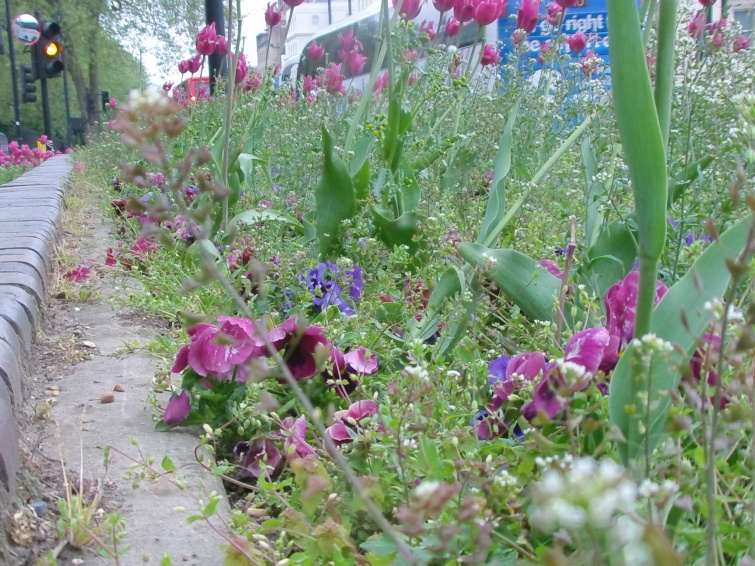
Shepherds purse grows quickly and loves disturbed soils as provided by this tulip bed in Westminster, London
Amongst its primary medicinal uses are for treating blood in the urine, as well as for gravel in the kidneys and excessive bleeding from the womb.
During World War 1, Shepherd’s purse was reportedly used as a styptic to reduce and prevent bleeding when preferred drugs from goldenseal and ergot ran out. It works by contracting tissue, hence its use in arresting bleeding.
The plant is now known to reduce capillary and blood vessel permeability. Shepherd’s purse is considered by many herbalists as one of the best remedies for stopping haemorrhages of all kinds, including: lungs, stomach, the kidneys (especially), and for the uterus – specifically where uterine cramps and colic are associated with it.
It can contract tissue and arrest bleeding and haemorrhage. The leaves of shepherd’s purse have been traditionally employed to combat menorrhagia, as well as finding use in treating diarrhoea, and acute catarrhal cystitis.
A decoction of the roots can be successfully used in cases of diarrhoea, haemorrhoids, and dysentery. It has been locally used as a vulnerary for nose bleeds. For this, you can simply apply the juice of the plant onto cotton wool.
Culpepper knew centuries ago that it helps to stop bleeding from wounds, inward or outward, and…“if bound to the wrists, or soles of the feet, it helps the jaundice”.
He also states that “…the herb made into poultice, helps inflammations, and the juice dropped into the ears heals the pains, noise and matterings thereof “.
And that “A good ointment may be made of it for all wounds, especially wounds in the head”.
As a food this plant has been used for thousands of years. It is still cultivated in China and other parts of the Far East and often used in stir-fries.
The leaves are unsurprisingly slightly peppery and hot to taste, and somewhat salty, which may well be accentuated when found by the coast.
The young leaves and the young flowering tops are a lovely salad addition and garnish, working well with vegetarian and fish dishes.
If you are new to foraging then our beginner’s guide will introduce you to many foragers tips and tricks, while this harvesting guide can help you get best results from your foraging quests.
Urban foragers might be surprised by how much they can forage, while all foragers can stay safe by brushing up on our poisonous plants.
Unlock the medicine of our hedgerows by foraging for rose hips
Rosa canina / Rosa rugosa. Dog rose / hedgehog rose Rosaceae family
Not that long ago, tens of thousands of people were foraging for rose hips, and getting paid for it. The recent resurgence of interest in wild plants and foraging has recent ancestral memories
During the second world war, the State sponsored foraging for rose hips. This was because with blockades in place, the British population were restricted access to Vitamin C in their diets.
During the wartime period, the state paid people to go foraging for rose hips
The war period and the immediate period afterwards saw many tonnes of the high Vitamin C fruit collected by tens of thousands of people. The rose hips were taken to pharmacies and weighed in for cash reward.
What’s in a name?
Roses belong in a genus comprising approximately 150 species of mostly deciduous and semi-evergreen shrubs and climbers.
They are distributed throughout the temperate regions of the world, and their cultivation goes back thousands of years.
The generic name Rosa is apparently derived either from the Greek word roden – meaning red, or the Latin word ruber – also meaning ruby or red.
Roses are plants that over the course of history became synonymous with the Mediterranean region. The roses that grew in this area were reportedly a deep crimson colour, which gave birth to the legend that the flowers sprung from the blood of Adonis.
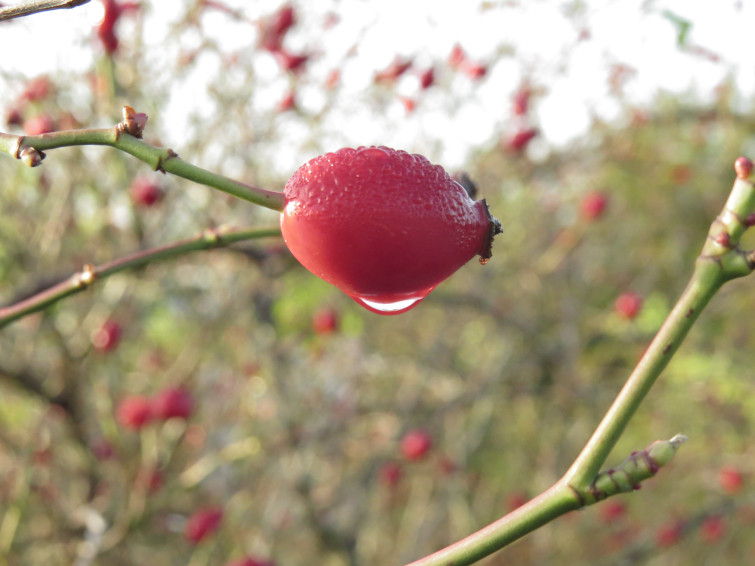
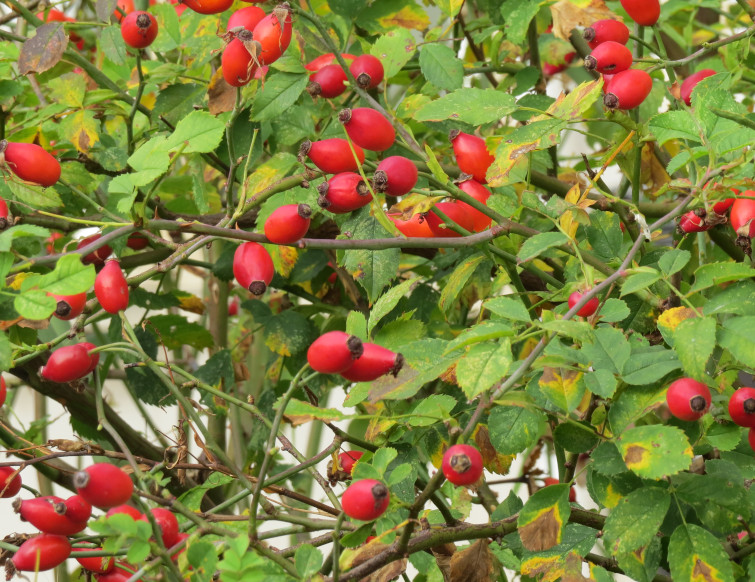
Rosehips after a November dew.
The roses have been important to us ever since ancient times. Historical records show roses were included in the preparation and use of cosmetics, medicine, ritual, and perfumery.
It is known that the Greeks, Persians, and Romans went foraging for rose hips, and employed many kinds of rose as medicines. In 77 AD the Roman diarist Pliny recorded more than 30 disorders that responded positively to rose preparations.
Different species of Roses were also widely grown in medieval apothecary gardens. Rosa laevigata was mentioned in medical literature as being used by the Chinese around 470 AD.
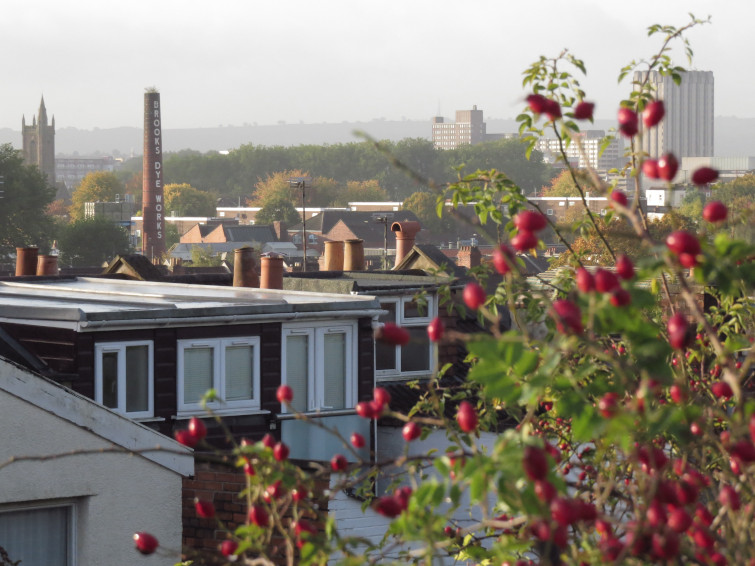
The hedgehog rose showing its extremely prickly stems. This is often the species you will encounter if foraging for rosehips in urban environments.
Our commonly planted urban hedging species, Rosa rugosa, has historically been used to a lesser extent, and is reportedly a fairly recent addition to the the Chinese materia medica.
It was first documented during the period of the Ming dynasty (1368-1644 AD). The plant then reached Europe around the 19th century from its original homeland of China and Japan.
Wild, scrambling roses such as our dog rose (Rosa canina), are one of the quintessential hedgerow staples of British countryside.
How to identify roses.
This comprehensive glossary of terms will help you with learning the technical language of plants.
The dog-rose is a variable, deciduous shrub native to Europe, West Asia and Africa. Even though the different roses can be difficult to tell one from another, as a genus they are quite easy to identify.
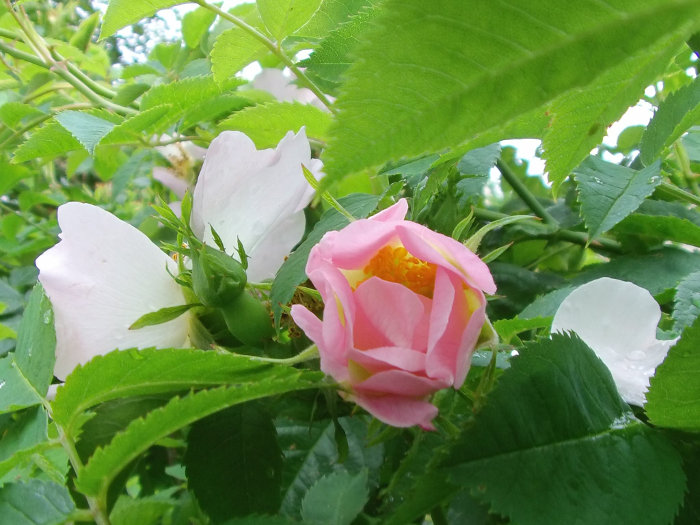
The dog rose unfurling its five petals. Here you can see both colour forms.
These gloriously rampant roses are recognisable by their arching, green, thorny stems that can climb high into trees, as well as for their beautifully simple flowers.
The stems bear pinnate leaves which are divided into 5-7 oval-shaped leaflets approximately 6-7 cm long.
In contrast, Rosa rugosa (an introduced species, and now a schedule 9 invasive plant), is a vigorous shrub; having very dense, prickly stems and deeply veined leaves.
Once again, the leaves are pinnate; although in this instance bearing an average of 9 narrow, oblong leaflets growing to 3-5 cm long.
Rose gall
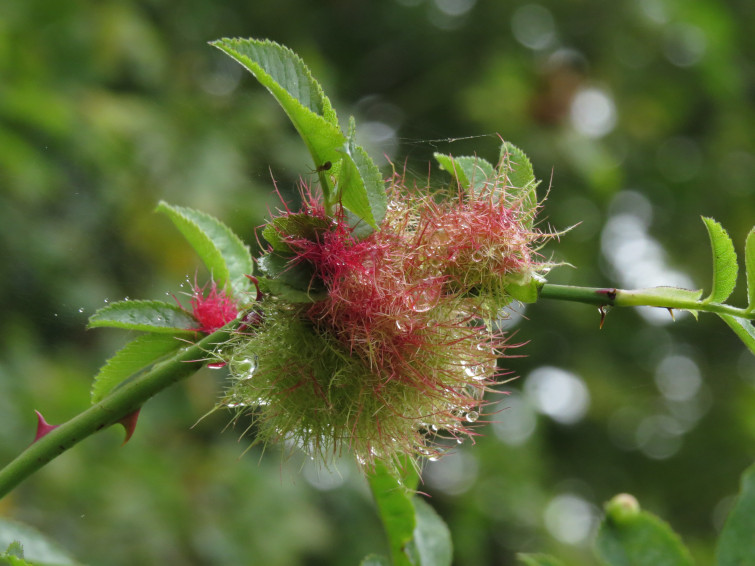
An occasional sight on roses are the pretty-looking galls produced by a tiny wasp Diplolepis rosae. These are sometimes called robins pin cushions.
Rose flowers
The dog rose has one of the loveliest scents of all out plants. The Beautiful pink to pink-white blooms are borne singularly or in clusters of 2-4 from late spring to mid-summer.
The flowers are around 5-6 cm in diameter. Alas, the splashes of pink and white adorn our hedges for a short time only, because the petals are easily blown off by winds.
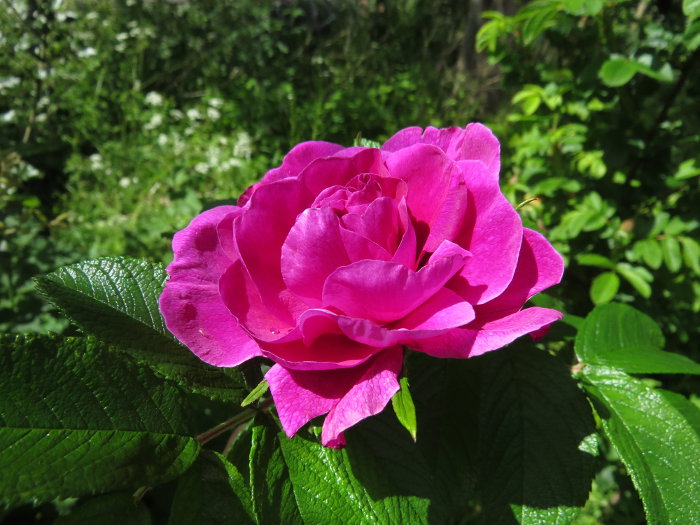
Rosa rugosa flowers are often a magnificent bright pink, being larger than the dog rose at 8-9 cm in diameter. You will still find the odd flower well in to the summer.
The double flowering forms of Rosa rugosa are even more pretty to look at than the single flowering wild species. The plant essentially turns some of its stamens into petals.
Rose hips
The flowers give rise to the familiar fruits known as ‘hips’, which duly ripen to their glorious rich scarlet colour during late summer / early autumn.
You find them nestling in and around our other major red-fruiting hedgerow plant, hawthorn. This provides a sporadic and welcome visual interlude in the hedgerow from the dominant brown and yellow leaves of autumnal decay.
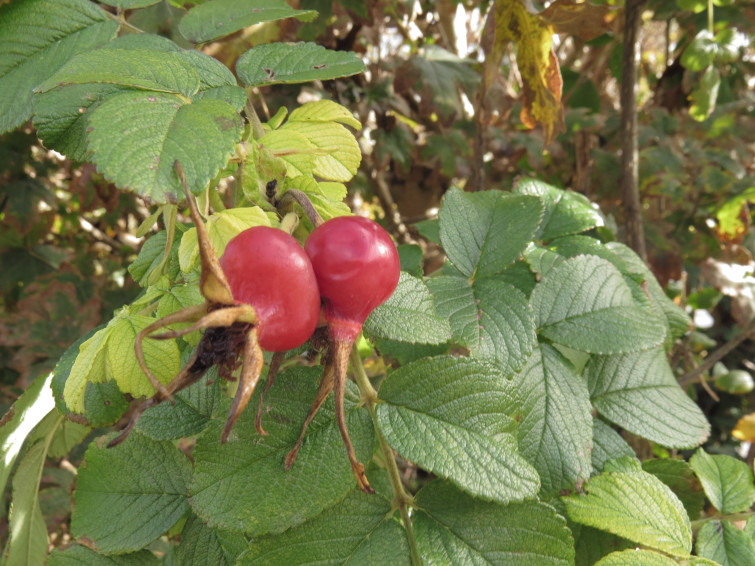
The hedgehog rose produces its globular, almost tomato-like red hips in the mid to late summer. They are much fatter than the dog rose, with large persisting bracts.
The flesh of these is easier to nibble at when out walking, with noreal fear of eating the irritant hairs. They are almost the same length as dog rose hips. As far as any poisonous lookalikes, there are no plants you can mistake for roses, no matter what time of year.
The dog rose hips are oval-shaped and approximately 2cm long. Often the remains of the brats linger at the tip of the fruit. Rosehips will need a little twist for them to come away from the stalk.
Habitats
The dog rose loves to grow in woodlands, copses, and hedges throughout Britain, but not higher than around 550 metres. It is a common plant of town and country.
The hedgehog rose can be found wild growing at altitudes of up to 400 metres. All roses like to grow in sunny or light shade and thrive in well-drained, slightly acid soil.
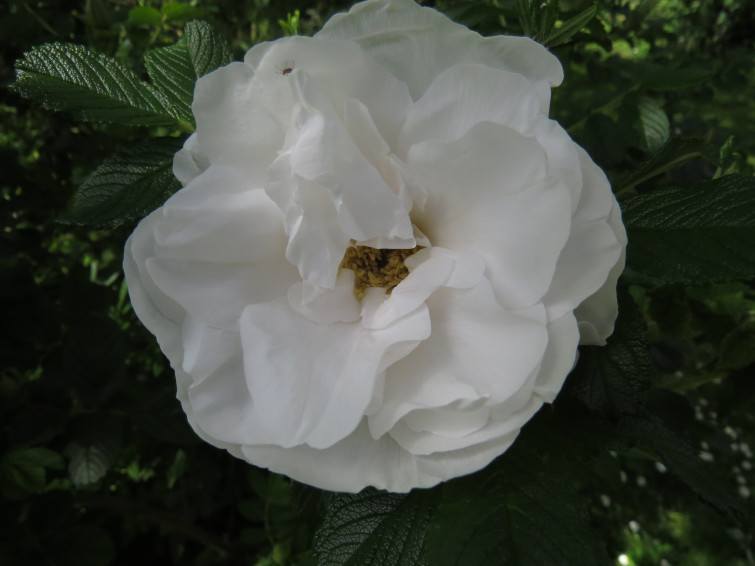
Lovely white flowering variety of the hedgehog rose
If you go foraging for roses in towns and cities, then you might find that the hedgehog rose is the species most commonly encountered.
This particular rose is very popular as an amenity planting in parks, cemeteries, gardens, around tower-blocks, and many development complexes.
This rose plant has hips that are bigger and ready earlier than the dog rose. Either can be used, but I would resist the temptation to get the hips off the showy roses in your garden. They are likely to have substantially less vitamin C in them and are not worth bothering about.
Parts used Petals (occasionally) and ripe hips (with seeds and irritant hairs removed).
Harvest: Fruits when ripe. The dog rose-hip in late September-October, the hedgehog rose-hips in late August-September. Dog rose-hips are better after a frost. My harvesting guide offers tips and tricks for best results.
Key constituents: Vitamin C (one cup-full of rose hip pulp reportedly has between 40-60 times as much vitamin C as oranges); vitamins A, B, D, and E; flavonoids; tannins; sugars; acids; pectin; carotenoids (lycopene); volatile oil; essential fatty acids; resin; minerals (including magnesium, calcium, iron, manganese, phosphorus, potassium, selenium, sulphur, zinc).
Pharmacology and uses: The high vitamin C content of rose hips are useful in preventing and fighting infection, colds, flu, and pneumonia. No reason to think it won’t help our immune system fight off Covid-19.
The astringency of rose-hips helps relieve dysentery and diarrhoea. In addition, the various flavonoids and substantial amounts of Vitamin C in rose hips, have potent antioxidant action help protect the body from numerous internal and external stresses.
As previously mentioned in my article on medicinal plant constituents and actions Vitamin C and bio-flavonoid molecules always appear combined together in nature. This is how our bodies experience vitamin C when eating fruits. Rose-hips are rich in this vital chemical complex.
Together, these molecules help to strengthen body tissues as well as helping to build and maintain a healthy vascular system. They also prevent damage to fragile capillaries.
As life cannot go on without vitamin C, it almost goes without saying that regularly consuming plants such as roses, as a prophylactic, will be of more benefit the older you are.
During the mid 17th century, Culpeper, prescribed rose hips for ‘consumptive persons’, as well as for ‘tickling rheums’, ‘breaking the stone’ (in the kidneys), and to help digestion.
Rose-hips have mild laxative and diuretic properties as well as being of help in the treatment of urinary infections.
The iron in rose hips make them an excellent supplement for menstruating women, whilst an oil extracted from the rose is of value in reducing scar tissue and stretch marks caused by pregnancy and birthing, due to its tissue regeneration properties.
In Ayurvedic medicine, roses have long been considered ‘cooling’ to the body and a tonic for the mind, and Native American Indians are said to use rose-hips to treat muscle cramps.
The discovery of the nutritive power of rose hips was due to World War II. During this period there was a shortage of citrus fruit in England, and the British government organized the harvesting of as many rose hips as possible in England as a substitute vitamin C.
This eventually highlighted the importance of rose-hips as a superior source of the vitamin and began its worldwide popularity.
No matter which species used, be careful with the irritant seed hairs within the fruit. These are the basis for itching powder, found in joke shops. They will need to be strained off if boiling the fruit in the traditional way of making rose hip syrup.
Preserving rosehips can be done in a few ways. Traditionally, sugar and alcohol have been used. Making a rose hip syrup with sugar can be achieved through boiling and straining the fruit, or, more simply, and perhaps with more eventual Vitamin C content, by a cold infusion.
Alternatively, the fruit could be treated like others and made into fruit leather, which can then keep for months.
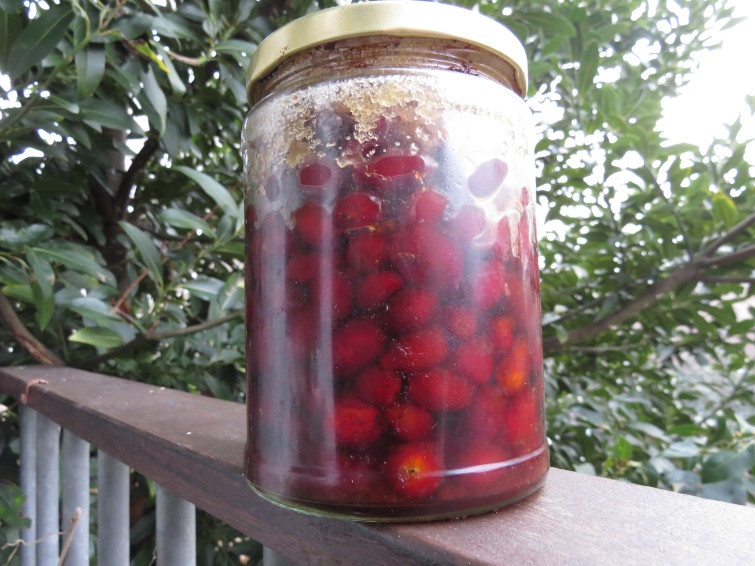
One of the greatest joys for me about foraging for rose hips is to make rose hip brandy for those chilly winter evenings round the wood burner.
The better the brandy you buy, the better the product will be. Simply steep the hips in brandy with some sugar to sweeten a little. Leave until the new year if you can!
For beginners to the wonderful world of foraging, there are plenty of tips, tricks and foraging hacks in my guide to starting out.
Foraging for Guelder rose / Cramp bark. Viburnum opulus. Caprifoliaceae
The Guelder rose is another stunning member of the beautiful honeysuckle family. This deciduous, perennial shrub is native to Europe, North Africa and Northern Asia.
This shrub is found scattered among our hedges and country lanes up and down the land. You may already know that many other Viburnum plants are popular shrubs with gardeners, and are widely planted in amenity settings.
From my foraging walks, the guelder rose is not that well known, compared to other hedgerow species. With all the other blossoms appearing during May, it probably gets drowned in all the colourful ‘noise’ out there.
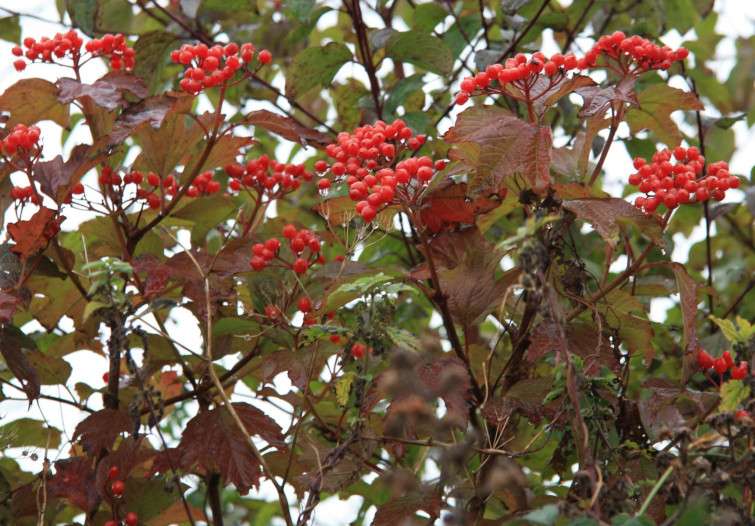
Later in the year, the berries increasingly will catch your attention, especially during those dull grey Autumn days. As you wander past hedgerows, splashes of scarlet stand out to the eye amongst the thinning, yellowing, autumn hedgerows.
What’s in a name?
Medicinal herbalists know the plant well as ‘cramp bark’, because of its medicinal attributes. It’s main common name stems from the province of Holland known as Gueldersland. This is where the shrub was first recorded as being cultivated.
The generic name Viburnum is the old Latin name for this shrub and the other 150-175 mainly shrubby species in the genus.
The specific name opulus refers to a type of maple, in allusion to the maple-like leaf shape of this species.
Because the Guelder rose displays similar growth characteristics to the elder, it was historically known as ‘red elder’ and ‘rose elder’.
Habitats to explore
Guelder rose is said to be well suited to chalkland. Closely related to the elder tree, this shrub is almost entirely absent in Scotland, yet can be found most everywhere in England. Check out the UK distribution map for guelder rose.
It delights in copses of Alnus (alder) and Salix (willow), as well as in a range of hedges, woodland edges, bridleways, and country lanes up to elevations of 400 metres.
It can easily grow up to 4 metres high on many stems. The plant wil flourish in full sun or partial shade and can tolerate most soils other than very wet ones.
When planting this species, the advice has always been to avoid extremely hot or dry, exposed, and cold areas.
How to identify Guelder rose
Remember its related to elder, so family diagnostic features are the same. The branches have grey twigs, somewhat angular in shape. These carry opposite pairs of buds and leaves, mainly terminating with double buds.
Their buds are scaly, and appear thin when viewed from one side, but reasonably broad and becoming tapered when viewed from the other.
Its twigs carry a similarity in colour and form to the elder, especially the opposite pairs of buds.
*
When looking close you will see that the leaves are somewhat akin to a maple. They are often broader than long, usually deeply-divided into 3-5 lobes, and with toothed margins.
The leaves are sometimes voraciously eaten to a lacy outline by the Viburnum leaf beetle (Pyrrhalta viburni). It is not unusual to find some plants decimated by this insect in certain areas.
This plant’s most noticeable features are the distinctive umbel-like inflorescence and subsequent clusters of scarlet berry fruits.
*
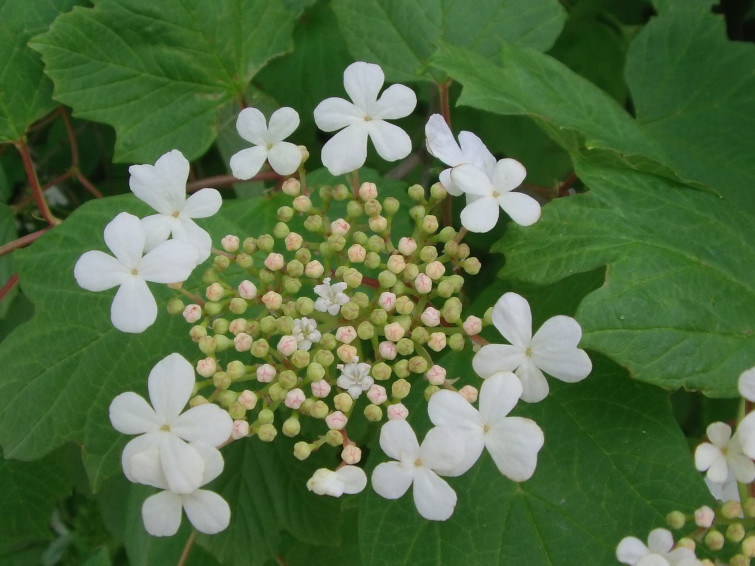
The almost flat-topped, dense corymb is typically around 11 cm wide and snow-white coloured. It will be found in our hedgerows from May-July, although with global heating, they are increasingly found out in the south earlier than the field guides state).
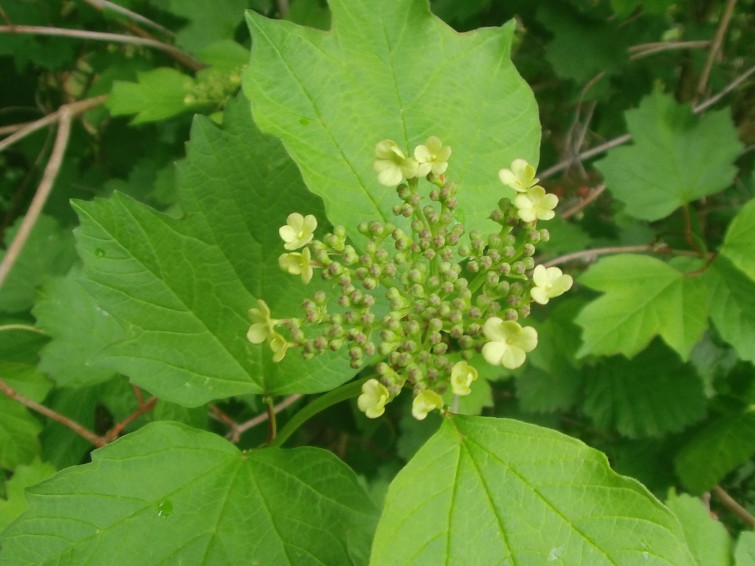
The flowers of Guelder rose are conspicuous in the way that they produce large (15-20 mm wide) sterile outer flowers, surrounding much smaller (6 mm wide) fertile flowers.
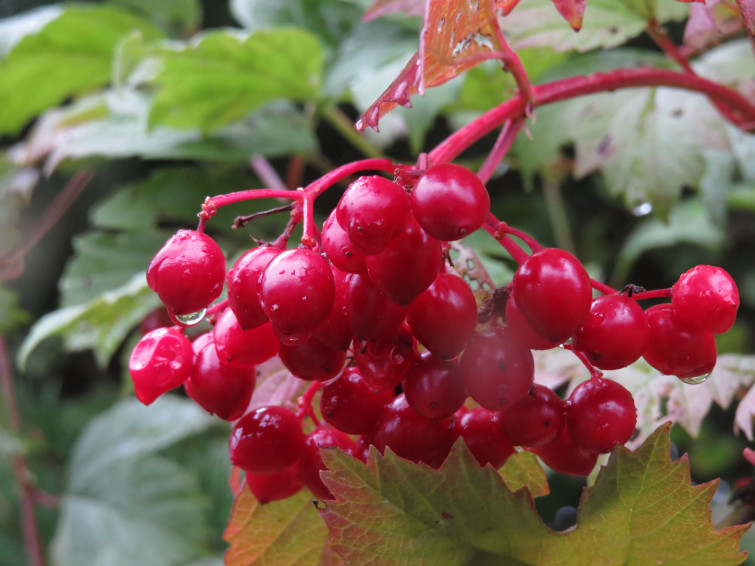
They eventually give rise to the shiny red fruits that ripen into drooping clusters, and are ready from September-October.
Parts used: Inner bark. Berries
Harvest: Bark from 3-5 year old branches in early spring before leaf break. Berries in autumn.
Key constituents: Salicin (which converts to salicylate in the body); isovalerianic acid; sesquiterpenes (viopudial, viburtinal); catechin tannins; coumarin (scopoletin); bitter principle (viburtine).
Learn more about the medicinal plants, constituents and actions in this in-depth article.
Pharmacology and uses: As its name suggests, this plant has long been used to alleviate painful cramps and spasms.
The famed ‘cramp bark’ works by relieving and relaxing tense muscles, whether these are skeletal such as back muscles and limbs, or internal smooth muscles such as the intestines, airways, ovaries or uterus.
In North America, a closely related species, black haw (V.prunifolium), is often used interchangeably, although they have slightly different chemical constituents.
Certain indigenous North American Indian tribes such as the Meskwaki and the Penobscot reportedly used cramp bark for muscle swellings and mumps.
Cramp bark can also be taken internally as a decoction or applied topically. It has long been used to treat breathing difficulties in asthma as well as menstrual pains associated with excessive uterine contractions.
Some authors have noted it as being useful where miscarriage is threatened. Cramp bark is also helpful in cases of irritable bowel syndrome, colic, and the physical symptoms of nervous tension.
The molecule salicin, upon digestion, converts to salicylic acid. As a known anti-inflammatory, it will heal and support internal smooth muscles.
This plant also has value in treating cardio-vascular hypertension and is known to relieve constipation associated with tension. The anti-spasmodic action is known to be conferred in part by the substance valerianic acid.
In some cases of arthritis, where joint weakness and pain have forced muscles to contract until almost rigid, cramp bark can be used to bring remarkable relief.
This is because as the muscles relax, more blood can flow, metabolic waste products such as lactic acid can be removed and some degree of normal function can return.
Cramp bark can therefore be used in acute and chronic cases of muscle pains and cramps. It is also usefully used before embarking on any physical activity likely to bring pain.
The berries are not used medicinally. Some authors class them as poisonous whilst others mention them as edible. Tasted straight of the tree they are very bitter due to the substance viburtine.
The berries have been known to cause gastroenteritis when consumed raw. But cooking with the addition of sugar can make a nice enough preserve, but personally I prefer other fruit jams to this one.
Using the bark of Guelder rose is safe and effective for long and short term use, although maybe not if the patient is on anticoagulant medications. This is because the coumarins and salicylates are both known to thin the blood.
The plant has been reported to cause hypotension in large doses or even in average doses if taken by previously hypotensive individuals. Pregnant women ought to refrain from taking the bark of Guelder rose until they have consulted a qualified practitioner.
For tips on harvesting and other foraging hacks, take a look at my medicinal and edible wild plant harvesting guide. Happy foraging!
Safety is paramount. If in doubt, leave it out! Wild Plant Guides gives you a glossary of terms. This is a helpful friend. So pay it a visit!
What is a poison?
The British Medical Association defines a poison as “a substance that, in relatively small amounts, disrupts the structure and/or function of cells”. You can read more about the various substances and classes of molecules in this summary of medicinal plant constituents.
The subject of toxicity is an interesting yet by no means simple one. Simplicity would demand an answer to the question…What constitutes a poison?
Britain’s poisonous plants include the rare but extremely toxic monkshood (Aconitum napellus)
A famous name in medieval alchemical science – Phillip Theophrastus Bombastus von Hohenheim, better known as ‘Paracelsus’ (1493-1541), recognised that…
“it depends only on the dose whether a poison is a poison or not”!
Certain modern drugs, notably many anti-cancer agents (whether natural products or synthetics), are principally used because of their toxicity. The yew tree is a striking example here. A killer tree turned life-saver.
A number of our cultivated plants that we can safely consume in normal dietary amounts are potentially toxic, if consumed in larger quantities.
We all know of at least some of the health benefits from eating regular amounts of cabbage or broccoli. However, the knowledge that excessive consumption of cabbages, kale and cauliflowers (all are cultivated varieties bred from the wild cabbage, Brassica oleraceae) can lead to swollen thyroid glands is not so widespread.
Horseradish contains medicinally valuable substances that in large enough quantities are poisonous
There are documented cases of rural communities reliant on brassica’s as staple foods, inducing thyroid-related illnesses from over-eating cabbage and cabbage relatives.
The medicinally valuable glucosilinates are widespread in members of the brassica’s, and are toxic in large amounts. However, in reality it is impossible to eat enough in one sitting.
Hawthorn berries contain small amounts of the deadly poison, cyanide
Within the fruits of many rose family members, such as hawthorn, are minute amounts of arsenic-based cyanogenic glycosides (in the form of prussic acid – hydrogen cyanide).
Arsenic is known to be deadly poisonous. However, the concentrations are usually so low that they have beneficial medicinal effects.
Different plant parts will hold various concentrations of poisonous compounds. Typically the fruits, seeds and roots will contain considerably higher amounts of toxins than the leaves and stems.
Some plants will really let you know by their smell that they are inedible. For example, the scent of elder leaves are unpleasant to me and do not in anyway invite eating.
Britain’s poisonous plants are found in many common plant families.
Common sorrel (Rumex acetosa) contains oxalic acid
Although these are edible, there is a need to point out the risks of eating plants with oxalic acid (see medicinal chemistry), the major constituent of sorrel (Rumex acetosa).
Oxalic acid is a ubiquitous plant constituent. High oxalate consumption can lead to kidney stones or gout. As a foraged or cultivated vegetable consumed every now and again however, this plant, or indeed the family as a whole, presents little danger.
Oxalic acid is also present in high concentrations in Rhubarb (Rheum spp), and in many other plants in this family.
Our native wood sorrel was deliberately named after Oxalic acid
Oxalis species
Oxalis acid also appears in unrelated plants in high concentrations too. It’s presence in our native wood sorrel and other members of the genus Oxalis, inspired its scientific name Oxalis acetosa.
Be sure to wash the leaves of the dock family because they can have chrysophanic acid on the surface which can make the tongue numb. This property apparently gave them the common name of ‘smartweed’ in North America, as when eaten raw they could make the tongue smart!
The lily family
The garlic plants (Alliums) are toxic enough to be listed in CoSHH safety manuals
A number of bulbous plants in this family are edible and medicinal (Allium spp). Yet many more are not. Examples from our flora include bluebells (Endyion non-scriptus syn Hyacinthoides non scriptus) and true hyacinths (Muscari spp). Both contain toxic substances.
Alliums are toxic to our skin in large amounts. You will find the bulb garlic (Allium sativum) or their derivatives listed in CoSHH (Control of substances hazardous to health) manuals.
One relative of this pretty crocus gives us saffron, another species produces a notable toxin
The very beautiful, but poisonous autumn crocus (Colchicum autumnale), is found in damp meadows and woodland, especially in a belt of central England from North Dorset up to Shropshire and across to Oxfordshire.
Closely related plants in the Narcissus genus (Amaryllidaceae family) are also toxic, though a substance found in daffodils is known to help with types of dementia.
The gorgeous, spring-flowering ‘snakeshead’ fritillary (Fritillaria meleagris), is poisonous due to its alkaloids.
These plants are usually quite rare in the wild now, and very easy to identify with their striking snakeskin pattern, so present no real danger of mistaken picking in reality.
During flowering it should be unlikely to mistake it for edible or medicinal species. Fritillaries do not offer us food or medicine but are a treat for the eyes when stumbling upon them.
The pea family.
These plants, or more specifically the seeds, are often inedible when mature and raw. The ornamental laburnum tree (Laburnum anagyroides) has extremely poisonous seeds.
Many of the whole-foods commonly we commonly eat are seeds of this family. These include the soya bean (Glycine max) and kidney beans (Phaseolus spp) amongst others.
The common vetch. with its gorgeous flowers. This plant contains minute amounts of enzyme inhibitors so is safe to consume in moderation.
Some of these plants contain trypsin inhibitors and other enzyme inhibiting substances which can interfere with our digestion and metabolism.
It would take a hell of a lot of the plant material to harm us in practice, so as with many of these ‘toxic’ substances, there is no real practical issue.
Our common wild legumes, including the Vicia (vetches) and Lathyrus (sweet pea )genera, are known to contain trypsin inhibitors.
We have the clover tribe of plants to thank for the rat-poison warfarin.
The nightshade family
Aside from mostly being very pretty to look at, this family supplies us with a range of different foods, medicines, hallucinogens, and outright nerve toxins.
Bittersweet contains the alkaloid solanine and is one of the more common of Britain’s poisonous plants
A common nightshade family toxin is the alkaloid substance solanine. This is a central nervous system toxin and causes dizziness, nausea, diarrhoea, and potentially delirium, shortness of breath, and coma.
The well-known vegetable aubergine (Solanum melongena), is toxic unless cooked. All parts of the potato (Solanum tuberosum) except for the tubers (unless green) contain solanine.
When foraging, we need to become familiar with the following poisonous plants:
Bittersweet (Solanum dulcamara); populates lanes and hedges throughout Britain. It has a twining, sprawling habit, decorated by its 8-10 cm oval leaves which often have two smaller pointed leaves at the base.
From June to September the purple and yellow-coloured flowers are scattered in amongst the green leaves of the hedge and are followed by increasingly noticeable scarlet berries in the autumn. These shiny red berries look enticing, but are to be left for the birds!
The ‘deadly nightshade’ (Atropa belladonna) can be fatal if consumed. luckily, yet is reasonably rare outside SouthEast England.
Deadly nightshade can be identified by its pointed, 20 cm long oval leaves, and its distinctive flower and fruit. The flowers are produced singularly, or in pairs, and are bell-shaped with more or less parallel sides and blunt lobes.
The corolla is striped, with a brown-purple or green hue and is succeeded by the solitary, shiny black berry. The fruit sits with the five-pointed calyx noticeably persisting behind it. This calyx/berry arrangement is happily unlike any edible berry and should not easily be misidentified for one.
The black nightshade (Solanum nigrum) contains the toxic alkaloid solanine
The black nightshade (Solanum nigrum), is a common weed of agricultural fields and gardens alike and probably our most common nightshade. The green berries are poisonous, containing solanine, although the ripe black berries are edible.
The leaves of black nightshade also contain variable amounts of solanine but this is destroyed by boiling so they can make an acceptable wild green. The leaves also contain the amino acid methionine, which is rarely found in plants.
Both henbane (Hyoscyamus niger) and the thorn apple (Datura stramonium) are used in herbal medicine practice, and both are controlled under schedule 3 due to their toxicity.
These plants are therefore not advised to be used by unqualified people. Henbane has no resemblance to any edible species found wild in Britain, therefore is not of any real concern to the forager.
Datura on the other hand, although pretty uncommon, could be mistaken for one of the not uncommon beetroot family – the ‘maple goosefoot’ (Chenopodium hybridum).
With a similar shape and outline to their leaves, confusion is not impossible even though the foliage of the goosefoot does not smell like Datura. It is safest to avoid picking the maple goosefoot altogether, just in case.
The buttercup family
The vast majority of this family are quite unpalatable and poisonous to us. Have a nibble of a buttercup leaf and spit it out. They taste acrid, bitter and nasty and do not invite eating!
All the buttercups are toxic to us to a lesser or greater degree, including this celery-leaved buttercup (Ranunculus sceleratus)
Indeed, one of the most powerful toxins known to man is in this family.
The monkshood, also known as wolfbane (Aconitum napellus), has a long historical use as a poison, especially as an arrow poison.
It contains the deadly poison aconitine, present in large concentrations in the roots.
The travellers joy (Clematis vitalba) contains the potentially toxic substance, protoanemonin
The very common climbing-vine known as ‘travellers joy’ or ‘old man’s beard’ (Clematis vitalba), is rare for our buttercup damily in that it has only four petals not five.
This plant has also been documented as poisonous in some books, without noting that the young tips are edible with cooking.
Lesser celandine / pilewort contains protoanemonin. Cooking and drying destroys the toxic compound
When cooked, the irritant compound protoanemonin, common to many buttercup family plants, is broken down. This knowledge when used allows us to use plants like lesser celandine (Ranunculus ficaria syn Ficaria verna).
The other common name of this latter plant, ‘pilewort’, will tell you its primary medicinal use!
The carrot family
The following are all documented as poisonous by the Royal Botanic Gardens at Kew.
A number of these poisonous plants contain powerful nerve toxins. hemlock (Conium maculatum) and water dropwort hemlock (Oenanthe crocata) are both deadly poisonous.
Water hemlock dropwort is one of two very common deadly poisonous carrot family plants you will find in Britain
For the beginner they can appear very similar to a number of other edible carrot family plants. This, then, is one of the overarching issues when foraging for umbellifers.
The two plants look quite distinct from each other but both look incredibly similar to tasty edible relatives.
This is why etreme care and caution should always be exercised when foraging for the carrot family. Avoid foraging for umbellifers next to waterways until you know them really well, for this is where a number of the poisonous ones live.
Let’s face it, no one wants to look silly by writhing in a hedge after mistaking hemlock for one of the numerous other similar looking umbellifers!
Hemlock contains the extremely poisonous alkaloid, and nerve toxin, coniine. As a very inexperienced, naïve and reckless forager many years ago,
I discovered this plant in my mouth seconds after misidentifying it from a peripheral glance as wild chervil, whilst strolling and nibbling on a mixed hedgerow salad (please, don’t ever be this stupid).
Hemlock (Conium maculatum) contains a central nervous system-poisoning alkaloid, coniine
Its bitterness rapidly turned into unpleasant sensations akin to stinging needles erupting throughout my mouth and I quickly spat it out. Thankfully, I had pinched off only the top inch or so and had yet to swallow, so got away with a short, sharp, shock!
Many carrot family plants are documented as recording a range of photo-sensitive, dermatological effects. These are due to photo-toxic furanocoumarin molecules.
Giant hogweed produces high concentrations of photo-toxic molecules – furanocoumarins. Exposure to them on skin under sun results in 3rd degree burns!
If sap from the stems (produced in profusion when flowering) comes into contact with your skin under the sunlight or U.V light, then mild blistering can occur, and in the case of giant hogweed, 3rd-degree burns!
As you will see from the following list, some of our common vegetables are included.
It needs to be stressed here that the giant hogweed is by far the plant most commonly documented as responsible for the most severe reactions. The others produce much milder effects, which not everyone experiences to the same degree, if at all.
The concentrations of furanocoumarins present, degree of sunlight, and an individual’s constitution will all play a part in reactions experienced following exposure to the sap under sunlight.
I know a farmer who has suffered mild burns from cutting down flowering parsnips in the summer sunshine.
I happily eat raw, peeled, wild chervil stems in the spring sunshine and do not have any problems from handling the plants.
Wearing gloves and harvesting on overcast days or out of direct sunlight is the answer if you are in any doubt. A number of plant families including the spurge (Euphorbiaceae) and citrus (Rutaceae) families also exhibit similar photo-toxic effects.
For safety, I do not touch giant hogweed at all much. The ‘drias plant’ I have not yet met.
A few more of Britain’s poisonous plants to know
The common hedgerow climber, ivy.
Our native evergreen climber, the common ivy (Hedera helix) produces poisonous berries from November. These are initially green then turn black, often lasting through winters.
These berries contain the toxic substance hederin. It was formerly used as a purgative medicine, but one considered too strong for safe self-medicating. Leave this one for the pigeons!
The dogwood (Cornus sanguinea) is a common hedgerow plant of the Cornaceae family. The masses of white spring flowers give rise to black berries in the autumn.
They may seem appealing, but leave them alone! There is an edible Cornus that occasionally will be found in the wild – Cornus mas – the Cornellian cherry.
Although related to the stimulating coffee plant, the holly is one of Britain’s poisonous plants.
The red berries of Holly, the well-known evergreen tree, contain the toxin ilicin in the berries. As little as two of these may induce nausea.
The same advice goes for two previously used strong purgatives, the buckthorn (Rhamnus catharticus), and the alder buckthorn (Frangula alnus). Both shrubs carry black fruits in the autumn following flowering.
Buckthorn’s broadly elliptical leaves are noticeable for their curving vein patterns. Their small and green flowers have four petals and are borne in clusters at the base of the upper leaves.
Alder buckthorn is thorn-less and also displays small flower clusters. The small white flowers contain five petals, and give rise to a black berry which is red until ripe. Both plants are found occasionally in hedgerows in Britain (although rarer in Scotland).
Look-a-like plants
The perils of similar-looking yet unrelated species needs a mention at this point. The common ‘lords and ladies’ (Arum maculatum), has often been mistaken for two popularly foraged plants; sorrel and wild garlic (Allium ursinum).
Lords and ladies leaves hide lots of calcium oxalate crystals, which if eaten, can bring on anaphylaxis shock and kill
I heard from a forager friend that should you try and eat the leaf from the lords and ladies, a sensation akin to the one I described for hemlock will ensue.
Sorrel has different leaf lobes, and leaf veins
The Arum leaves contain toxic calcium oxalate crystals. Note that this compound is different to oxalic acid, present in the sorrel and prevalent in other members of the dock family.
Both the common sorrel and lords and ladies have a relatively similar shape to their leaves, especially when small, although their leaf vein patterns are unlike. The favourite habitats are also completely different.
Sorrel loves meadows, fields and other grassy areas, whilst lords and ladies is a natural woodland species and hardly ever extends from the protection given by woodlands, roadside verges, hedges, and darker edges of fields.
Lords and ladies mixed together with wild garlic
Beginners reading this may already be aware of the similarity between very young wild garlic leaves and any emerging lords and ladies leaves. The two plants often share woodland and other habitats.
Arum does not have parallel veins like wild garlic, and its prominent basal lobes are distinctive, as are the arrow-shape leaves. Compare these to the broadly-elliptical leaves of wild garlic
While its true that wild garlic tends to emerge after the lords and ladies is already up, and that the two plants soon display noticeable differences in leaf shape and detail, care should always be taken when you are first foraging.
If the leaves are too small for you to be sure of positive identification, move on. This advice goes for any plant!
Sorrel has another potential lookalike with similar habitata, the meadow resident, field bindweed (Convolvulus arvensis). This plant has similarly-shaped leaves to sorrel.
However, it’s striking, raspberry ripple striped flowers, and creeping sprawling habit, are completely different to sorrel.
Dog’s mercury often carpets large areas of ancient woodlands,
Another common poisonous member of our woodlands is the perennial herb, ‘dogs mercury’ (Mercurialis perennis – Euphorbiaceae). This poisonous plant can carpet some woodlands and hedge-banks. It is a sign of ancient woodland.
Dog’s mercury can slightly resemble a nettle when in flower. It also has white, thin, and wiry clusters of flowers appearing from its upper leaf axils.
The rare, but pretty yellow-flowers on birthwort (Aristolochia clematis) contain the highly toxic compound aristolochic acid, which is known to cause renal failure.
Our only native member of the Cucurbitaceae family – Bryonia dioica, or ‘white bryony’, is also documented as a poisonous plant. Its palmate leaves could be mistaken for hops. Both plants share similar habitats.
The classic pumpkin family characteristic are shown in bryony’s spiraling, wrap-around, spring-like tendrils. These help the plant get into the light. The dainty white flowers can be seen dotted in the hedgerows during the summer months if looking closely.
The roots and berries are toxic. An alkaloid, bryonicine, is partly responsible. The young downy shoots stretching up from the soil could be mistaken for hogweed reaching for the light. Red berries follow the flowers.
The unrelated ‘black bryony’(Tamus communis) is the only species in the yam family to grow wild here in Britain.
Another of our hedgerow climbers, this plant is notable for its dark glossy-green, heart-shaped leaves and scarlet berries. This yam family (Diosceraea) species has been documented as a poisonous plant in some books but edible in others.
I have eaten the young tips, which similar to travellers joy, will need cooking to render the toxins present, harmless. The berries are certainly poisonous, but the root reportedly could be eaten if you are prepared to treat it in all number of ways first through boiling and such like. Hmmm, not for me.
I hope you are not now thinking that the land is awash with harmful plants. The reality on the ground is that only four of our poisonous plants here in Britain are likely to be confused with similar-looking edible or medicinal species.
These are hemlock, water hemlock, foxglove, and the yew tree. Both plants are dealt with elsewhere on these pages.
The yew tree does not offer the typical coniferous aroma from its foliage. Nor does it produce the typical cones. Instead, bright red aril fruits (the common vernacular is berries) become noticeable in late summer/autumn.
Its fleshy and edible fruits distinguish it from many similar evergreens, as does its growth form, which is more typical of a deciduous tree than a coniferous tree.
Remember that all other parts of the yew could kill you, including the seed, so remember to spit it out if eating the berries!
If you liked this, then check out the Seasonal foraging guides
Foraging for sorrel and other docks. Hard to miss and easy to identify!
You don’t need to actively go foraging for sorrel to know the dock tribe of plants. Everyone knows the docks already. Who hasn’t rubbed a dock leaf on a nettle sting!?
.Just as easy to spot in towns as they are in the countryside, these plants are constant foraging companions. In fact you have probably seen sorrel in many grasslands when in flower, but just written it off as just another dock.
Rumex is a large genus within the rhubarb family -Polygonaceae. Around 200 species of annuals, biennials, and perennials are found throughout the world. All the Rumex are technically edible. only a few are worth eating, and are tasty refreshing salads.
In the British Isles, this plant family is one of the most common plant families you will encounter. It has a golden rule of foraging to share so read my post on the Polygonaceae family!
It also contains the edible and medicinal japanese knotweed (Fallopia japonica), the well known ‘grain’ buckwheat (Fagopyrum esculentum), and the integral ingredient in dock pudding, bistort (Bistorta officinalis)
Broad-leaved dock is one of our most common Rumex species
The English common name ‘dock’ is derived from the old English word ‘docce’ – simply meaning ‘course large-leaved weed’. Hence, the unrelated burdock was known as ‘the coarse, large-leaved weed with burs’!
The edible and medicinal docks dealt with here are notable for their yellow tap-roots. This colour suggests the reason why docks were previously instinctively thought of as good for the liver, and for many bilious conditions.
Why go foraging for sorrel or other docks?
A close up of common sorrel flowers
My favourite edible docks by far are the sorrels. I have found the common sorrel (Rumex acetosa) to be the most plentiful, whereas sheep’s sorrel (R.acetosella) is only locally common in some areas.
Sheep’s sorrel particularly enjoys life on acidic heaths, grasslands, and sand dunes. When out walking or foraging you will soon spot just how common sorrel is. If you haven’t tasted yet, you are in for a lovely surprise.
Kids seem to love the sorrels. The sour, ‘plum-skins’ taste is refreshing and unusual. It ticks lots of boxes that sweets can tick. Think of it as a gateway vegetable for any plant-averse children.
Identifying sorrel and other docks.
Leaves
At a glance, the sorrels have noticably arrow-shaped leaves. Their leaves are smaller and more narrow than most other docks found here.
Distinctive white mid-veins are present on sorrel and other docks
Common sorrel has downward-pointing basal lobes that always taper to a point. The prominent white mid-vein branches and (these two features separate the tasty sorrel from the dangerous lords and ladies – Arum maculatum).
Sheeps sorrel with its distinctive lobed leaves.
Sheep’s sorrel leaves are smaller, and identified by prominent side lobes at the base of the leaf.
Close inspection of Rumex plants show the leaf margins are entire. Some species have undulating leaves.
The curly dock (R.crispus) has oblong-lanceolate leaves with distinctly wavy or crispy margins.
Yellow dock / curly dock (Rumex crispus) showing its trademark undulating leaves
Its leaves are tapered inwards at the base. In general our docks have quite broad leaves on long petioles.
Broad-leaved dock
In the UK, the broad-leaved dock (R.obtusifolius) has the largest leaves. These are oval-oblong and display less of a wavy edge. They are typically cordate at their base.
The very young leaves of all docks may have a slight hint of oxalic acid like sorrel. I find the wood dock (R.sanguineus) to be a good salad when young and tender.
Baby wood dock leaves
The wood dock and the great water dock are two other plants in the genus that I eat when out and about. Young wood dock leaves carry hints of oxalic acid, similar to sorrel, whilst older leaves quickly become bitter and tougher.
The great water dock (Rumex hydrolapathum) grows on very long leaf stalks. These are quite acidic and resemble a milder rhubarb.
This plant can grow in dense stands on mudflats and riverbanks, although I don’t commonly find it on our freshwater river systems. It can only handle bare ground.
Great water dock on the estuary mudflats of the River Avon, Bristol
Stems that bend with papery knees
One of the key diagnostic features for the whole family will be found on the stems.
It is this swollen leaf node and papery sheath that give rise to the family name Polygonaceae
Here you will see a pronounced, angled joint. These are always initially covered in a papery sheath, or ocrea. You can see this family pattern repeating across all the various members of the family. As the plant grows the sheath will brown and wither.
The stem leaves of broad-leaved dock become narrow on the flowering stem. Often the stem leaves will have stipules at the base of the petioles.
All docks have a very similar-looking inflorescence. The flowering stems are green but can also carry a red-stripe. The broad leaved docks are occasionally found with completely red stems.
Broad-leaved dock flowers
The stems are smooth, round, and fluted, with a solid, pithy core and few hairs, if any Dock flowering stems branch at acute angles towards the top.
The flowers are individually small and don’t really catch the eye unless in close quarters. Although the reds and pinks you get from the stems on some species under dappled sunlight is quite striking. Other docks, like R.crispus are much more green-yellow to look at.
Yellow dock / curly dock flowers
The flowers have six green, petal-like sepals. Three tiny outer ones, and three larger inner ones, surrounding the ovary. Typically 5-10 mm long, the flowers emerge from the upper leaf axils, growing on small stalks in dense whorled clusters, on branches 5-20 cm long.
Dock flowers are scentless, and often carry red ‘wart-like’ growths on the inner sepals. It is the size and shape of the sepals, plus the presence and shape of the ‘warts’ that helps distinguish between the numerous and similar-looking dock species.
Dead stems of broad-leaved dock can persist long after summer
As dock seeds mature, they and the stems turn a rich brown colour. these stems will persist right through into late winter.
Habitats to find sorrel and other docks
In a word, everywhere!
The common sorrel shares nearly all its habitats with other docks. Look in fields, woodland clearances and woodland edges, hedgerows, coastal locations and wasteground in urban settings. You won’t need to look too long.
Foraging facts about sorrel and other docks.
Parts used: Root, leaves, stems, leaf stalks, and seeds. Learn how best to harvest medicinal and edible plants in this guide.
Harvest
Roots: early spring or autumn. Leaves: when small and young.
These plants are a somewhat recent addition to the European herbal pharmacopeia. However, they have been a mainstay in the repertoire of Native American indigenous people.
Via the tribes, North American physicians eventually brought these plants to the attention of western herbalists in the latter half of the 19th century. Previously the plant had enjoyed centuries of use.
The reported anti-bacterial action stems from phenolic acid components, whilst the flavonoids are known for antioxidant activity. Members of the Rumex genus are gentle laxatives or aperients.
It is likely that the small amounts of anthraquinones are responsible for this action as they are in rhubarb. In this overview of plant chemistry, you can read more about important medicinal plant constituents and actions.
The alterative herbs such as dock, act in a non-specific way on the digestive tract and liver. Through helping the liver remove toxins, alteratives are known as blood purifiers.
They are often employed to treat skin conditions such as psoriasis, boils, eczema, and for any conditions where skin eruptions and itching are prominent.
As a medicine, Sheep’s sorrel is becoming increasingly well known as one of the herbs in Essaic tea. Manufacturers of Essaic tea point to the use of sheep’s sorrel in fighting cancer, and aiding cellular regeneration.
Docks can generally help the digestive system by enabling the increase of gastric juices, including bile, and by encouraging bowel movement.
This is partly due to their bitterness. Culpeper mentioned that ‘bloodroot’ (as docks were often called), ‘purified the blood and strengthened the liver’. By detoxifying and toning, the liver becomes less congested and stronger. In days long gone, docks were also used to treat scurvy.
With a high concentration of iron, docks are helpful in treating anaemia. The root has been used as a poultice for this very reason.
The tannins and their astringent qualities mean internally irritated membranes will be soothed and protected. Externally the root will be useful in treating haemorrhoids.
Many people have heard of using docks for treating nettle stings, and the majority of them might agree that rubbing dock leaves on the stings was basically pointless.
That’s because it’s the gel from the new leaf shoots at the centre of the plant that help with stings and burns, not rubbing the leaf. I still prefer ground ivy for nettle stings, but finally I’m appreciating how docks work, thanks to Monica Wilde.
Research into the analgesic action of anthraquinones in Aloe vera, suggests it could be the same types of molecules present in the dock gel surrounding the emerging leaf shoots, that soothes the irritation from nettles. Read all about medicinal plant constituents and actions here.
Sorrel and other docks as food.
All plants of the Rumex genera have completely edible above-ground parts, though not many are tasty when eaten raw, like the sorrels.
The common sorrel has long been celebrated in France, where numerous recipes exist for sorrel soup and sauces.
The sour and tart flavour of sorrels makes it a superb accompaniment to fish dishes. Its distinctive sour flavour is due to oxalic acid.
The plant family as a whole are noted for higher-than-average oxalic acid content. People with kidney stones should avoid foods that are rich in oxalic acid. Sorrel or any dock should only be eaten occasionally for these reasons.
I use sorrel and the available aromatic herbs of winter in my wild salsa verde
Saying this, I love collecting bunches of it when I’m making a wild winter salsa verde.
The sorrels, together with other aromatic herbs like ground ivy, wild celery, jack-by-the-hedge, various pungent Alliums, black mustard and watercress, are all available in our darkest months.
Sorrel and other docks are nutritious food plants, but the majority of them are too coarse for salads or tender ‘spinach’. In a survival situation, however, the docks will be one of the first going in the cooking pot.
The leaves contain a higher nutritional punch than spinach, containing roughly one third more iron. Docks have more fibre and Vitamin A than an equal amount of carrots.
The water dock will be found with leaves up to 1 m long and growing on 30 cm leaf stalks. When young these are worth using as a rhubarb replacement with a pronounced succulent crunch.
The blood-veined sorrel (Rumex sanguineus var sanguineus) has become a popular salad variety, and will occasionally be found growing naturalised in the UK.
This plant is essentially a red-veined version of the wood dock, and so doesn’t replace sorrel in any shape or form for flavour or texture.
Discover more of my foraging tips and hacks to fast track your success. If you want to know at a glance which plant and what plant parts are in season, then check out my other guides.
If you would like to practically learn the practical skills of the forager, then check out our beginners guide. Finally, keep an eye out for my one to one foraging mentoring. There’s no better time to start learning than today!
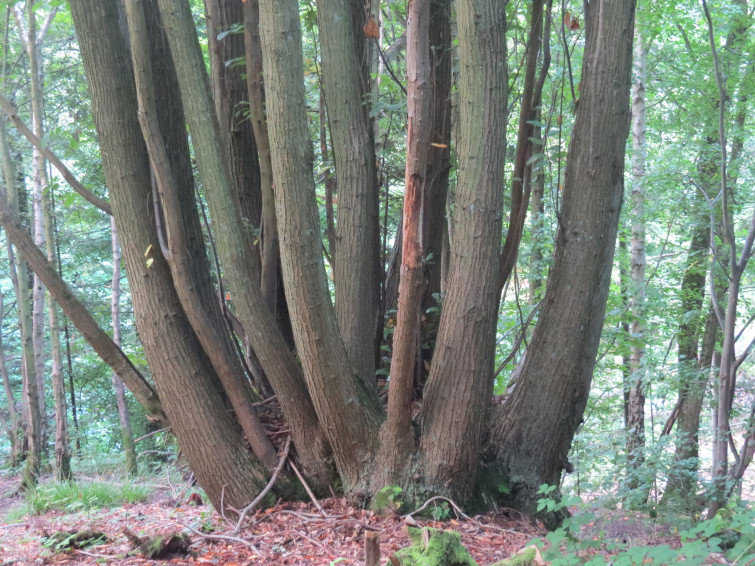
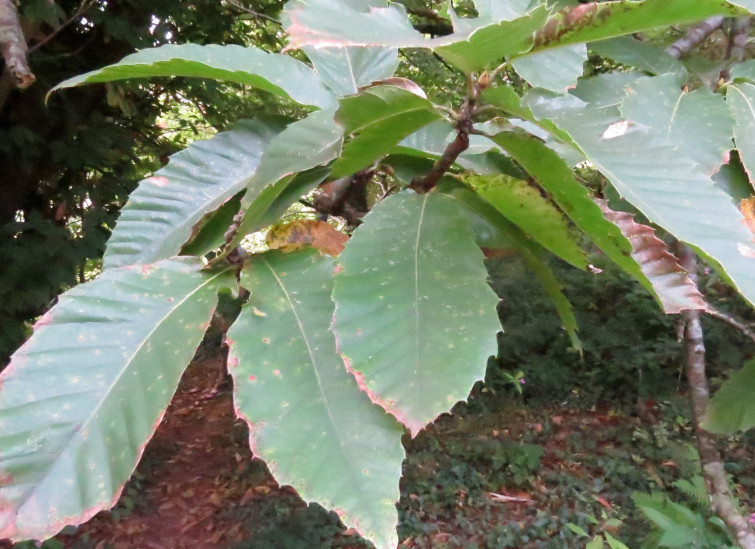
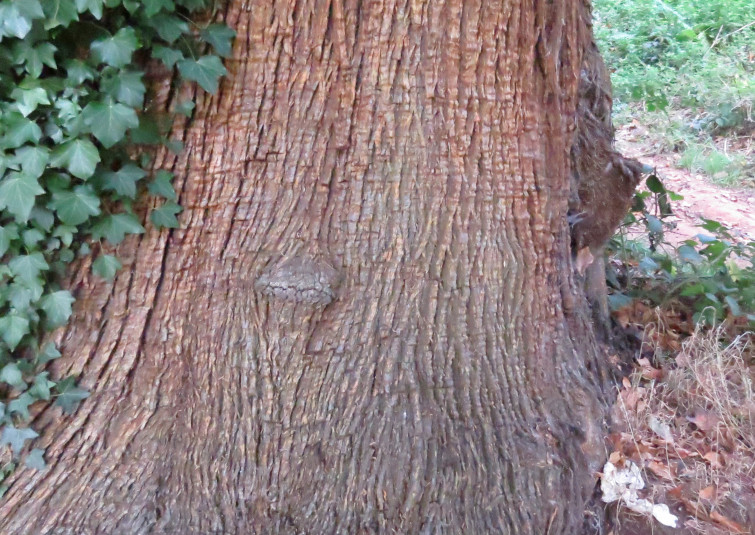
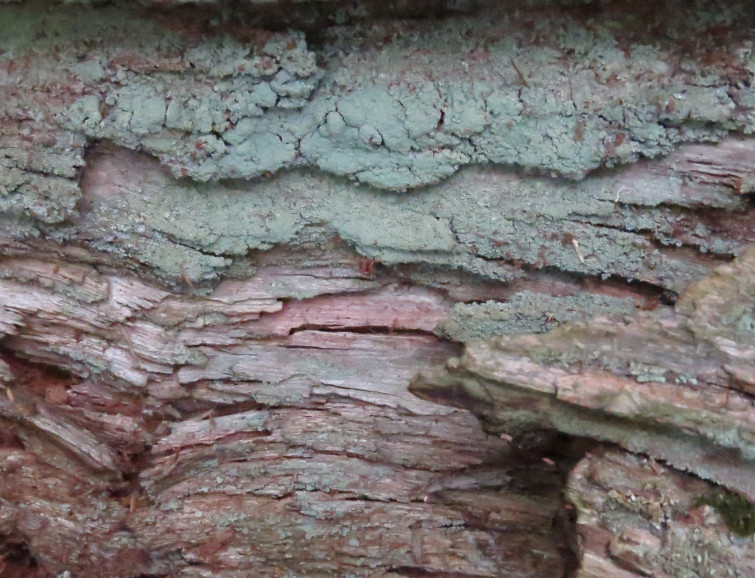

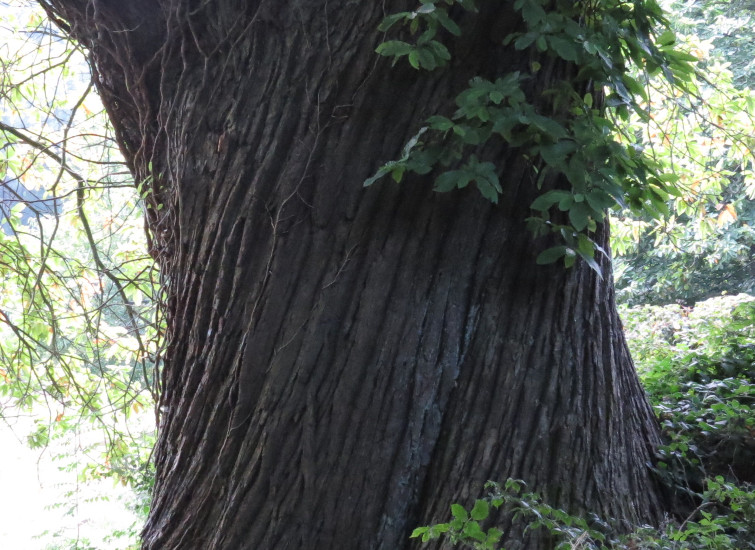
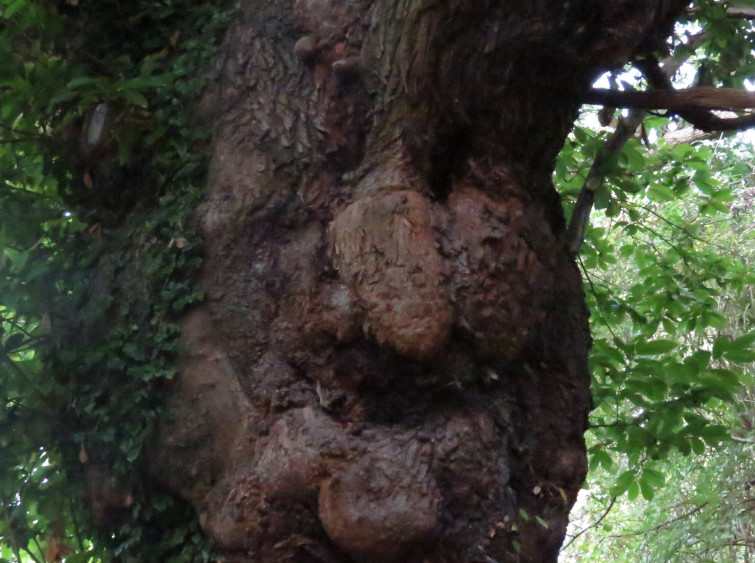
 Its glossy green leaves will reach 20 -30 cm long, with margins that are reportedly unique when comparing it with any other member of the widely found British flora.
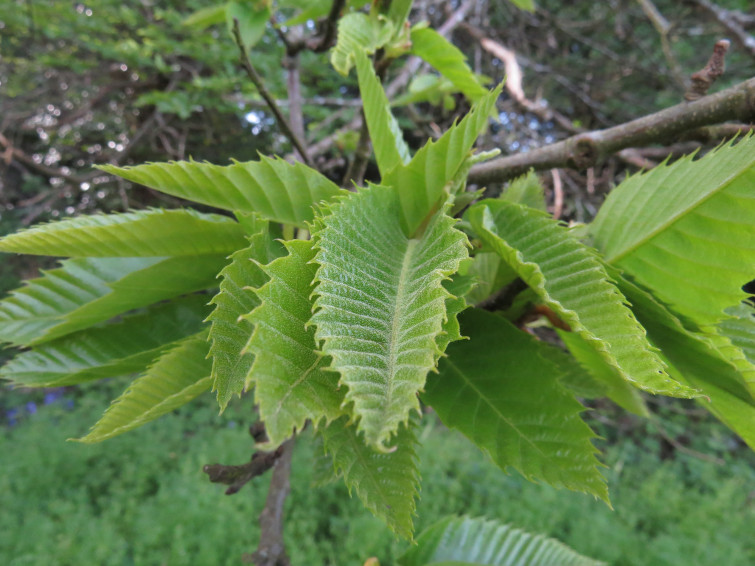
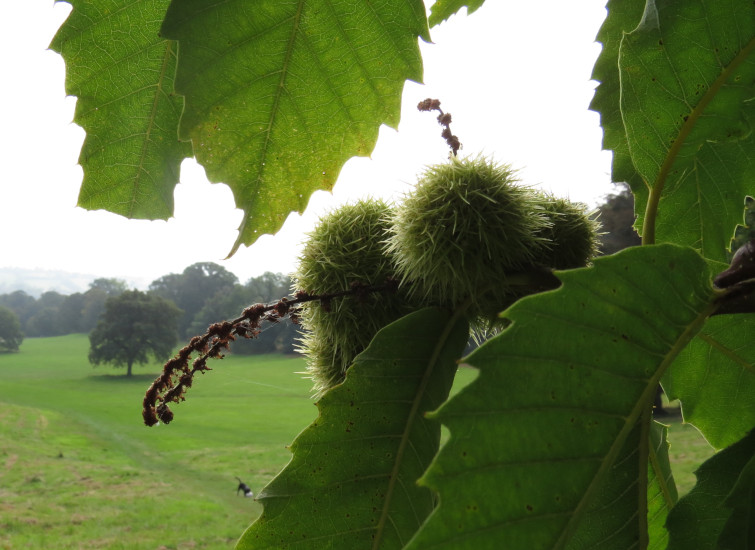
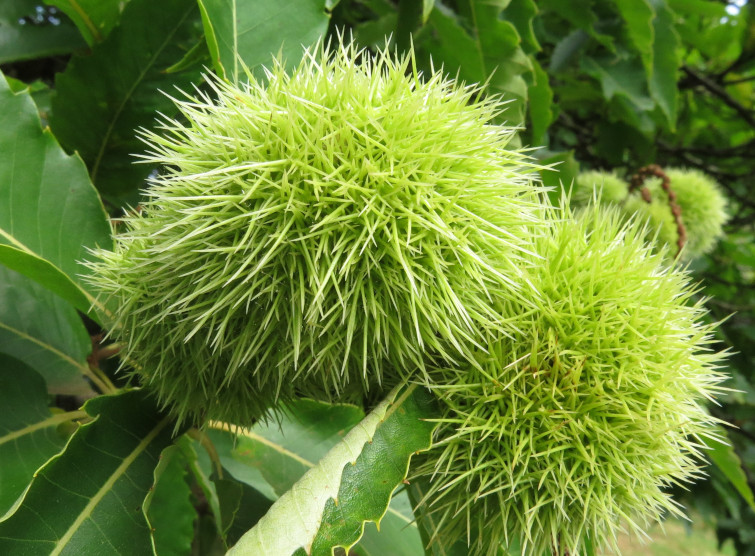
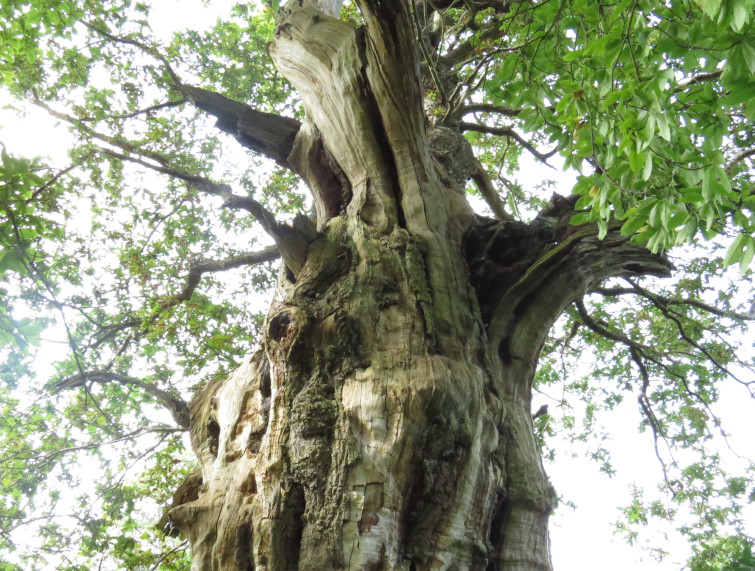

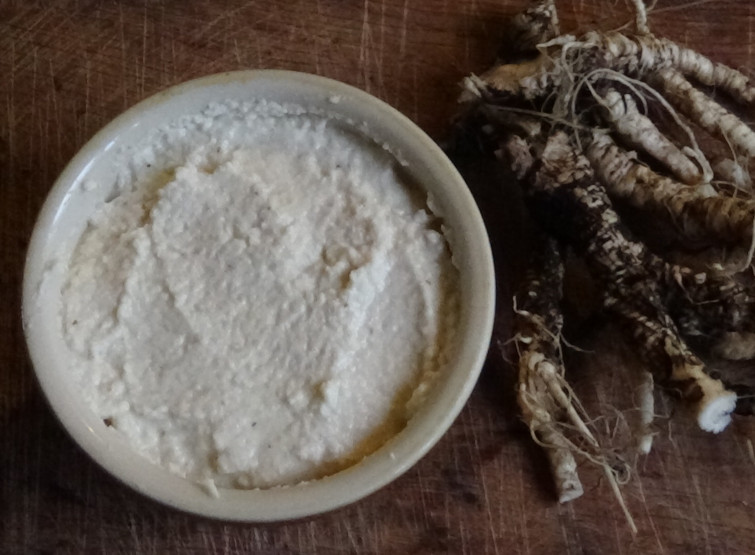
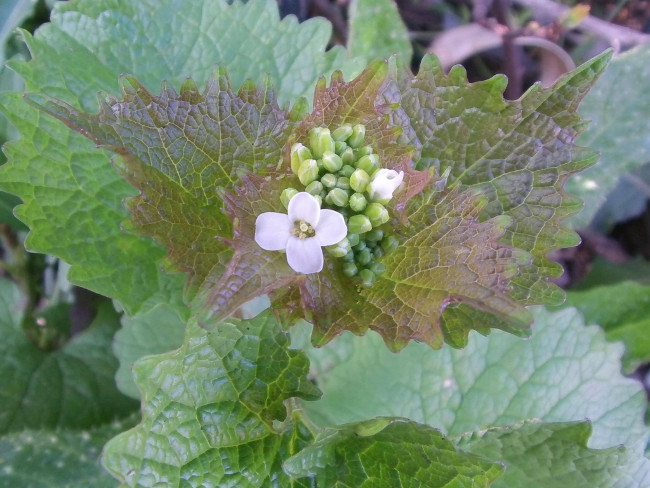
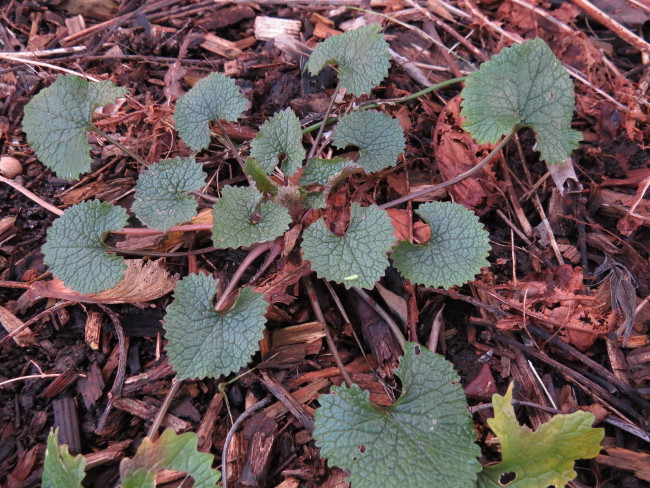
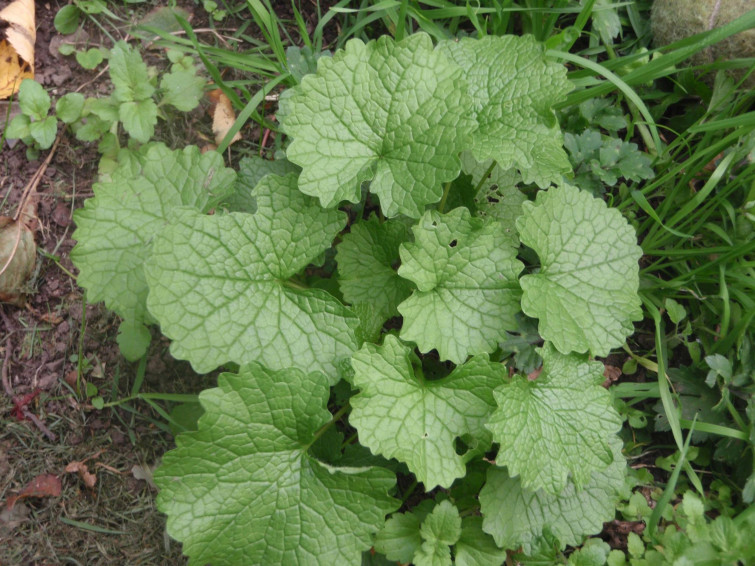
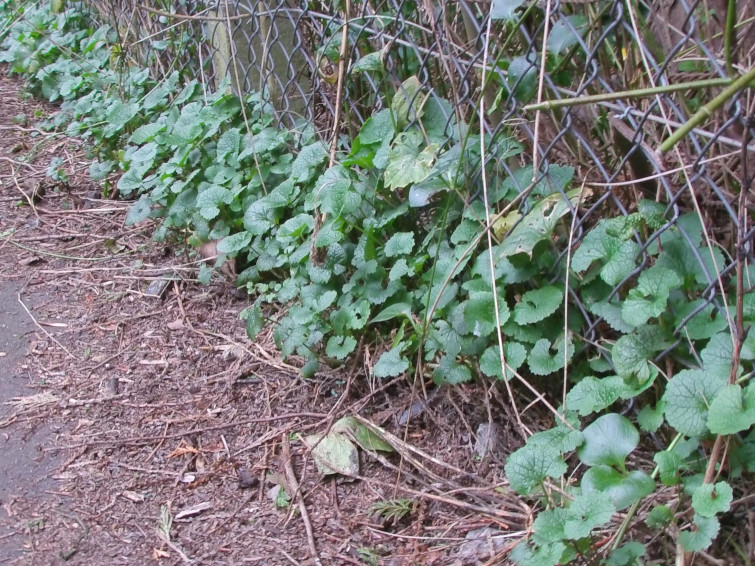
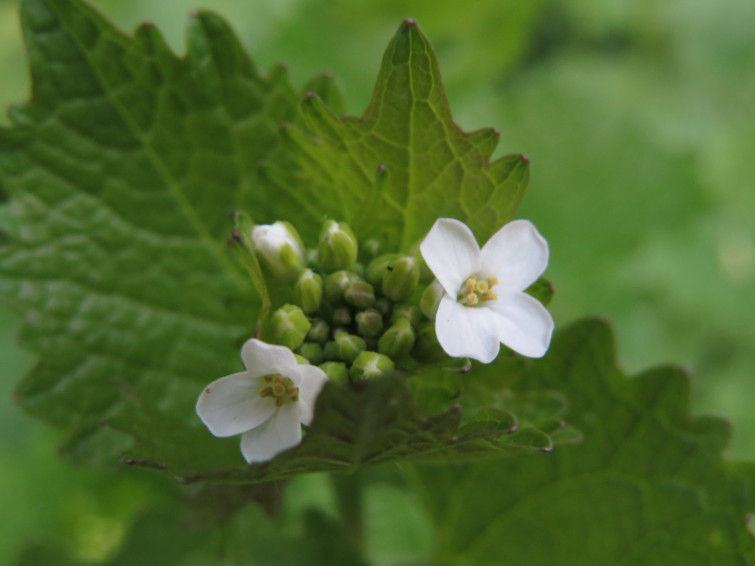
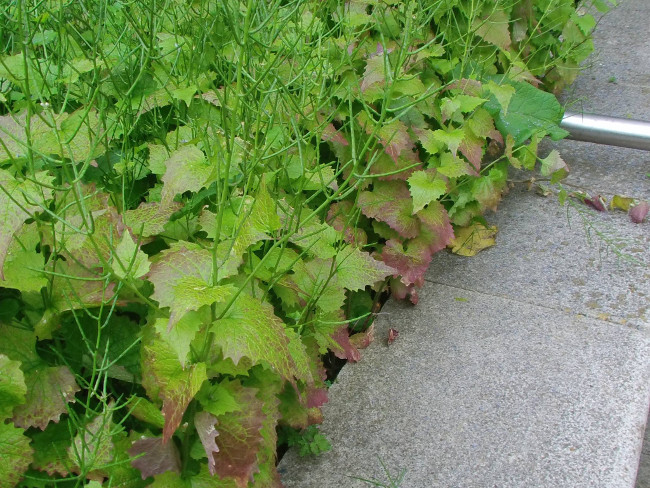
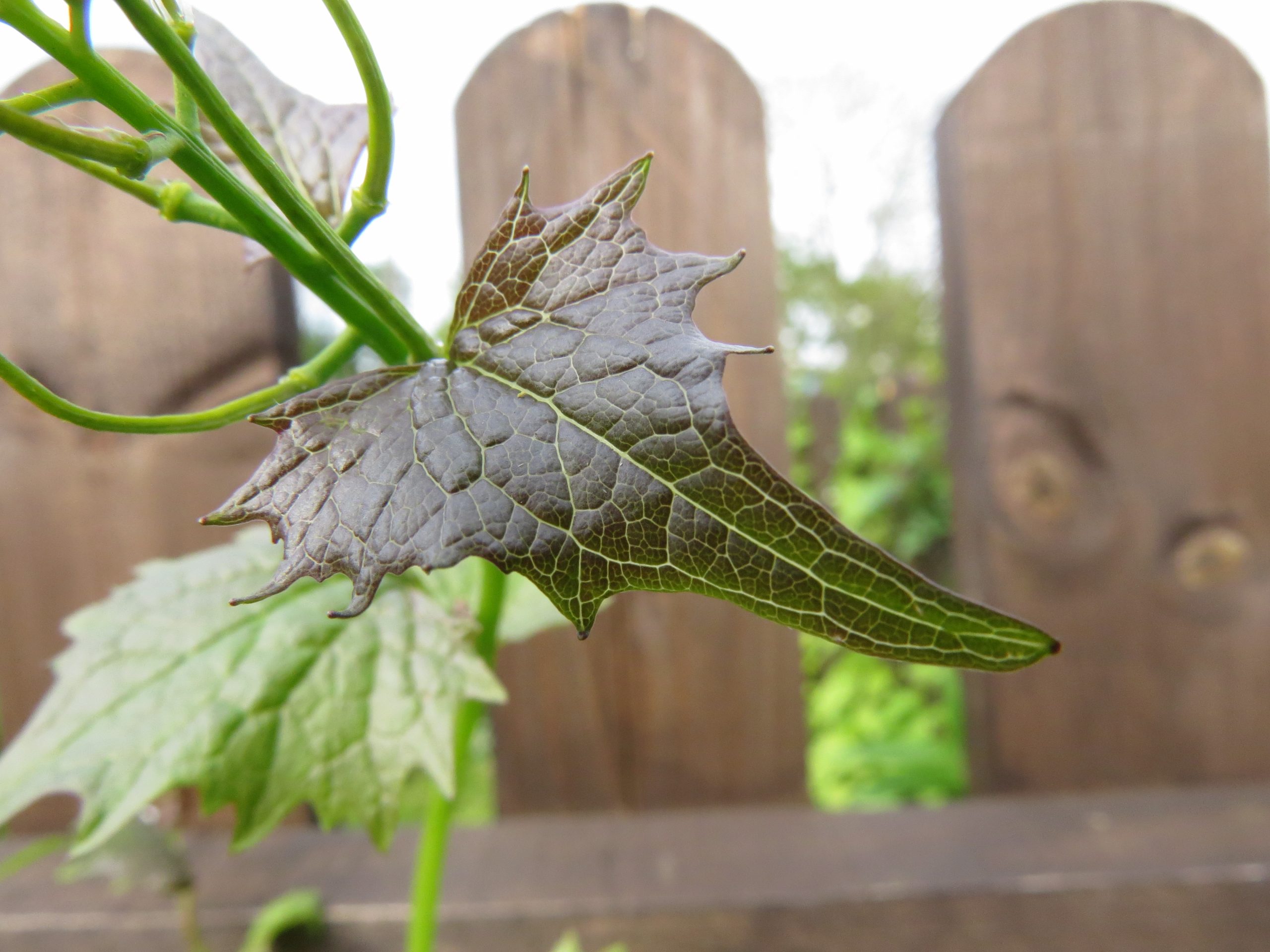
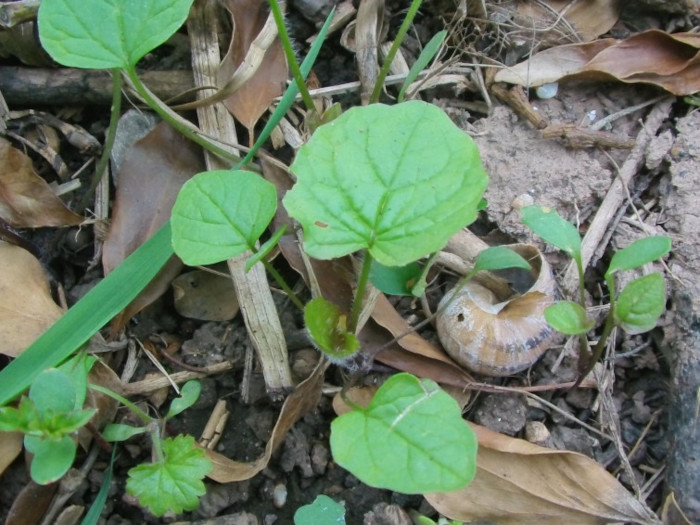
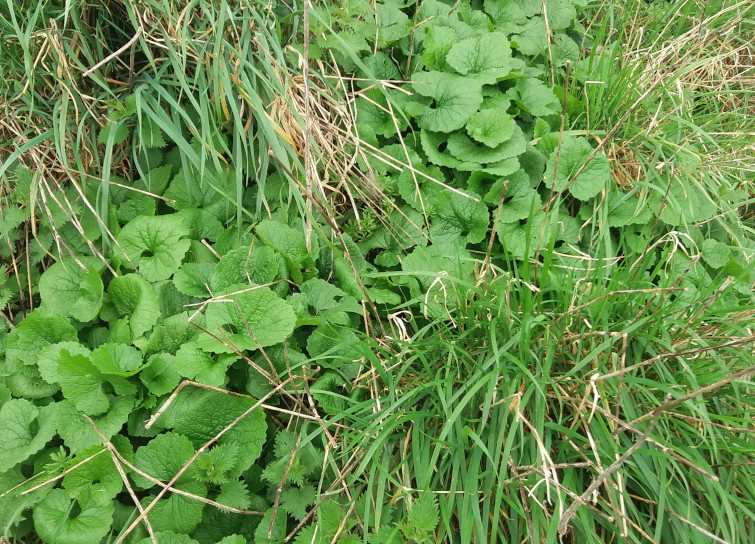
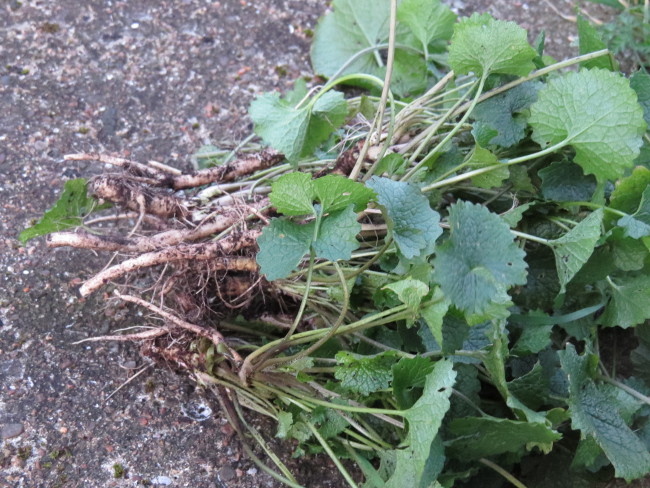
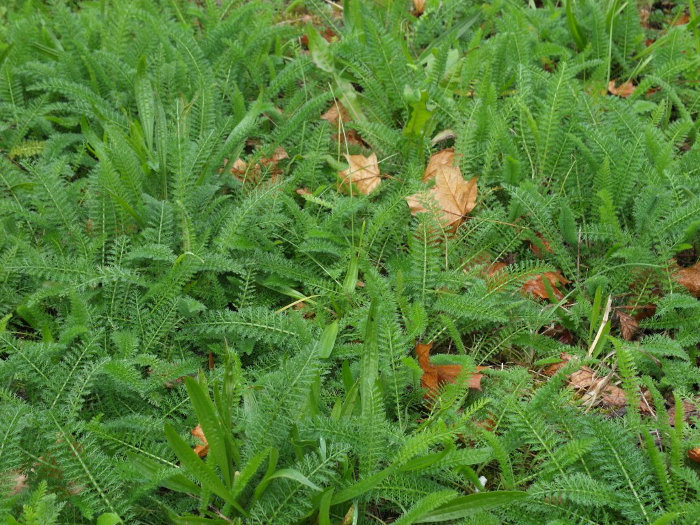
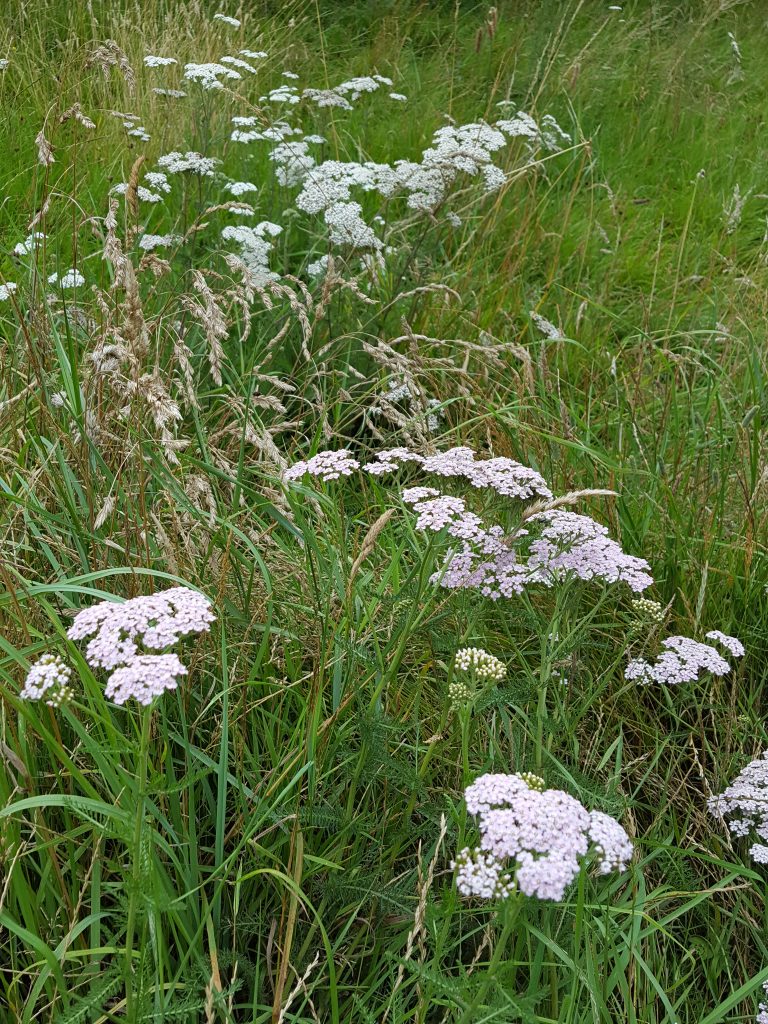
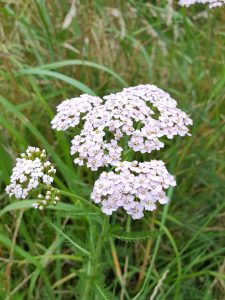
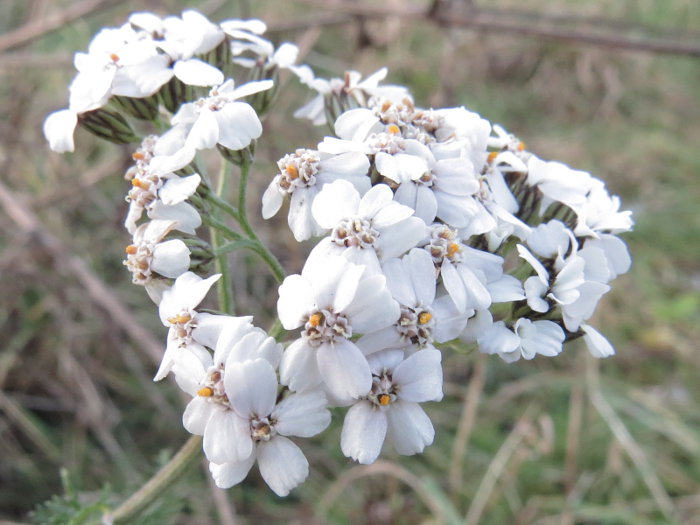
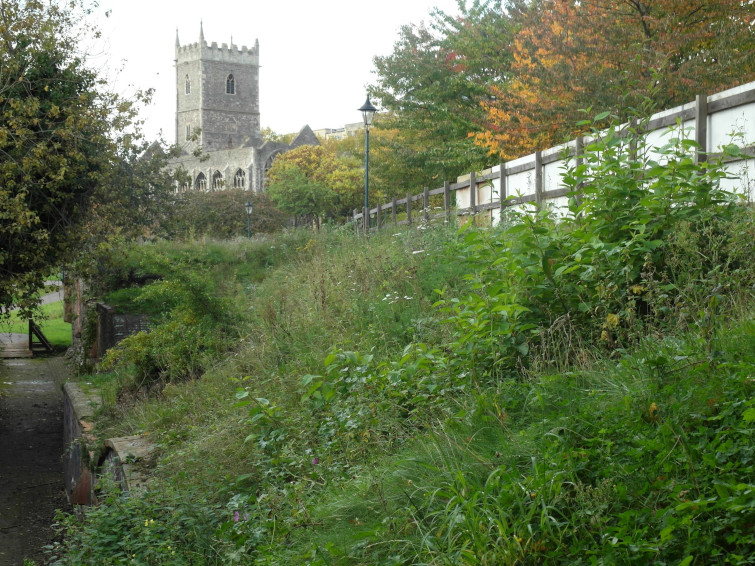
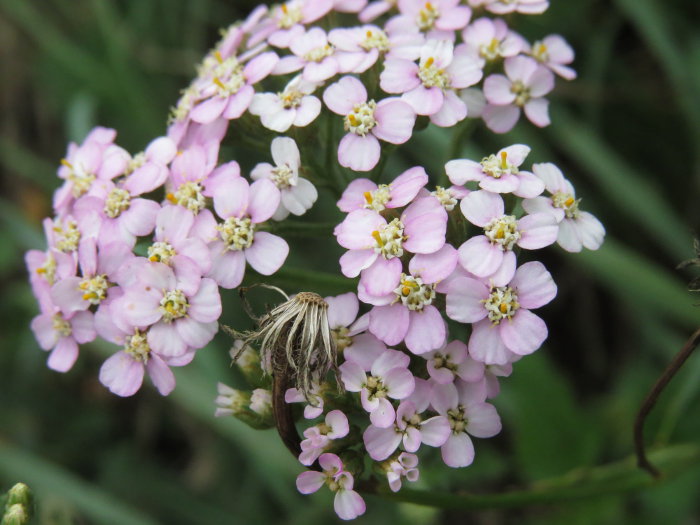
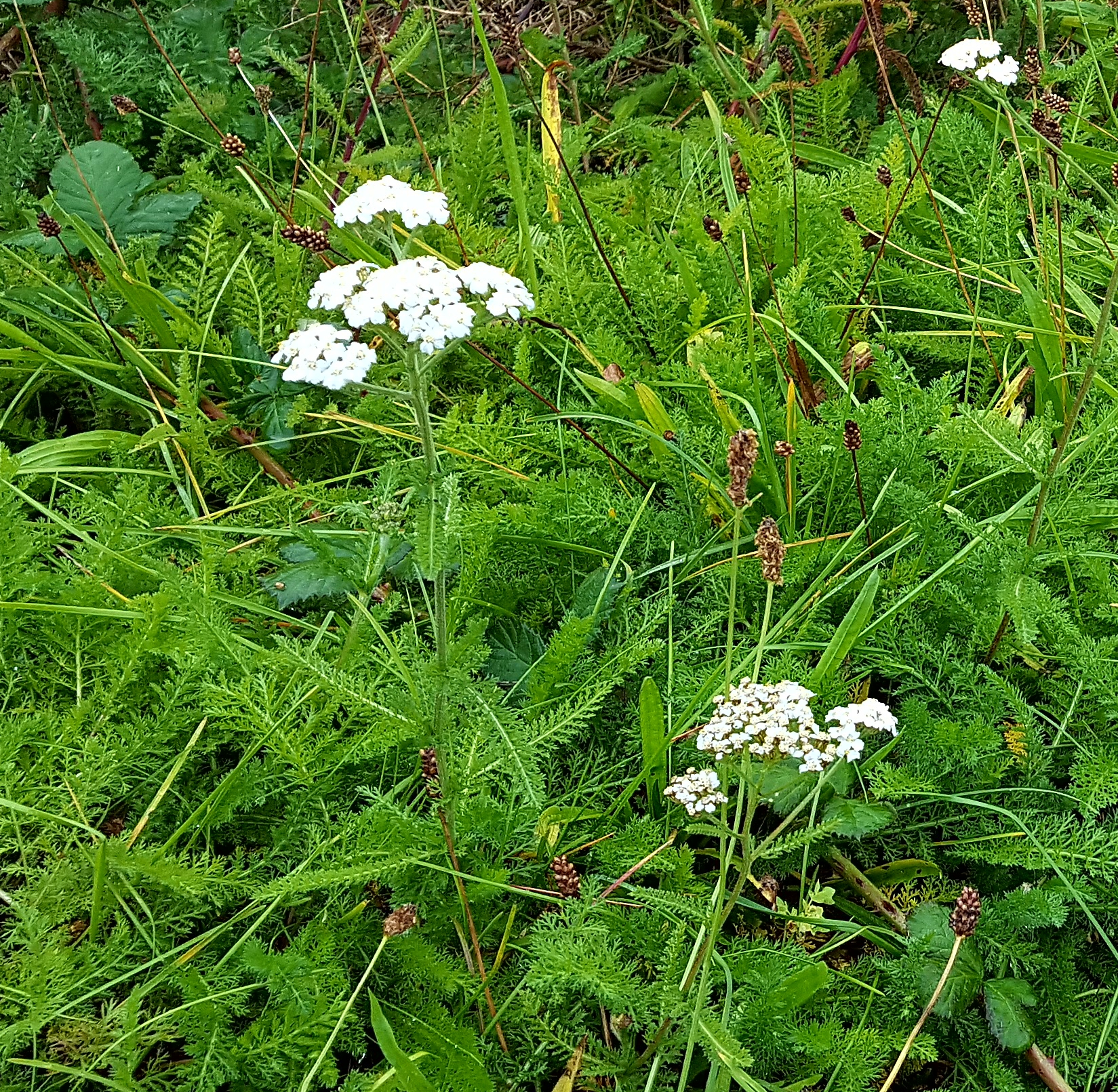

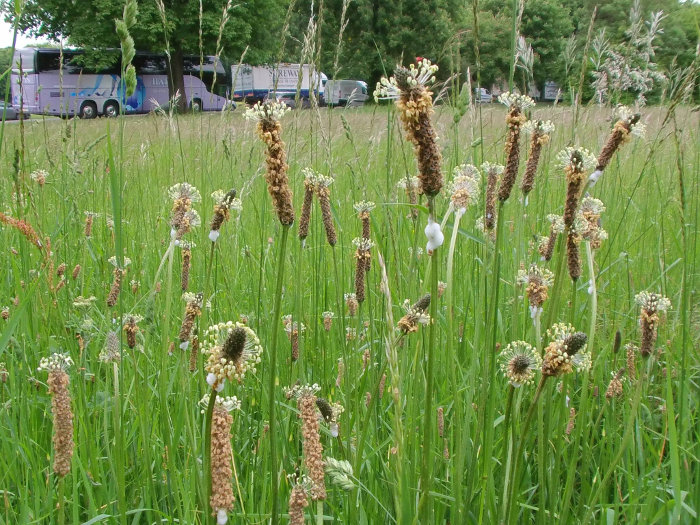
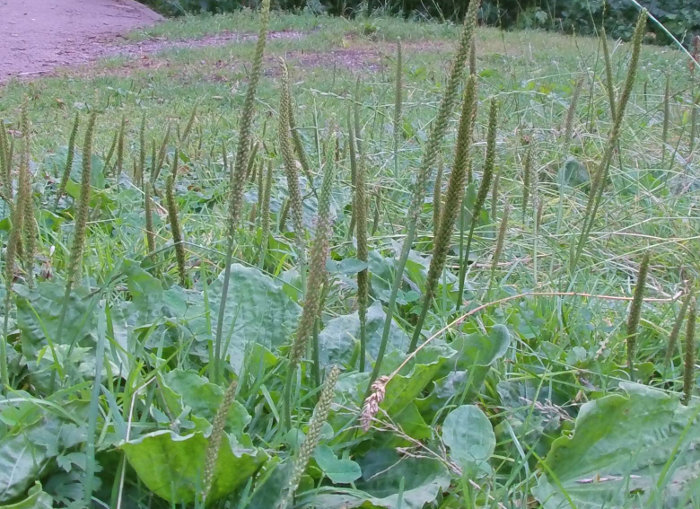
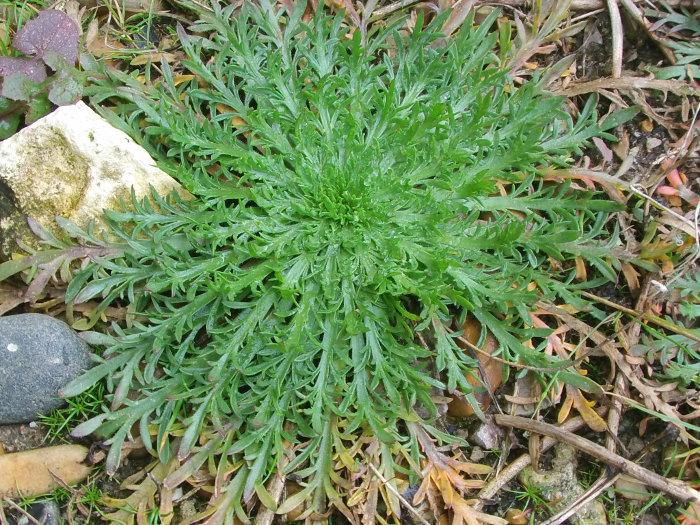

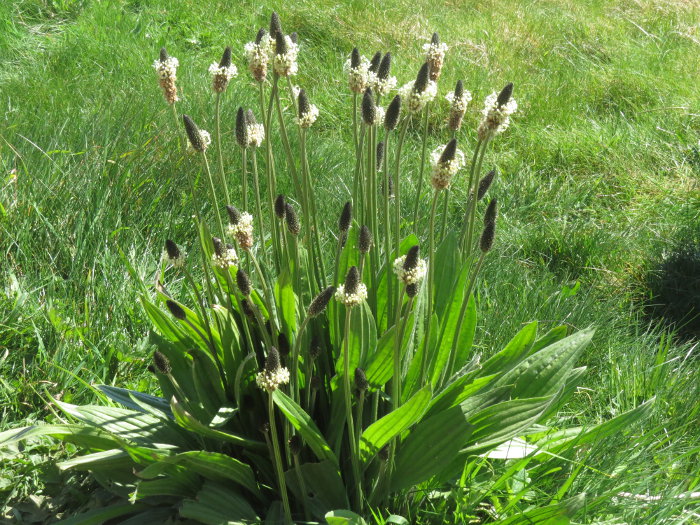 Greater plantain’s inflorescence is larger than ribwort’s, occupying a greater ratio of the whole stem. Whereas ribwort’s flowering stem is often larger in overall size yet with a much smaller, more delicate flower-head than greater plantain.
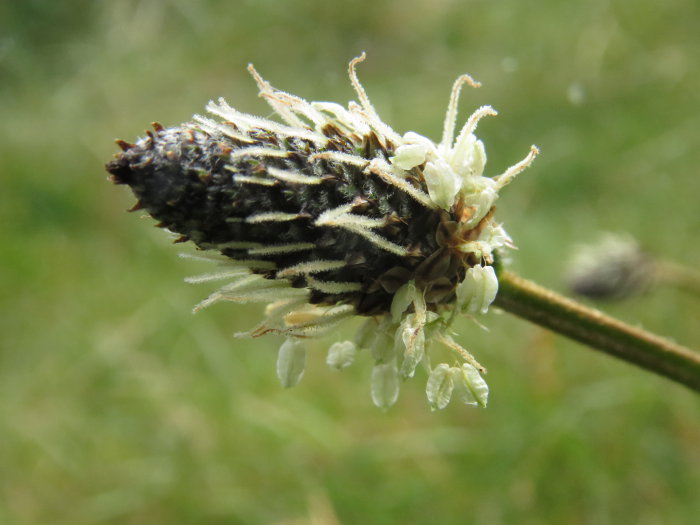
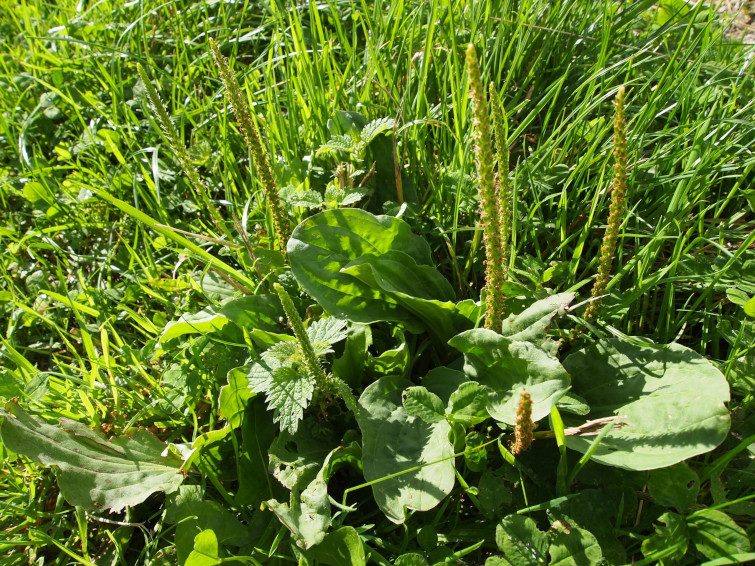
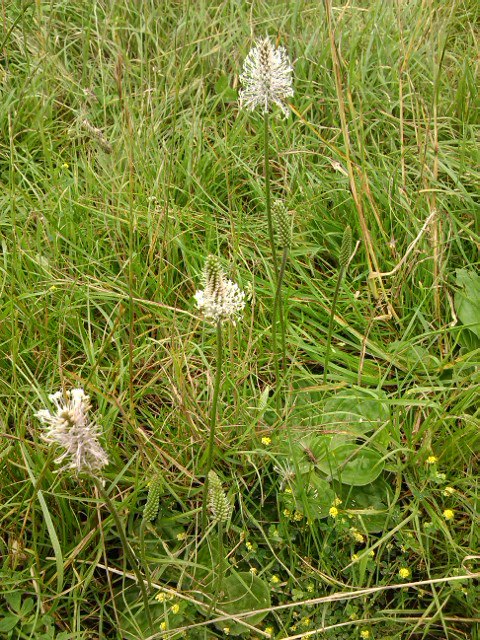 Leaves have five prominent ribs and flowers with purple-tinged stamens. I still confuse hoary plantain leaves with fat ribwort leaves from a glance.
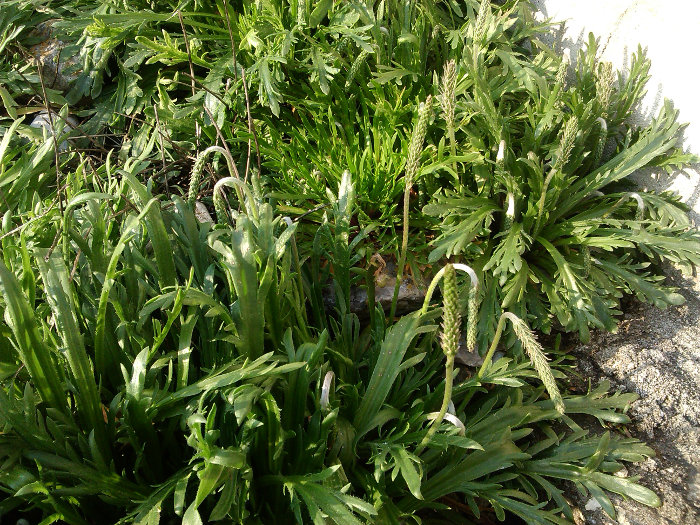
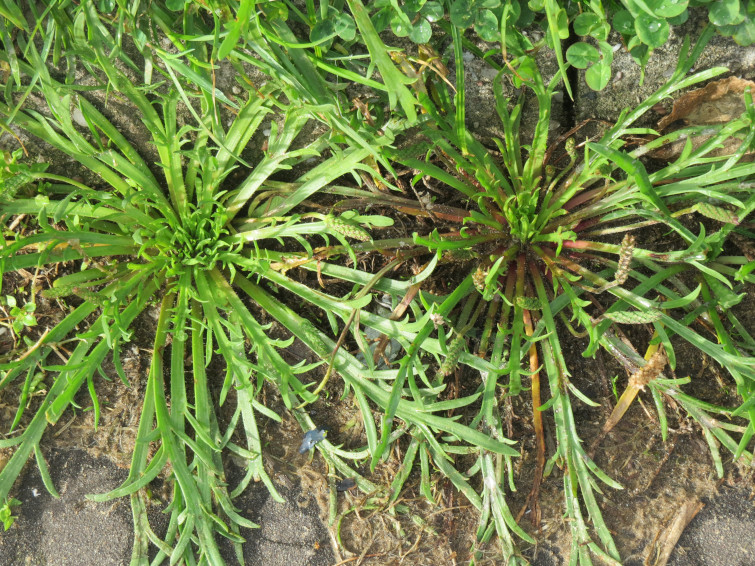
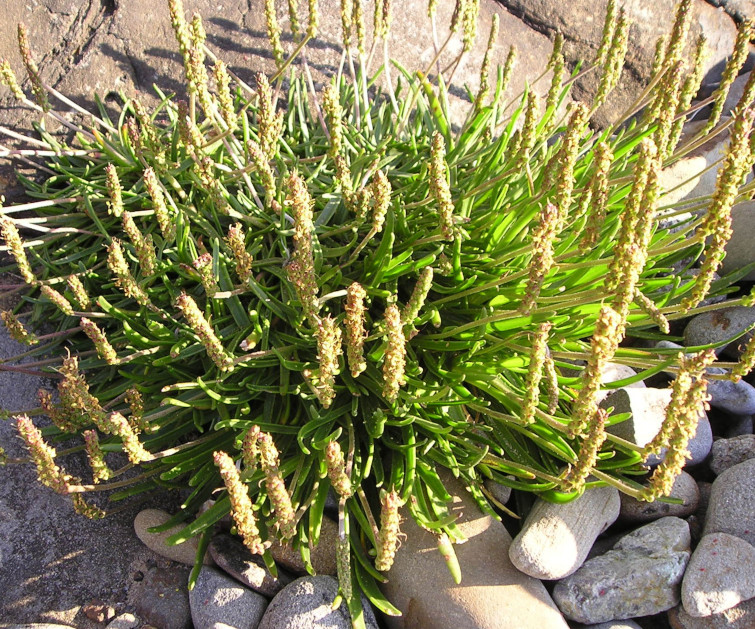 It primarily loves the coastal environment, because the numerous cliffs and estuaries offer many niche habitats for a range of tasty edible plants. Sea plantain will sometimes provide extensive coverage of leaves.

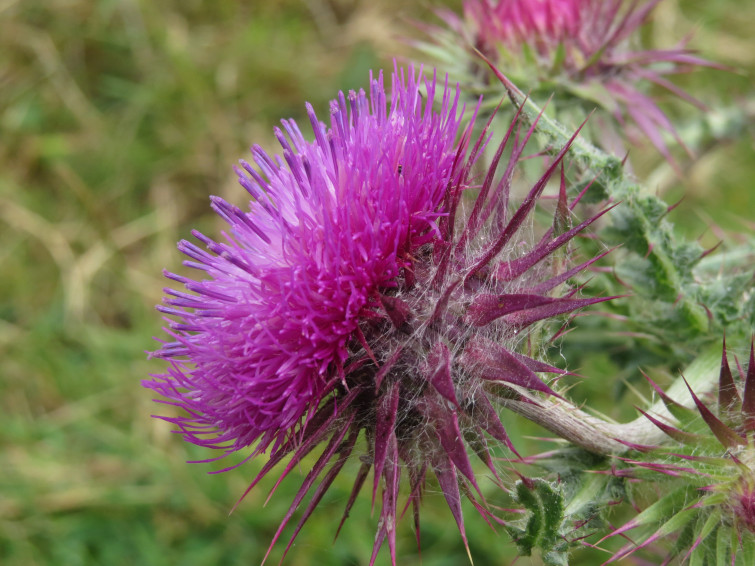
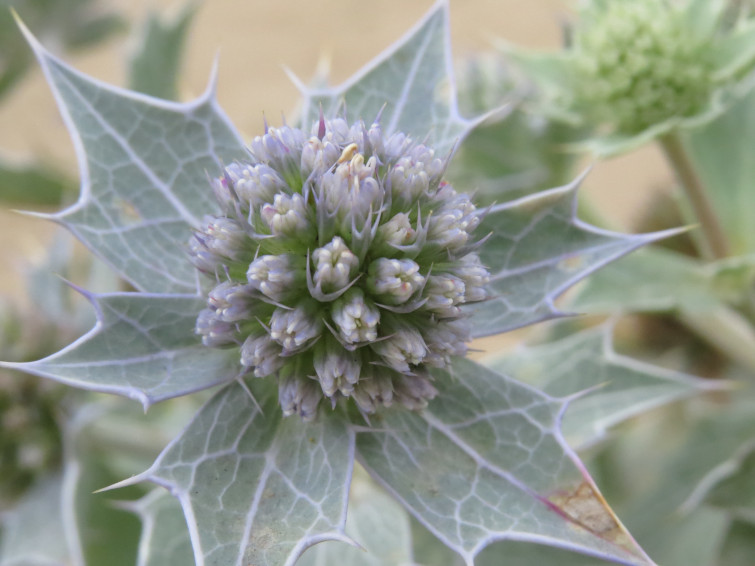
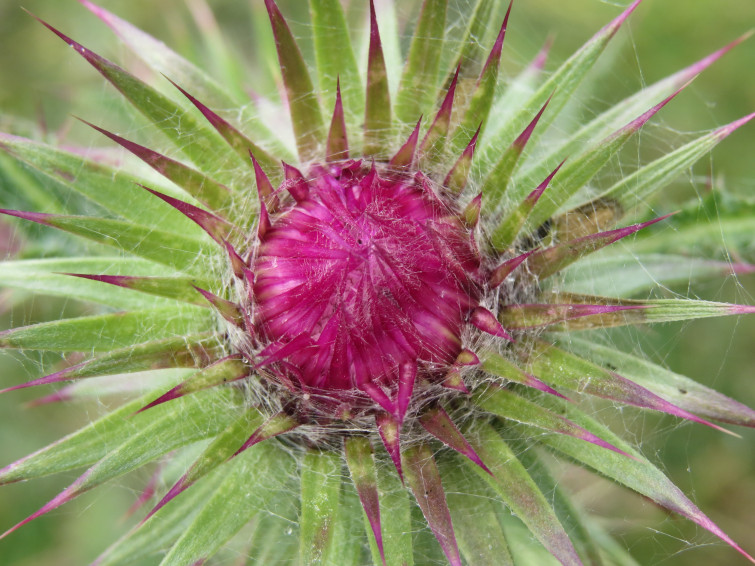
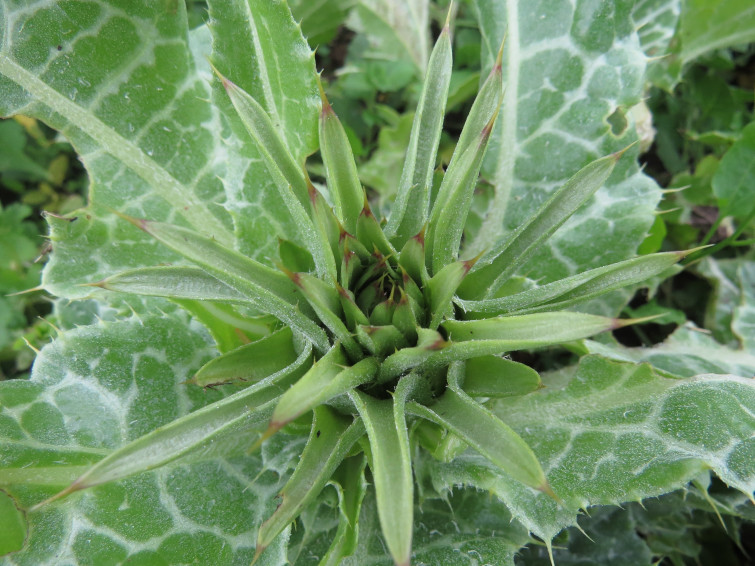
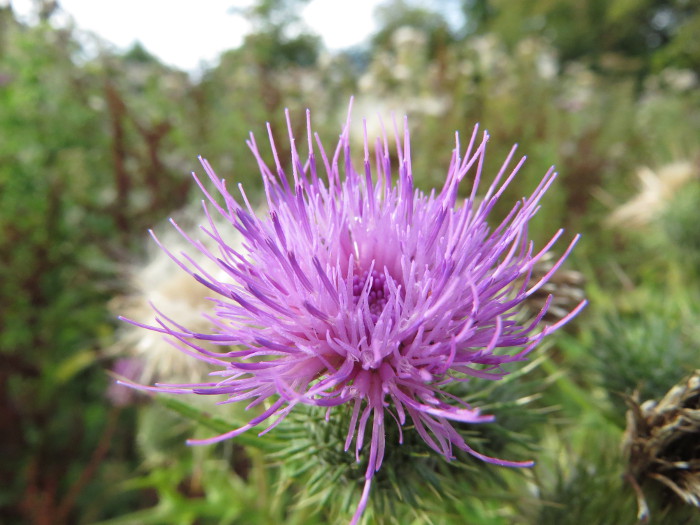
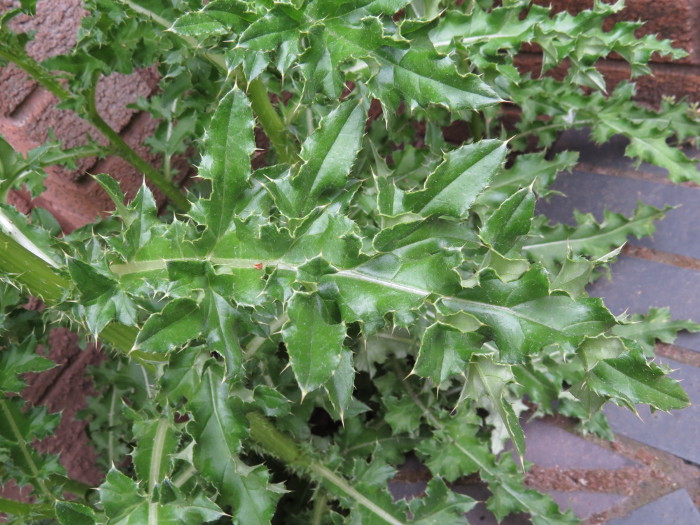
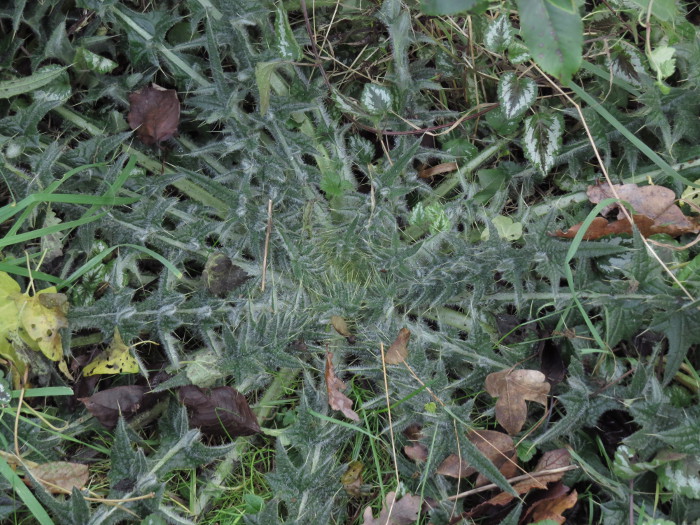
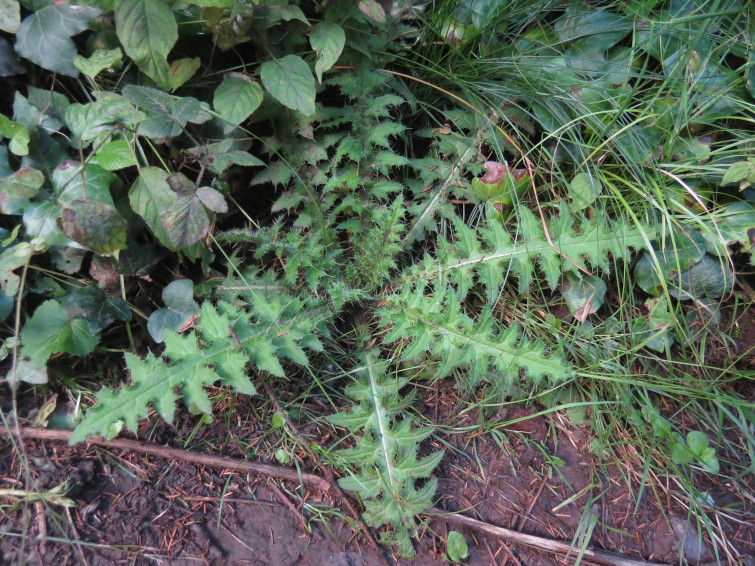
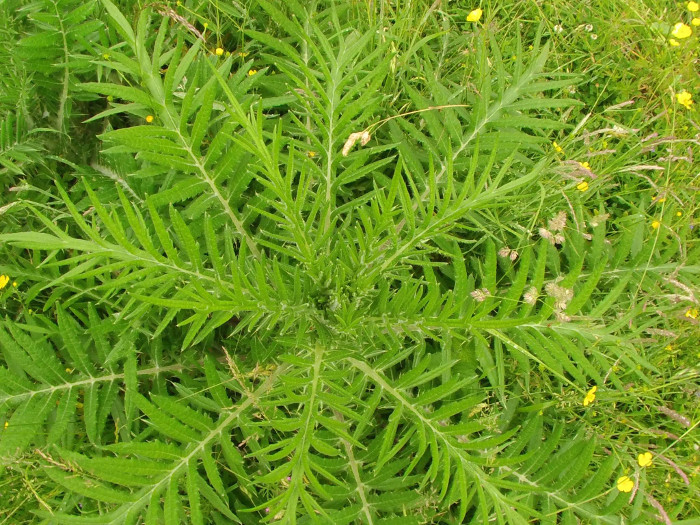
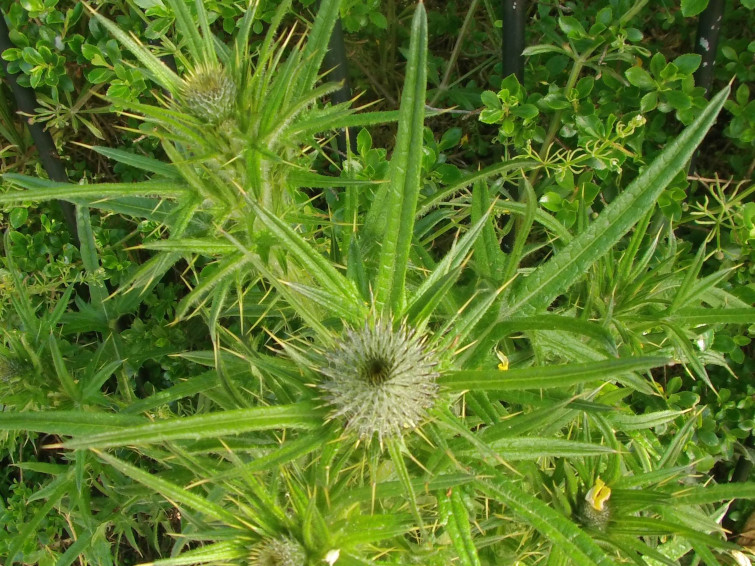
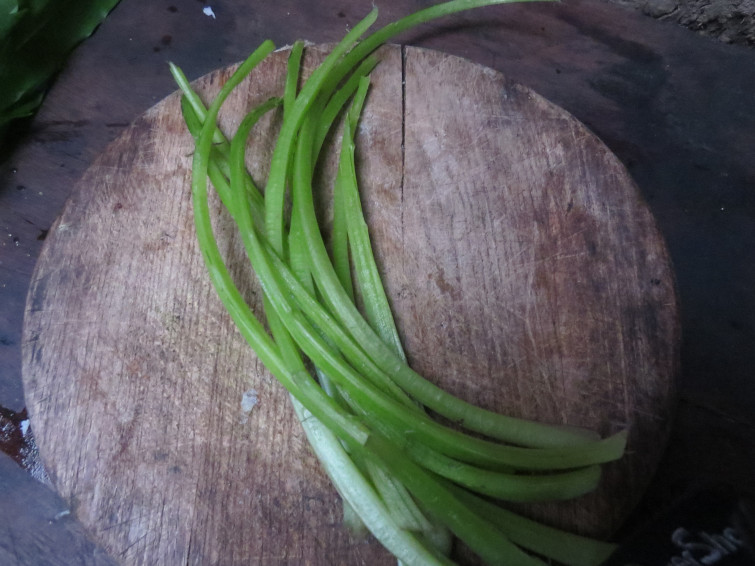
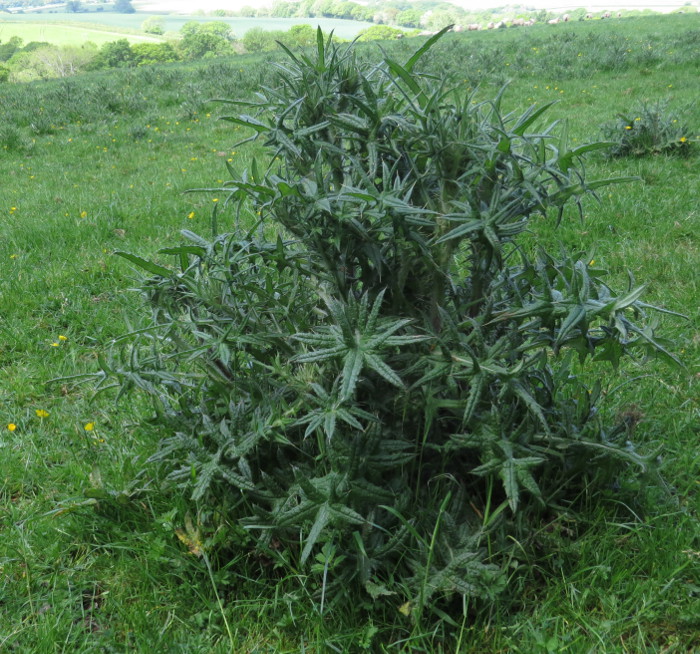
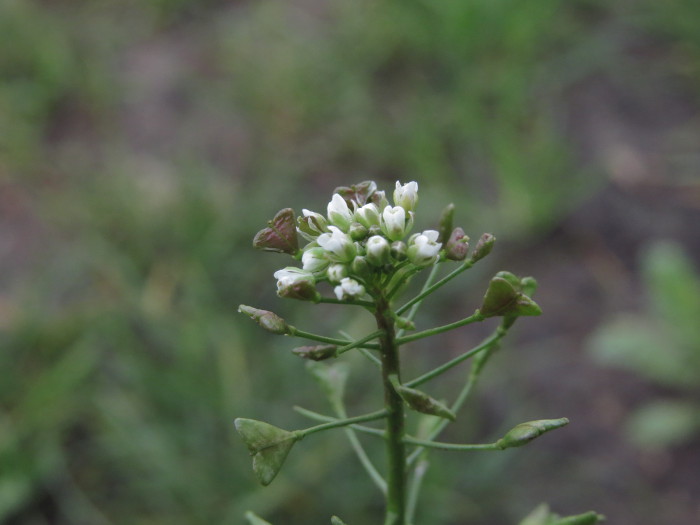
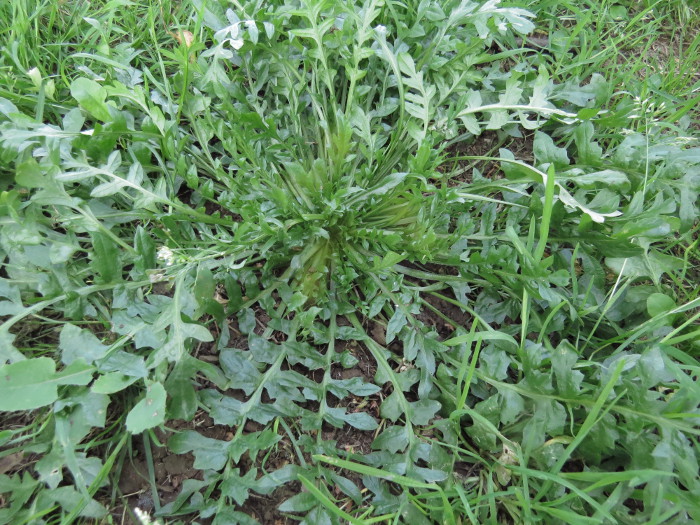
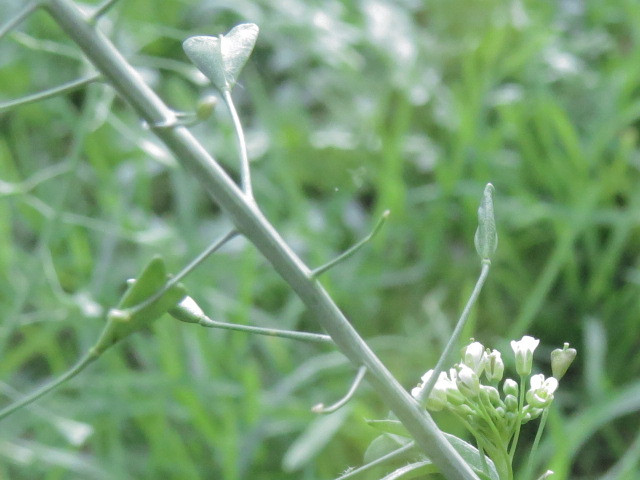
 Pharmacology and uses: Shepherds purse is available almost all year round, so this is one of the plants to cherish for offering us regular, ongoing chances to harvest medicine and food.