A UK plant identification guide to foraging for rock samphire
An exploration of Britain’s southern and western rocky coastlines will often quickly bring us face to face with the unforgettable rock samphire.
You cannot misidentify rock samphire. It smells and looks unique, well, on these shores at least. I have yet to meet another plant that carries its features.
Whats in a name?
The botanical name is fascinating. A quick look at the etymology shows that the generic name Crithmum appears to have roots in the Greek word ‘Krithmon’ – which means ‘barley’. This probably alludes to the shape and size of the seeds.
The species name maritimum points to the only place where you will find the plant. This is one of many examples of why learning the scientific name is a massive advantage when you start learning i/d and go foraging for wild plants.
Rock samphire was formerly well-known and eaten, and in pretty vast quantities too. It fell away from popularity like alexanders did, facing a wide availability of imported and cultivated vegetables.
During the height of its popularity it was also known as ‘poor man’s samphire’.
Harvesting rock samphire was once a means for poorer country folk to make a scant and very precarious living.
It’s not difficult to believe that 400 to 500 years ago, foraging rock samphire was a difficult and dangerous occupation. It basically involved men and boys dangling off cliffs attached to ropes, battling with whatever weather the coastlines threw at them.
Understandably, more than a few people died in the process. Shakespeare famously described the harvesting of rock samphire… “halfway down, hangs one that gathers samphire – dreadful trade”.
 Today’s casual forager of the rock samphire may not know about the extreme trials of the people in whose footsteps they follow. We simply pick the plant for the love of acquiring a unique wild vegetable and spice.
The traces of our rock samphire industry can now only be seen in how little of the former populations remain, compared to how it must have looked in Tudor times 500 years ago.
How to identify rock samphire.
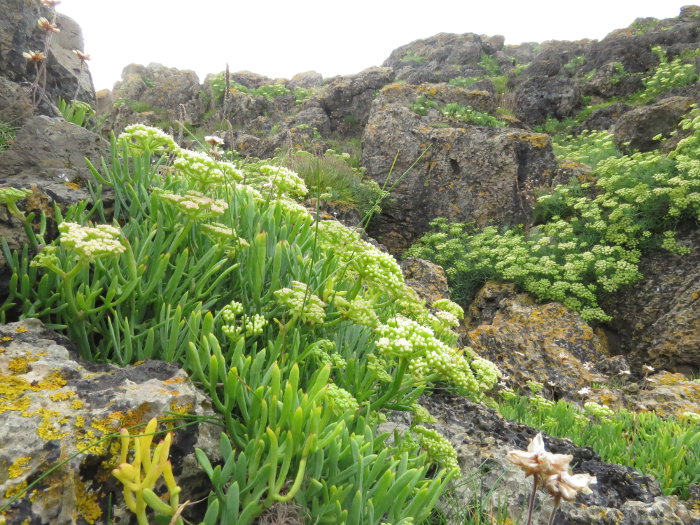
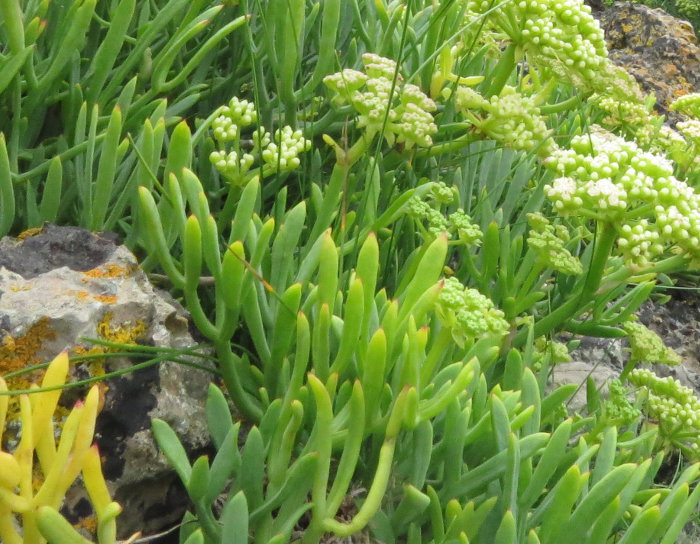
This member of the carrot family is one of the easiest to identify. It has blue-green fleshy leaves growing in an outline triangular shape.
This outline triangular shape is a pattern of the carrot family, as are the tell-tale, repeatedly divided sets of leaflets.
Rather than the typical pinnate leaf divisions found on other members of the carrot family, the leaflets are more or less trifoliate (in sets of three’s). The fleshy leaflets are usually linear-oval in shape, with rounded and occasionally forked tips.
Its leaves are sheathed at the base, like other species in the family. During the colder months, it is common to find the leaf tips with a bronze or red tinge, likely as a result of the piercing cold winds that winter can bring.
Unmissable flowers
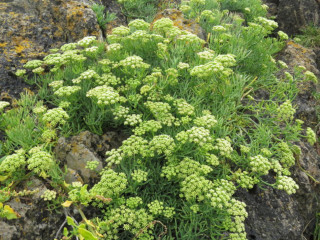
Where it delights to grow, the yellow flowers of rock samphire appear in profusion. Masses of yellow flowers appear on rock samphire during the summer months.
Due to global heating, you will probably find rock samphire in flower much earlier than field guides will suggest.
Its flower stems are solid, unlike many relatives that are found here. The majority of carrot family plants have hollow stems. As a member of the Apiaceae family, it will produce the typical compound umbels.
The compound umbel typically has more than 12 rays, and the flower heads reach approximately 15 – 20 cm wide.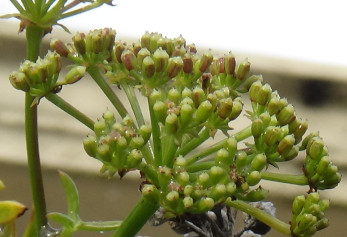
The compound umbel has narrow bracts below and the individual umbels have bracteoles. Common to the carrot family, the flowers have five petals, approximately 2 mm across.
Its seeds are plump and often are oval-shaped, about 8-9 cm long with thick vertical ridges. Eventually, they turn brown when ripe.
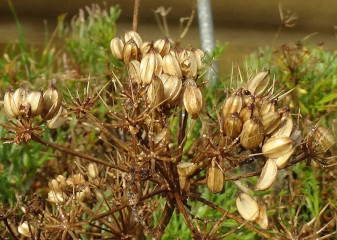
All parts of the plant are aromatic, especially the seeds. I would describe the smell as being a cross between carrot, citrus, celery, and parsnip.
This plant is another safe umbellifer for beginners to forage for. Just like with alexanders, there really aren’t any plants that it could be mistaken for.
It’s worth repeating that your sense of smell and touch, and taking conscious note of place(landscape and soil), are all as important as closely observing plant dimensions, features, and colours.
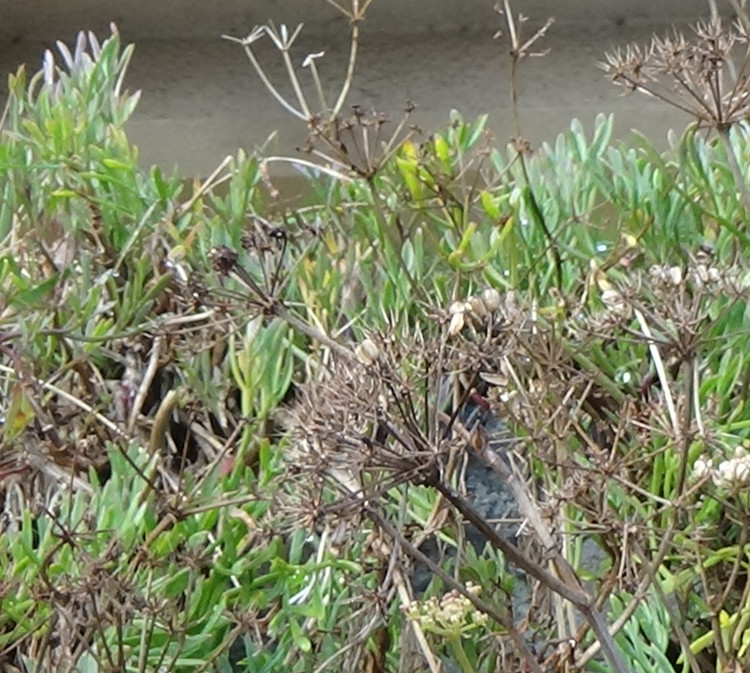
Being evergreen means you can go foraging for rock samphire at any time of year. When starting out, it’s well worth visiting the plants in the dead of winter as well. Seeing plants at this time of year is often like seeing them with fresh eyes.
Lookalikes
In terms of look-a-likes, there really isn’t any danger, because of everything mentioned so far. However, one of the water dropworts, namely the much less common Parsley water dropwort (O.lachinelli) can occasionally be found in and around rock samphire.
This particular plant also displays narrow leaflets and is also only really found in coastal regions, where it enjoys brackish water.
Have no fear though because rock samphire has much thicker, fleshier leaves, without the pinnate leaf divisions. It has yellow flowers, not white, and lastly but most importantly, rock samphire smells totally different!
With this particular family, if you don’t take note of the subtle chemical clues, you are missing out on vital information.
Habitats to look in when foraging rock samphire

Rock samphire is a coastal specialist and won’t be found too far inland. It is a lover of the numerous crags and shelves on rocky cliffs, and will also be found on shingle beaches.
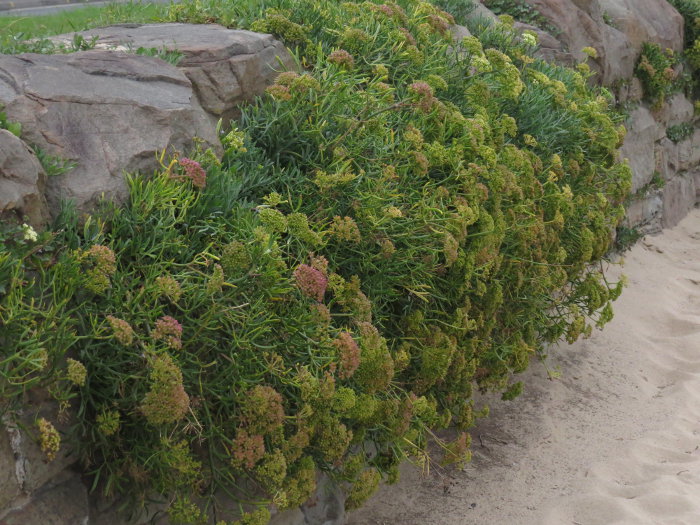
You will find the plant freely growing on walls and stonework by sandy beaches as well as lavishly decorating harbour walls. As its name suggests, this plant isn’t really bothered about the type of soil.
Generally, it won’t be found much at all on the eastern coasts of England, which tend to be much more sandy. As a rule of thumb, you are likely to encounter rock samphire in the UK from Suffolk, clockwise around the coast, to the Scottish Hebrides.
Check out this distribution map from the brilliant online flora of Britain and Ireland for more details.
Harvesting
The best leaves are found in the height of spring. Traditionally, the harvests in the Isle of Weight would be peaking in May.
In many southern places you can start gathering from early spring, and in places like Torbay, I can harvest in February.
The leaves are usually happy enough to come away with a pinch of the fingers, but a sharp knife will speed things up.
You can harvest leaves at other times of year but they are going to be tougher and stronger in flavour. I use the spring leaves as a vegetable, and at other times use the leaves for pickling.
Culinary uses
The plant was formerly and perhaps most famously used as a pickle. Barrels of rock samphire were packed off to London for trade in the markets and for sales on the street.
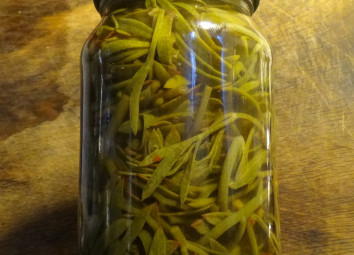
For a tasty pickle, simply dry salt for a few hours (to help retain its crunch), and place in a spice-infused vinegar of your choice. I often heat up the samphire in the spiced vinegar, as this quickens the infusing.
I like to add mustard seeds, peppercorns, a few cloves, a couple of bay leaves, and some chili flakes in the vinegar infusion.
As a vegetable, I find its best to prepare and cook it quite simply. During the spring and summer months, you may be able to use all of the leaves, including the stalk. But in the autumn and winter, I tend to snip off most of the leaf stalk, which otherwise can be too fibrous.
To cook, I generally par-boil in salted water for a few minutes, then fry in butter or olive oil for another two or three minutes. Cooking this way helps to dampen the strong aromatics, which are not to everyone’s palate.
Cooking twice in water will further reduce its bitterness while frying in oil or butter off-sets and compliments the taste. The flavour of this plant, like all other plants, can be affected by the growing conditions prior to harvesting.
If you are interested in learning more about the practical skills of wild food foraging, then my beginners guide to foraging, upcoming online courses, and new one-to-one foraging mentor membership, may be of interest.
Happy foraging!.
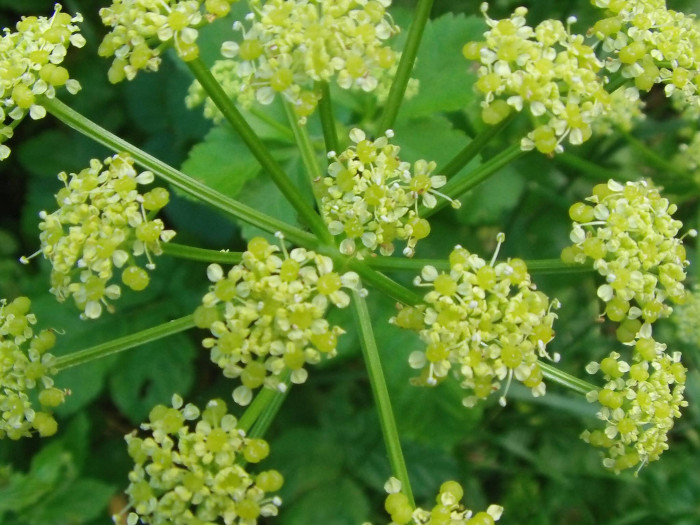
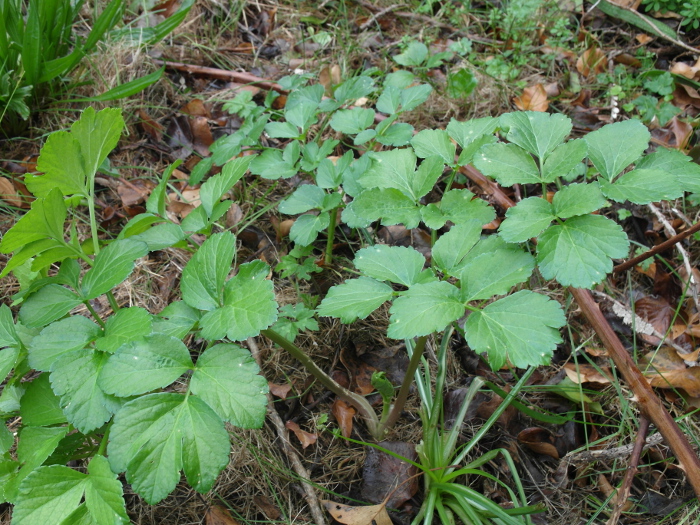
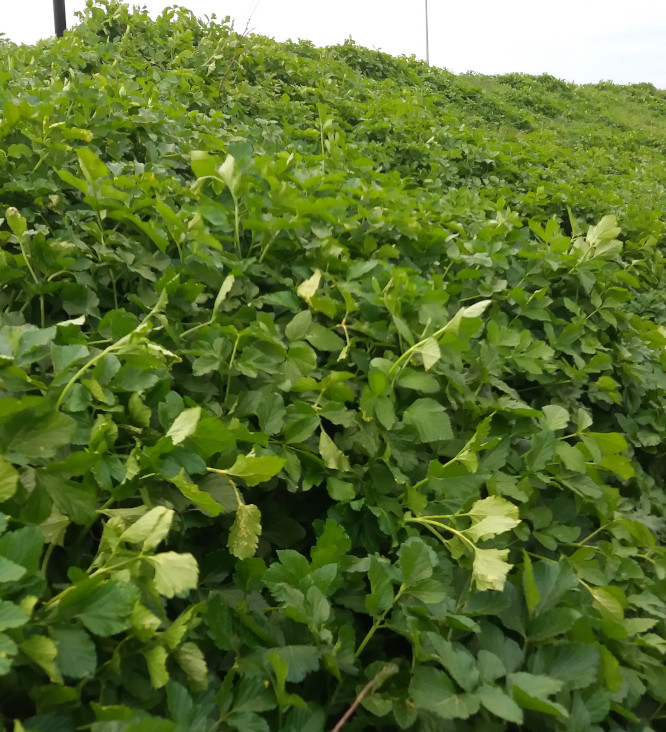

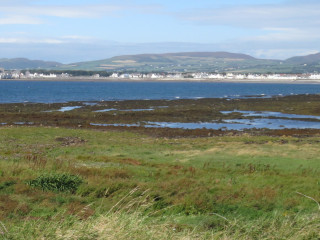
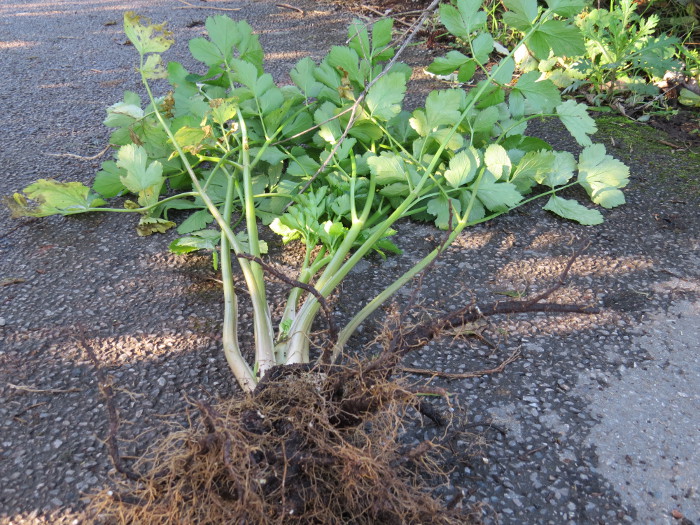
 Permaculture designers looking for easy yielding plants, as well as us foragers, can utilise this vigorous growth and its other useful competitive advantages.
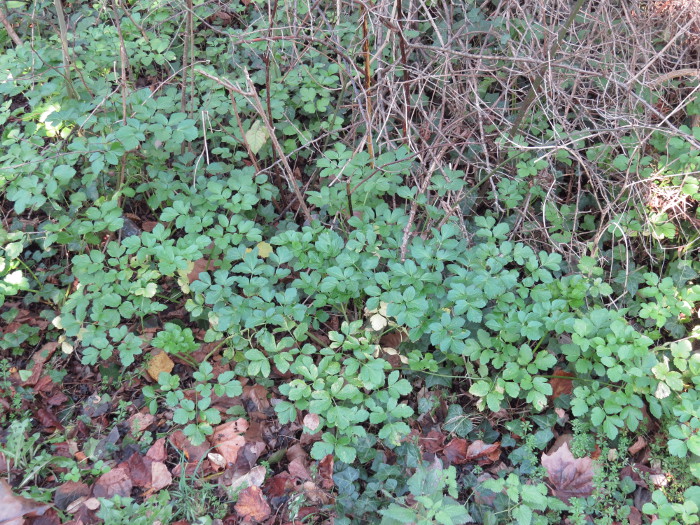 And while it is also true that a number of the umbellifers are deadly poisonous, alexanders offers the curious beginner a safe introduction to identifying these notoriously difficult plants.
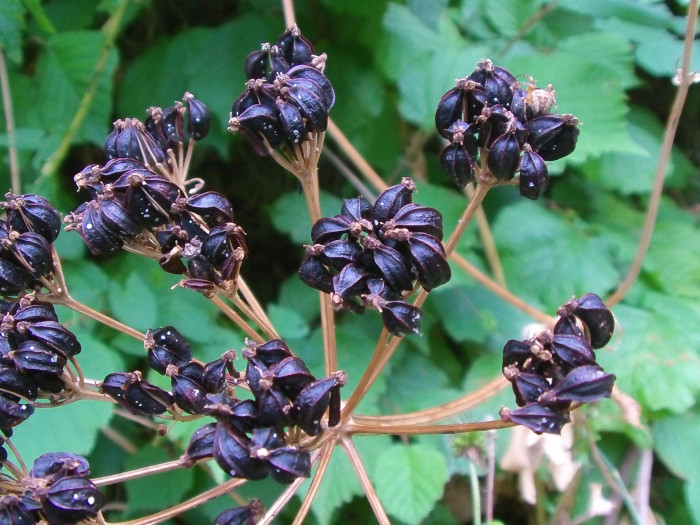

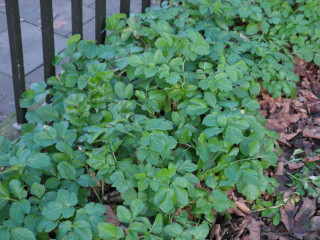
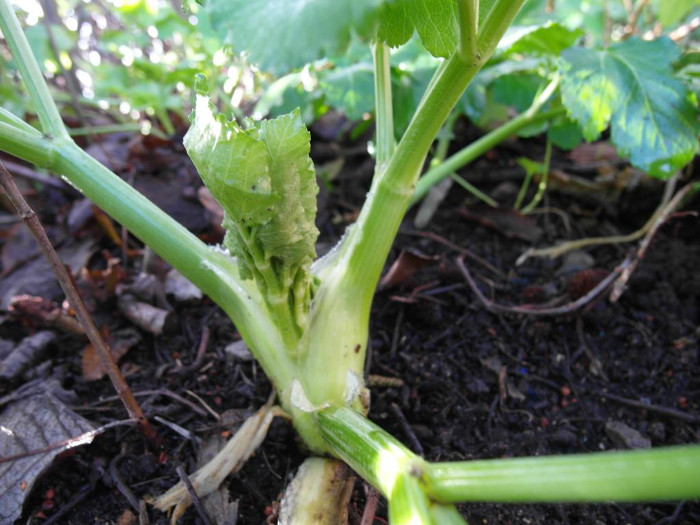
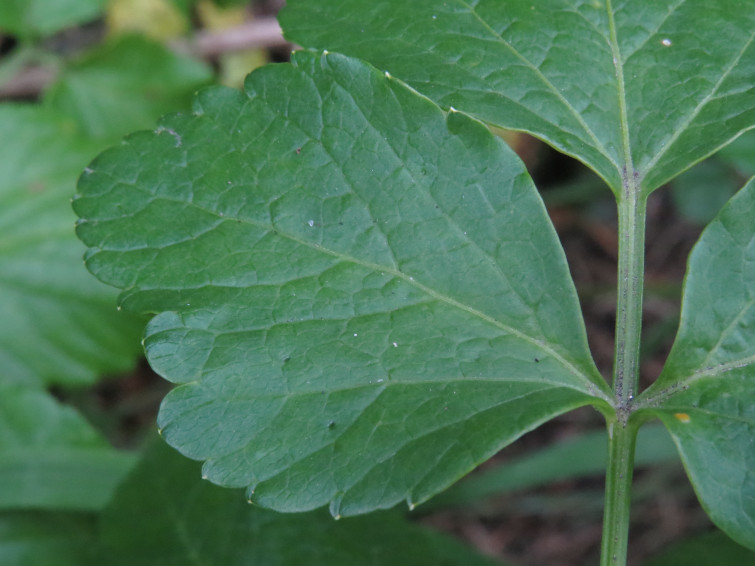
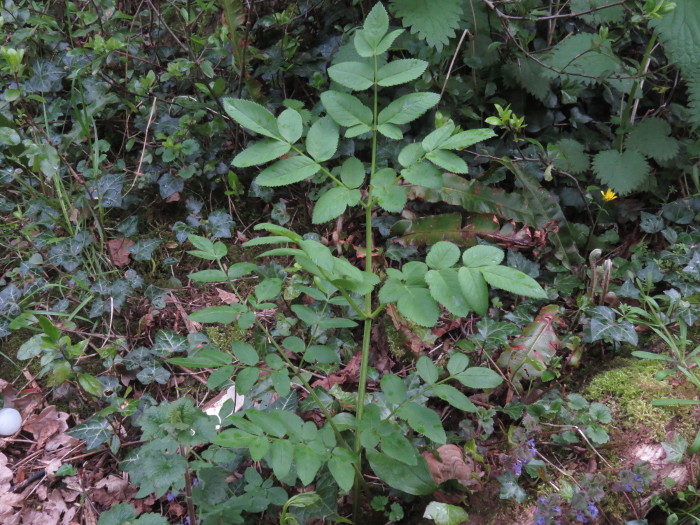
 In contrast, fully grown angelica leaves will show 3 to 4 pinnate divisions, typically with a purple tinge to each leaflet margin as well as the leaf stalk.
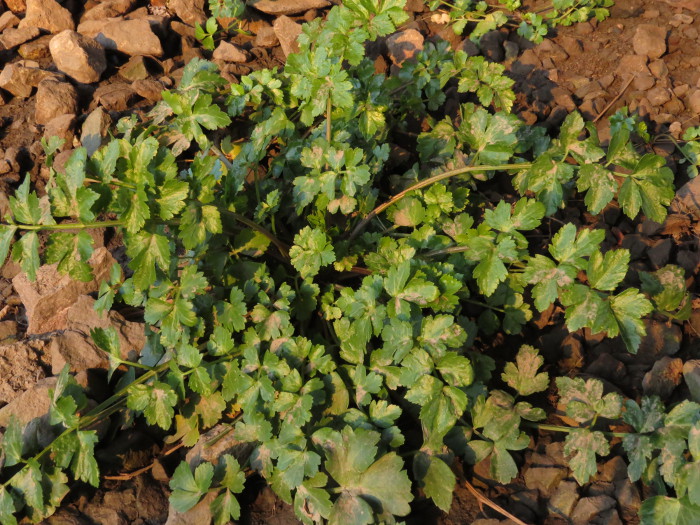
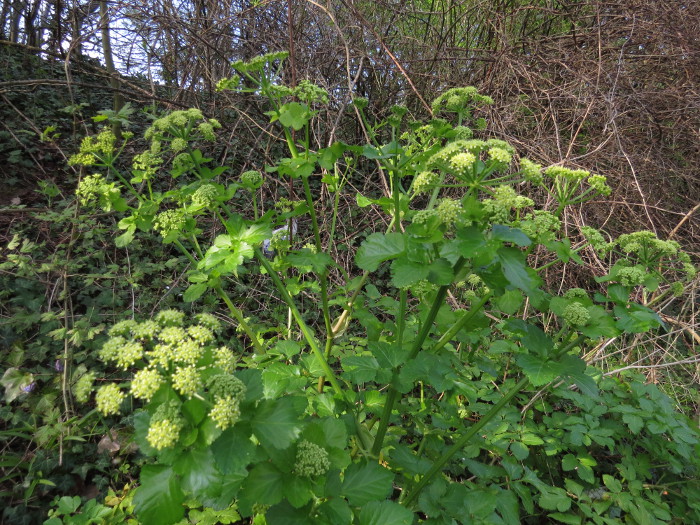
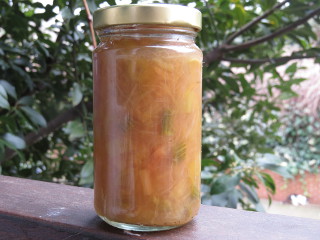

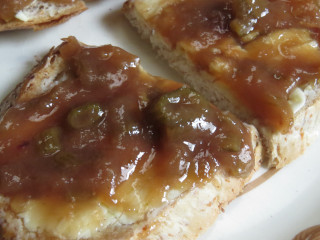
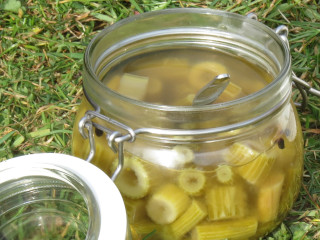




 The leaves are at their best during the spring flush of new growth when its new stems are still tender.