Find out what to look for and where to look in this in-depth urban foraging guide.
Most of us now live in urban environments, so knowing where to safely forage in towns and cities can help you bring exquisite gourmet foods to the table.
Over the years I have got to know many of the towns and cities here in Britain and I offer great one-to-one mentoring, so am ready, willing and able to help your urban foraging today!
Urban foraging does not often provide mile upon mile of fecund hedgerows. Yet they can have relatively quick and easy access for residents to escape to neighbouring rolling hills, vales and woodlands. Bristol is a great example.
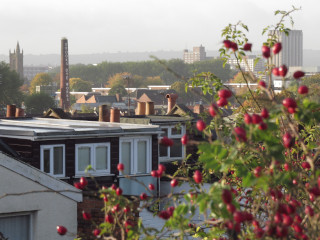
Our towns and cities certainly harbour enough diversity of habitats, and with it, a large range of species. Enough in many places to provide you with the plants discussed here. Don’t forget to use the foraging glossary if you need it!
Before we get on to specific places and the likely suspects to forage for, it’s worth thinking about the different habitats and what they mean to the forager.
Urban foraging habitats. “We know where you live…”
When you first start to research about where to forage in towns and cities, you will soon discover that habitat knowledge and identification acts as a springboard to your plant i/d. An understanding of our landscape, either natural or man-made, with its various bedrocks, soils, and climates, is an ancient and most profitable art.
Knowing what terrain you are walking in, immediately refines the possibilities of what you can expect to find.
In towns, this means knowing the little protected pockets, back alleys, streams, railway embankments, parks and cemeteries. Alongside this, we need an awareness of the micro-climatic effects of the concrete urban sprawl.
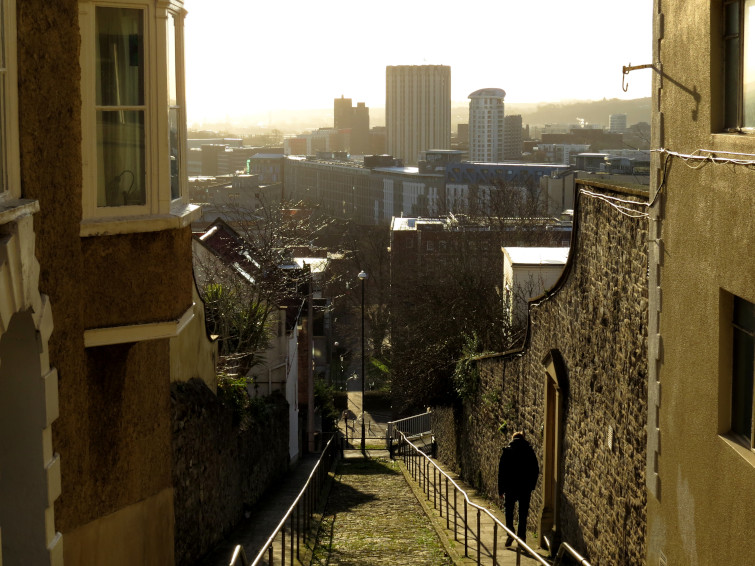
We are all aware of the distortions in natural phenomena such as wind speeds and temperatures that are created within the urban environment. This will affect which plants can grow in certain situations and can affect harvesting.
Numerous south-facing sites can be found in towns. The extra solar radiation and warmth of these places always bring heightened productivity.
The numerous banks and verges facing sunwards are found all over the place. Interestingly a south-facing slope of just 5˚ will provide plants with increased photosynthetic radiation. This is equivalent to living approximately 400 miles further south (with all the likely positive effects on yields that brings).
Foraging in towns and cities can offer unique opportunities. Often there are extended supplies of fresh edible and medicinal leaves, due to regular trimming and mowing operations.
In towns, a ‘heat island’ effect also provides extra warmth, and here the season by season foraging calendar can seemingly undergo a transformation to one of mini-cycles of leafy growth, interspersed with flowering, from wherever plants are lucky enough to escape the chop!
Know your area, do some historical research
A little historical knowledge of your local area will go a long way in helping you become an urban foraging maestro. Any city or town of sufficient age will likely have remnants of ancient agriculture within its boundaries, or close to, offering clues to the plants you will see.
It always pays to know the history of where you live, because local knowledge can be useful for any number of reasons. When you are travelling around South-East London for example, it will soon become apparent that there are a great number of fruit trees and other remnants of the North-West Kentish fruit orchards in that particular area of the once famed garden of England.
So the point is that its worth doing some research before you leave your door. If you don’t know the history of your area you may well miss out on ‘chancing’ upon harvests.
Prime urban foraging habitats
Take a look at some likely urban foraging habitats and settings that are worth exploring, and to that mind that applies to you in town or country.
Walls, fences, and boundary edges
Plants always grow happiest from any spot that provides satisfactory conditions which replicate their natural surroundings.
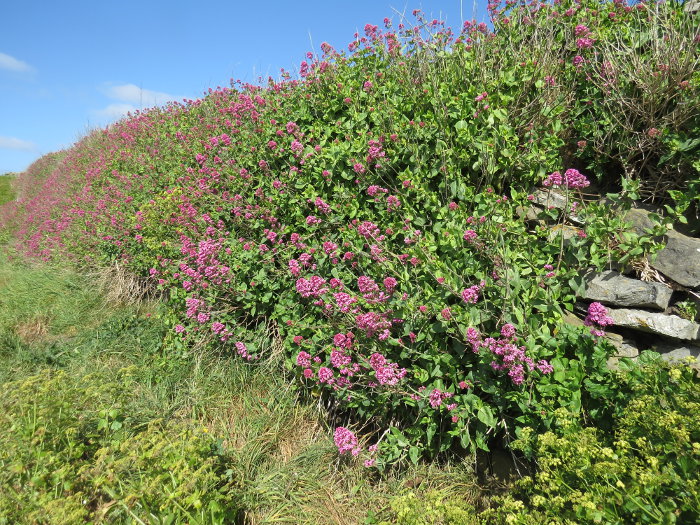
The red valerian (Centranthus ruber) comes from the rocky coastlines of the Mediterraneaen sea, and so when it finds a lovely stone wall, especially if it’s near to the coast, then eventually the plant will grow from any nook or cranny!
For example hops (Humulus lupulus), can be spotted in many country settings and urban streets in Southern Britain. It generally climbs by twisting around supporting plants, string or wires.
Hops can also reach high up the sides of large buildings, such as the one I spotted on the Iceland supermarket next to Peckham Rye train station in the heart of urban South East London. This specimen was thriving from an established rootstock, and was easily attaining heights of more than 10 metres. It was dripping with aromatic medicinal flowers come the autumn!
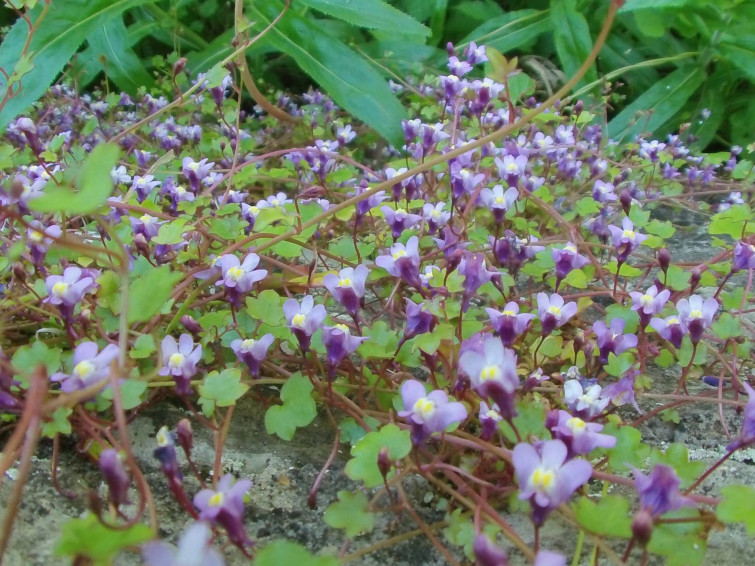
Aside from hops and the regular tangled profusion of ivy, brambles (Rubus spp), roses (Rosa spp), and honeysuckles (Lonicerum spp), you will also find the edible, if bitter, ivy-leaved toadflax (Cymbalaria muralis), with its 2-4 cm wide reniform leaves and dainty little white flowers, passionfruit (Passiflora spp), bittersweet (Solanum dulcamara), and ‘old man’s beard’ (Clematis vitalba) enjoying walls, fences and boundary edges.
These are all naturally sprawling, climbing species. Passionflowers are easily and repeatedly found, voraciously scrambling up and spilling out of private gardens. The grabbing ability of their long tendrils helps it put on lots of growth in just one year.
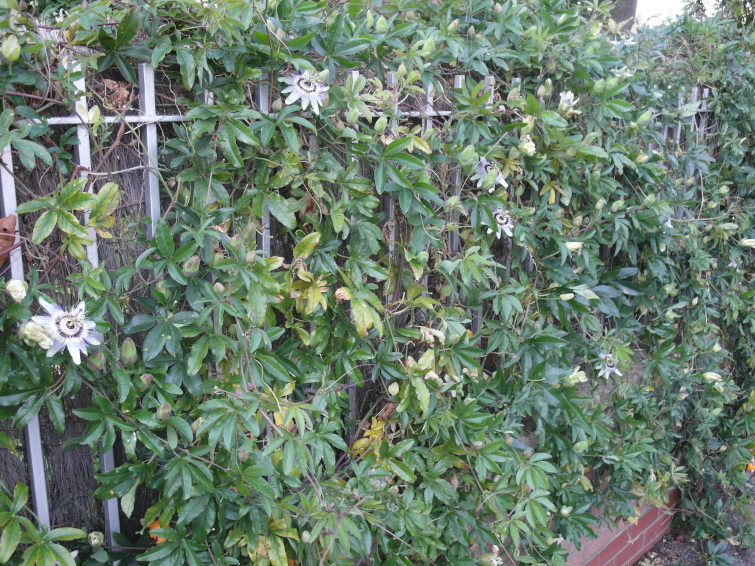
Walls and fences offer extra warmth and protection from winds, therefore any plants growing against them will generally grow more quickly, flower earlier, and fruit for longer.
Woodlands and copses
If your town has any semblance of woods or copses near-by, you will have a chance of finding many different plants during the year. Woodlands are the natural ‘climax’ vegetation of most of Western Europe below mountain tree lines.
This explains why a lot of the British flora are natural forest species. Our woodlands vary in the flora they harbour, dependent on underlying bedrock and soils, degree of drainage, and impacts from human intervention, be this management or mismanagement.
Variable woodland soils hugely affect the flora present. For example, on heavy clay soils; periods of water-logging are common in winter, so a number of the species spotted on marsh or fenland may occur, especially if shade tolerant.
Sandy soils or those on granite or other ancient rock are usually nutrient-poor soils, and often very acid (with a pH below 5.5). Here we typically find oak (Quercus spp), birch (Betula spp) or pine (Pinus spp) predominating, with limited understorey diversity, comprising mainly heath-land plants.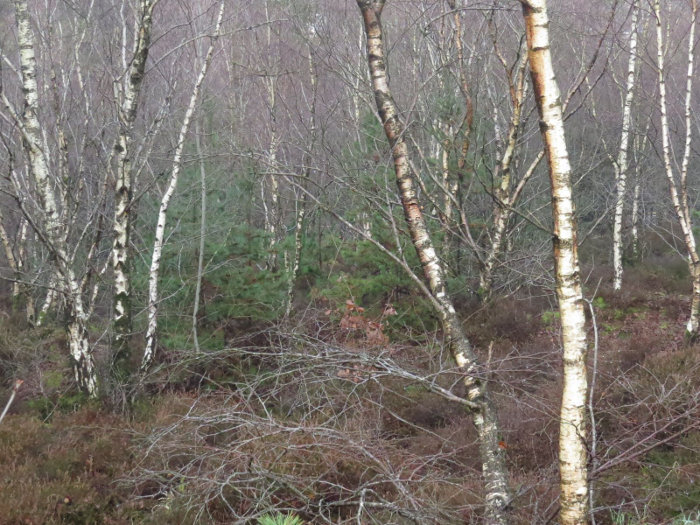
On calcareous (lime-rich) soils, the pH is high (usually above 7), and therefore alkaline. The tree species dominating here are typically ash, hazel, and elm, alongside beech in the drier and more southern parts of Britain.
Usually, the ground flora on alkaline soils are rich in diversity and may contain many of the species we generally find on chalk scrub or grassland, especially where light levels are raised as in woodland glades, clearings, and rides.
In some areas, it may be possible to find plants of acid and alkaline soils almost cheek by jowl, where distinct bedrocks merge, as in parts of Dorset, where acid-loving blueberries find pockets of suitable soils near to where farmers grow huge alkaline loving cabbages!
The edges of woodlands offer us many plants also found in the hedgerows. For example, deciduous woodlands often contain raspberries (Rubus idaeus) and dewberry’s (Rubus caesius) as well as blackberries (Rubus fruticosus) in the southern half of Britain.
In Northern areas and places in higher climes you may well encounter the red-fruiting ‘stone bramble’ (Rubus saxatilis) more frequently and the dewberry not so often.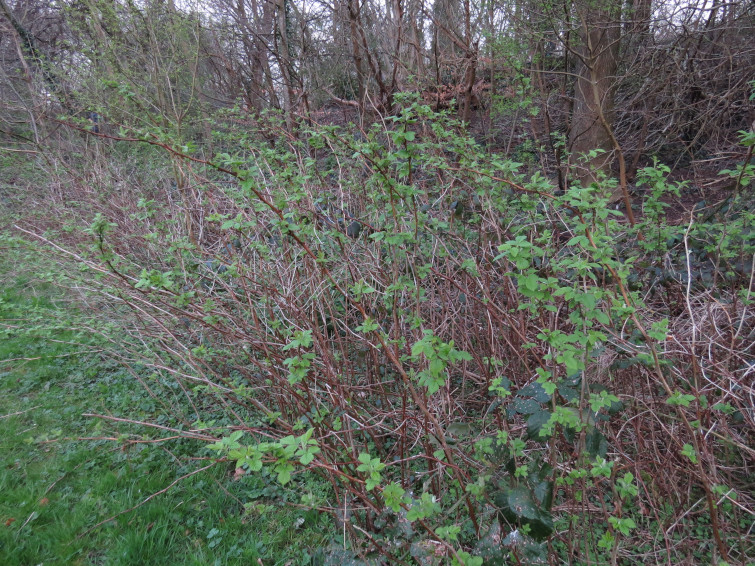
Raspberries are typically found all over Britain, often in well established, dominantly deciduous woodland, either on the edges or within lighter, sunnier areas. Stone brambles, as their name suggests, are seen to enjoy more mountainous terrain.
The yew tree (Taxus bacatta) is an overlooked fruiting plant, probably due to misinformation regarding its poisonous qualities. Many books say the whole plant is poisonous, but these are wrong.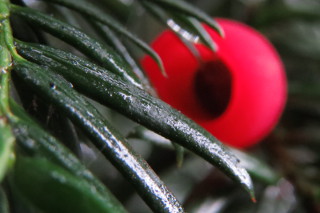
The deliciously sweet and gloopy fruit is edible, yet all other parts of this evergreen plant are deadly poisonous, including the seed. The fruits make excellent scary Halloween cake decorations, but eat them carefully and spit the seed out!
The oak tree was formerly used as a food in Britain, especially during famines, most recently in the 1600s. Oaks and acorns are grouped into flour or oil-producing. All bar one of the oak species you will find here produce acorns with considerable amounts of tannins.
This makes them unpalatable raw but edible after a number of processes. This involves ‘leaching’ the tannins out in some water, as well as by roasting, and grinding.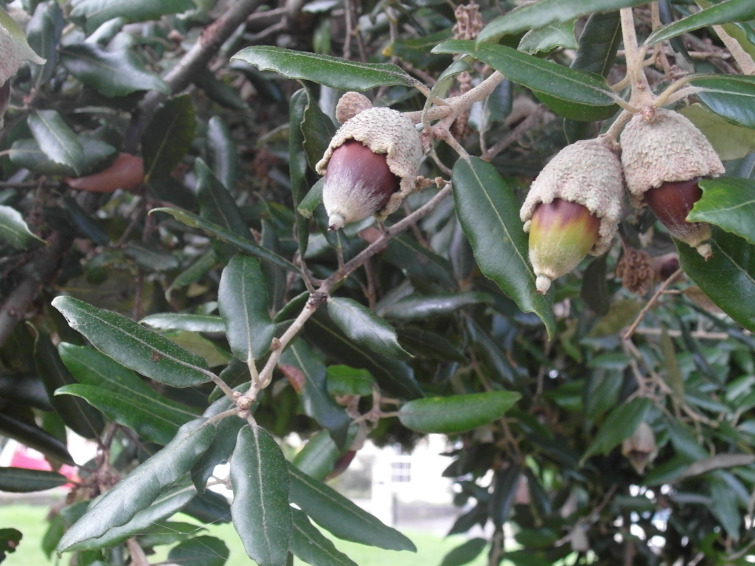
The one species I know from which you could eat raw acorns, should you ever really need to, is the evergreen ‘holm oak’, also known as the ‘holly’ oak (Quercus ilex). This plant is widely planted as an amenity specimen and will also be found in the wild with a love for coastlines.
Chalk and Limestone grassland plants
Many chalk and limestone grasslands are semi-natural areas of vegetation. Although originally forested, they were cleared a long time ago by man and used as pasture for sheep. They often occur on the difficult-to-plough steeper slopes, where chalk or limestone rocks are near the surface.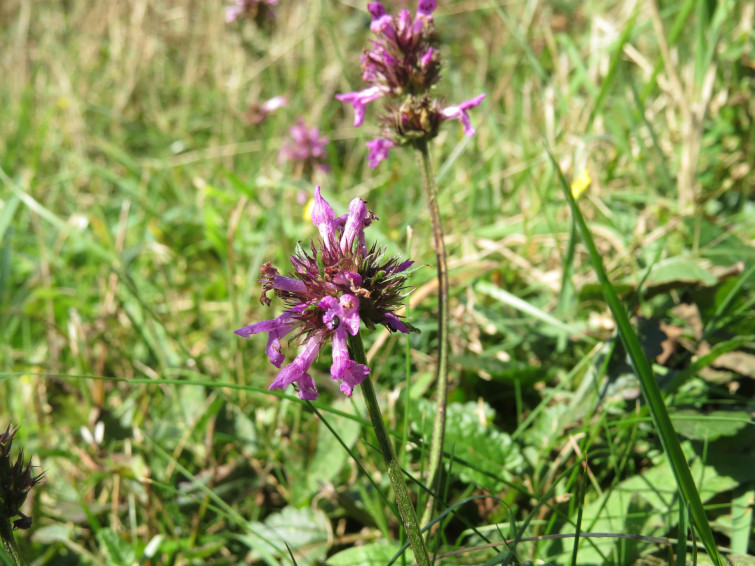
As is the case nowadays, many areas are left un-grazed and soon revert to scrub on its way to the stable climax vegetation of beech or ash. However, certain shrubs and the more light-demanding woodland species will also be found.
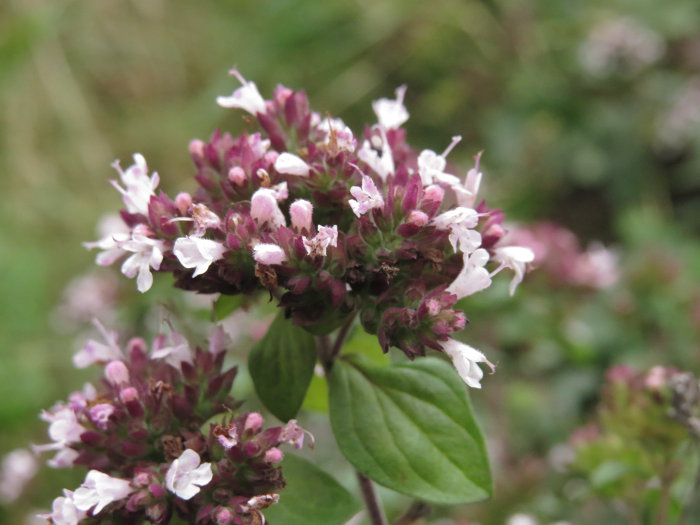
Its on the limestone ground or chalk land in southern England that you will find the few aromatic herbs that have braved it al the way from the Mediterranean sea. Look out for varieties of thyme and wild marjoram in these settings.
Indeed, should you find these places are your local urban foraging habitats, then consider yourself lucky, as these are among the most diverse you will find. There are always a greater number of plant species found here than on acid soils.
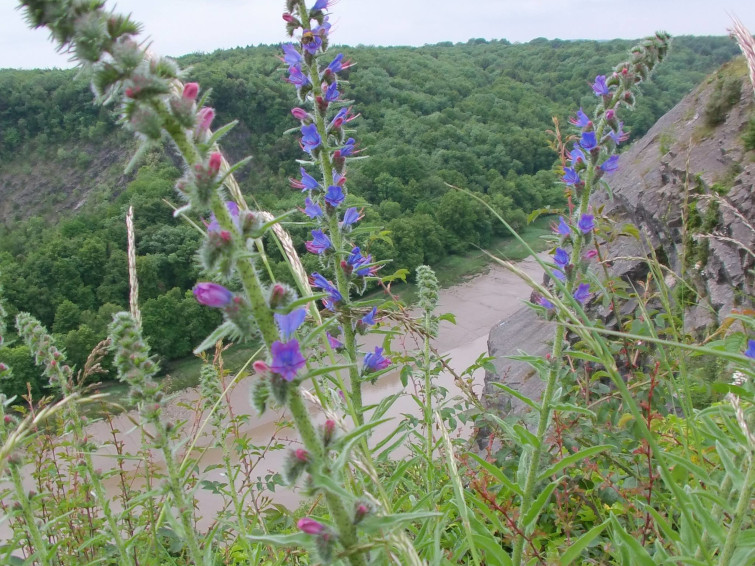
Amongst the wide array of medicinal and edible plants to be found on alkaline soils are:
- any one of the plantains (Plantago spp)
- wild strawberry (Fragaria vesca)
- red and white clovers (Trifolium spp)
- yarrow (Achillea millefolium)
- wild carrot (Daucus carota)
- wild parsnip (Pastinaca sativa)
- agrimony (Agrimonia eupatoria)
- salad burnet (Sanguisorba minor)
- greater burnet (Sanguisorba officinalis)
- betony (Betonica officinalis syn Stachys betonica)
- self-heal (Prunella vulgaris)
- wild marjoram (Origanum vulgare)
- Juniper
- yew tree.
Urban foraging by streams, rivers and estuaries
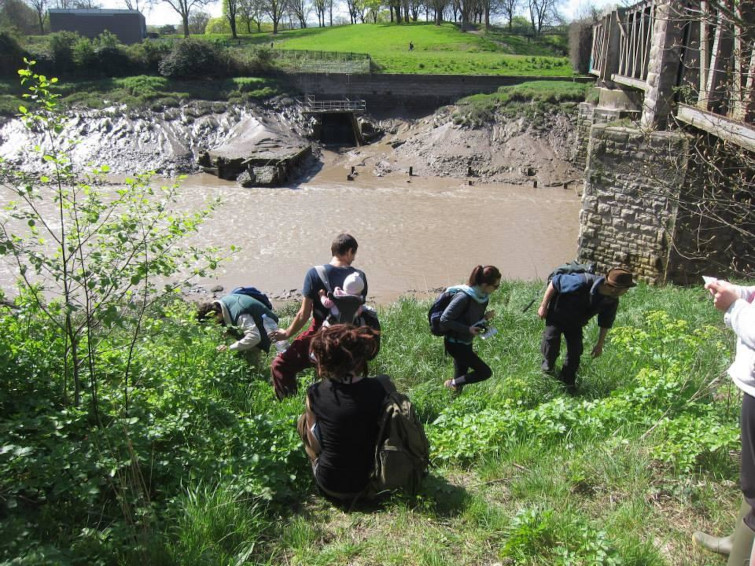
Important! Do not harvest until you know the two deadly poisonous plants that freely grow by water in Britain.
Just about every town has some wild waterways flowing through them. Our historical ports and coastal towns by their nature have a number of waterways converging.
Excitingly for foragers, areas where two distinct natural eco-systems meet, i.e. the land and water, are noted by ecologists for the increased diversity of plants and all other organisms.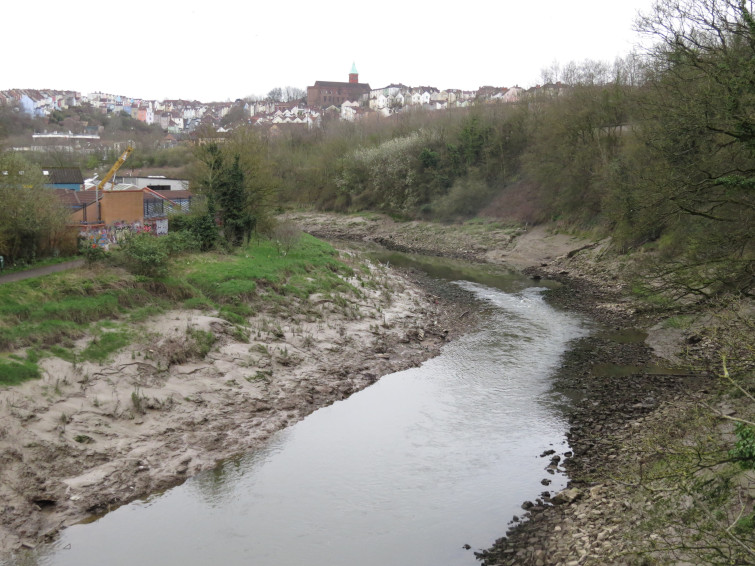
Extra safety needs to be taken. so be sure you to be aware of the shifting, unstable nature of river banks, ponds and streams.
Many streams and rivers have a noticeable lack of riparian vegetation. Bank-side erosion is inevitable without sufficient buffer strips, for these are the areas immediately around waterways.
Here specific riverside herbs, shrubs and trees soak up surplus water and leached nutrients from elsewhere up-stream and uphill), so where cattle graze, tread, and trample the banks, its vegetation will likely disappear at some point during the year.
Coastal areas
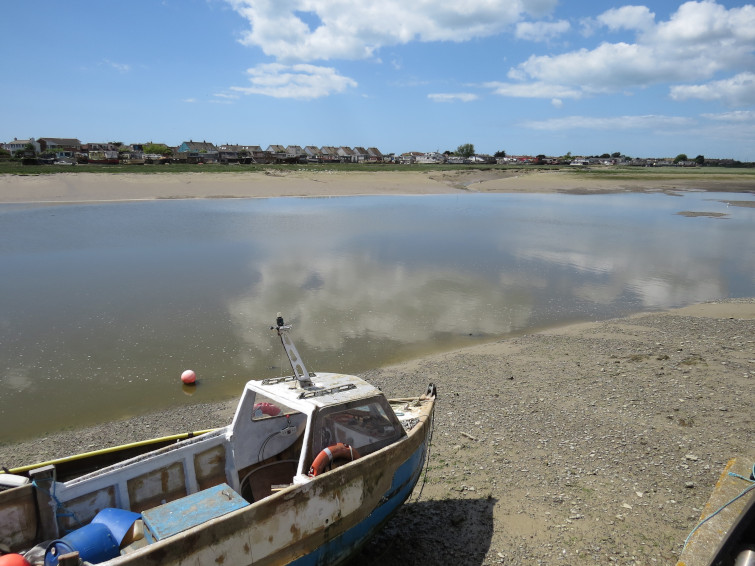
Coastal towns and cities are some of the most productive areas to forage in. Due to the nature of tidal rivers, they have specific vegetation growing there that are comfortable with the more saline conditions, and unless cultivated in gardens, will be hard to find further inland.
Estuaries, especially ones with accessible mud and marsh flats, are exceptionally good places to forage from. Depending on where you live, you may well encounter a host of tasty edibles right on your doorstep!
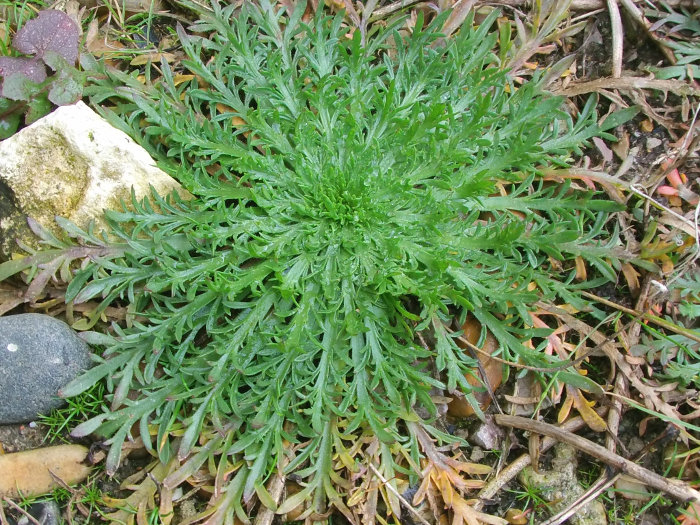
There are other fine examples of plentiful plants, tasty and highly nutritious, all available to harvest when near the coast. I’ve foraged from small patches of different plantains (Plantago ovata, P.lanceolata, P.media, plus P.coronopus) that I found all hanging out together on Brighton beach near the pier. These plants are commonly found on grassy areas in many other coastal towns and cities.
Wastegrounds. Foraging diversity in every town and city.
Every urban area will have those often neglected, uncultivated pockets of land where many useful species can be found. Our transportation networks have greatly increased bio-diversity in a number of places.
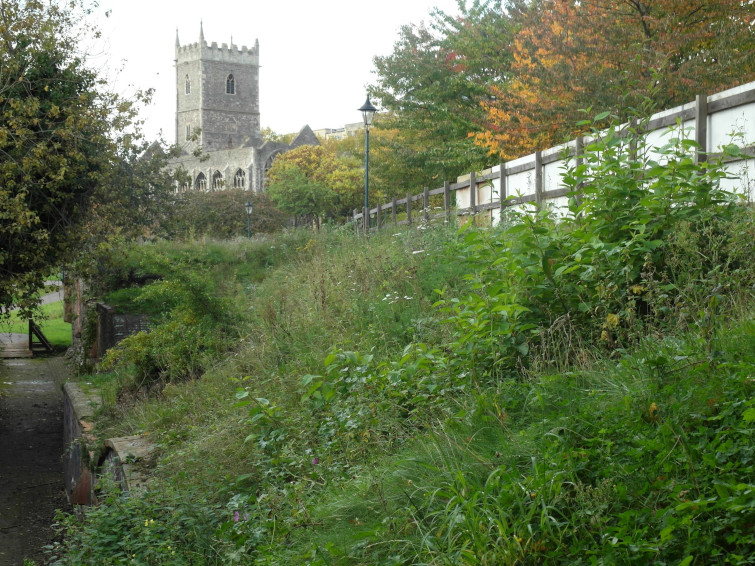
This is because plants, most commonly the seeds, have taken advantage of the work of humans to spread their geographic distribution. The habitats created by paths, lanes, highways, bi-ways, rivers, canals, and railway lines can often provide us with heightened diversity.
Disturbed ground, cracks and crevices, and other places
Many of our annual and biennial plants are clever opportunists and survivalists extraordinaire – as anyone can see by the sometimes precarious and unlikely places that our native plants thrive, such as the ones seen jutting out of deteriorating cement in brick walls, especially derelict buildings and derelict yards.
Look out for the renowned traditional cough remedy white horehound (Marrubium vulgare), notable for its downy green-white leaves and white two-lipped flowers, as well as the common white and red dead nettles (Lamium album / L. purpurea) amongst other plants listed previously under waste-grounds.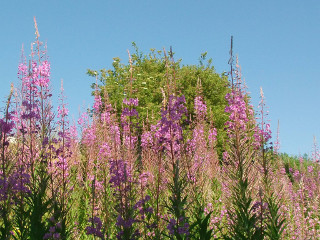
Certain medicinal species also love to colonise freshly-disturbed ground. These include the poppies (Papaver sominferum and P.rhoes are pretty common), any one of the many willow herbs (Epilobium spp), as well as any number of speedwells (Veronica spp).
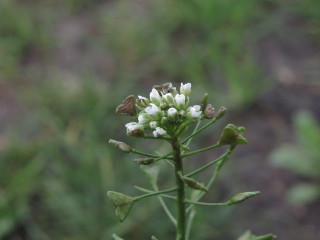
You would be unlucky not to find shepherds purse (Capsella bursa-pastoris), or a host of the other common edible and medicinal species from the brassica family.
 Other frequently found plants include chickweed (Stellaria media) and the widespread mullein (Verbascum thapsus). The profuse-flowering St Johns wort is a lover of ‘poorer’ soils, often found in towns on waste ground, in alleyways, cracks in concrete, as well as in the countryside, abounding on limestone and otherwise calcareous ground.
Areas around allotments will commonly host a large number of species, often including many escaped brassica vegetable plants. Larger fruiting, cultivated blackberry and raspberry varieties often grow up against allotment boundary fences.
Look out here also for alfalfa (Medicago sativa). This plant is best known as a sprouted seed or when planted as a green manure crop, but it also provides us with edible young salad leaves and tasty, pea-flavoured, purple flowers.
Alfalfa is one of our most nutritious foods. It contains vitamins A, B-complexes, C, D, and E. as well as bioflavonoids. It also contains numerous minerals including, Calcium, Magnesium, Phosphorus, Potassium and Zinc. Sprouted seeds are now commonly found in shops, although the plant is quite a common escape. Alfalfa is the plant that the Arabs famously fed to their horses, which began a reputation for Arab hoses, which continues today.
Cemeteries, parks and public gardens
The numerous cemeteries, parks and gardens are exceptionally good places to hunt for plants. They will harbour an array of culinary and medicinal plants. Rosemary (Rosmarinus officinalis) will sometimes still be found in cemeteries, as it has a well documented traditional use as a symbol of remembrance.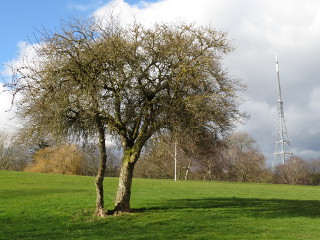
Lime trees (Tilia spp) are plentifully found in parks and larger gardens, whilst the seemingly ubiquitous nettle, dandelion, hawthorn, yarrow, burdock, blackberries, plantains, and elder, are also easily found in these increasingly badly and often under-maintained habitats.
Municipal flower beds are useful, for here can often be found the smaller, ephemeral plants such as chickweed, speedwells, and hairy bitter-cress (Cardamine hirsuta), in amongst typically unexciting ornamental bedding plants.
In the summer, every town has masses of edible flowers such as Nasturtium (Tropaeolum majus), Calendula officinalis, Viola spp and Campanula spp bursting out of front gardens and escaping through fences.
Commonly found aromatic herbs will likely include lavender (Lavandula angustifolia) and sage (Salvia officinalis), which as evergreen or semi evergreen plants, will allow us foraging opportunities throughout most of the year. As you are by now discovering, many opportunities constantly appear for the urban forager even before considering whether to knock on doors to ask permission.
Commonly ignored edible species.
Many well-known plants that are most often planted as ornamental specimens in gardens also offer us edible fruits and valuable medicines. The showy plants from the Fucshia genus (Onagraceae family) are an example.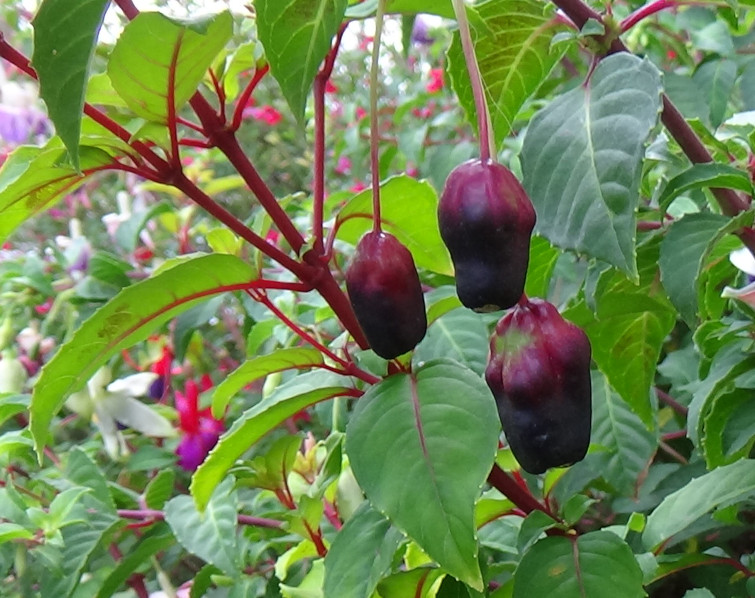
These plants are often quite vigorous shrubs that can break out of their confines in small gardens. They are popular and stand out, beacuse of their large pink-hued flowers.
These are followed by oblong-shaped berry fruits (up to 2 cm long on some species), are well worth foraging for as you walk through urban streets. When ripe, Fucshia fruits are a dark brown-purple colour, tasting sweet and juicy with a slight peppery after-tone.
The Berberidaceae family of mostly evergreen shrubs are widely planted in towns because they make good hedging. Berberis darwinii offers us citrus flavours from their flowers and a profusion of edible berries in the summer.
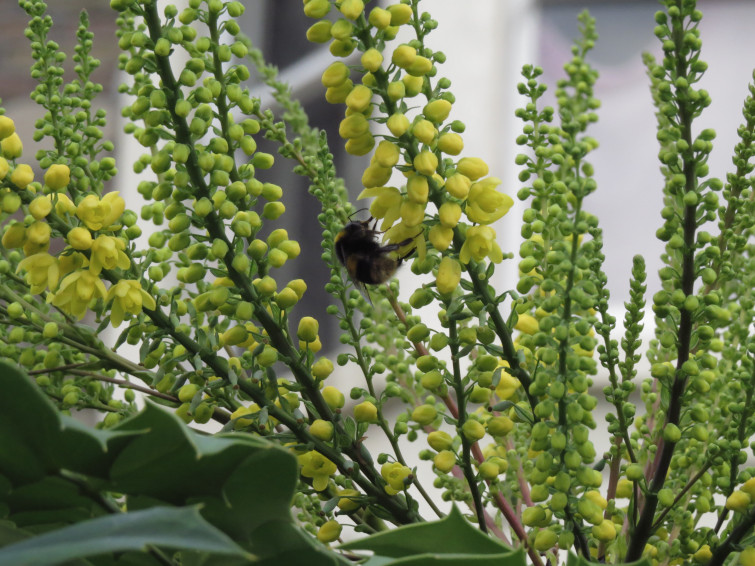
In winter the group of yellow-flowered Mahonia shrubs become increasingly noticeable as they burst into bloom. Although we have just the one native Mahonia, (Mahonia The Mahonia shrubs are all commonly known as the ‘Oregon grape’.
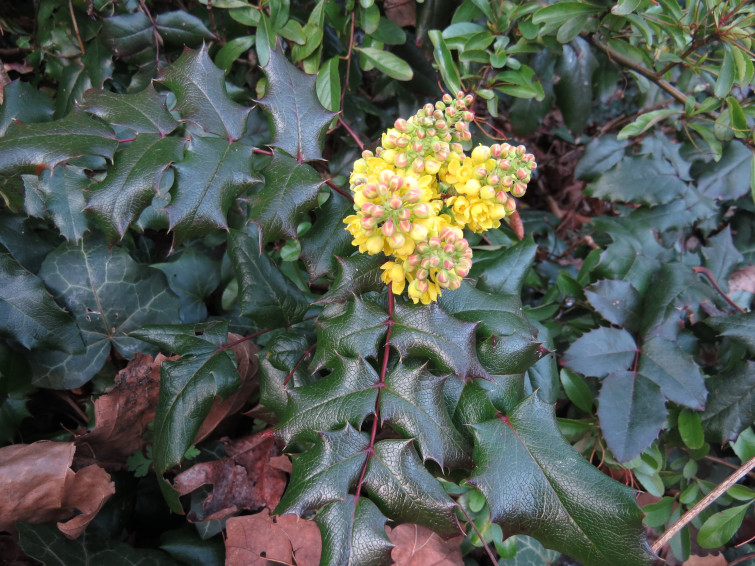 They all give us edible, if mostly tart berries in the early summer. These fruits are much improved when made into a preserve! The roots of these plants are valuable digestive herbs.
A common, almost tropical fruit tree, found in most towns these days, is the much-planted fig tree (Ficus caricus). can be thuggish when given anything like a free roam (requiring root confinement to fruit heavily) and easily burst through their enclosing walls and fences.
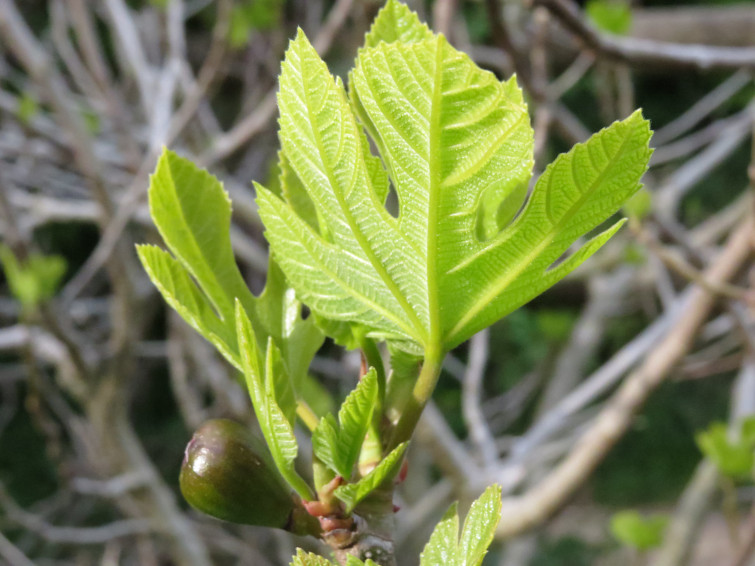
You can often find them by rivers in towns and cities. Their ripe, fat tear-drop-shaped brown fruit are a delicious occasional treat in the late summer and early autumn.
Lastly for this guide is a plant that I can almost guarantee will be growing near to where you live. The bay (Laurus noblis) is so commonly planted in parks and gardens, that ou will regularly be going past the plant. Why pay for this essential ingredient for soups, broths, and casseroles when you are likely to find it on your way to the shops!
So if you want to get out and better explore your local area, have a quick look at our how-to-harvest guide and discover the joys of urban foraging in towns and cities.