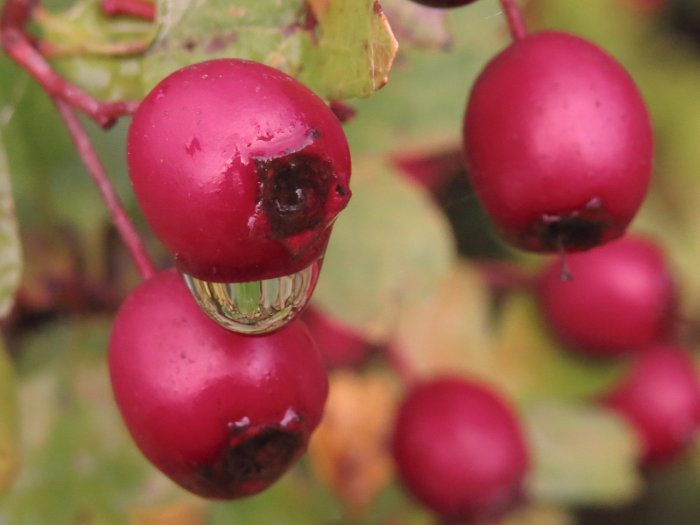
Heart-boosting medicinal food is in easy reach when you go foraging for hawthorn berries
Common Hawthorn (Crataegus monogyna) Rosaceae family
When you are out in the hedgerows foraging for hawthorn, you are coming face to face with a truly remarkable tree.
Hawthorns are the plant mainly responsible for the success of numerous acts of enclosure here in the UK, from the 14th century onwards. As such this plant is one of the reasons that I, and most other people living in the British Isles, are landless, and why I have such a keen interest in foraging.
As common a tree as you can get, these spring-flowering, summer-beckoning mainstays of the hedge offer us unique nutritional and medicinal benefits which you will do well to take advantage of.
It’s no point foraging for Hawthorn above altitudes of 600 metres. The abundance we see in numerous lowland settings will often be a result of its use in enclosing common lands.
Hawthorn are classically used as a principal component of hedges (from which it derives its name – the word haw being a corruption of haeg, from the old English for hedge).
They naturally love the edges of woodlands and can often be found on waysides and roadsides, as well as in little groves in some districts. Hawthorns are also happy on their own in a great number of places, as can be seen by the large numbers of amenity plantings in parklands.
A good number of the 250 Crataegus species able to be grown here carry larger and far tastier fruits than our native strains.
A few of these have documented scientific evidence supporting their medical use in Western medicine as well as traditional Chinese medicine and Indian Ayurvedic medicine.
However, it makes sense to concentrate here wholly on our two native plants. Crataegus monogyna and Crataegus leavigata are almost identical and offer us very similar medicinal benefits so we can use either one interchangeably.
The roots of the generic name Crataegus stem from the Greek-Kratos meaning strength. This could be in allusion to the dense hardwood found in hawthorns. I like to think it is due to the potency of the medicine found in hawthorns to strengthen the heart muscle and blood supply.
Description and photo guide for identification
The other guides available here, including the guide to harvesting wild plants and the A-Z foragers glossary of terms, are recommended reading before picking these fantastic fruits.
So how do you identify hawthorn from all the other trees? Easy! Not many plants can be mistaken for hawthorn when in leaf fower, or fruit. Possibly the field maple (Acer campestre) could be, at glance when looking at a hedge.
The species name monogyna reveals the fact that this species contains one (mono) seed (gyna). The midland hawthorn C.laevigata in contrast has more than one seed in the fruit.
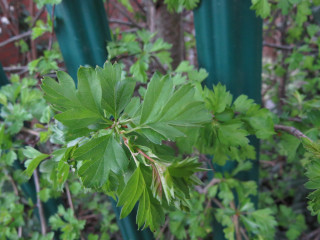
As with many plants of the rose family, hawthorns have oval-shaped leaves, albeit in hawthorn’s case this is the overall shape, disected by its deeply-cut lobes. Hawthorn leaves have serrated margins.
The midland hawthorn in contrast will typically have leaves without such deep lobes, and prefers to grow mainly in the northern reaches of Europe. Our most common hawthorn (C.monogyna) on the other hand, is found throughout Europe, and far into the Middle-East.
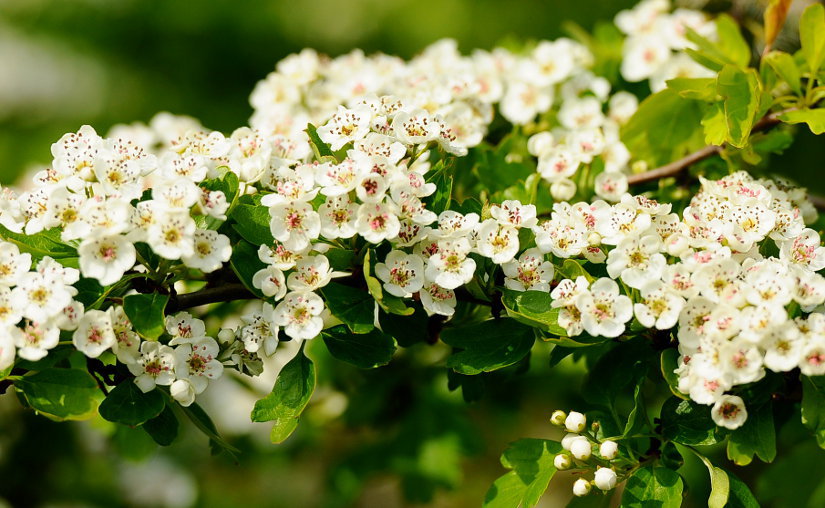
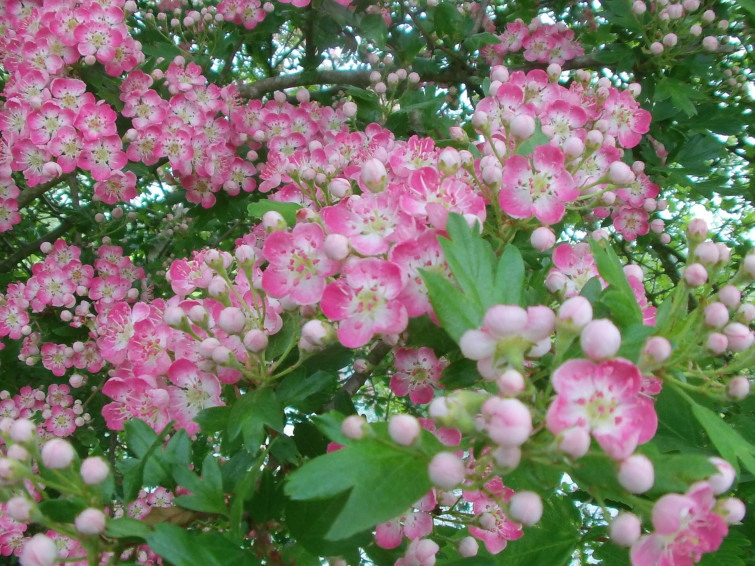
Hawthorn flowers are unmistakably those of the rose family, having five sepals, five petals and numerous stamens. They often reveal a pink-red tinge on the stamens, and some varieties have pink petals.
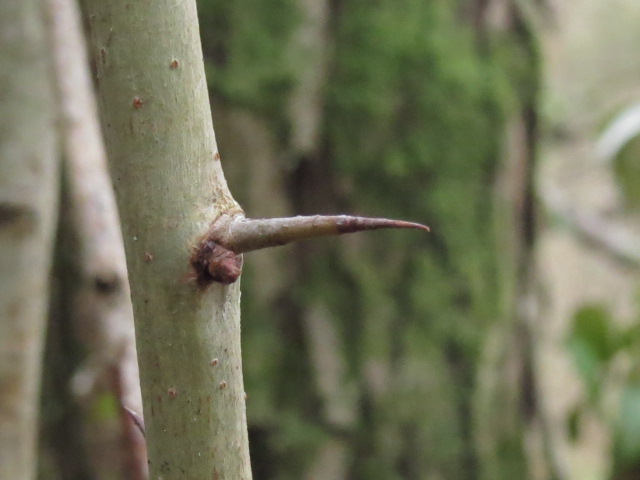
Our native hawthorn’s branches are decorated with sharp thorns, approximately 2.5 cm long. Both the infamous blackthorn and the less dangerous hawthorn will give you a very nasty sore from a puncture wound.
They are not as bad as the hawthorn relative, blackthorn (Prunus spinosa), but its best just to be extra vigilant when foraging hawthorn, especially in thickets , hedgerows, and dense woodland edges.
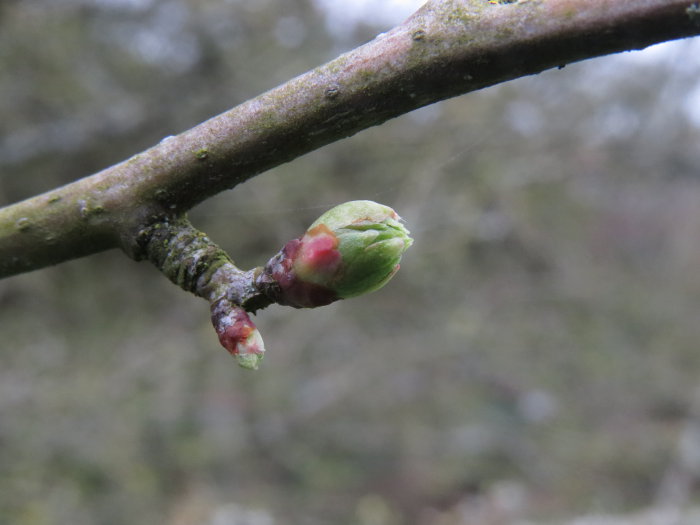
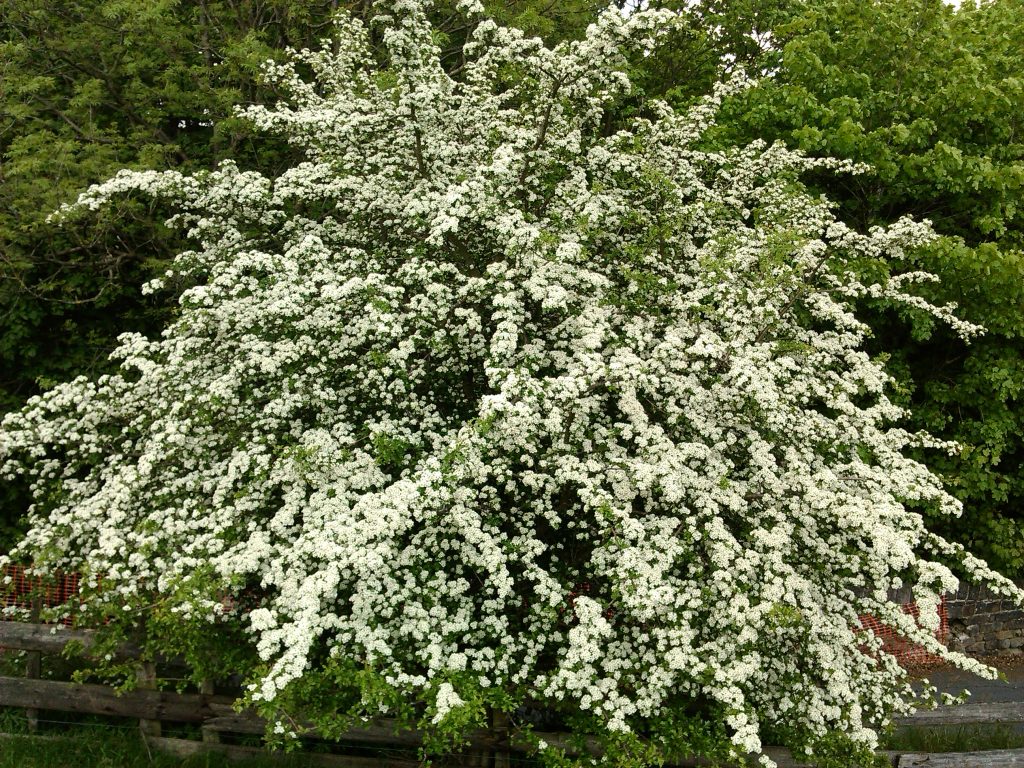
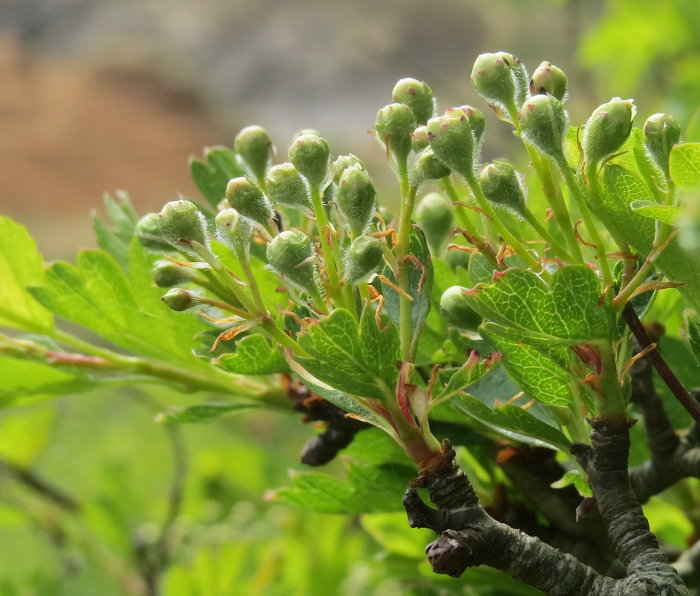
The hawthorns are one of the first woodland species in leaf to herald the returning spring, following the blackthorn and elder tree. Within a couple of months or so of breaking into leaf, the swollen flower buds burst open beginning their spectacular display. The magnificent multitude of white flower clusters, is a signature of the hawthorn and of hedges in May.
When foraging hawthorn in the evenings during this time, the subtle yet pervading scent is easily caught on the wind. I think hints of almond can be deciphered amongst the sweeter tones, though it has been written that the midland hawthorn has blossoms emitting an odour of semen or rotting flesh! Beauty is in the nose of the beholder I suppose!
Some of the aroma is due to the molecules of methylamines present in the flowers of hawthorn. These are also found in some Sorbus species, such as the rowan tree. Other aromatics detected will be due to the bitter almond quality of the cyanogenic glycosides found in small amounts within many stone fruits of the rose family.
Of the numerous hawthorn species which have beautifully-tasting berries, the University parks in Oxford contain an avenue of around 18 different species, which have an array of orange, scarlet, red, brown, and black haws.
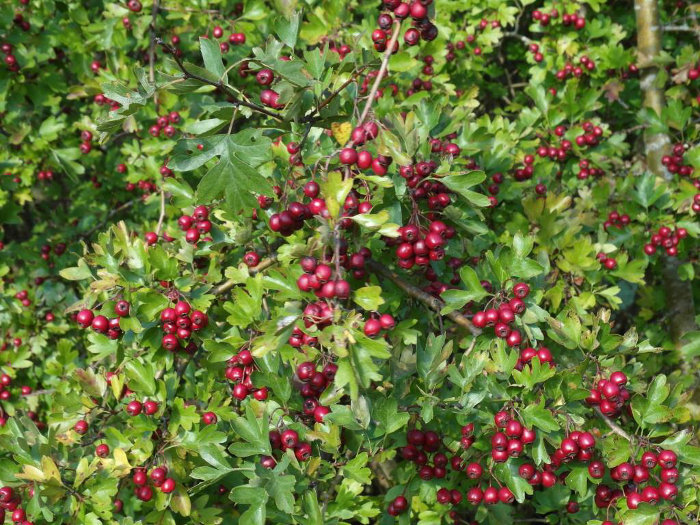
Until you try some, you must take my word for their diverse array of aromas and flavours, ranging from subtle peach and apple to mild rose tones. It is possible that your local park will have hawthorns with similarly delicious fruits.
Ok, the common or garden haws are generally not superbly tasting from the hedgerow plants, due to their small size and tough living conditions, but they are more than palatable raw.
When ripe, they take on a creamy, somewhat avocado-like texture, which becomes drier, mealier, and claggier when over-ripe. It has been written that ripe haws taste a little like sweet potato. Unripe flesh is a green colour, changing to a light creamy-yellow colour in ripe fruits. Over-ripe flesh turns brown. Certain trees from my experience, mainly with the darker duller red haws, give decidedly sweeter, and apple-tasting fruits than others.
Parts used Young leaves, flowering tops and berries.
Harvest Leaves and flowers in April and May. Berries from late September-November (dependent on species and location).
Key constituents Flavonoid glycosides (1-2% including rutin & quercetin) ; saponins; coumarin; cyanogenic glycosides; trimethylamine; condensed tannins (oligomeric procyanidins 1-3%).
ActionsCardio-tonic, hypotensive, vaso-dilatory. relaxant.
Pharmacology and uses One of the reasons that foraging hawthorn is a super idea is because hawthorn is a superfood.
They are literally everywhere, so it is no problem introducing them into your diet. Traditionally, this plant has been used to treat arteriosclerosis, hypertension, and cardiac failure. All are prevalent killers in western societies, especially Britain. Hawthorns will thus help prevent these conditions.
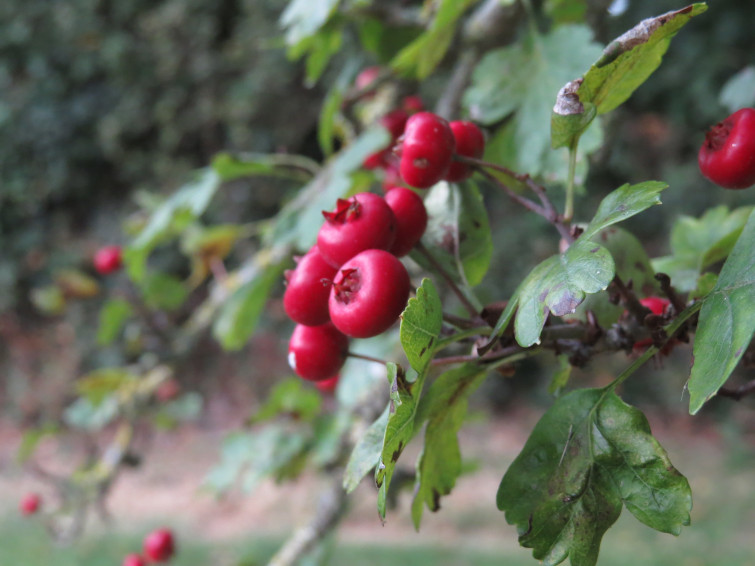
The flavonoid molecules will expand the blood vessels and strengthen capillaries. Hawthorn helps blood vessels dilate and therefore assists the peripheral circulation significantly, but also has a specific action on the coronary circulation itself.
It is now well known to improve the nutrition, activity, energy reserves, and the energy release of the heart muscle. This and the power of the cyanogenic glycosides, make hawthorn ideal for those people with either high blood pressure or cardiac arrhythmias.
In experiments, alcoholic extracts of leaves and flowers have been proven to improve cardiac functions as well as reducing blood pressure, whilst not affecting heart rate!
Through eating hawthorn berries it’s known that we stimulate increased performance of the anti-oxidant called superoxide dismutase. This enzyme promotes the scavenging of harmful ‘free radical’ molecules. Hence the anti-aging adverts of plant-based products with this and other anti-oxidants
Some of the anti-oxidants packed into these trees are in the form of oligomeric proanthocyanidins. These molecules were saluted by the mainstream press only a few years ago.
Newspaper adverts sprung up in popular daily papers enticing us to pay lots of money for a few grams of exotic berries shipped from halfway around the world purely because they contained these medicinal compounds! Unsurprisingly, there was no mention anywhere of foraging hawthorn for free!
In diverse places such as Devon, the Isle of Man, and the Highlands of Scotland, hawthorn has traditionally been used in folk medicine as a primary heart tonic, as well as being used for centuries to correctly balance high and low blood pressure. This shows foraging for hawthorn is as old as the hills.
Hawthorn has no contra-indications for use, although it can reportedly interact with beta-blockers and other hypotensive drugs. It may increase the effectiveness of them, as well as potentially beneficially interacting with foxglove cardiac glycosides. Patients already on heart medication should seek advice before using.
One of the many delights of this and some other medicinal trees is that come the autumn and early winter, we can go back to the same trees we visited for leaves and flowers early in the season and then harvest the berries. Plus, you will have had another cardiac-strengthening walk under your belt!
The leaves are a more than useful addition to salads during the early spring. Always take the fresh palatable new leaves, rather than the tougher, far more fibrous and darker-green, older leaves.
A number of tree species can give off a new spurt of growth around the end of July, sometimes referred to as the ‘Lammas flush’. This is another opportunity to harvest new leaves, although in far smaller quantities.
Many books make reference to hawthorn leaves being called ‘bread and cheese’ by rural folk. Now, either our taste buds are completely different to a few hundred years ago, or country people were not eating much bread and cheese back then and were probably wishing they had some as they nibbled on hawthorn!
Saying this, the young succulent leaves are lovely accompanied by a dressing and mixed with grated roots such as beetroot (Beta vulgaris), carrot (Daucus carota), and ginger (Zingiber officinalis).
Every autumn I look forward to foraging for hawthorn and making more hawthorn ketchup from the abundant haws. They are brought to the boil and simmered in cider vinegar and a muslin bag of spices, for 45 mins or so, before straining through a sieve, adding molasses and muscovado sugar and some seasoning. It’s a stunningly delicious and simple sauce that livens up many a dish. Foraged medicinal food at it’s best!
So I hope you will see the benefits of going out foraging for hawthorn and harvesting this super medicinal food! Happy foraging!
A lot of the berries around me have black specks on them. Do these need removing before I dry or otherwise use the berries?
Hello. Sorry for delay. No you dont have to discard them if they are minor discolourations.