Unlock the secrets of the hedgerow with this guide to medicinal plants, their constituents and actions.
Learn about the important herbal medicine constituents and actions with accompanying photographs of medicinal plants.
Welcome to the wonderful world of medicinal plants, constituents and actions. Plant chemistry has me in awe and never fails to regularly blow me away! This page is suitable for all students and practitioners of herbal medicines. The following table of contents will guide you to numerous points of interest
Table of contents
-
- Introduction
- Monobasic acids
- Citric acid
- Oxalic acid
- Unsaturated fatty acids
- Carbohydrates
- Monosaccharides
- Disaccharides
- Polysaccharides
- Gums and Mucilages
- Immune system-stimulating polysaccharides
- Glycosides
- Lignin
- Lignans
- Phenols
- Tannins
- All tannins share two properties
- Flavonoids
- Bio-flavonoids and Vitamin c
- Proanthocyanidins
- Coumarins
- Anthraquinones
- Volatile oil in medicinal and edible wild plants
- Monoterpenes
- Sesquiterpenes
- Esters
- Resins
- Therapeutic actions of essential oils
- Saponins
- Carotenoids
- Cardiac glycosides
- Cyanogenic glycosides
- Mustard oil glycosides
- Bitters
- Alkaloids
If you are new to plant identification and foraging you may also want to read the beginners guide. So, first I have a little advice. Try and fully immerse yourself with all your senses when exploring our medicinal plants.
If you do then your understanding of the magic of plant chemistry, medicinal constituents, and their actions will be quicker and more complete. You will also be able to identify plants quicker.
In my ‘how-to’ guide to harvesting wild plants, you can learn about timing your harvest for the best medicinal results. Many tips and tricks are presented in order to successfully harvest Britain’s wild plants. Oh, and the foraging glossary of terms is your friend. Pay it a visit here.
The aromatic qualities of plants reveal pathways of understanding that are simply not available through the other senses, unless you have the specialised equipment to analyse chemical constituents!
Our noses, or more precisely our sense of smell, can when stimulated, provoke specific feelings and memories. This is something an analytical machine can never do.
Our noses are almost fail-safe apparatus. They help us correctly assess the subtle nuances of composition that can differentiate between individual plant species!
Knowing the smell of a particular plant or even a group of plants may well be the key to how successful you are at finding our rarer, and more inconspicuous flora.
Introduction
An overview of key active medicinal plant constituents and actions
“ A drug is that substance which when injected into a rat, will produce a scientific report” ~Unknown
Almost all living organisms have carbon as an essential structural norm. ‘Organic’ chemicals are specifically ones with a carbon ‘skeleton’.
Carbon is generally attached to various other atoms including hydrogen, oxygen, nitrogen, calcium, magnesium and sulphur. Throw in a few others and hey presto, you have all plants and humans!
In general, the more atoms a molecule has, the heavier it is. Hydro-carbon fuels such as methane, butane, propane, and octane, all have less than ten carbon atoms. These simple carbon-based molecules are the backbone of the industrial revolution.
Similarly, the multitude of aromatic and volatile components in plant essential oils (generally having 10 or 15 carbon atoms), have been extensively utilised in both cookery and herbal medicine.
Monobasic acids including aliphatic (straight chain) acids
Containing up to 26 carbon atoms per molecule, these include formic acid, acetic acid and a range of saturated and unsaturated fatty acids as well as valeric acid from hops and valerian.
Polybasic acids
Containing more than one carboxylic group, very widely found in plants. Noted for slight laxative action and include oxalic, succinic and fumaic acids.
Hydroxy acids
These include both a pair of –COOH (acid) groups together with an –OH group (alcohol, or hydroxyl group). This gives them properties of alcohols as well as acids. These include citric, malic, and tartaric acids. The presence of hydroxyl groups provides reactive sites on a molecule.
Citric acid
This acid appears widely in fruit and berries, especially the citrus fruits. It plays a key role in metabolism. It is classed as an alkaline food source because it breaks down to bicarbonates in the stomach. It is a gentle osmotic (water-attracting) laxative and diuretic.
Oxalic acid
A common plant constituent, and widely found in the dock family. It can also be found in the tea plant, spinach and parsley amongst others. It forms insoluble salts with metals such as calcium and is often found in this form.
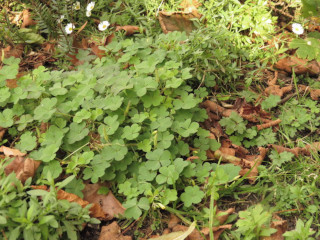
This substance imparts a distinctive lemony or citrus taste to plant leaves. One potential problem with over-consumption of oxalates is the possible formation of urinary stones.
Stones are produced by the precipitation of excessive oxalates in acid urine. Another consequence is gout, whereby skeletal joints accumulate large amounts of these crystal deposits, bringing regular and extreme discomfort to sufferers.
Unsaturated fatty acids
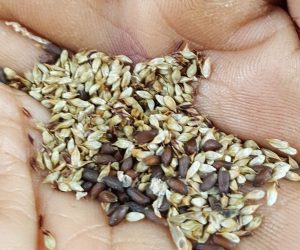
Certain fatty acids are vital for life. Hence the term essential fatty acid. Our bodies require them to build and repair cell walls, cell membranes, and C.N.S tissues.
Numerous inflammations and chronic diseases have been documented in people exhibiting a deficiency of polyunsaturated acids in the blood. These fatty acids are universally found in plants.
Notable examples include linolenic acid (found mainly in growing green tissues) and arachidonic acid (found mostly in seeds and other reproductive tissues). Certain hormones involved in inflammatory responses, collectively known as prostaglandins (Pg’s), are made from arachidonic acid.
Carbohydrates
These are built from basic units (sugars) and can be classified as to the number of sugars they contain. CHOs are a collective term for molecules comprised of carbon, hydrogen and oxygen and are similar to hydrocarbon fuels we use to power our cars.
All sugars are CHOs and they come in all manner of guises, i.e. with differing numbers of carbon atoms. For example, glucose sugar has six carbon atoms, whereas sucrose, (more commonly known as granulated sugar) is comprised of two simple sugars- glucose and fructose.
The vast number of polysaccharides present in plants, including starch and inulin, have much bigger chains of glucose molecules, and these take longer to break down in the body. Hence their value as a long-term energy source.
Hydrocarbon vehicle fuels do not contain oxygen and burn brighter and faster than CHOs. Basically, CHOs do pretty much the same job and are by far the major basic source of fuel for the human body.
As with performance differences between fuels such as petrol or octane, the differences in the long-chain sugar molecules that we consume (and there are many different types) will have dramatic performance differences within the body.
Chemical naming system
All sugars end in the suffix –ose as in glucose and fructose. The various enzymes (protein-based, metabolic, catalysing co-factors made from amino-acids) end in the suffix –ase, as in the starch-digesting saliva enzyme amylase.
Acid substances are given the suffix –ates, so wherever you see this name ending you know you are dealing with an acid, as in salicylates (salicylic acid) folate (folic acid), pyruvate etc.
Monosaccharides (mono = one, saccharide = sugar)
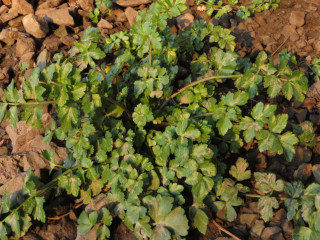
Also known as simple sugars. Examples are fructose, glucose, galactose, and the wood-derived sugar xylose, ribose, and arabinose. Apiose from celery is another example.
Disaccharides (Di = two)
Molecules containing two sugar units. They include sucrose (glucose and fructose combined), maltose (glucose x 2) and lactose (galactose and glucose), which is found in milk only.
They are quickly broken down by the body to mono-saccharides, although several, such as raffinose, are reputed to contribute to the undigested CHO residue we call ‘roughage’.
Polysaccharides (Poly = many)
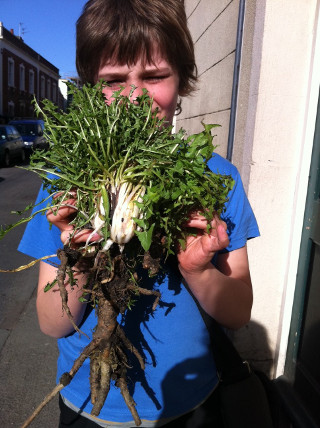 These are often rather large molecules. Included here are the amyloses that constitute the glucose storage molecules such as starch, glycogen, cellulose, and inulin (a fructose-based storage substance), commonly found in the daisy family.
Plants containing them include the jerusalem artichoke (Helianthus tuberosum), elecampagne (Inlua helenium), and dandelion.
Other polysaccharides include molecules that contain other components beside sugar units, such as hemi-celluloses, pectins, gums, and mucilages.
Gums and mucilages
Very common plant constituents, they are chemically similar, yet traditionally distinguished by their physical properties – a gum being tacky, a mucilage slimy. The actions of G&M’s are more physical than chemical.
G&M’S are made from uronic acid and sugar derivatives, and even if broken down on digestion have little pharmacological effect. Mostly these molecules are resistant to digestive juices and many survive to reach the bowel.
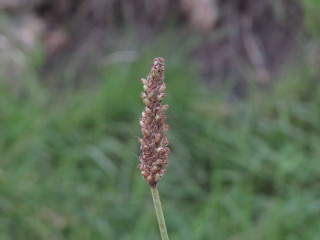
Plants containing them such as marshmallow (Althaea officinalis), comfrey, plantains, slippery elm bark (Ulmus fulva), and coltsfoot all benefit the digestive, respiratory and urinary systems.
Whilst no useful parts of the mucilage’s reach those parts of the body, the overall effects point to the relationship between the origins of these three bodily systems.
During embryonic development of the body, due to the bronchial tree and urinary tissues developing as an offshoot of the gut, the tissues of these systems have a common source.
Therefore, agents that affect the lining and wall of the digestive tract will, by nerve-ending reflex action, influence the function of the bronchial and urinary ducts.
Mucilages readily produce a slimy coating, which soothes and protects any exposed mucosal surface. For this reason, medicinal plants containing mucilage’s are primarily used as wound remedies, helping to soothe pain, irritation, and itching, and as they dry they often bind to any damaged tissue.
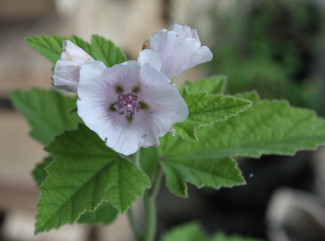
The actions shown by mucilages are classed as emollient or demulcent. Mucilaginous remedies are well proven to be invaluable in treating digestive disorders.
Mucilage soothes the irritations that can be behind a range of symptoms such as flatulence, colic, dyspepsia, spastic bowel, vomiting, and diarrhoea as well as many cases of abdominal pain.
This demulcent action continues along the digestive tract lining, which helps explain the use of mucilaginous remedies for gastro-intestinal inflammations, ulcers, lesions, as well as for reducing irritant results of excessive stomach acid or digestive juice secretion.
Immune system-stimulating polysaccharides
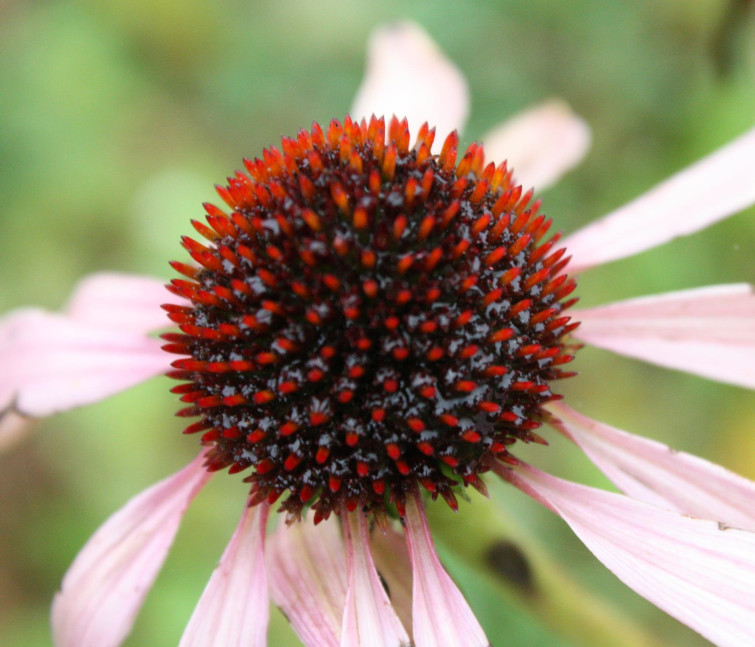
These are water-soluble, acidic, branch-chained polysaccharides with high molecular weights. They exhibit significant immuno-stimulating properties.
Plants showing these actions include the three species of Echinacea commonly used by western herbal medicine; Echinacea purpurea, E.angustifolia and E.pallida, as well as the chamomiles (Chamomilla recutita and Chamamaelum nobile), and Calendula to name a few.
Glycosides
These are molecules that consist of a sugar, joined to a non-carbohydrate compound, often an inorganic molecule. Many chemicals found in plants are bound together with a sugar, forming inactive glycosides.
These are able to be broken by the action of certain enzymes, as and when the plant requires the chemicals.
Many medications are glycosides, rendering otherwise toxic chemicals safe to use. An example is the saponin glycosides (discussed presently) – the basis of arrow poisons.
Lignin
This is derived from the phenylpropanoids and partly forms the structural component in woody plants. The phenylpropanoid building blocks are built from a C6H3 unit, similar to the way terpenes are built from isoprene units-C5 H8.
Lignans
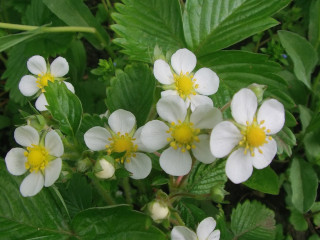
These are completely different from lignins. Lignans are one of the major classes of phyto-oestrogenic substances found in plants.
Lignans are known to be anti-oxidant. Examples are found in flax seeds (Linum spp), sesame seeds (Sesamum indicum) cabbage family vegetables (Brassicaceae), rye (Secale cereale), apricots (Armeniaca vulgaris), and strawberries (Fragaria spp).
Phenols
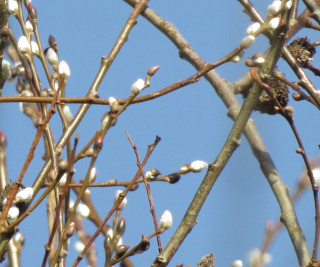
These are a large and important group of medicinal plant constituents based on the basic phenolic molecule (a compound with a hydroxyl group bound directly to an aromatic ring).
In general, the phenols are known to be bactericidal, antiseptic, anthelmintic, and anaesthetic. Simple phenolic acids include salicylic acid, first extracted from willow bark (Salix spp), and known for being the basis of aspirin.
Tannins
These are a large group of polyphenols found widely in the plant world. Tannins have been used by man for millennia to tan animal hides.
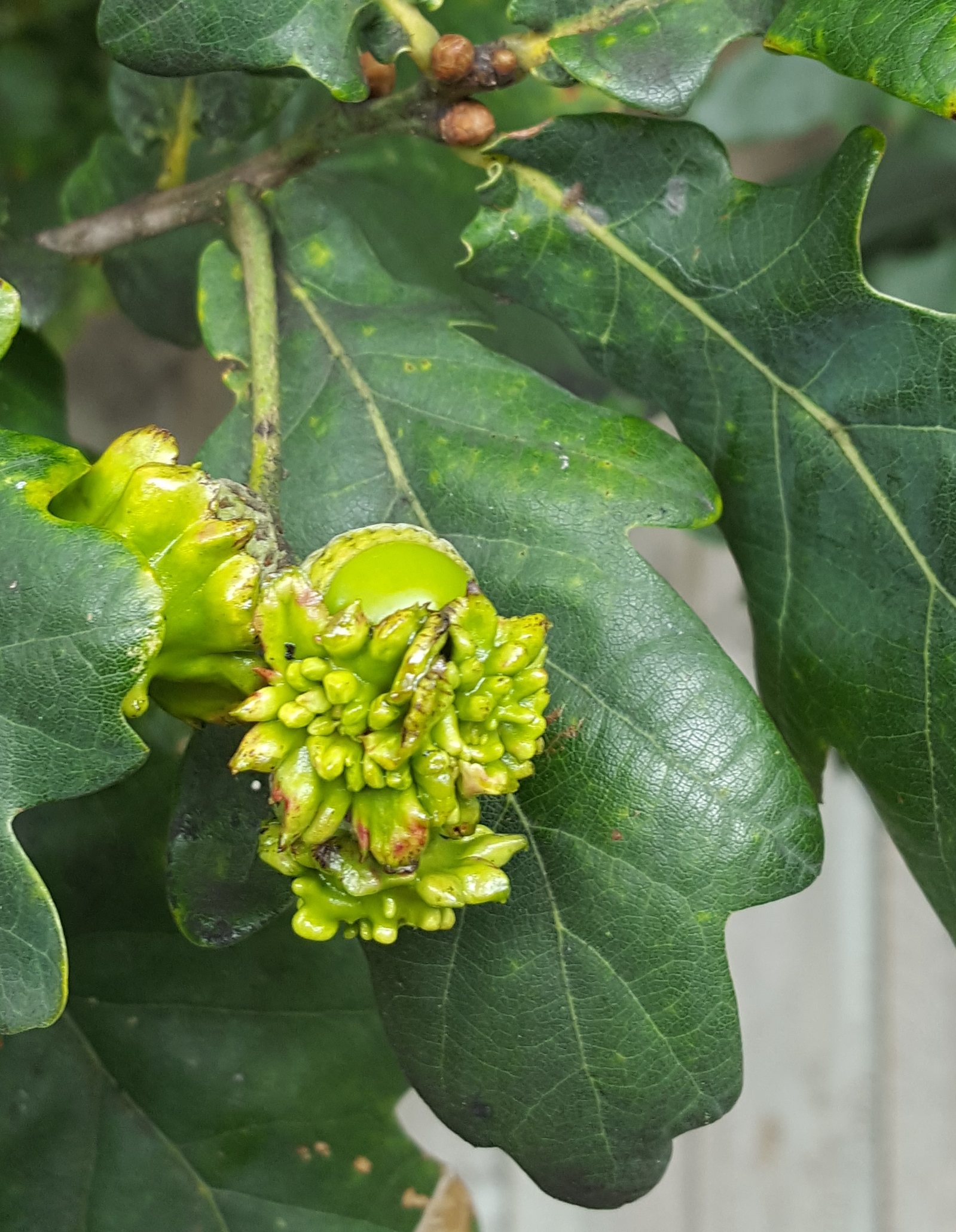
The word tannin is said to be derived from the German word for oak – tanna. All of the oak is tannin-rich. Especially the various galls. Tannin-rich plants have been employed forever in the treatment of wounds and burns.
This medical use is derived from the inherent properties of tannins precipitating proteins into insoluble complexes, and combining with these complexes to eventually render them resistant to enzymatic degradation.
This astringent action is helpful when applied to living tissues. As acids, they impart a sour taste, with resultant puckering of the protein lining of the mouth and tongue. When drinking red wine, it is the tannins that produce this reaction in the mouth.
There are two groups of tannins; hydrolysable and condensed tannins.
Hydrolysable tannins are derivatives of simple phenolic acids. In large quantities they are toxic to the liver, which is why plants that contain them in large amounts are unsuitable for use on wounds.
They turn brown on exposure to air and are responsible for the brown colour of many plant tinctures.
Condensed tannins are also known as non-hydrolysable tannins. When heated in acid they tend to group together and polymerise, forming insoluble substances collectively known as tannin reds.
These are often seen to form in tinctures when standing for long periods, especially when stored in the light. Plant tissues containing them will often have a red colour.
The final breakdown product after heating is a substance called catechol. This shows little toxicity to the liver or other ill effects, so their use is to be favoured.
All tannins share two properties:
- Solubility in water and alcohol but not in organic solvents such as oils or hexane gas.
- The forming of precipitates with proteins, nitrogenous bases, polysaccharides, certain alkaloids and some glycosides.
Tannins are basically astringent, although only at the point of contact with the gut wall. They are also acclaimed haemostatics, used externally to arrest haemorrhaging and soothe exposed inflammations.
They are of great benefit in treating the surfaces lining the orifices, so that herbs containing tannins are often used as eyewashes, mouthwashes, snuff and as treatments for rectal problems.
Internally, tannins will prevent additional cellular secretions because the exposed cell walls of mucus membranes pucker or contract following any contact.
Due to the narrow boundary between the interior and exterior of the gut wall, anti-inflammatory effects are enhanced; therefore tannins can be specifically used for controlling symptoms of gastritis, enteritis and inflammatory bowel conditions.
Flavonoids
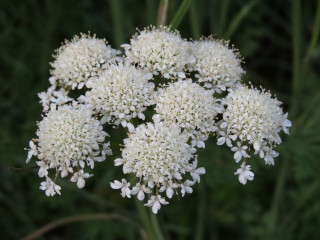
These substances are also widely distributed in medicinal plants. Some plants such as the citrus fruits, buckwheat (Fagopyrum esculentum), as well as all white and yellow flowers, have significantly high levels.
There are four main groups of flavonoids:
- Flavones Including apigenin from celery, luteolin from horsetail (Equisetum arvense). Also included are the isoflavones (isomers of flavones with steroidal properties) eg: genistein in clovers, gorse (Ulex europaeus) and other legumes.
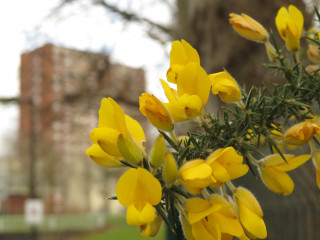
The flavonoids found in gorse flowers are isoflavones; known for their steroidal properties - Flavonols Among them are quercitol (glycoside= rutin) found in buckwheat (Fagopyrum esculentum), rue (Ruta graveolens) and more than half of all plants ever tested, as well as kaempferol, also in more than 50% of plants tested.
- Flavonones Included here are eriodicytol and methyl-eriodicytol, which together make up ‘citrin’ of citrus fruits. The glycoside is hesperidin. Another well-researched flavonone is liquiritigetol in liquorice (Glycyrrhiza glabra).
- Xanthones Include gentisin from gentian (Gentianella spp).
Viewed as a group, the flavonoids have numerous important pharmacological properties. Many are diuretic; others are documented as anti-spasmodic, anti-inflammatory, anti-septic, and even anti-tumour, although the main action of the flavonoid group is on the vascular system.
This all become known as a result of research carried out on the so-called ‘bio-flavonoids’ during the 1950’s. The fascination at that stage was on this new ‘Vitamin P’; and especially on hesperidin and rutin. There are four main categories of bioflavonoids that herbalists are concerned with:
- Quercetin (which acts as a backbone or precursor for other flavonoids grouped together as the citrus bioflavonoids – rutin, quercitrin, hesperidin) Quercetin is anti-inflammatory, inhibiting the manufacture and release of histamine.
- Citrus bioflavonoids.
- Proanthocyanidins
- Green tea polyphenols such as catechin, epicatechin, and epigallocatechin gallate.
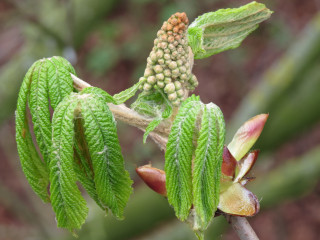
Bioflavonoids have been called “nature’s biological response modifiers” because they adapt the body’s reactions to allergens, viruses and carcinogens. They are also known to exert greater anti-oxidant effects than Vitamins C, E, Selenium and Zinc.
Bioflavonoids are known to reduce capillary fragility and permeability, as well as being effective in lowering blood pressure.
Allopathic practitioners treating the capillary symptoms of hypertension, diabetes, arsenic poisoning and allergic conditions often use rutin. Buckwheat has high levels of flavones so is often used by herbalists for much the same problems.
Bioflavonoids and Vitamin C
During 1936, research by Albert von Szent-Gyorgyiin discovered that scurvy was only helped when ascorbic acid was given with bio-flavonoids.
Ascorbic acid is present in fruits and vegetables only with a bio-flavonoid molecule. It is known to act as a regulating factor in the peripheral circulation as well as exhibiting anti-inflammatory and diuretic properties.
Anthocyanidins.
These molecules are named after the Greek words anthos meaning flower, and kyanos meaning blue. Similar in structure to flavonoids, these pigment molecules are the glycosides of anthocyanins.
They are freely found in hawthorn, elderberry (Sambucus nigra), blackberry, and blueberries (Vaccinium spp) are well-known anti-oxidants, especially on the circulatory system and can be coloured anything from blue to red. They are currently subject to much research.
Anthocyanosides
These are molecules built from a backbone of anthocyanidins. They occur in relative abundance in dark-coloured fruits such as bilberries, blackcurrants and blackberries.Anthocyanosides exhibit strong anti-oxidant activity.
Proanthocyanidins
Also known as oligomeric proanthocyanidins (OPC’s), or condensed tannins.
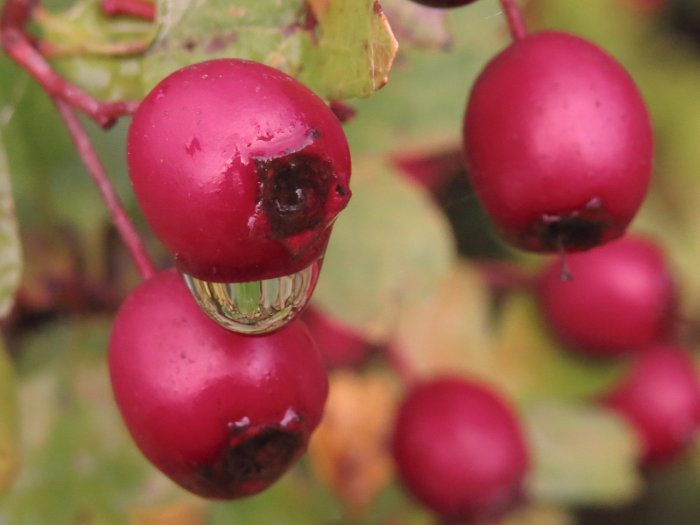 An oligomer (from the Greek oligos- ‘a few’) is a molecule made from a few monomer units (from the Greek mono -‘one’ and meros -‘part’), contrasted to polymers, that in principle can be made from an unlimited number of monomers.
These molecules are famously found in hawthorn, bilberries and blackberries and contribute to its medicinal actions. The effects of OPC’s are to increase intracellular vitamin C levels, decrease capillary fragility, scavenging oxidants, and inhibition of collagen destruction.
Coumarins
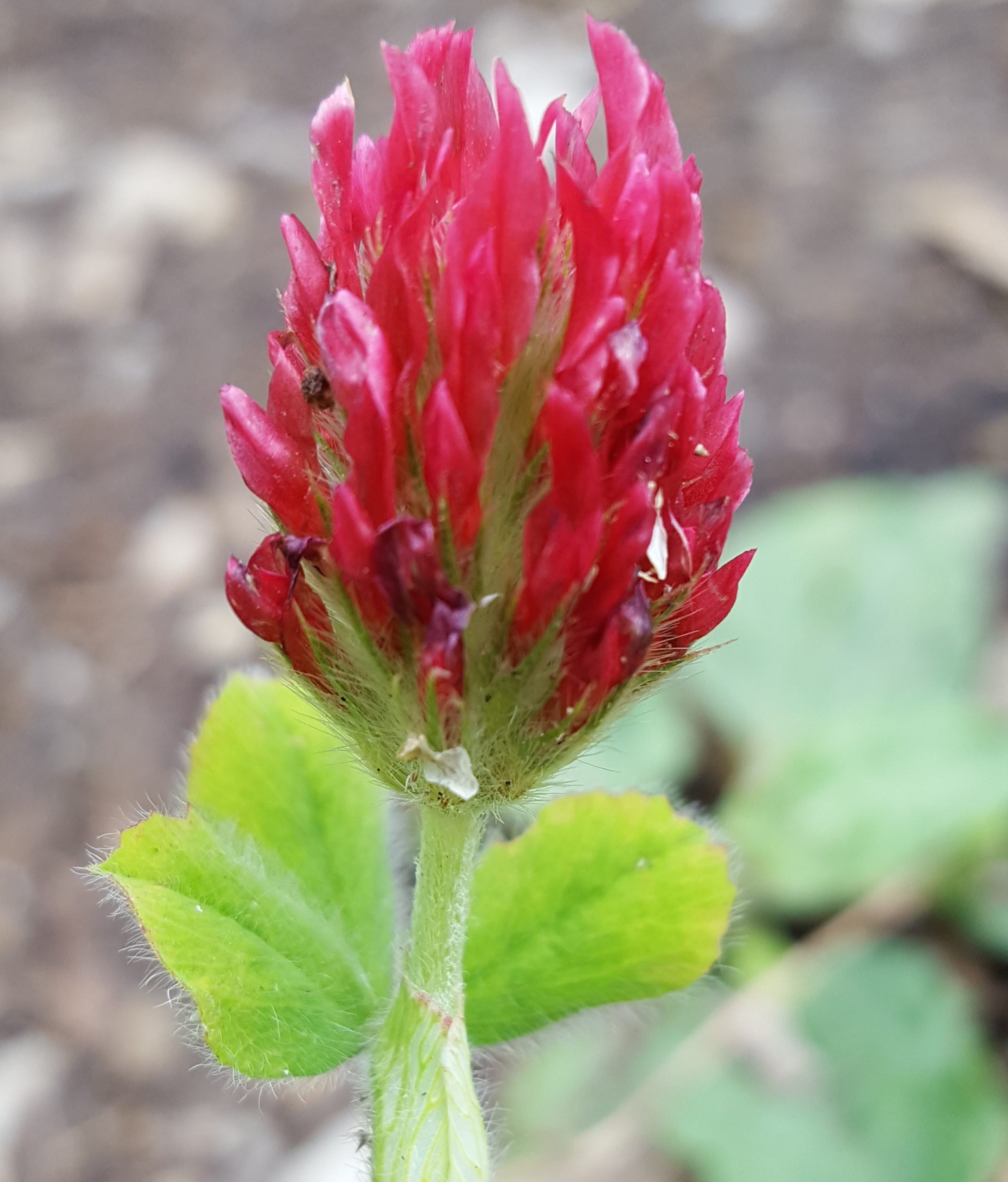
These molecules are found throughout the plant kingdom and particularly in the leaves of the pea family.
A fermentation product of coumarin (dicoumarol), occurring naturally in spoilt sweet clover, is a potent anti-coagulant, widely known for being the basis of the rat poison ‘warfarin’. It is coumarins that can be smelt following the cutting of grass.
Anthraquinones
These molecules are similar to coumarins in structure. Known for their strong purgative action, they appear in plants as glycosides. Medically, plants with useful amounts of anthraquinones are used as laxatives
Anthraquinones are found in yellow dock-root (Rumex crispus), rhubarbs, senna (Senna alexandrina), alder buckthorn, and the well-known succulent houseplant, Aloe vera.
Volatile oils in medicinal and edible wild plants
The countless different mixtures found within plant essential oils provide us with some of nature’s most potent medicines.
The name essential oil stems from the fact that when they were first distilled, it was believed that the captured volatile components were the material aspect of a plant’s spirit essence.
Generally speaking, we know that essential oils are mixtures of hydrocarbons and other oxygenated compounds derived from them.
The most common hydrocarbon present is the terpene, a molecule created by the repeated addition of isoprene molecules (C5 H8). With different variations of this building block, a wide range of substances can be synthesised in plants.
Monoterpenes (C10 H16); Sesquiterpenes (C15 H24); Diterpenes (C20 H32); Sesterterpenes (C25 H40; Triterpenes (C30 H48).
Monoterpenes
The largest constituent group of volatile oils. Monoterpenes are extremely volatile, evaporating at temperatures above 40˚C. They are the top notes detected when inhaling any volatile oil.
Examples include: borneol, camphene, camphor, carvacrol, carvone, citral, citronellal, cymene, cymol, fenchone, geraniol, limonene, linalool, menthol, menthone, nerol, phellandrene, pinene, thujone and thymol.
Monoterpenes have anti-septic properties. Compared to the antiseptic quality of phenol, (the molecule used as a standard pharmaceutical marker for an anti-septic), thymol is 20 times as potent.
Some monoterpenes have fungicidal and anthelmintic effects e.g. thymol.
Others have a localised circulatory-stimulating, rubefacient property. These include: menthol, camphor and borneol. For this they are regularly included in ointments and linaments.
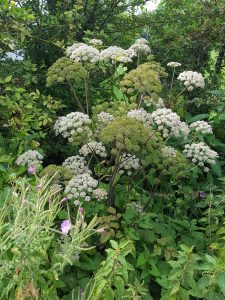
Internally, they produce an expectorant action. Some examples are cineol from Eucalyptus (Eucalyptus globulus), pinene from garden angelica (Angelica archangelica), and pinene-borneol and others from garden thyme (Thymus vulgaris).
Numerous monoterpenes act on the nervous system. Carminative herbs are known to act through local nerve endings in the gut, producing an anti-spasmodic action.
Furthermore, some monoterpenes, including citral from lemon balm, as well as limonene, myrcene, citronellal and citronellol, have powerfully palpable sedative activity, citronellal being most potent. These monoterpenes can exhibit anti-spasmodic action comparable to the morphine alkaloid papaverine.
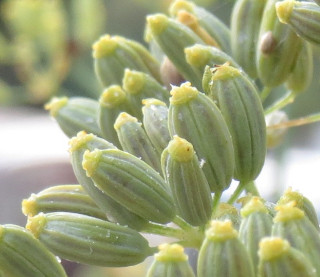
Other volatile oil constituents include the molecule anethole, which is found in fennel, and comprises up to 90% of the volatile oil extracted from aniseed (Pimpinella anisum).
Others, such as cineole, are notably found in Eucalyptus and cajaput oil (Melaleuca leucadendron); apiole, is found in celery and parsley; and myristicin from nutmeg (Myristica fragrans).
These substances, similar to other volatile components, have carminative, antiseptic, expectorant and circulatory stimulant qualities. Many members of the Allium family also contain volatile sulfurous substances.
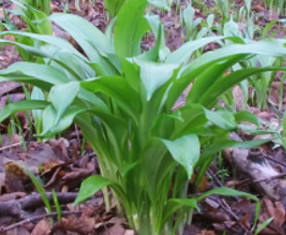 These are responsible for the distinctive, pungent aroma common in these plants. These include: wild garlic/ ramsons (Allium ursinum) bulb-garlic (Allium sativum), onions (Allium cepa) and many others.
Sesquiterpenes
These are the largest group of terpenes in the plant kingdom, but only a few are volatile – notably the azulenes, bisabolol, and farnesene, which are extracted from chamomile and yarrow.
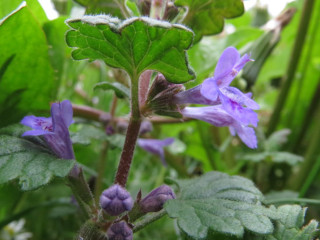
Sesquiterpenes are very bitter tasting; something you will already know if you have tasted dandelion sap. The daisy family is nature’s largest bank of these molecules, though certain mint family plants such as ground ivy, will contain them also.
Sesquiterpenes have a higher molecular weight and are therefore less volatile and less associated with volatile essential oils.
They give rise to the range of different ‘middle’ and ‘bass’ notes detected from a particular essential oil. The azulenes being a case in point.
These molecules are magic! In the living plant, they won’t be found. But they appear as a product of steam distillation and are responsible for the blue colour of yarrow essential oil. 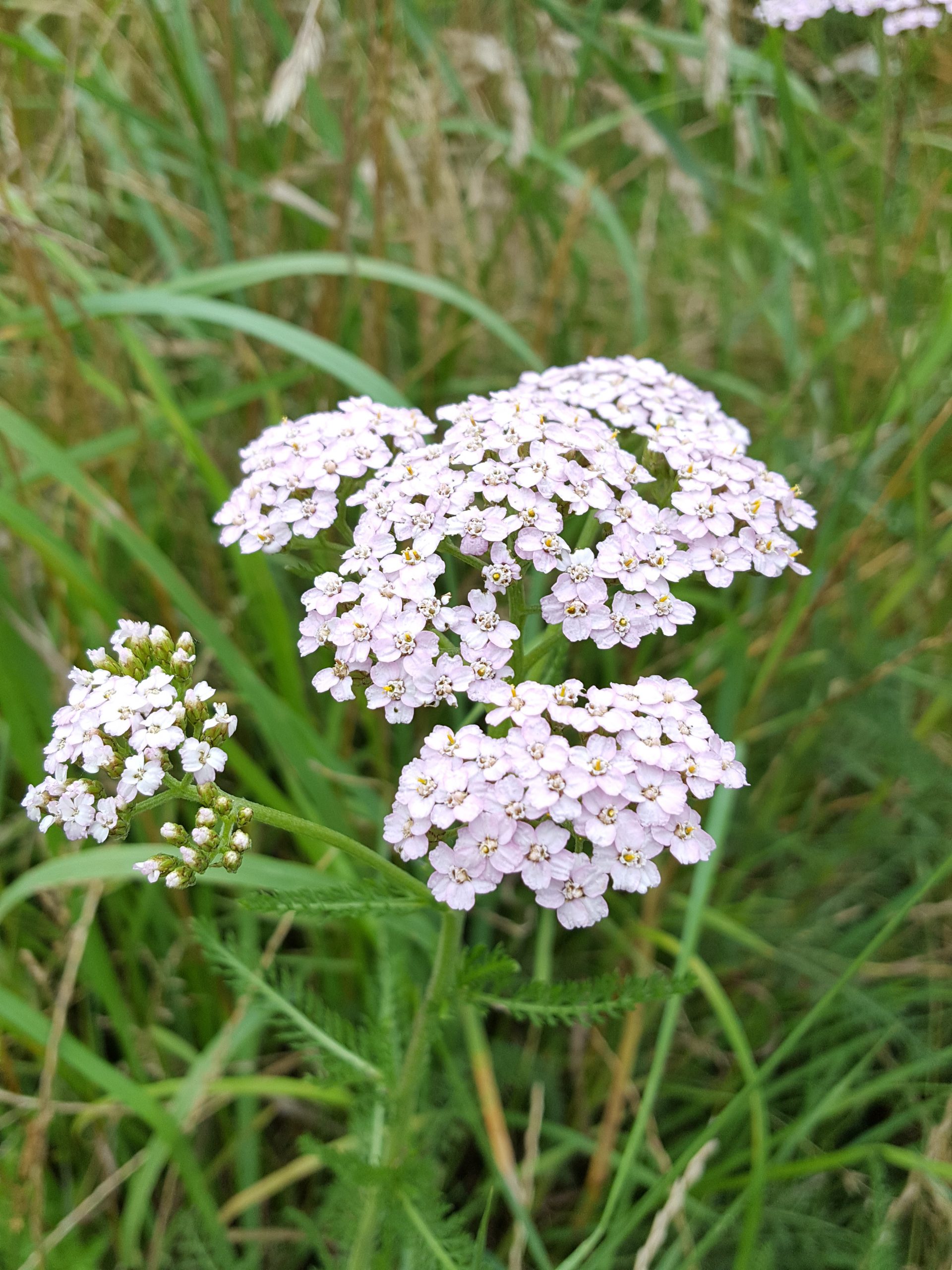
The azulenes will be found in your cup of herbal tea should you have infused the material in a vessel with a lid!
Azulenes are notable for being potent anti-inflammatories and antispasmodics. They reduce tissue reactions of a histamine-induced nature, as well as generally calming the nervous system.
They are also strongly antiseptic as well as exerting a reduction of the anaphylactic shock effect due to many allergic responses. They are therefore indicated for hay fever, allergic asthma, and allergic eczema.
Esters
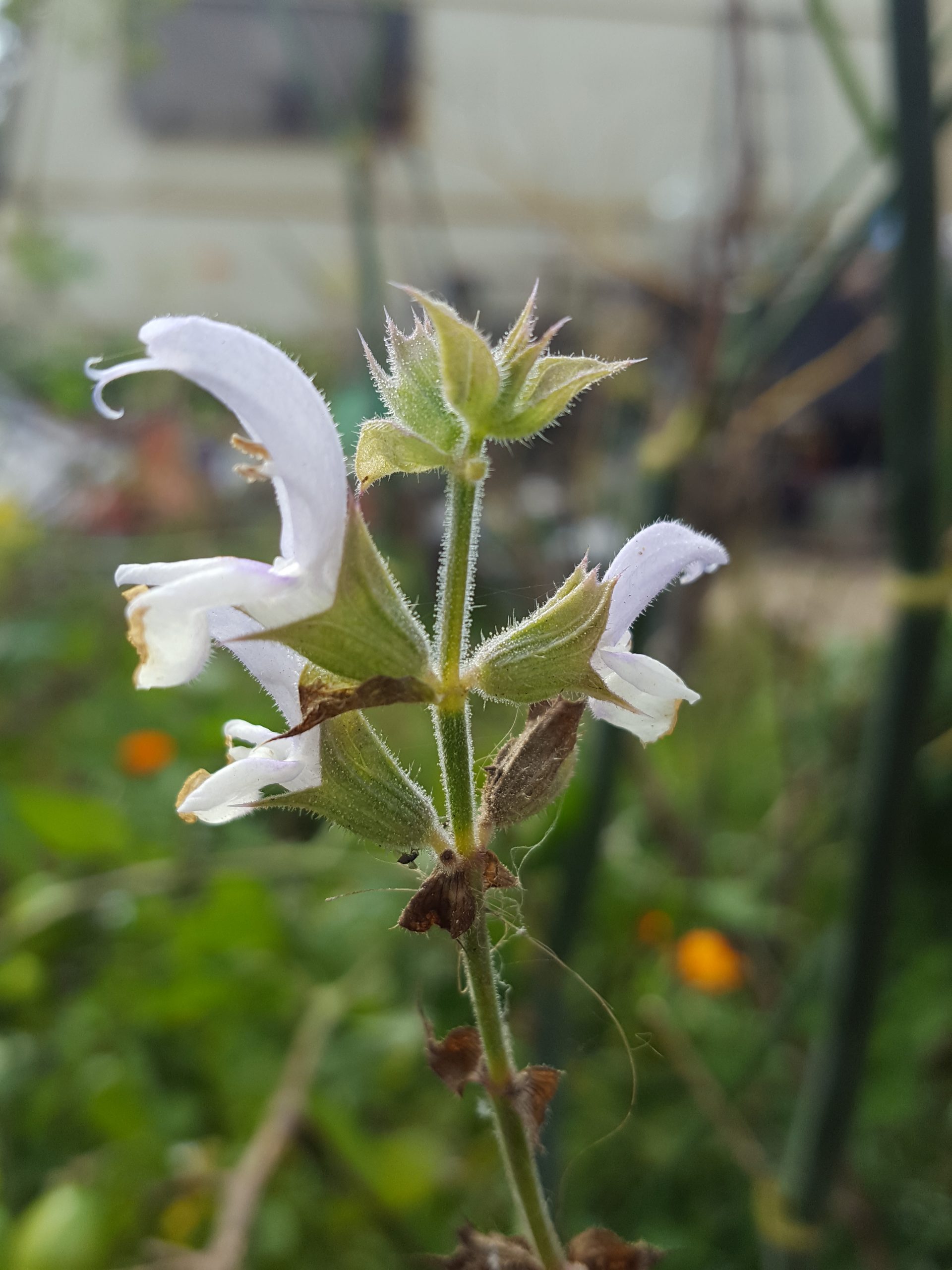
These are important constituents of essential oils. Most esters are known to be antispasmodic, anti-inflammatory, and calming, as well as being a tonic to the nervous system.
Esters are reportedly the gentlest and safest components of volatile oils and are harmless on the skin.
They include geranyl acetate, found in lavender and Eucalyptus; and linalyl acetate, the main constituent in lavender, bergamot (Citrus x bergamia), and clary sage (Salvia sclarea).
Resins
These are a complex group of solid and occasionally liquid substances. They are insoluble in water, but soluble in alcohol, ether, and chloroform.
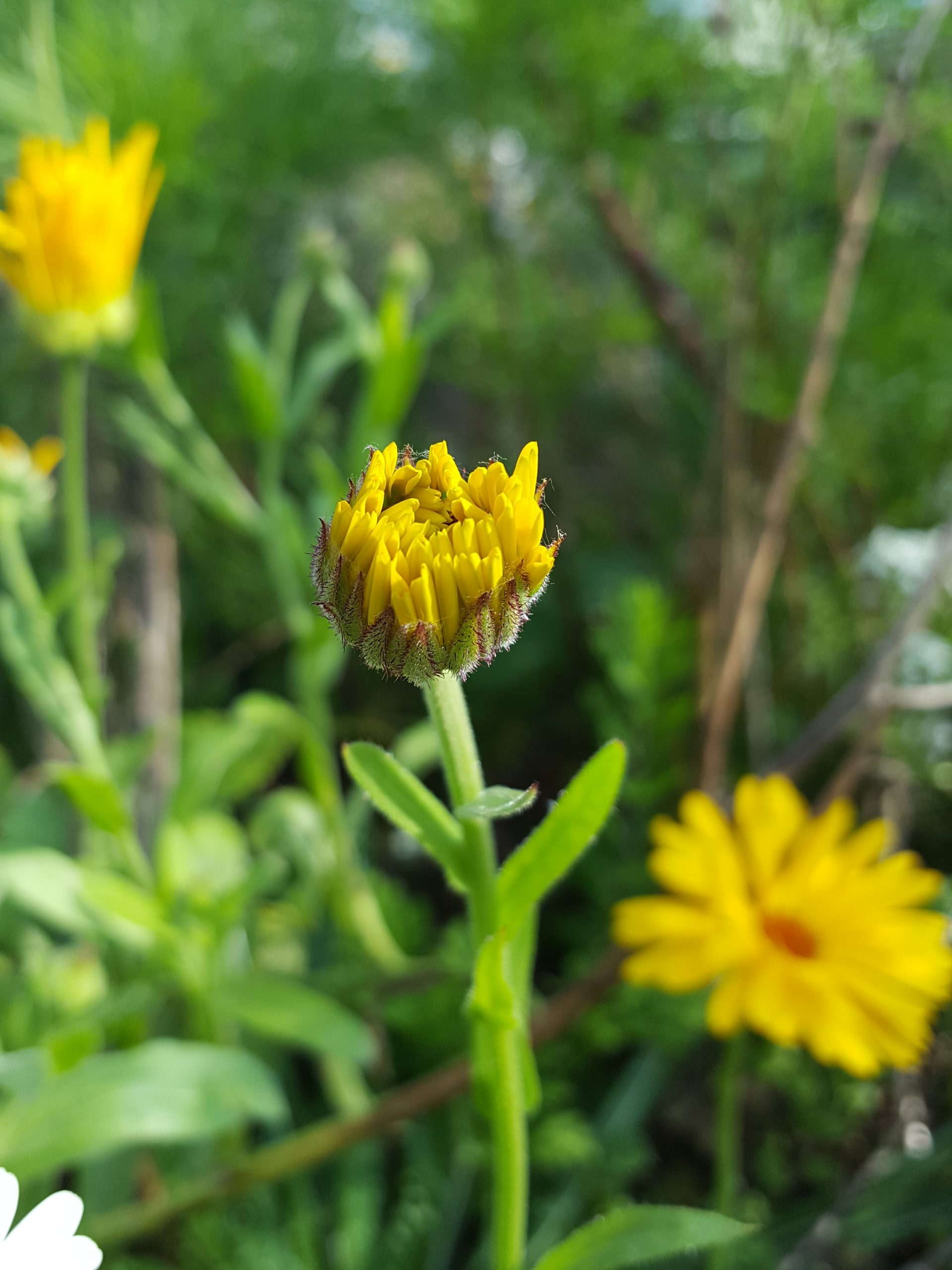
A number of plants produce them as self-defensive, protective mechanisms, either as a result of injury or pathogenic attack. Other plants produce them as a matter of course during flowering.
Plant resins are a mixture of resin alcohols, acids and phenols, esters, and other inert substances. These can be fashioned with essential oils and gums to create ‘oleo-resins’ and ‘gum-resins’, or even compounded to create ‘oleo-gum-resins’. Pines (Pinus spp) produce well known sticky resins.
Cannabis (Cannabis sativa) and hops both produce an ‘oleo-resin’, whilst myrrh (Commiphora molmol) and frankincense (Boswellia spp) contain oleo-gum-resins.
Some of the medicinal effects of the resins include the stimulation of phagocytosis (white blood cell’s destruction of harmful bacteria) and antiseptic qualities.
Therapeutic actions of essential oils
Volatile oils are highly permeable and therefore easily pass through fatty membranes. This helps explain their use as antiseptics, whereby they kill pathogenic single-celled micro-organisms.
All volatile oils diffuse rapidly into these organisms, where they are thought to disrupt internal cellular mechanics. Through this solubility, volatile components are easily distributed throughout our bodies, exerting their antiseptic qualities.
Volatile oils reportedly also trigger increases in white blood cell production, enhancing the body’s own natural defence systems. The respiratory, urinary, and digestive tracts, as well as the skin, nervous system, and all our mucosa, are the primary areas where volatile oils exert their range of effects.
Tissues that volatile oils come into contact with are stimulated in important ways, such as vaso-dilation and general increased circulation.
When nerve endings in the digestive system are stimulated they produce increases in gastric juice secretion, salivation and appetite.
Peristalsis is improved whilst flatulence and colic are relieved. Volatile oils are notable for exerting important effects on the C.N.S including tranquilizing (dampening down of messenger molecules), whereas peripherally, anti-spasmodic effects are noticeable.
Digestive conditions such as dyspepsia are known to be relieved through the relaxation of internal tissues brought on by volatile oils. Asthma will be greatly assisted by relaxation of the bronchioles, which can feedback to relieve tensions often found elsewhere in the C.N.S.
It is always worth remembering that tensions can be arrested and soothed as much ‘from the neck down’ as by any sedating of the mind. As we are aware, simply smelling a flower and its volatile oils can instantly evoke strong feelings and memories.
Saponins
The term is derived from the Latin word for soap – sapo, hence saponins exhibiting ‘frothyness’ in solution.
Saponins are the major constituent within soapwort (Saponaria offiicinalis), a plant whose roots have long been used as a soap.
Saponins are found in abundance in the chickweed (Caryophyllaceae) family of plants, of which it’s no surpise to learn that soapwort is a member.
They are also found in many different dicotyledon plants, although hardly at all in monocot plants.
Originally known medically for their haemolytic (red blood cell destroying) properties, saponin-containing plants have long been employed as arrow poisons and fish poisons.
Incidentally, saponins are toxic to all animals if intravenously injected, which is one reason why whole plant extracts are not administered in this way.
However, it is the property of the whole saponin molecule that is toxic. When they are ingested, the complete saponin-glycoside molecule is quickly broken down in the stomach, leaving the pharmacologically active, sugarless ‘aglycone’.
This sugarless saponin is not haemolytic to humans. However, fish and other cold-blooded creatures are always poisoned by saponins, in any form.
The steroidal form of saponin is found in the majority of plants. Steroidal saponins have structural similarity with steroid hormones, cardiac glycosides, and vitamin D.
They are the framework for the modern production of synthetic hormones. The contraceptive hormone dioscin was first synthesised from an extract of the yam.
Many saponins act on the respiratory system, where the presumed action is again thought to be by reflex action, this time as a result of their reported emetic effect if taken in higher doses.
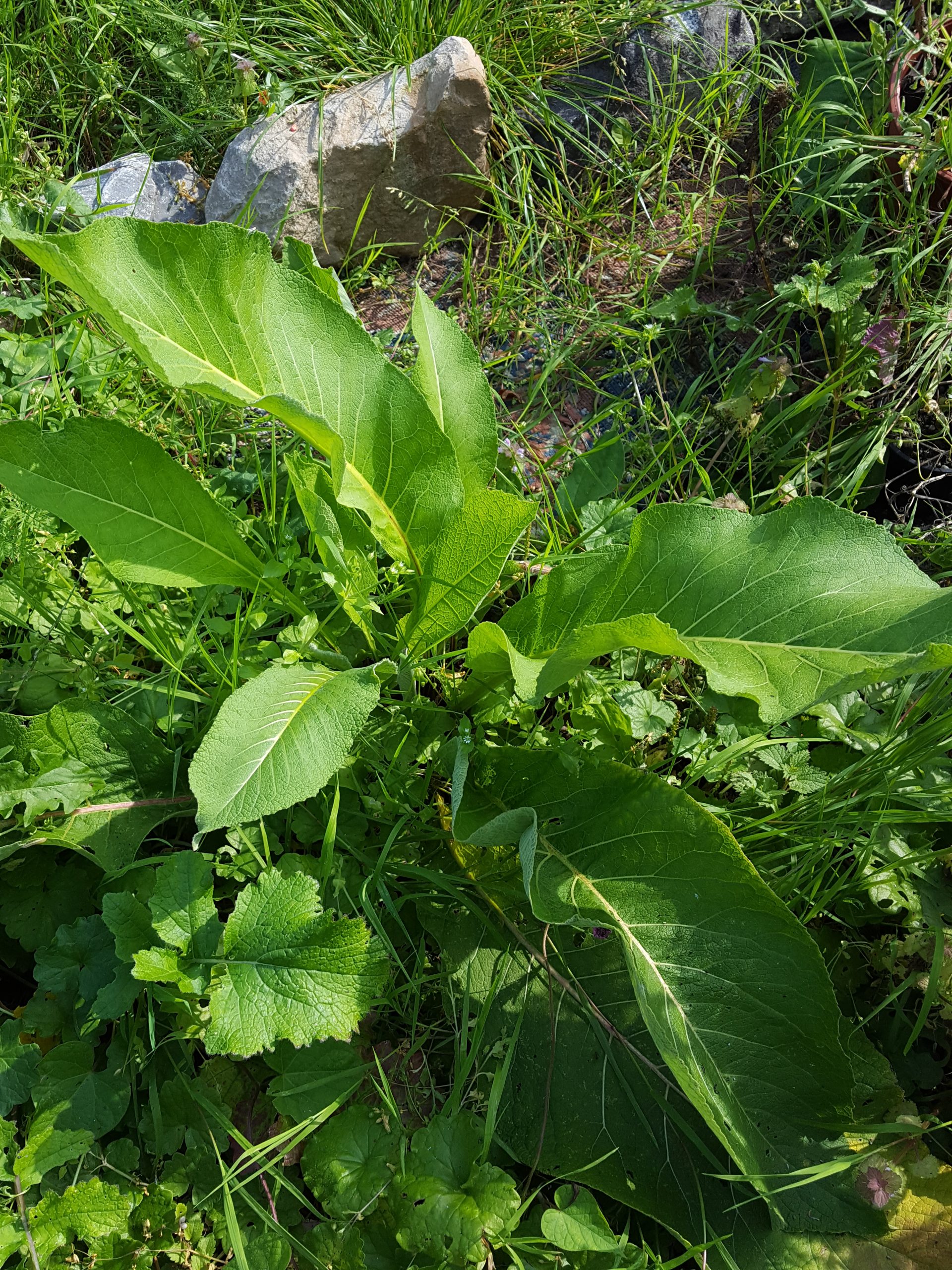
At doses well below this they are acknowledged to stimulate expectorant activity, notably in mullein, elecampane and liquorice.
Some can settle the stomach, aiding the absorption of minerals. Oats (Avena sativa) are a suitable saponin-containing remedy for this.
Other saponins are anti-inflammatory, such as those found in sweet-corn silks (Zea mays) and silver birch.
Carotenoids
These pigment molecules are derived from the triterpene skeleton. Closely related to vitamin A (converting to it within the body), carotenoids are found in yellow, orange, and red pigments in plants.
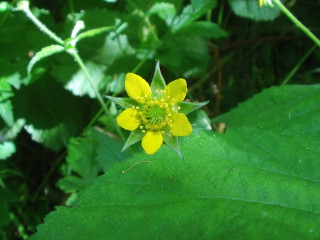
Common examples are lycopene from tomatoes (Lycoperiscon esculentum) and beta-carotene from garden carrots (Daucus carota ssp sativus).
Carotenoids are present in every plant, and just like the chloroplasts in chlorophyll are the site of photosynthesis.
Carotenoids are the precursor to pigment molecules such as lutein, which has been called the most abundant carotenoid in nature.
The word lutein is derived from the Latin word –Luteus, meaning yellow – and gives flowers their yellow colour.
Cardiac glycosides
Together with the opiates, these are possibly the most studied of all the plant constituents. Cardiac glycosides reportedly have very similar properties to steroidal saponins, and are found together in many plants.
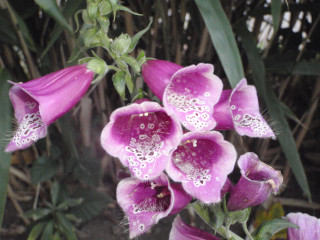
Cardiac glycosides have a well-established use in preventing unpleasant symptoms of heart failure such as the aggregation of fluids, whilst also combating shortness of breath when lying down.
They were famously extracted from a folk-remedy for ‘dropsy’ during the latter part of the 18th century by a Shropshire doctor, intent on isolating the miraculous active principle. The remedy included foxglove, which the doctor knew from experience to be the active principle.
The miraculous heart-saving molecule digitoxin was finally isolated in 1875, with digoxin later isolated and used since 1957. The effects of cardiac glycosides such as digoxin are known to vary with the condition of the heart muscle cells, and the dosage. The use of these potent drugs by clinically untrained people cannot be recommended.
Cyanogenic glycosides
These molecules take their name from the breakdown products after hydrolysis – prussic acid (hydrogen cyanide). Therefore in any quantity, these compounds are very toxic.
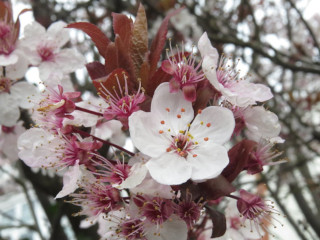
They are one of the primary constituents responsible for the aroma and flavour of bitter almonds and are common in many stone fruits of the rose family.
These include blackthorn, cherry, plum, cherry-plum, peaches, apricots, and hawthorns, as well as unrelated plants, elder and clover.
By using plant medicines with small amounts of cyanogenic glycosides, noticeable antispasmodic and sedative effects are produced.
They also have an effect on the parasympathetic nervous system, slowing the heart rate and improving digestion. The lungs are known to excrete these molecules quickly.
Mustard oil glycosides
Otherwise known as glucosilonates, these molecules are found in the brassica family. More than 60 compounds have been isolated and they are responsible for the pungent aroma from members of this large family.
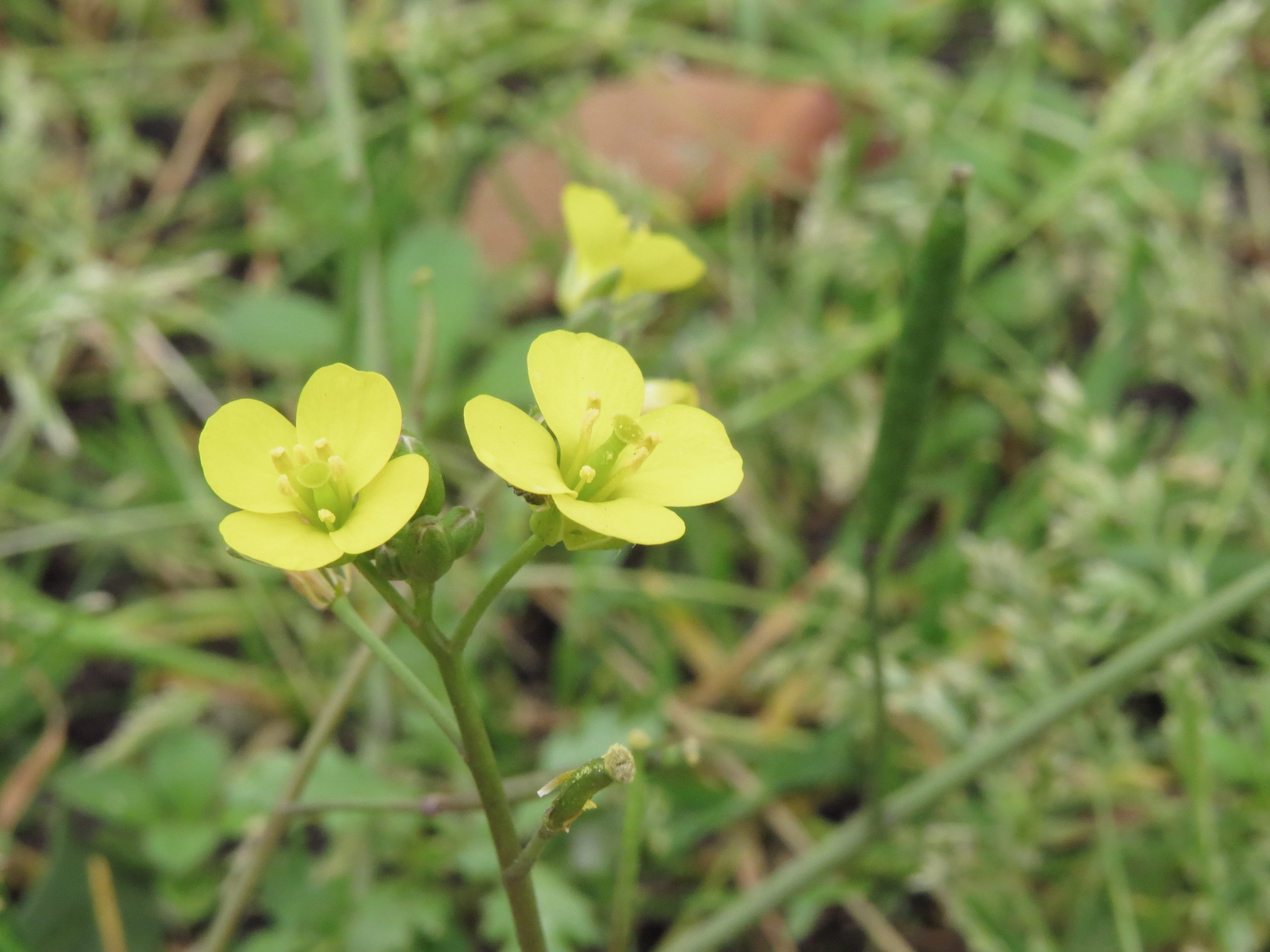
Plants containing these glycosides are used mainly to increase blood flow to membranes they contact. Hence their use as rubefacients to increase local blood flow. A classic example of their traditional use is the mustard footbath.
As a group, these acrid molecules were mainly known for stimulating and toning the circulation, slowing the heart rate, and improving digestion.
Glucosilinates are said to increase anti-oxidant defence mechanisms as well as improving the body’s inherent ability to detoxify and eliminate harmful chemicals. They are the subject of much anti-cancer research, discussed presently.
Bitters
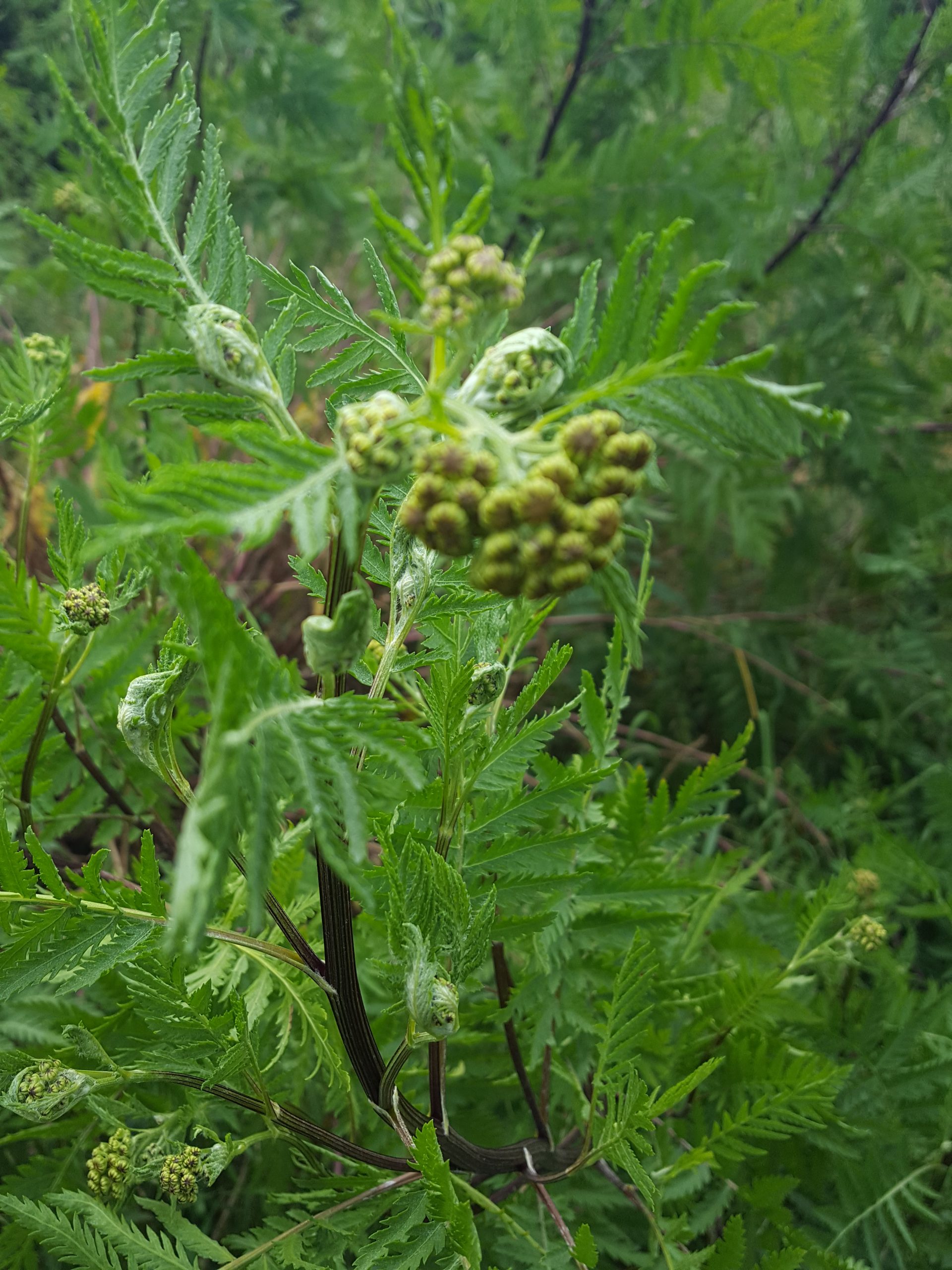 These are central components within any herbal approach to treatment. Most plant remedies have at least a small amount of bitterness. The diverse range of bitter principles in plants amounts to the largest and most diverse group of plant constituents.
Bitters will only work through the bitter-tasting receptors in the mouth and have no effect if taken as a capsule or masked by syrups. They produce a number of reactions including:
- Increasing gastric acid secretions
- Stimulating pepsin secretions
- Stimulating pancreatic digestive secretions
- Intestinal juice production
- Hepatic bile flow
- Insulin derived glucagon secretions
- Toning the muscle of the lower oesophageal sphincter
- Toning the muscle of stomach wall and small intestine
- Cell division and growth of gastric and duodenal mucosa
- Cell division and growth of the pancreas
Alkaloids
These are probably the most studied and some of the most potent and toxic plant products.
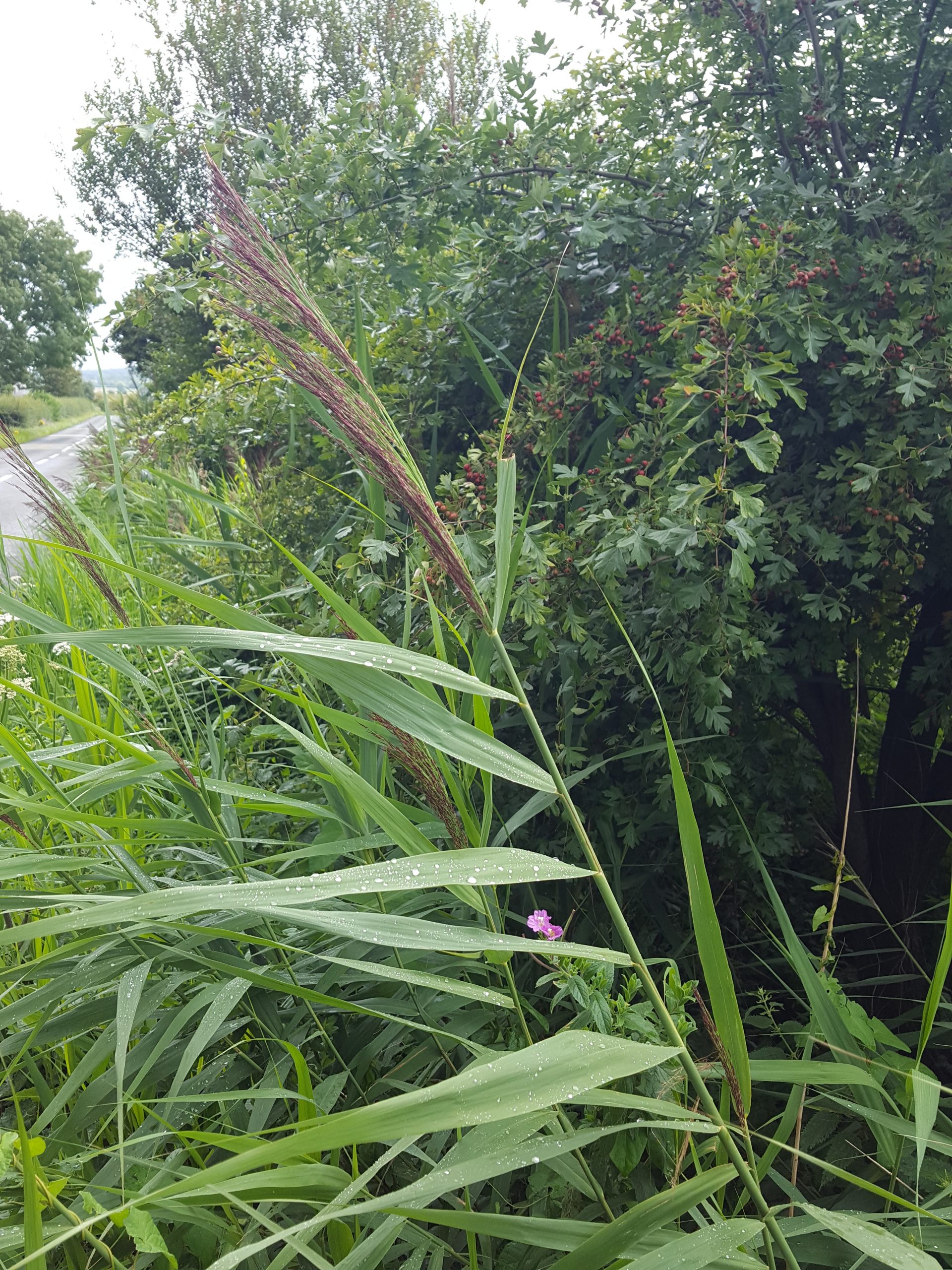
Most plants have at least some alkaloids in them. Chemists have divided the alkaloids into various groups in order to reflect their different origins (biosynthetic pathways) within plants.
Pyrrolidine alkaloids come from the amino acid ornithine. They act on the parasympathetic nervous system, blocking nerve activity. Included here are cocaine, hyoscyamine, scopolamine, hyoscine, solanine and atropine.
Many of the Solanaceae plants including henbane, datura, belladonna, and bittersweet, contain these types of alkaloids.
Pyrrolizidine alkaloids have a reputation for notable toxicity linked with liver damage. This is another group emanating from the amino acid ornithine, found in ragworts (Senecio spp), coltsfoot, and the borage family – famously comfrey. The potential risks from eating comfrey are addressed in the upcoming article on comfrey.
Indole alkaloids are built from the amino acid tryptamine. Included here are the mood molecules (see nervous system chapter) such as serotonin, adrenaline, and noradrenaline, as well as the tranquilizing alkaloids found within the numerous passionflowers.
Also of note are the products of ergotamine, such as lysergic acid diethylamide (L.S.D), and the well documented central nervous stimulants strychnine (famously found in Strychnos nux vomica), johimbine (from Corynanthe yohimbe syn Pausinystalia yohimbe), and psilocybin, the latter being found in ‘magic’ mushrooms.
Quinoline alkaloids include the anti-malarial drug quinine which gives its name to this group of molecules. This substance was originally derived from Cinchona ledgeriana. Also included here are the isoquinolines.
They are all constructed from the amino acid phenylalanine. Notable extracts include mescaline from the low-growing peyote cactus (Lophophora williamsii), the opiate alkaloid papaverine and the compounds berberine and hydrastine from Berberis and Mahonia species.
Purine alkaloids These are derived from the nucleotides adenine and guanine and act on the nervous system, prolonging the life of many secreted hormones including adrenaline.
Included in this group are the xanthine alkaloids caffeine, theobromine, theophyllene, and aminophyllene from coffee shrubs (Coffea arabica), cocoa (Theobroma cacao), and the tea plant (Camelia sinensis) respectively.
Please feel free to contact me with any questions you have about foraging for Britain’s medicinal and edible wild plants