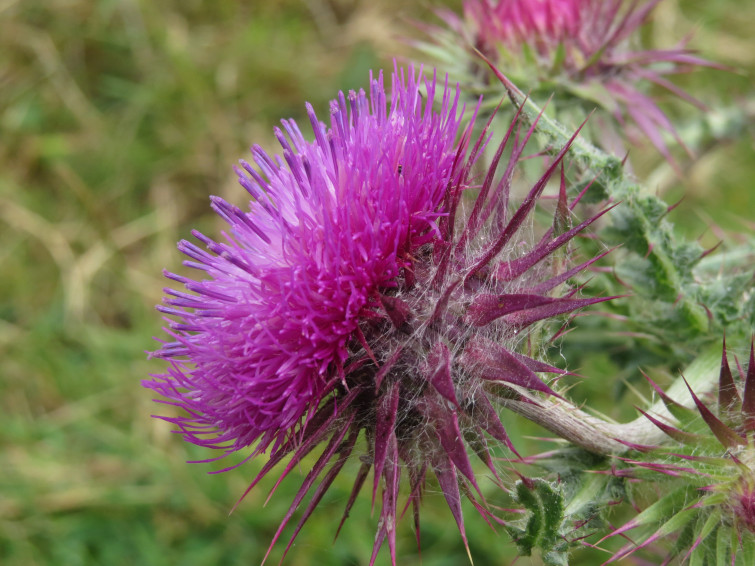
A guide to foraging for edible thistles (without feeling a prick).
Cirsium, Carduus, and Onopordum species (Asteraceae family)
Seeing as every thistle here is an edible thistle, here is where you can find a few of the best edible thistles out there.
Thistles are a constant bane of picnickers and campers. Who hasn’t trodden on the sharp, unforgiving spines of a thistle when out and about barefoot in grasslands?
For many people, relationships with thistles have generally been painful and irritable, but what if we looked at them another way, and looked at their virtues. Now you can get your own back on them!
As we know that every single thistle species is edible, these plants are great for foraging beginners!
Even the closest lookalike plants found in Britain are edible, such as the sow thistles (Sonchus spp) and sea holly (Eryngium maritimum).
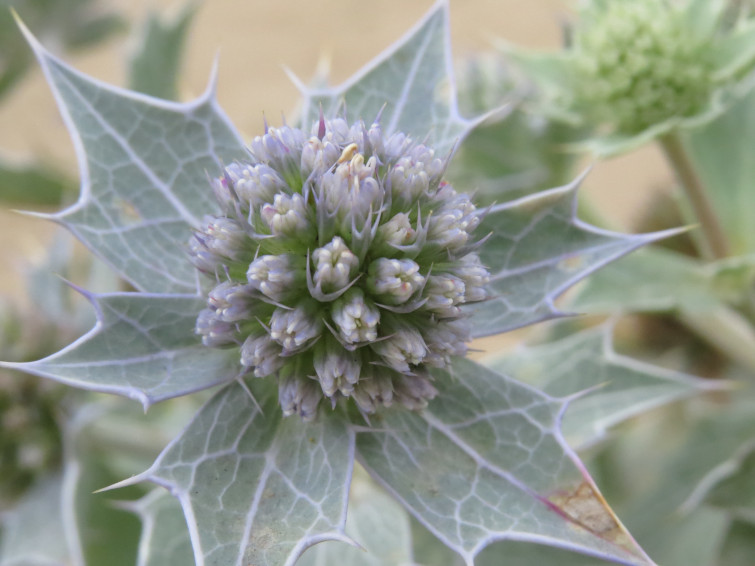
So when working with the thistles, you can learn to identify and proceed to experiment with utter confidence from the outset.
I have written about Britain’s poisonous and toxic plants in another article, which foragers should consider necessary reading! For any technical language you don’t recognise, this glossary helps you become accustomed to the language of plants.
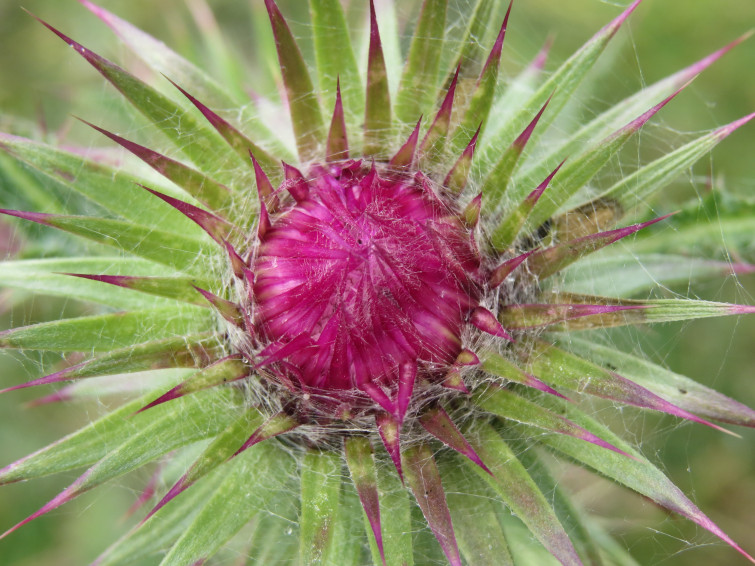
We have at least 14 species of thistle growing wild in the UK, mostly from the Cirsium (aka plume thistles) and Carduus genera.
Thistles are found in numerous settings all over the UK, and can be a useful soil health barometer. Often their presence signifies that the land is fertile, and in many instances, neglected.
I have eaten from a number of different species. These are: creeping thistle (Cirsium arvensis), spear thistle (C.vulgare), woolly thistle (C.eriophorum), marsh thistle (C.palustris), cotton thistle, (Onopordum acanthium) and the welted thistle (Carduus acanthoides syn C.crispus).
As you will discover, plants that have spines to offer protection against predators, have no real need for bitterness.
Identifying thistles
All thistles belong to the large daisy family (Asteraceae). It’s almost impossible to misidentify a thistle, at least from any other plant that is not a thistle.
There are some easy-to-spot botanical differences between thistles and their numerous relatives in the daisy family. These are that the leaves, and the overlapping bracts (involucre) found directly below the flowers of thistles are always spiny. Simple!
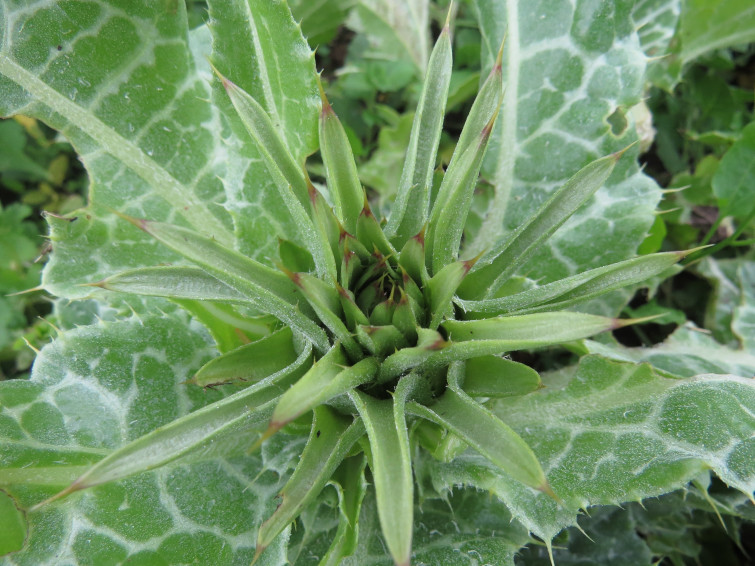
The leaves of the numerous species will differ in size, shape and density of spine coverage. Most have stiff spines on the margins, but some have soft prickles. You need to discover for yourself which are the more tactile!
When in flower, most thistles produce a lovely purple / mauve bloom, but some species are known for their yellow inflorescence (cabbage thistle – Cirsium oleraceum and the Carline thistle – Carlina vulgaris).
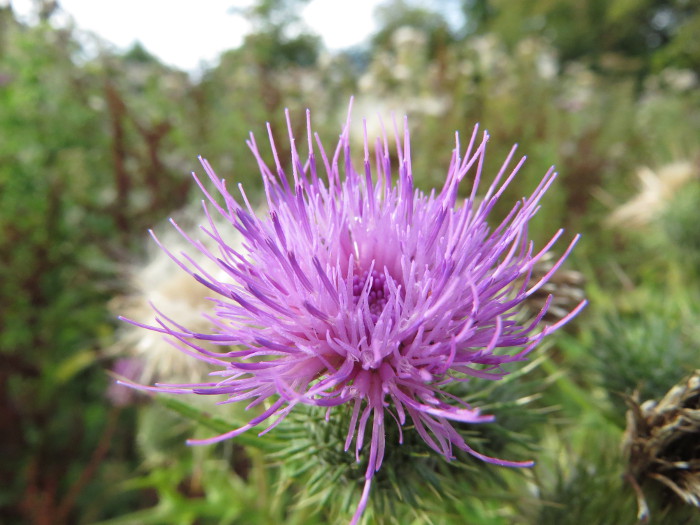
In all of the thistles, flowers give way to copious amounts of fluffy hairs. This pappus is attached to their tiny seeds, superbly designed for air-borne dispersal.
Creeping thistle produces dense spines on its leaves, but very few spines or hairs on the flowering stems.
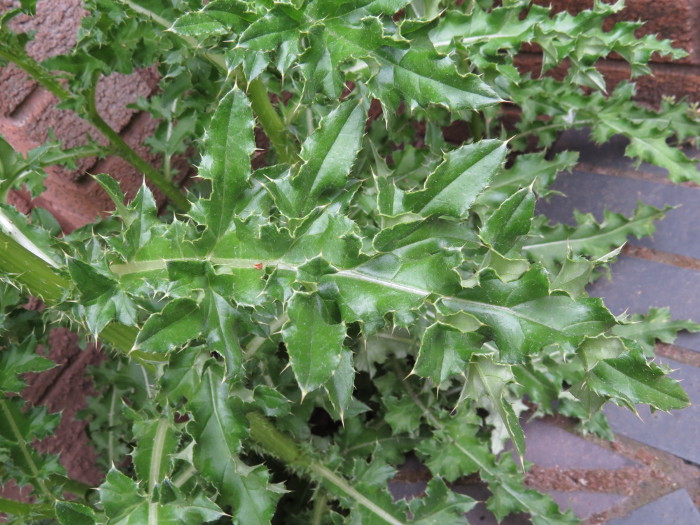
Spear thistle has large, deeply-lobed leaves with large spines as well as hairy, and very spiny stems.
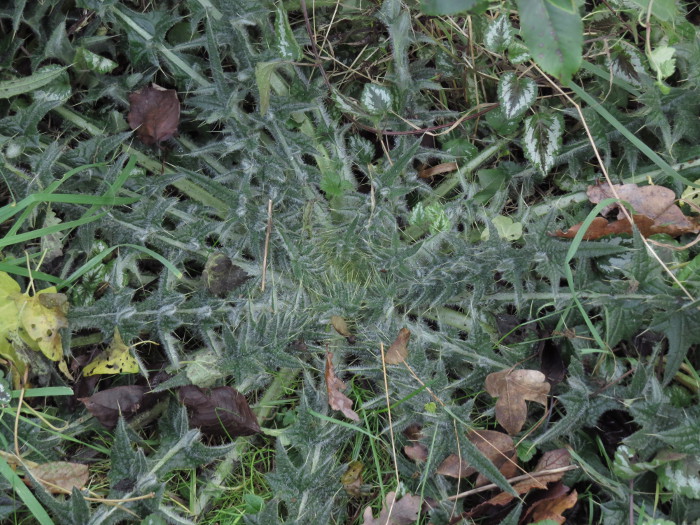
Marsh thistle looks somewhat like spear thistle at an initial glance, but without the large spines and leaf lobes, but usually with a thin, red, leaf margin.
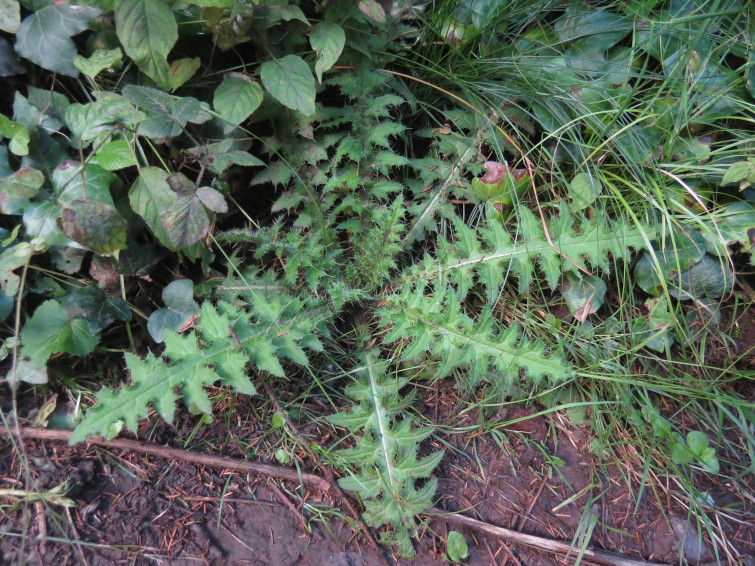
I don’t usually eat the marsh thistle as the stems are quite thin and prickly. At least the creeping thistle stems are really easy to handle. I will take occasional flower heads to sprinkle the thin florets into salads.
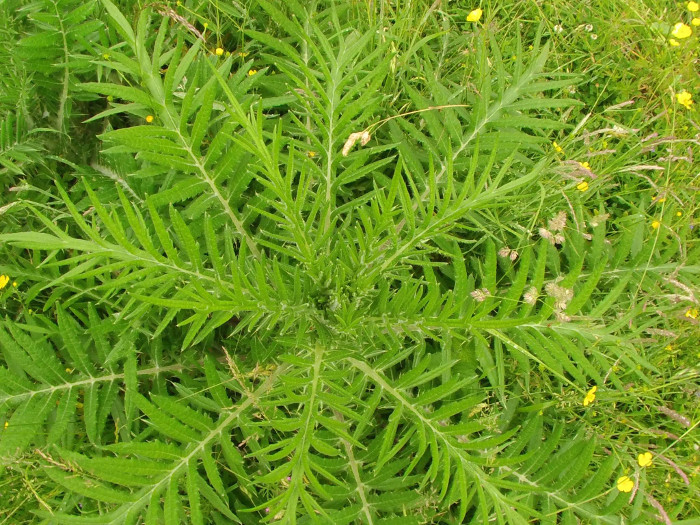
Woolly thistle is easily identifiable with large, deeply-lobed, evenly-shaped leaves, and very large flower heads, wrapped in a ‘cobweb’ of cotton-like hairs.
This particular species is the largest wild thistle I use, aside from the rarely found milk thistle, (Silybum marianum). Although if you have milk thistle you can use that as well, but you will need good gloves to protect yourself from its long spiny flower head!
In fact Milk thistle was formerly planted in numerous walled gardens as a fallback famine food if vegetables failed.
Where to find thistles? Everywhere!
Creeping thistle will grow in all manner of waste-ground, grasslands, verges and field edges.
I also see a lot of spear thistle in similar habitats, although when found in grassland, its not as abundant the creeping species. The root systems explain why; spear thistle has a tap root, whereas creeping thistle grows on rhizomes.
The marsh thistle, as its name alludes to, likes damp conditions such as fens, marshes, canal tow-paths and riversides.
Woolly thistle is a little bit more selective in its choice of soil and setting, preferring calcareous limestone or chalkland. It too enjoys grasslands.
Welted thistle can be found all over the UK, especially loving clay soils. Read more about where to harvest wild plants in my article, here.
Harvesting notes.
Go prepared! Stiff gloves and a knife are required. Harvest the best leaf mid-ribs in spring when growth is plentiful and quick. Your specimens will be tender and sweeter.
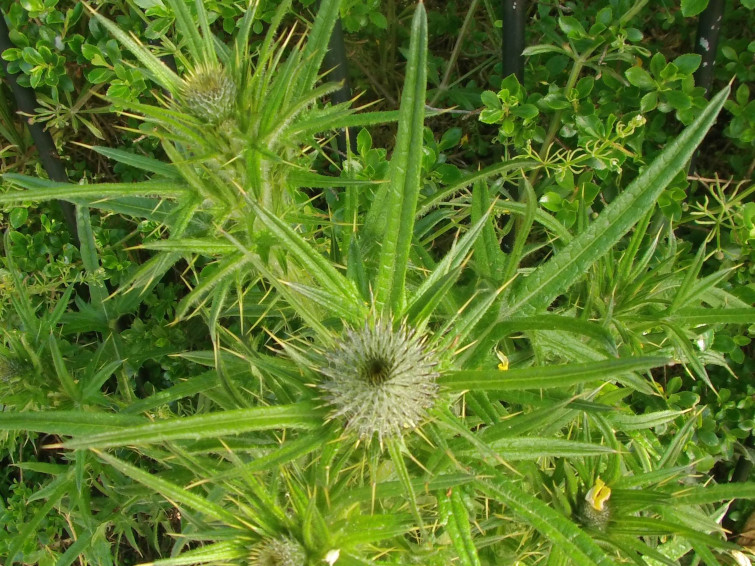
Flowering stems will appear from late spring through into autumn. I only consider harvesting from plants whose flower buds are yet to really begin unfurling. Flower buds (chokes) are available all summer. The question of timing and choosing your harvesting, and how this impacts edibility.
Eating milk thistle chokes would of course prevent you from harvesting the exceptional liver medicine found in the seeds.
Edible thistles provide nutrient-dense foods
In Portugal, a number of thistle species are still collected in spring and sold at markets. A recent academic study highlighted the nutritional value from eating thistles. The findings are contained within ‘Ethnobotany In The New Europe’ by Manuel. P de Santayana et al (Eds), published June 2010.
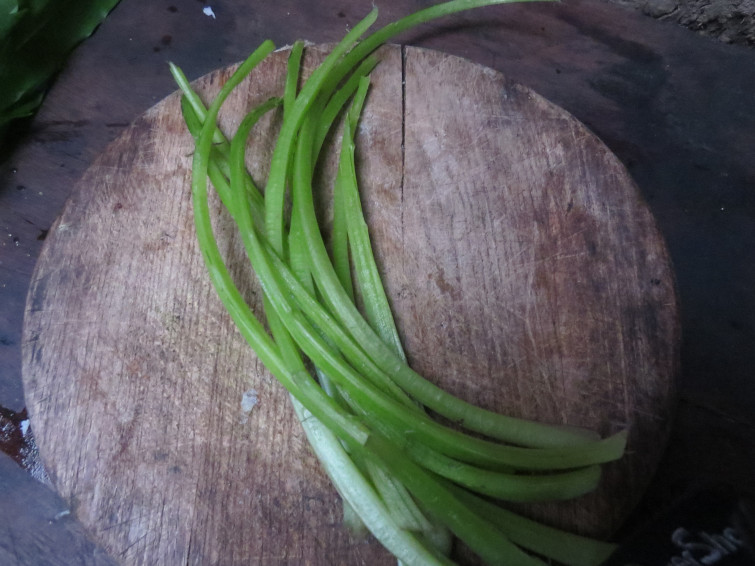
In the study, researchers noted the wide range of thistle species collected, and concentrated on the nutritional value of one particular thistle (Scolymus hispanicus.- spanish or golden thistle).
This plant is collected by villagers in various areas of the countryside. Bunches of the stripped leaf mid-ribs are sold and bought in a number of markets in different areas.
Levels of certain nutrients were analysed and compared to some commonly consumed vegetables. Their findings came to show that the thistle contained consistently higher levels of important major nutrients than some of our commonly consumed cultivated vegetables.
Weight for weight, thistles come out higher in fibre, protein, phosphorus, magnesium, calcium, copper, zinc, and other nutrients, which suggests foraging and cooking thistles is a great idea.
Is it likely that the thistles found wild here will be similarly endowed with a range of important vitamins and minerals? I’m more than happy to work on the assumption that this will be the case.
Many other wild plant species are known to contain higher than average concentrations of important nutrients.
How to use thistles in the kitchen
Preparing thistles is pretty easy. Simply choose the most tender specimens. If using the petioles, then cut and strip all the spines off, before peeling the outer, fibrous layer from the stalk.
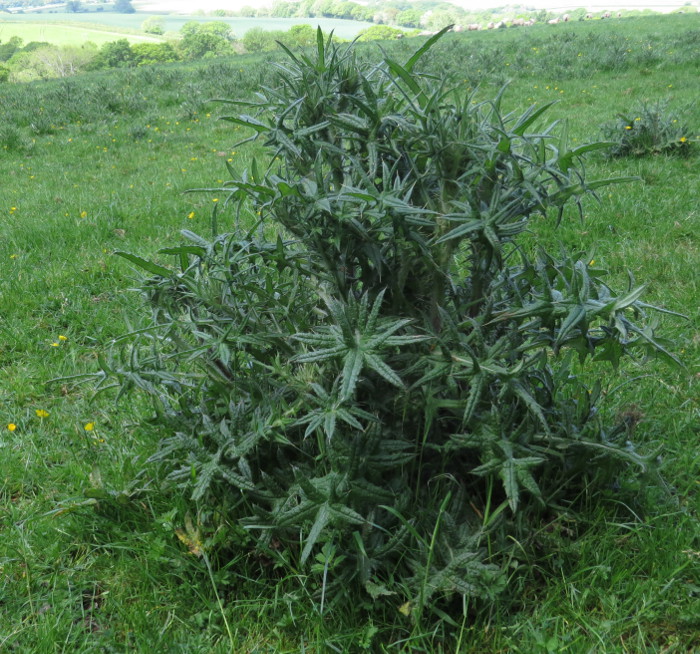
Use raw as crudités, pickle or ferment them, or chop into salads and serve them with a tangy vinaigrette. If cooking, they don’t require long!
Preparing the stems is similar, but they are hollow. These can be used in similar ways to the petioles, or you can stuff them, roast them, and braise them.
As relatives of another big thistle, the globe artichoke (Cynara scolymus), our more common thistles produce edible, if smaller, ‘chokes’. These are the crunchy, immature bases, or technically capitulum, of the composite flower-head.
So, just as you would do with globe artichokes, peel away the bracts to get to the prize. I only choose the largest wild species for this.
Thistles are included in my forager’s playing cards, as well as my foragers ‘top trumps’ style cards, and my Plant families memory pairs / SNAP cards. Contact me for more details
Happy foraging!