Foraging in November for Britain’s tastiest wild foods

Your at-a-glance guide to UK foraging in November.

Nine wild plants to get to know when out foraging in the late autumn months.

Good foraging in November often rests on hope and fortune. If your area has an early frost, pretty much all the exciting fungi will be gone. With this the case, we are really looking for the last of any fruits and nuts that we can find.

It has been said that after the frost, any remaining blackberries will taste as if the devil has spit on them. These days we know it isn’t Lucifer, but certainly they are never worth eating when even a light frost has touched them.  

Sweet chestnuts (Castanea sativa)

The last of these fantastic nuts may still be available. I’m no secret squirrel, but I know that they aren’t the only ones interested in these oh so versatile autumn edibles.

If the winds have been strong and the weather cold, there are not likely to be too many of them left.

If there are some left, have fun with them after reading my article on foraging for sweet chestnuts in the UK.

Late-season apples (Malus sylvestris / Malus domestica)

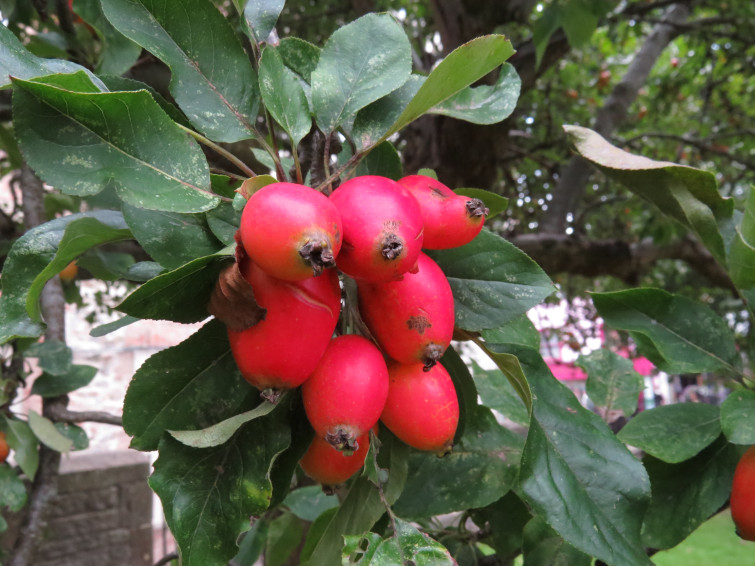
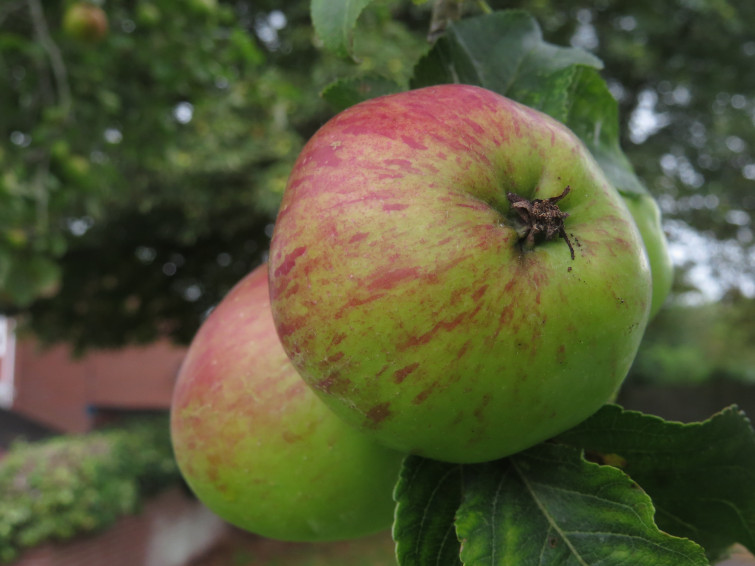
Both crab apples and the late season cider and eating apples can be found, dependent on where you live in Britain.

Some of the best apples I have ever tasted were from a feral-domestic apple tree happily naturalised on the edge of Wolvercote Green, near Oxford. I picked them from the tree in late December. Numerous ‘ornamental crabs’ will have their pectin-rich fruits available well into the new year.

Medlar (Mespilus germanica)

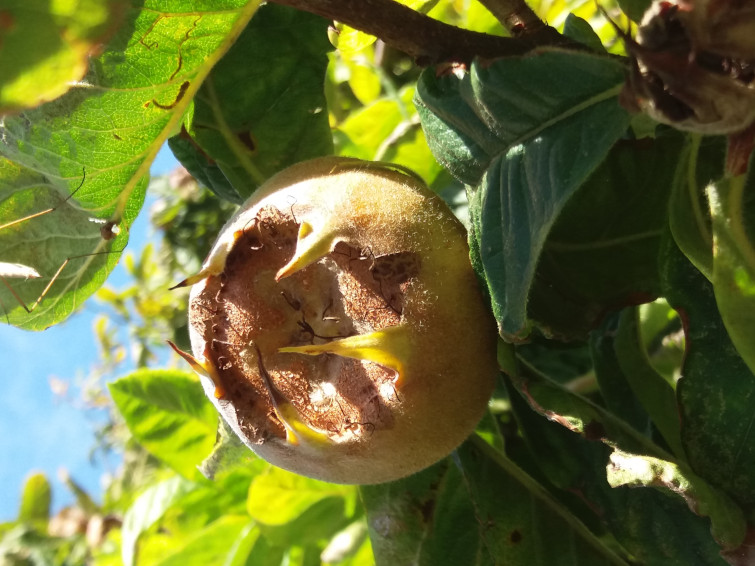
A widely forgotten yet fantastic tasting fruit. Closely related to the apple, the medlar is an unusual-looking fruit. It needs to fully ripen or ‘blett’ before you can eat it.

Bletting is basically the fruit beginning to decompose, turning acids and starches into sugars. Without it, fruits like this one are indigestible.

When ripe, they are a brown colour and really soft inside. Just pop the smaller ones whole in your mouth, and enjoy sumptuous bites from the larger ones. The taste is reminiscent of baked apples. Glorious!

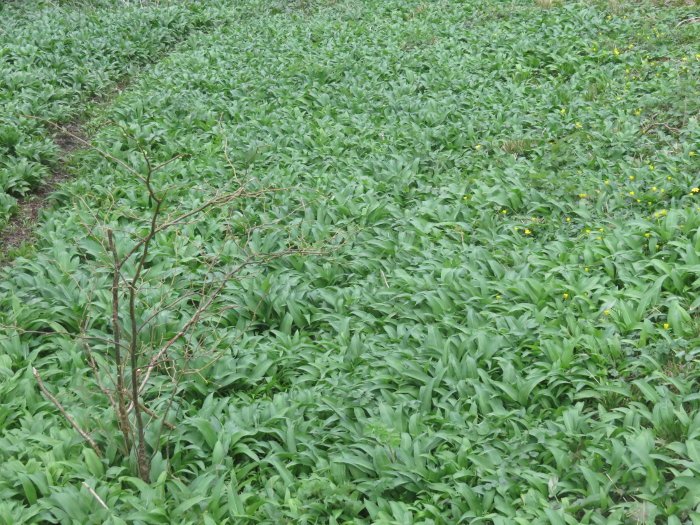
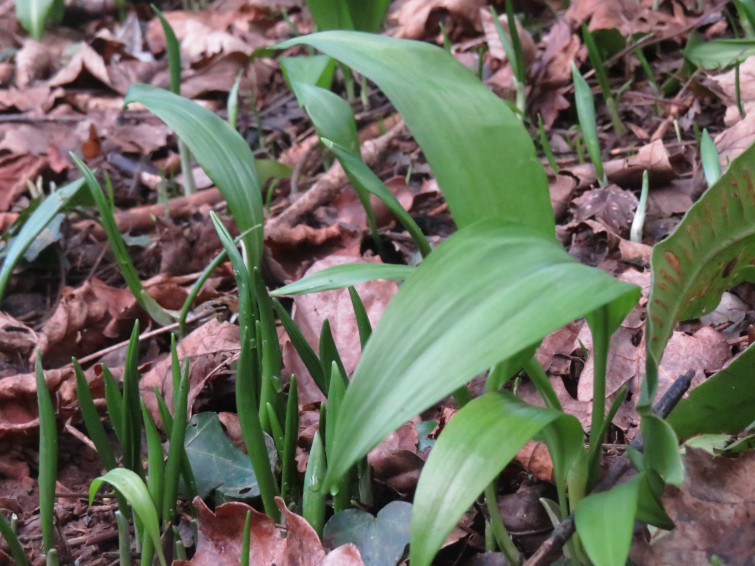
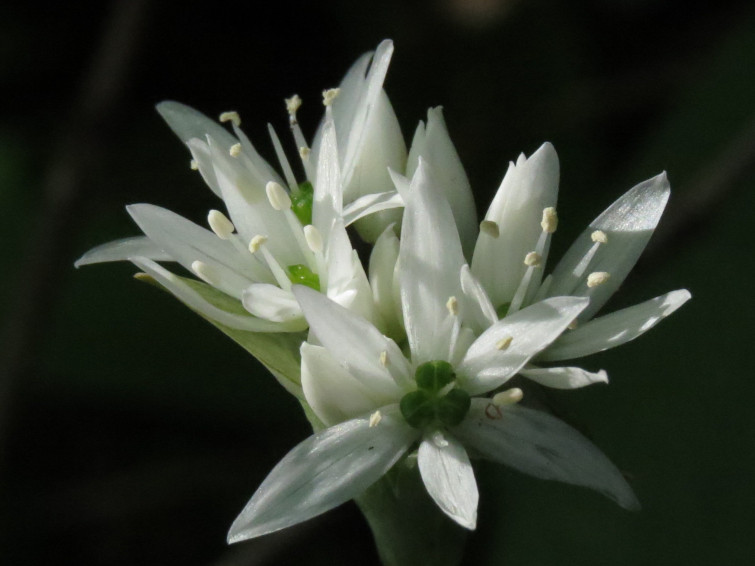
Three-cornered leek leaves (Allium triquetrum)

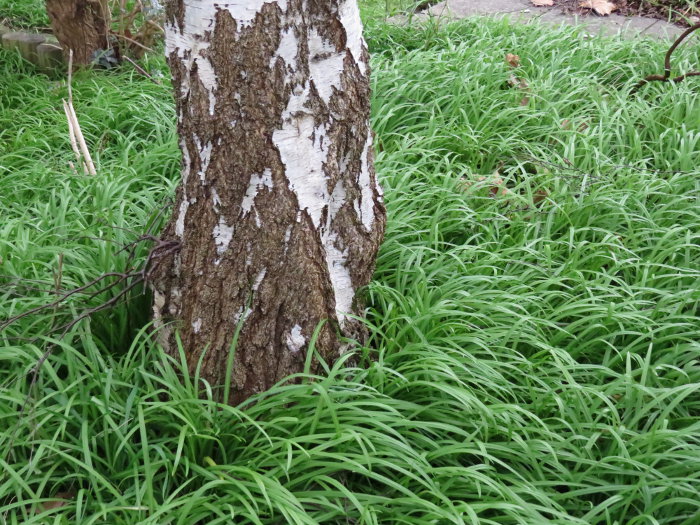
This plant is one of my favourite all-time foraged foods. Abundant, quick growing, all parts edible, and versatile in the kitchen.

Ok, it’s highly invasive and now a criminal offence to release this organism in the wild under schedule 9 of the 1981 Wildlife and Countryside Act, but…for a forager with it growing in their area, it really ticks all the boxes.

You can read my article on this brilliant herb in the permaculture magazine here.

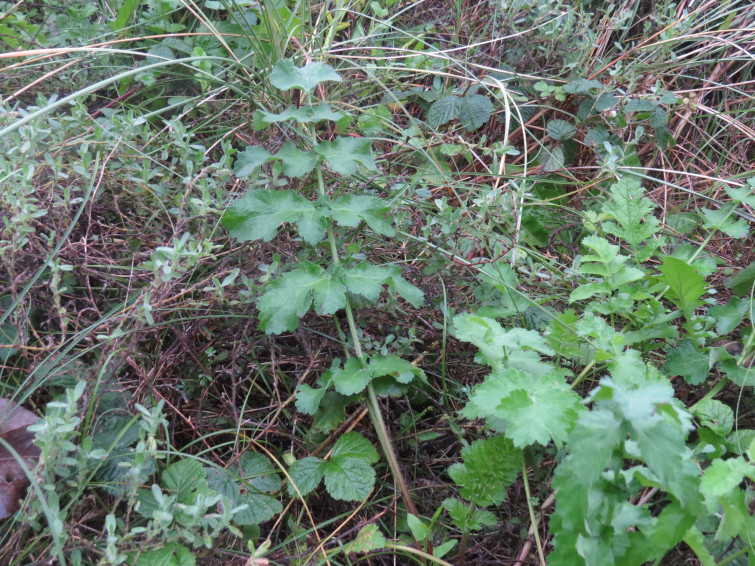
Wild parsnip root (Pastinaca sativa)

According to a number of authors, it took only a few years of breeding and cultivation to turn our wild parsnip into the garden parsnips we know today. 

Parsnips are typically a biennial plant and will flower in their second season. With good eyes and an easy to work soil, you can collect the best one-year-old specimens from early autumn 

The parsnip is only really found in numbers in the southern half of the UK, although will be found in some firths and coastal settings in Scotland.

It particularly loves life in calcareous grassland soils. It is absent in North Devon and Cornwall, and large parts of Wales, apart from the South coast.

The largest populations I have come across were on the South Wales Dunes, where it loves the free draining alkaline conditions. 

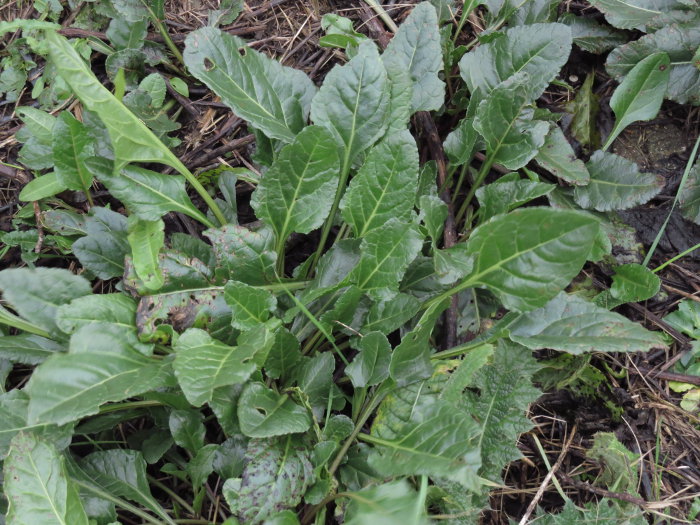
Sea beet leaves (Beta vulgaris)

What a superb vegetable! Sea beet leaves are available for a large part of the year from different-aged specimens.

In November down by the coast, and along estuaries, you can still find plenty of leaves to enjoy, steamed with a knob of butter and cracked black pepper. Absolutely gorgeous! Stand by for a foraging article on this fantastic plant.

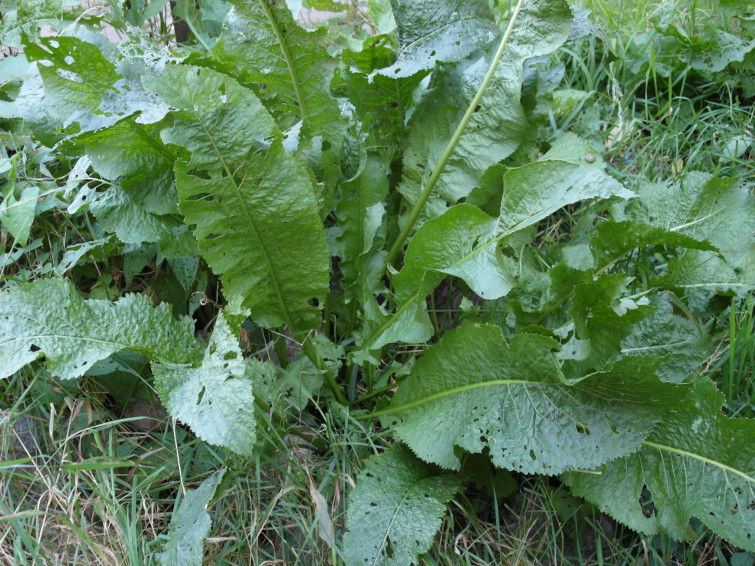
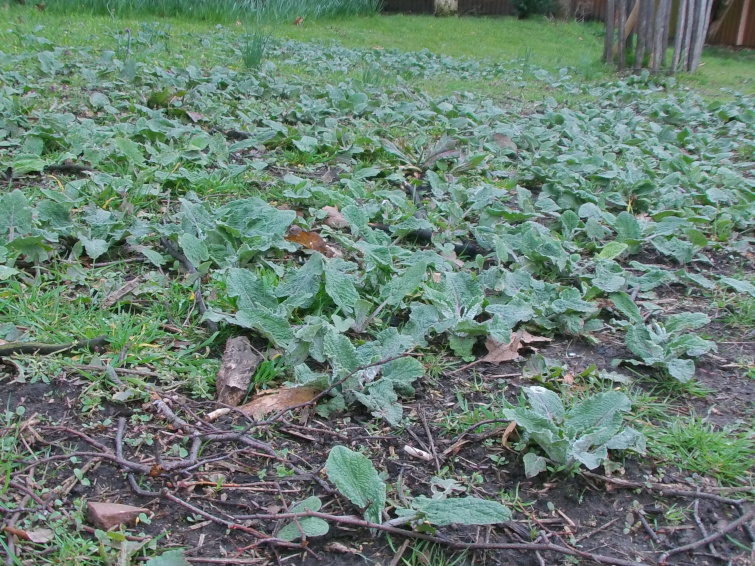
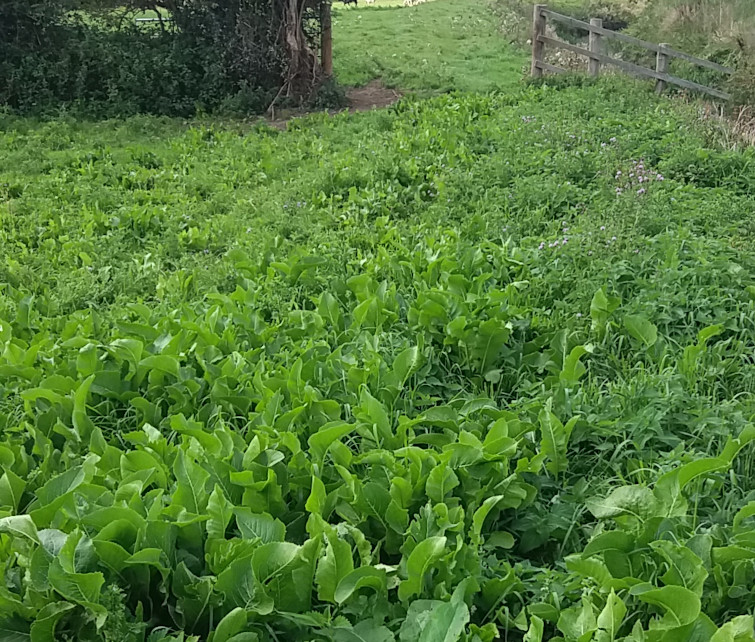
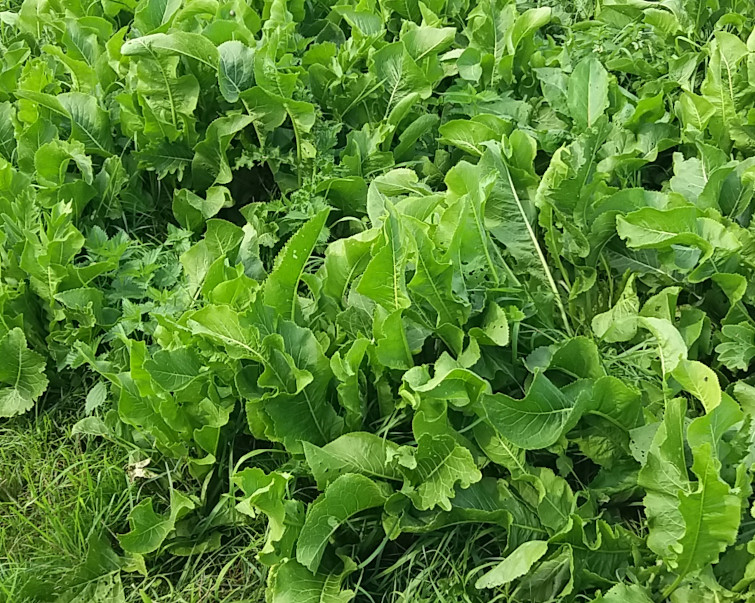
Horseradish root (Armoracia rusticana)

This plant has been covered in a previous blog post.

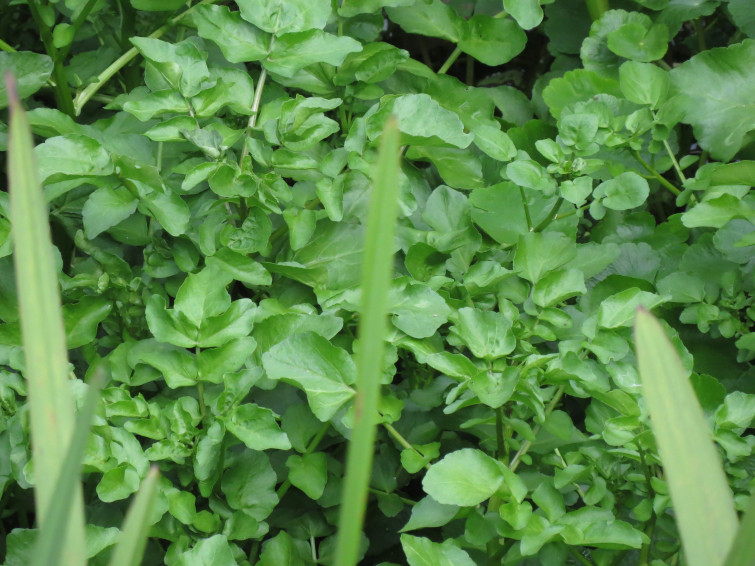
Watercress (Rorippa nasturtium-aquatica)

Watercress is a herb you will find happily overwintering, and therefore can be picked through the darker months. A far milder version can be bought in shops, but nothing is like the taste of wild watercress. 

A full article on the dangers of eating raw watercress and the potential harm from liver fluke is coming soon. Until then, continue to enjoy wild watercress by picking above the waterline, and cooking it, as this will destroy any liver fluke cysts present on the leaves.

A host of other wild plant and mushroom species can be devoured over on the December foraging article. More monthly guides are on their way! 

To help you fast-track your foraging adventures, this article on identifying plants through their family patterns will show you an easy-to-remember system of plant i/d. 

Happy foraging!

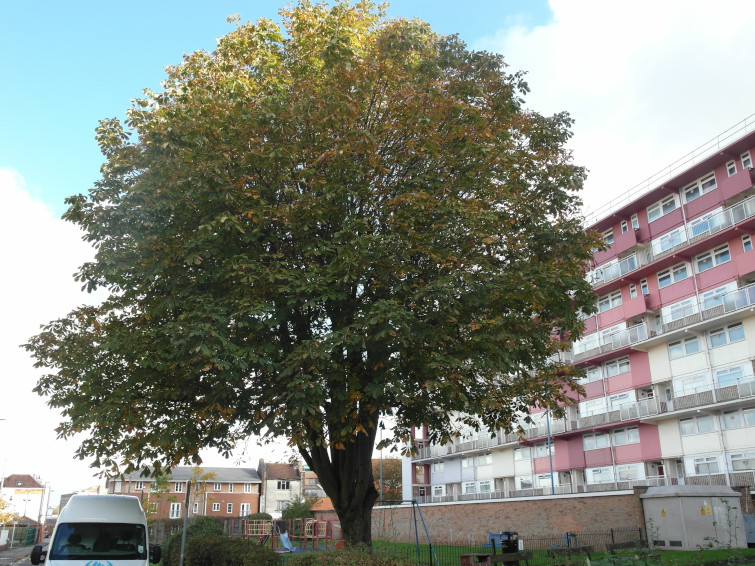
Horse Chestnuts (Aesculus hippocastanum)

Discover the powerful medicinal benefits of conkers / horse chestnuts

How to find, identify, and use Horse Chestnut (Aesculus hippocastanum) Hippocastanaceae family

The horse-chestnut is an elegant tree that belongs to a genus of 13 species, all of them deciduous trees and shrubs.

Horse chestnuts are tall trees and can grow to anything between 25-35 metres (depending on species) in a range of settings.
This plant is often the first large tree we witness to herald the coming of the new spring.
Horse chestnuts are identifiable from afar in winter due to their branches, which tend to curve out and upwards in a similar fashion to the unrelated and well-known ash tree (Oleraceae family). In leaf, horse-chestnuts are almost unmistakeable.

How to identify Horse chestnut

Most people over thirty will easily recognise this tree and it hardly needs a description here. But because conkers has been removed from the Oxford English childrens dictionary, and for readers after 2020, here goes…

Leaves:

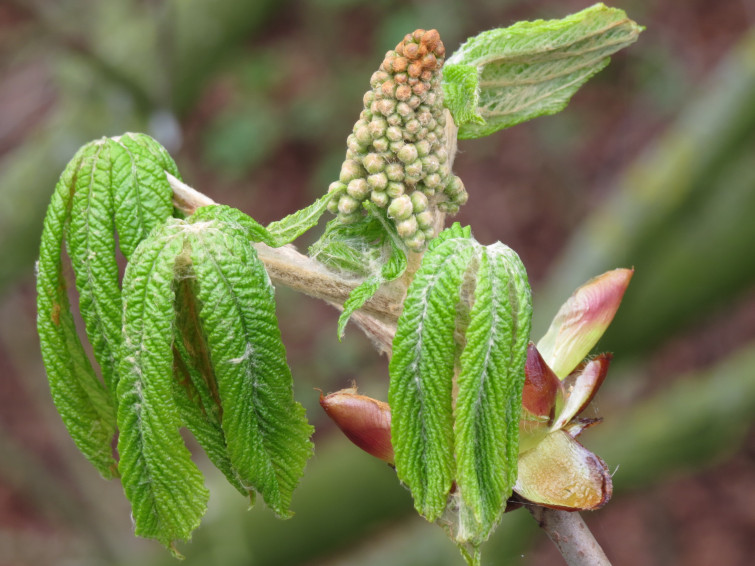
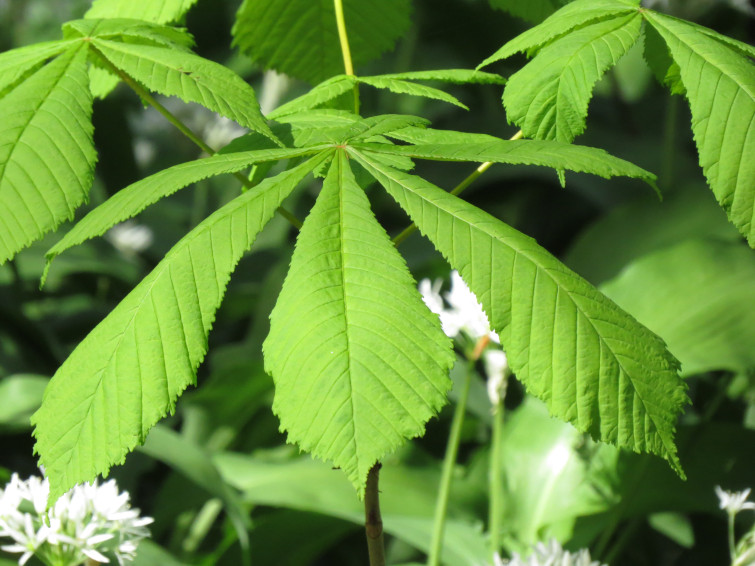
The buds break open in early spring to reveal their initially lime-green, compound palmate leaves. These are attached to the stem on long petioles.

The leaves are often very large (up to 40 cm across in the common horse-chestnut found here), especially so in shadier areas. They commonly consist of 5-7 obovate-shaped leaflets, and have quite obvious serrated margins.

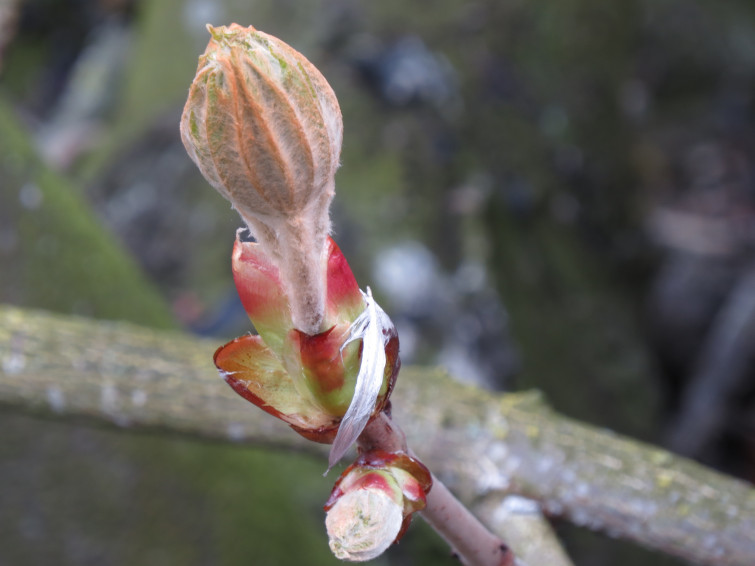
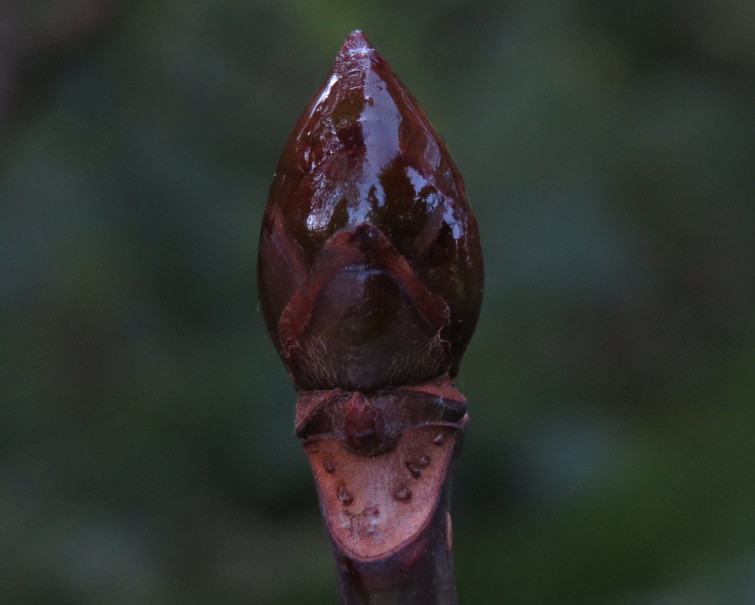
Twigs: The hairless new twigs terminate with large sticky buds, which are one of the characteristic identification features of this tree.

Another is the noticeably large, horseshoe-shaped leaf-scar on the previous year’s stem. According to some authors, this feature has given us both the scientific and common names.

Buds: The horse chestnut has large, noticeably glossy, and sticky brown leaf buds.

Bark: Mature specimens, more often than not, show angled and curving fissures appearing to be wrapping their way around the tree in a spiral.
These fissures become deep as the plant grows old, eventually splitting and flaking on very old specimens.

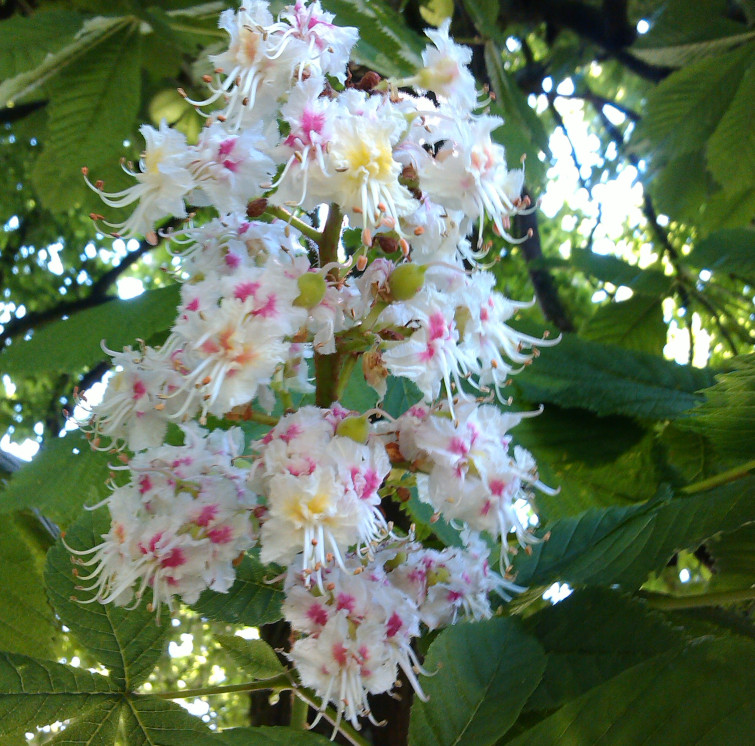
Flowers: The leaf bud break is followed by the opening of their showy, white-pink coloured flowers that bloom soon afterwards.
These flowers are stacked 20-30 cm high in a cone-shaped spike. Each of the individual flowers are around 2 cm wide and borne on long stalks at the bottom of the raceme, appearing on shorter stalks toward the top.  They are comprised of four or five petals fused at the base.

Flowering season: Late April through May.
Fruits: The resultant fruits are known to nearly everyone in Britain as ‘conkers’, and to Americans as ‘buckeye nuts’.
They are typically 6 cm wide. In Britain and Ireland, ‘conkers’ remains a traditional game still enjoyed by children (and adults!).
These nuts are so well known in this country, coming in pairs in their typically spiny shell, that they surely need no other description here.
For beginners, it is possible to confuse the horse-chestnut with the edible sweet chestnuts (Fagaceae family) when out foraging.
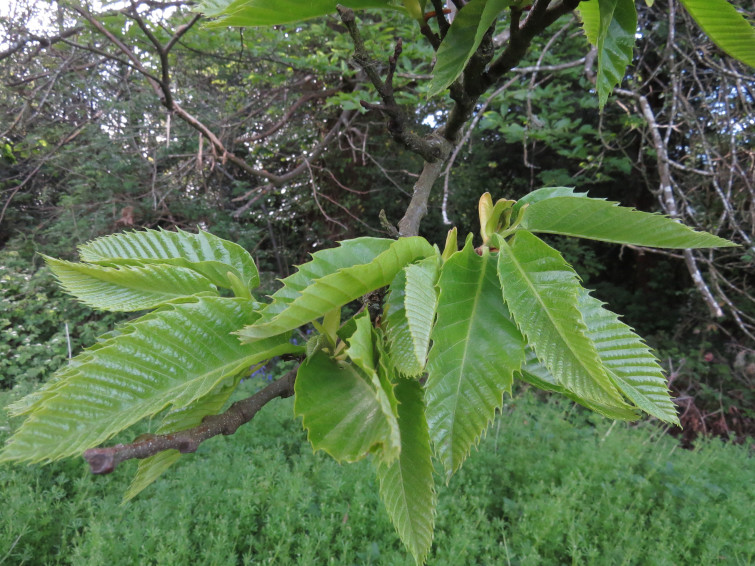
The sweet chestnuts have simple, oblong/elliptical-shaped leaves rather than compound, and their leaf margins are more finely serrated.
Their distinctive nut husks are covered with a greater number of slightly thinner, yet sharper spines.

Sweet chestnut bark is grey-brown and more tightly fissured. Look around the woodland floor wherever you are and the leaves may well match the trees around you.

In reality, the differences are so stark as to ensure that there should be no real danger of misidentifying them.

Pests and diseases attacking horse chestnut

With rapidly increasing global temperatures, micro-organisms can find homes in places previously unsuitable. And so, in the last thirty years and more, the horse-chestnut has begun to badly succumb to the ravages of a few pathogenic organisms.

Two species of mould fungi from the Phytophthora genus (Phyton is Greek for plant, and phthora is Greek for destruction) are known worldwide for their mass killing of horse-chestnuts. 

Their infection results in ‘bleeding canker’. These mould fungi are mostly pathogens of dicotyledons and reportedly responsible for approximately 11% of all bleeding canker incidences in Britain.

Since 2003, a different species of bacterium, known as Psuedomonas syringae, has swept through horse-chestnut trees in Western Europe with a new spate of bleeding canker.

Over half of all horse-chestnut trees in Britain are reported affected and showing symptoms of some kind.

This particular pathogen initially infects the cambium around the trunk and main branches. As it spreads, it cuts off the water supply to the crown.

Trees weep from the bark, with the gradual erosion of tissues. When the infection encircles the trunk, the plant will die.

The other major pest is a moth known as the horse-chestnut leaf miner (Cameraria ohridella). Many horse-chestnut specimens now show the tell-tale spotted and brown crinkled leaves which become visible early in the summer.

These infections may well be the result of an exotic plant suffering the eventual fate of all exotic introductions, i.e. a population being brought under control by organisms to which there are either no natural predators or to which the plant has no natural defence mechanisms. Enjoy them while you can.

Habitats to look in when foraging horse chestnuts

This plant is believed to be native to the Balkan Peninsula, and history tells us that it was introduced to Northern Europe during the latter part of the renaissance. It has been widely grown in Britain since the beginning of the 17th century.

Partly through an ability to self seed (although not freely), and mostly due to its popularity as an amenity plant, the horse-chestnut will be easily found throughout England, Wales, and the more lowland parts of Scotland, at elevations of up to 500 metres.
It is a common plant of parkland, large gardens, village greens, churchyards, and urban streets, and an occasional component of deciduous and mixed woodland. It can also sometimes be found in scrub and rough grasslands.
Parts used: The fruits and less commonly the bark or leaves. THIS IS A MEDICINAL PLANT, NOT AN EDIBLE FOOD!

Harvest: When the fruits fall, or by lobbing a stick into the canopy to knock them off!. They will usually start dropping from mid-September to early October.

Key constituents: Saponins (including ‘aesin’ – a mixture of compounds); triterpenoid glycosides; coumarin glycosides (including aesculin); tannins; flavonoids; plant sterols (including sitosterol, stigmasterol and campesterol).

Actions: Astringent, anti-inflammatory, anti-oedema.

Pharmacology and uses: Anti-inflammatory activity has been documented for the whole fruit as well as the extracted saponin fraction.

Extracts excluding aescin also provide this action. The anti-inflammatory effect is thought to be due to a ‘sealing’ action on capillaries as well as by reducing the number and or diameter of capillary pores. The seed extract is also known to induce contractions in veins.

Because of these effects, horse chestnut seed extract has been clinically compared to allopathic medicines for chronic venous insufficiency of the lower legs. It has shown to be just as effective as many of the pharmaceutical medications available.

Preparations made from the horse-chestnut seed are used principally against circulatory disorders. It is documented to help tone and increase the strength of the veins especially.

The renowned German Commission E approved its use for the treatment of chronic venous insufficiency in the legs.

Used internally and externally, the horse-chestnut assists the body with inflammatory, circulatory problems such as varicose veins and haemorrhoids.

This has been partly ascribed to the inhibition of the action of hyaluronidase in the body (an enzyme that decreases the permeability of the veins), and as a result, venous fragility is lowered.

Externally it may be used as a cream or ointment for the same conditions as well as for leg ulcers and oedema (fluid retention and swelling under the skin).

Some studies have shown it to be effective in treating eczema. Sunscreen creams manufactured in Europe often have aesculin as an integral component.

Consulting with a professional health care worker before any self administered dosage of horse-chestnut is definitely advisable, as the circulation disorders and physical trauma associated with any swelling may be the sign of an underlying serious condition, which may not be treatable using the plant alone. 

There is lots more information on medicinal plant constituents and actions in my overview of plant chemistry. To help you with harvesting wild plants, here are some valuable tips tricks and techniques to unearth.

Happy foraging!

Foraging for Burdock (Arctium lappa)

Learn all about this herbal medicine and staple vegetable, ignored by us in Britain but loved by the Japanese.

Foraging for burdock. (Arctium lappa, Arctium minus) Asteraceae family

You may find that when first out foraging for burdock they appear as one species. There are subtle differences that reveal themselves with close observation but the two plants are very similar. You can use the plants interchangeably, so it’s not of huge importance.

The greater burdock (Arctium lappa) and lesser burdock (Arctium minus) both have a long-standing tradition of use as a medicine and food.


What’s in a name?

These two plants belong to a genus of about 10 species. The generic name Arctium seemingly comes from the Greek word- arktion or arktos, meaning ‘Bear’, which alludes to the rough-coated fruits.

The specific name of greater burdock – lappa, is derived from the Latin word lappare – ‘to seize’, referring to the clinging ability of the burs.

It is this unfailing ability to attach to passing fur or clothes that allegedly gave a Swiss scientist – George de Mestral, the idea for Velcro during 1948. His idea is an example of ‘bio-mimickry’, or man copying nature’s designs.

The species name for ‘lesser burdock – minus, relates to a number of size differences between these two species when compared with each other, be this leaf size or fruiting stalk size.

The common name ‘burdock is from the old English word ‘docce’ – meaning a broad and coarse-leaved plant. The word ‘burr’, describing the prickly seed vessel, is thought to be of Scandinavian origin and is close to the Danish word ‘Burre’.

Leaves:

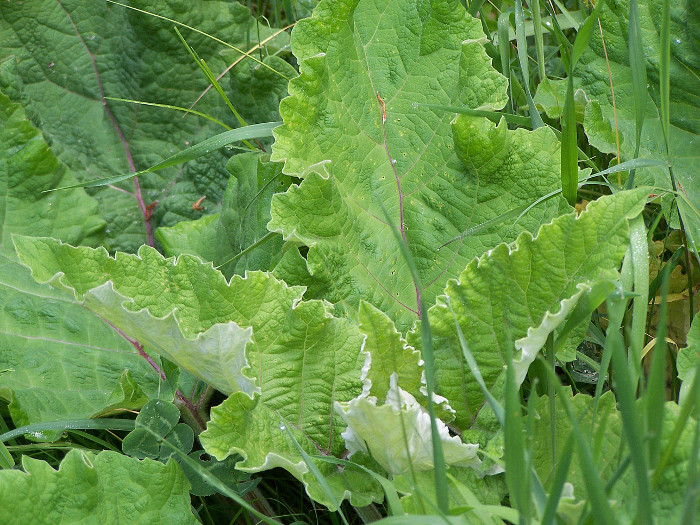
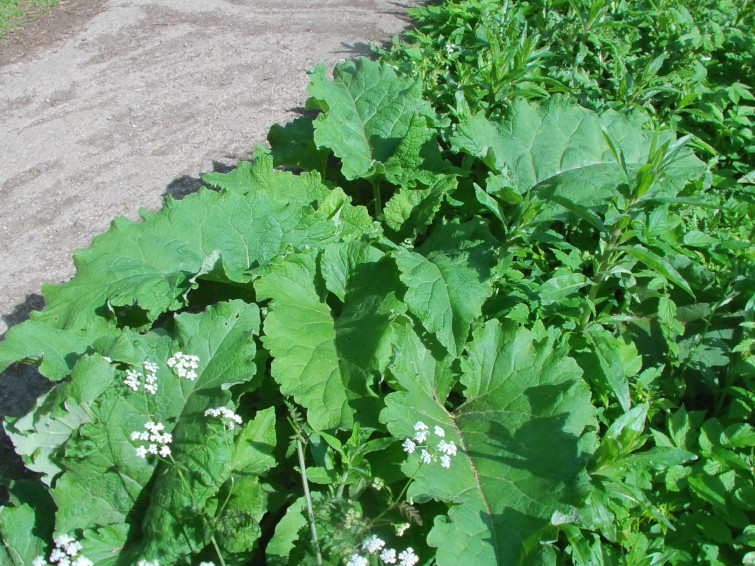
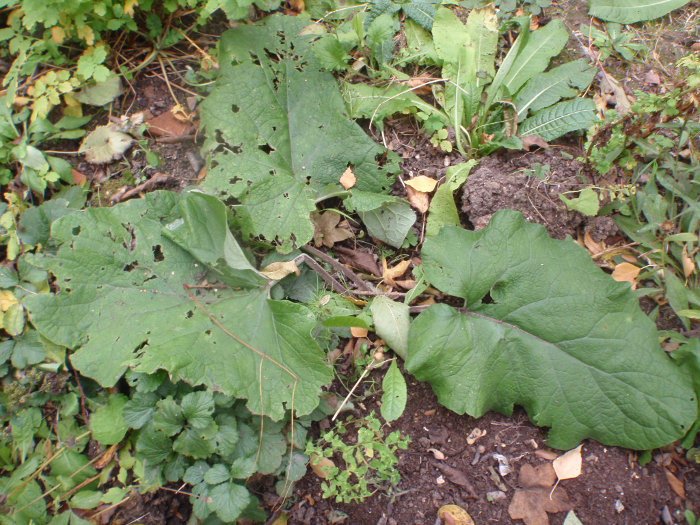
Burdocks grow as a rosette in their first year, before producing flowering stems with leaves in the second. The leaf shape can be classified as broadly ovate, or cordate, with wavy, undulating, entire margins.

The leaves can easily grow to around 45 cm long and up to around 30 cm wide, although I’ve seen them growing larger in shady spots.

White-pinkish leaf veins run on an approximate 45˚ angle parallel to the pinkish mid-vein. Underneath, the leaves are a much lighter colour.

Petioles: Burdocks have relatively wide and long petioles up to 20-25 cm. They are channelled, with fine downy hairs.

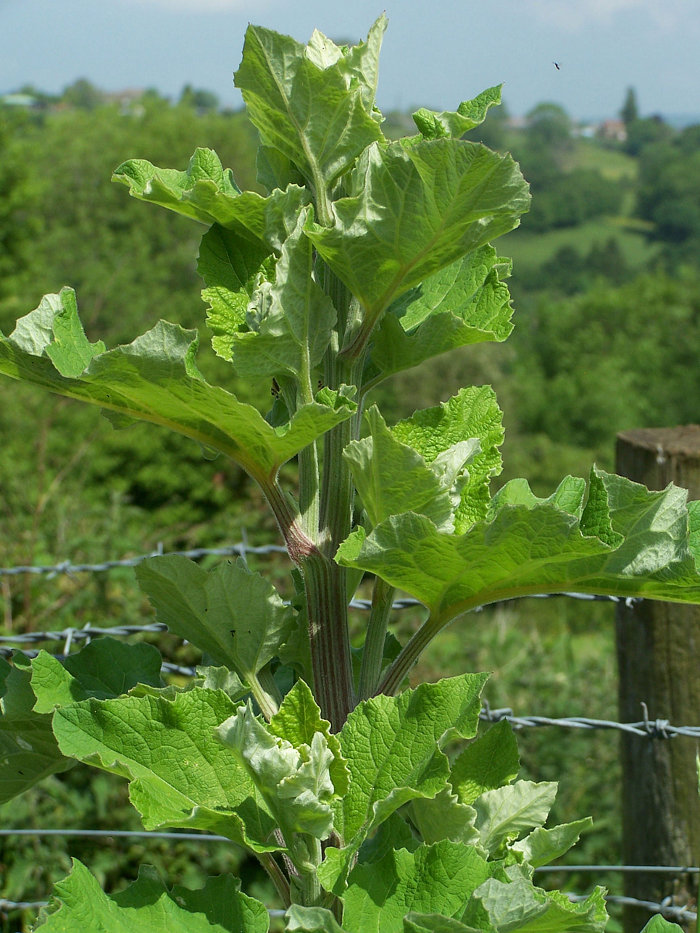
A notable difference between species can be seen in the leaf stalks, which on the lesser burdock are hollow, but on the greater burdock are solid. The more you go out foraging for burdocks, the more you will notice.

Roots: Long tapering tap roots. A number of different burdock cultivars are commercially grown in the far-east for the long roots. The taproots from one year old plants are harvested by digging up in the autumn or early spring.

Stems:

The Burdocks have erect, branched, flowering stems that will reach 150 cm or so tall, and are conspicuous for their spiky flowers. The stems are ridged, downy hairy, and eventually turning hollow. 

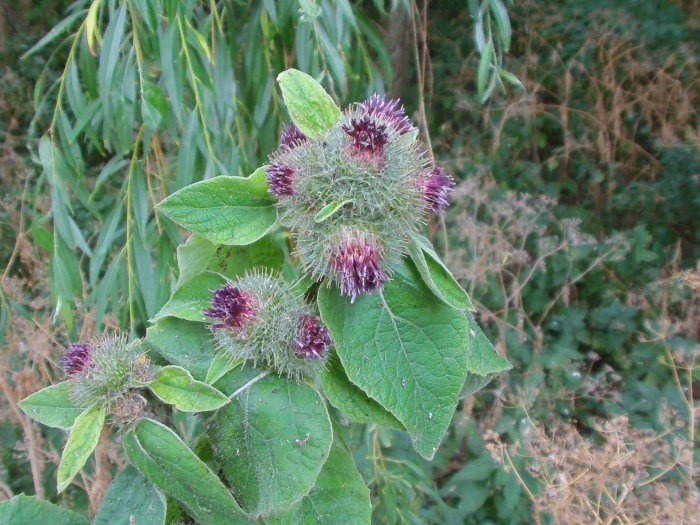
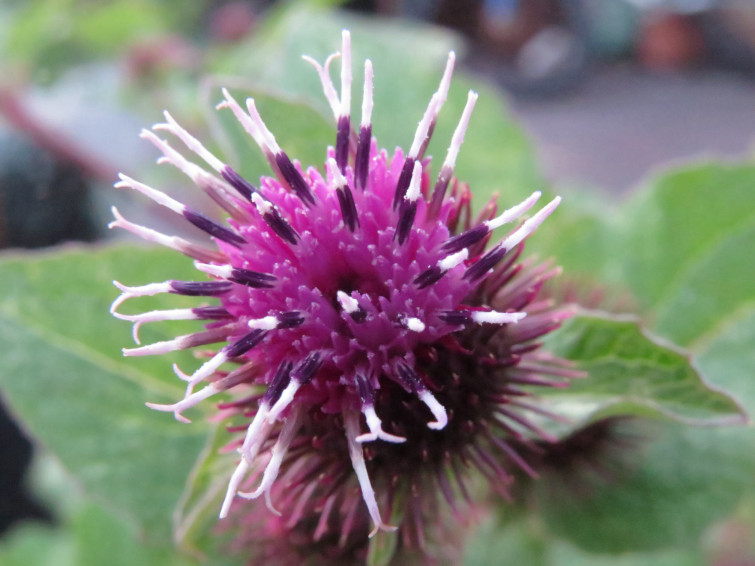
Flowers: The individually delicate, purple or rose-pink coloured flowers are produced in a composite flower head, borne on terminal clusters. They are unusual looking, globular-shaped flowers and much like the inflorescence of a thistle. 

The colour we see in the flowers emanates from the numerous stamens. Burdocks’ flowers can grow to 4 cm across and wither to leave the common ‘burs’ that are deeply ingrained in many childhood memories.

Flowering season: Anytime from late May through into August.

Fruits: Burrs.These are easily collected unawares on clothing or in hair when playing and tramping through unkempt land. Who hasn’t brought them home !?

Habitats to look in when foraging for burdock

In the wild, burdock’s thrive near hedges, on roadside verges, on waste-grounds and around old building sites, as well as liking the edges of cultivated fields and sunny spots in woodland edges.

Burdocks are essentially lowland plants and will be found all over most of England at elevations no higher than about 390 metres.

Parts used: Root mainly used for medicine in Britain. Leaves, flowers (in Chinese medicine), and seeds are also used.

Harvest: Roots – In the autumn or spring. Leaves – before flowering. Flowers – when first opening. Seeds – When ripe.

In this previously published post you can find out lots more about harvesting our wild plants.

Key constituents: Acids (including butyric acid, linoleic acid, linolenic acid, oleic acid); aldehydes (including isovaleraldehyde, valeraldehyde); carbohydrates (including up to 45% inulin, mucilage, pectin, sugars, fats); volatile oils (including sesquiterpene lactones); bitters (lappatin); resin; phytosterols (stigmasterol and sitosterol); tannins.

An overview of the commonly occurring medicinal plant constituents and their actions can be found here.

Actions: Detoxifying, alterative, lymphatic, and blood purifier.

Pharmacology and uses: Burdocks have numerous uses. These are examples of very common planta, previously much used in days gone by, now little employed and subsequently with scarce available scientific literature to back up any traditional uses.

Burdocks are used medicinally in most continents where they are naturalised. For the last 200 years or so, burdock has been chiefly employed in this country as an alterative medicine.

Whole burdock extract has been reported to cause a sharp reduction in blood sugar levels. The roots and leaves are recognised diuretics and hypo-glycaemics.

The compound arctiin is a C.N.S stimulant and muscle relaxant as well as being anti-bacterial and anti-fungal.

The anti-microbial activity is attributable to bitter components. Internally burdock has been traditionally used as a treatment for a number of skin diseases and disorders, as well as inflammatory conditions. These include: eczema, psoriasis, rheumatism, gout, and boils.

Topically applied, the leaves are similarly used for a host of dermatological problems.

Burdock helps our general elimination processes by assisting the liver function, the circulation, and the elimination of toxins via the kidneys, urine, and skin. It can therefore assist all manner of skin disorders, such as acne and boils.

In Chinese medicine, the seeds are used for similar conditions and are also employed to treat colds, pneumonia, and throat infections.

Although currently out of fashion in this country, burdock has had a long-standing use as a food plant. In Japan, this is still the case where it is known as a prized vegetable and ingredient of the staple dish ‘gobo’.

It wasn’t long ago that folk in England were foraging for burdock in large numbers, to be included in a well known soft drink, still made today.

Dandelion and burdock is made from the roots of both plants, and is a useful springtime cleansing tonic. It was formerly made and drunk in many counties here in Britain, especially in Northern England.

Burdock’s long petioles and immature pre-budding flowering stems can also be eaten when blanched to reduce bitterness and fibrousness. They will need the outer skin peeled off beforehand.

I can’t make the petioles taste good and only use the flowering stems. In the summer I make a wild food chutney using these stems, together with hogweed and willow herbs.

If you are wanting to know more about the arts and crafts of foraging, then more than 20 years of hacks, tricks, and tips can be unearthed in my beginners guide.

Happy foraging!


Foraging for wild garlic / ramsons (Allium ursinum)

Go foraging for wild garlic…the vampire and virus killing, heart-boosting herb!

Allium ursinum.  Wild garlic (ramsons).  Liliaceae

Every spring in North America, when the wild bears first wake from their winter slumber, they head straight out and go foraging for wild garlic.

Only comparatively recently have the British public embraced garlic, a plant renowned globally for its culinary uses. Before the 1980’s it wasn’t used anything like it is today.

In this article, I deal with the similar culinary and medicinal aspects of both our native wild garlic (Allium ursinum), commonly known as ‘ramsons’, while touching on the many virtues of bulb garlic (A.sativum).

Although you won’t come across the bulb-garlic in the wild in Britain, aside from the occasional garden escapee, it can be easily grown and acquired most everywhere.

The garlic plants are some of the many thousands of lilly family members, grouped together in a large genus comprising no fewer than 700 species of bulbous and rhizomous biennials and perennials.

They are native to the northern hemisphere and are believed to have originated in Asia. Bulb garlic is certainly one of the most ancient of medicinal herbs, documented in Babylonian times (c.3000 BC), and found in the tomb of Tutankhamun (c.1370-52 BC).

Both the bulb-garlic and its wild version are naturally biennial, taking two years to complete their life cycle.

What’s in a name?

The generic name Allium is the old Latin word for the garlic tribe of plants. The specific name ursinum stems from the Latin word – ‘Ursus’, meaning Bear.

The bulb garlic bears the species name sativum, which as previously mentioned always denotes a cultivated garden plant.

The common name garlic comes from the old English name for the cultivated plant, probably brought here before Roman times -‘Garleac’.

The word comes from two root words. ‘Gar’ is an old English word for spear, (in allusion to the pointy end of the clove looking like a spear tip), and leac – is the old English word for leek. So it became known as the ‘spear-leek’, or garleac – garlic.

Identifying ramsons

Ramsons is a similarly pungent plant to the cultivated bulb-garlic but looks very different in appearance. However, all the Allium species will have leaves with parallel veins.

*

Leaves: Ramsons have very broad lanceolate leaves. It begins to poke out its leaves from small underground bulbs during the first, warmer and longer days of January.

The average size of the leaf blade is approximately 6-10 cm wide and commonly around 25 cm long. A discussion on lookalike plants will be found below.

Petioles: These come directly from the bulb. In some shady areas the large succulent leaf stalks on ramsons will be up to 20 cm in length.

Roots: The plant produces shallow fibrous roots from the base plate of their bulbs. The bulbs are longer than shop bought garlic cloves and sometimes longer than elephant garlic cloves.

Stems: The terminal umbel of flowers are borne on solitary stems.

Flowers:

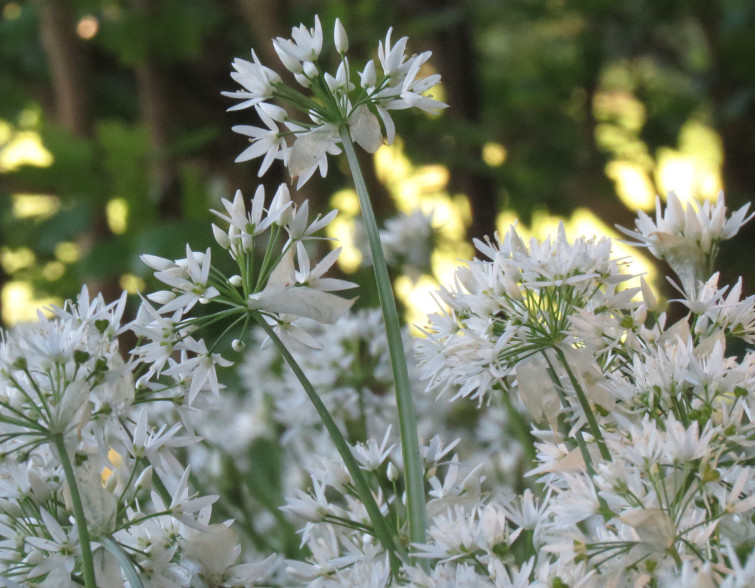
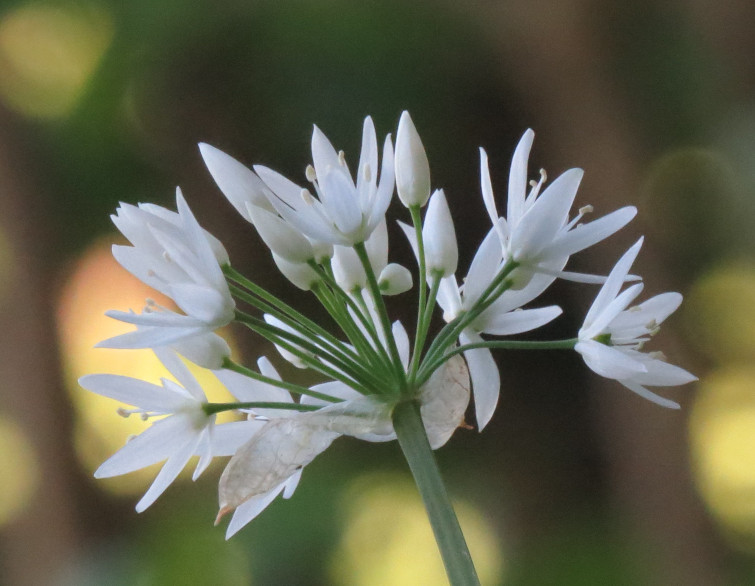
The flowers are a creamy-white colour, with 3 sepals and 3 petals. The small, star-like individual flowers are borne into an overall spherical shape.

Flowering season: From March into early May you can find the elongated pointy flower buds bursting into flower.

Typically their flowers open and set seed from March through May, with seeds maturing late June to July. 

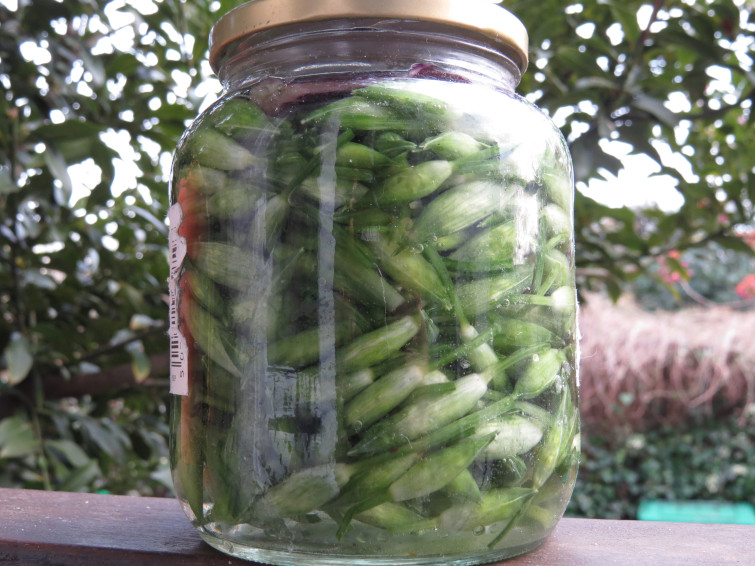
When immature, these are crunchy and make great capers, as this recipe I shared with Hedgeucation CIC will show.

Habitats to look in when foraging for wild garlic

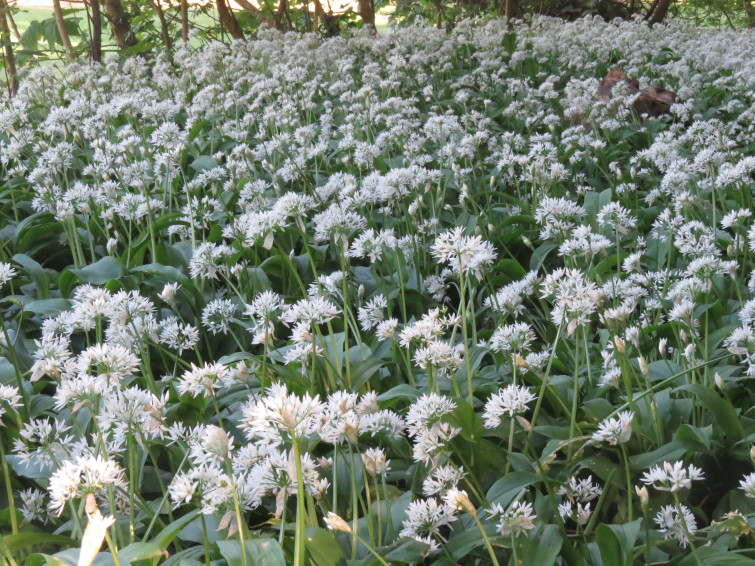
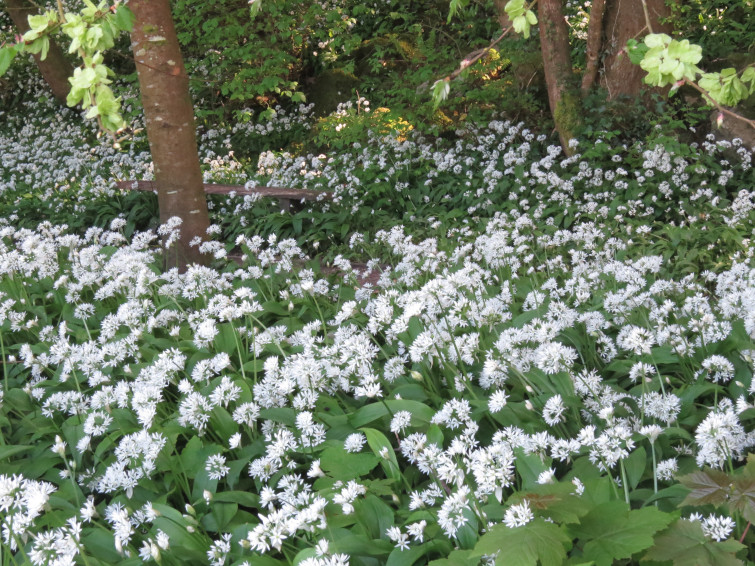
Wild garlic is indicative of ancient woodland and easily found throughout March and April where it often creates extensive carpets.

At least it does in woodland in the more western and southern areas of Britain. It can be found at altitudes up to 450 metres.

Ramsons is an ephemeral bulb, flowering before the woodland canopy trees are fully open in spring. 

Wild garlic lookalikes

Care should be taken before harvesting that you have identified the plant correctly, as wild garlic has a couple of similar-looking plants. These imposters were discussed in a previous article on poisonous plants. 

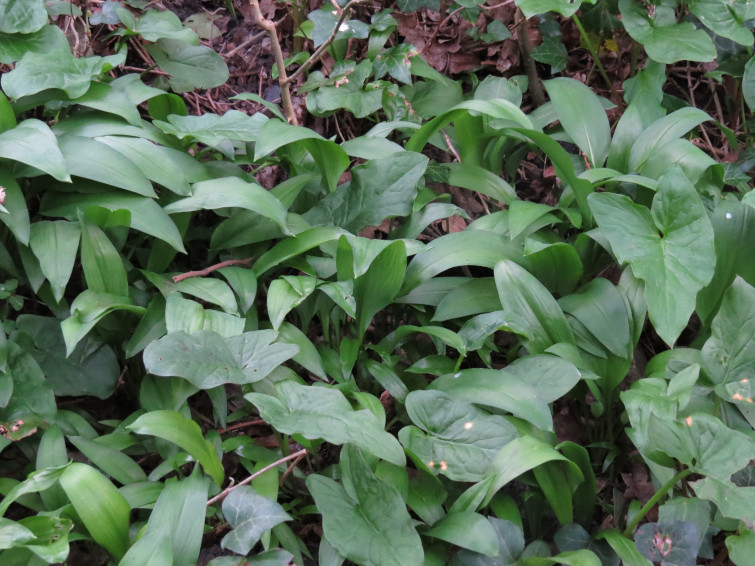
Make sure you aren’t harvesting the poisonous look-a-likes known as lords and ladies (Arum maculatum), or Lily-of-the-valley. The former is far more common than the latter. Both can be found in woodland habitats.

Lords and ladies will grow amongst wild garlic, but has arrow shaped leaves with two rounded lobes at the base of the leaf, as well as having a net-veined leaf pattern, which helps easily distinguish it from ramsons when looking closely.

Knowing and observing this will save you from disaster if solely listening to the often-heard advice about “…if it smells like garlic, it is garlic”.

Anyone who has handled ramsons, will know that the garlic smell will easily transfer onto your fingers ,and therefore it is possible to hold a leaf of lords and ladies to your nose and smell garlic! Far better to learn how to identify each plant!

Lily-of-the-valley on the other hand, has leaves that are pretty much the same shape as wild garlic, although without the long leaf stalk, or the clump habit that ramsons does, plus it has a very different inflorescence. I’ve not actually come across ramsons and lily-of-the-valley together, but that’s not to say I won’t tomorrow!

As with all edible wild plants, we get at least three opportunities to ensure we have identified the right plant. First is the point of harvesting, second is during the preparation of the material, and the third is before adding to the pot or pan.

Harvesting and using wild garlic

Parts used Raw cloves are best, as they maintain all the medicinal potency which otherwise rapidly diminishes with cooking. For medicinal use, the advice will always be to use raw cloves. Leaves of wild garlic can be picked as soon as found in the early spring.

Harvest: Leaves; Feb-April. Flower buds; March-April. Flowers: March-May. Green seeds; April-may. Black seeds; May-June. Bulbs; June-December. Lots of my harvesting tips and tricks are available in this previously posted article.

Key constituents Garlic cloves: Volatile oil (containing alliin, which after crushing or chewing is enzymatically converted to alliciin, one of the major active components of garlic); germanium; selenium; saponins; mucilage; amino acids. You can learn more about medicinal plant constituents, and their actions, here.

Actions Anti-bacterial, anti-septic, anti-fungal, anti-viral, expectorant (due in part to the mucilage), anti-platelet, anthelmintic, hypo-lipidaemic, vaso-dilatory.

Pharmacology and uses Much of the pharmacological activity of this plant stems from the many acrid, volatile sulphurous compounds. These molecules are known to prevent cholesterol synthesis as well as fatty acid and triglyceride synthesis.

Therefore, regular use leads to less chance of fatty deposits on artery walls, and with it, less chance to develop the serious condition – atherosclerosis.

The compound allicin is responsible for many effects, as well as the much documented anti-microbial effects.

Antioxidant effects have been shown in animals (in vivo) and the test tube (in vitro). Garlic enhances the activity of free radical scavenging enzymes such as superoxide dismutase, whilst protecting lipo-proteins from oxidation.

Both these factors point to its use in treating conditions such as atherosclerosis. Bulb garlic is known as ‘lashuna’ in ayurvedic medicine; being used for whooping cough, heart trouble, flatulence, dyspepsia, and colic.

Immuno-stimulatory actions have been recorded for high-molecular-weight proteins extracted from Garlic. These compounds reportedly stimulate the activity and production of some of our immune system defence cells known as macrophages, lymphocytes, and natural killer cells.

Another long-standing and well documented traditional use of garlic is as an expectorant, to help clear coughs and colds. The saponins are almost always linked to this effect.

Garlic is also used in dietary control of diabetes and hypoglycaemia because of the resultant improvement in pancreatic abilities to produce insulin.

Ramsons also contain alliciin, so will therefore be anti-septic, anti-bacterial, anti-fungal, and anti-inflammatory, just somewhat milder so.

Throughout the countryside in southern parts of Britain and Ireland, wild garlic has historically been noted as good at defeating coughs, colds, and other ailments.

“Nine diseases shiver before the garlic”, was a saying in Sligo, Ireland, only 100 years ago. This points to the faith people placed in Garlic to ward off many illnesses. This belief may have been reinforced during the 1918 global flu pandemic when people carried around a piece of wild garlic in their pocket for protection.

Garlic is well known to thin the blood and will interact with aspirin, and could increase bleeding, as well as interacting with HIV drugs such as protease inhibitors.

It also interacts with ‘warfarin’, and may potentiate the drug as well as increasing the chances of internal bleeding. More than 5 grams of garlic per day when taking warfarin can reportedly lead to problems.

The fiery nature of garlic brings with it some contra-indications for use. Namely, conditions of chronic or acute stomach inflammation, and low thyroid activity.

Many harmful micro-organisms are destroyed by Garlics, including Staphylococcus aureus, Escherichia coli, Proteus and Salmonella spp.

As a food, wild garlic lends itself very well to a pesto, in place of bulb garlic. It also goes well in white sauces with fish, and as a salad leaf, chopped as you would chives.

Raw wild garlic can add an extra healthy punch to the salad bowl. To reduce the strong flavour, just blanch slightly, or steam for a minute or two.

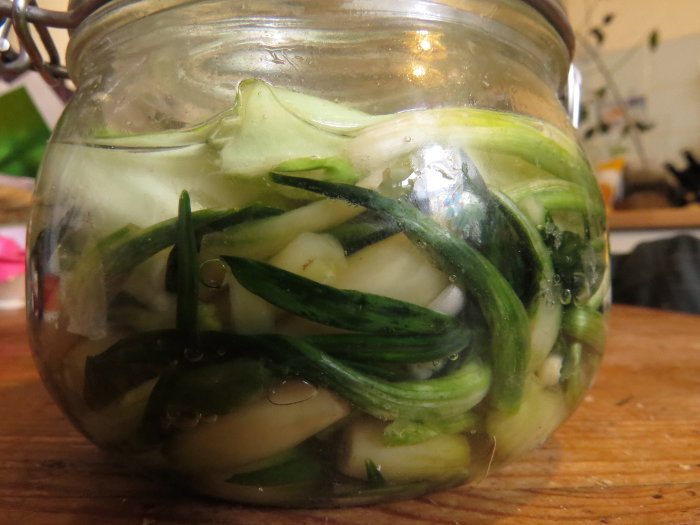
Pretty much all parts can all be preserved by lacto-fermentation (my favourite method of preserving food, using salt and water). I rate all of these really highly when treated this way.

The bulbs will stink when preserved as a ferment, but after a few months their flavour mellows to something similar to roast garlic.

The flowers make an interesting garnish, especially if dried, when their flavour takes on something akin to cheese and onion crisps! These plants then, are quite simply, fantastic!

Don’t forget to take full advantage of my numerous foraging tips tricks and hacks, available from my guide to starting out foraging.

Happy foraging!

Foraging lesser celandine (Ranunculus ficaria)

Guide to foraging lesser celandine (Ranunculus ficaria synonym Ficaria verna) Ranunculaceae (Buttercup) family

In Europe not so many years ago, it was common for country folk to go out foraging lesser celandine in the very early part of spring.  

This article will show you how to confidently find, identify and use lesser celandine, or pilewort, as our imaginative ancestors also knew it.

For those of you new to foraging, you may also want to take a look at my guide to starting your foraging adventures.

Lesser celandine is said to have been William Wordsworth’s favourite flower. The Lakeland poet (1770 – 1850) paid homage to it in more than one poem…

“I have seen thee, high or low, thirty years or more; and yet t’was a face I did not know”. 

Did he have piles and was in dire need for the plant? I think it’s likely, given his reported love of opium, and knowing what that particular plant can do to your digestive system! Read on to discover how the plant can cure piles.

What’s in a name?

Lesser celandine is one of about 700 species to have been placed in the large genus Ranunculus.

Due to the shape of the tubers and roots, the plant acquired one of its common names – pilewort. Lesser celandine shares part of its common name with an unrelated plant, greater celandine (Chelidonium majus). 
The word celandine is an old middle English word derived from the old French word ‘celidoine’. This was taken from the medieval Latin word celidonia, which itself came from the old Greek word ‘Khelidon’ – meaning ‘swallow’.

So, the flowering of the celandine plant was associated with the arrival of migrating swallows.

Its original generic name is derived from the Latin word rana – for frog, because this large genus of plants are often found in the same damp, wet, and marshy habitats as amphibians.

The plant’s specific name ficaria is derived from the Latin for fig-ficus, because its tubers were said to resemble bunches of figs! 

Recently, the plant has had its scientific name changed to Ficaria verna, pointing to its ephemeral springtime growth.

The ancient Latin name given to lesser celandine before the present binomial system was ‘Ranunculus foliis cordatis angulatis petiolatis’ – or the ‘buttercup with cordate leaves and angled petioles’.

I think the older Latin classification for plants is a beautifully descriptive method, full of words we can recognise from our modern languages of English, French, Spanish, and Italian. Who said Latin was boring and pointless?

Lesser celandine botanical description 

Leaves:
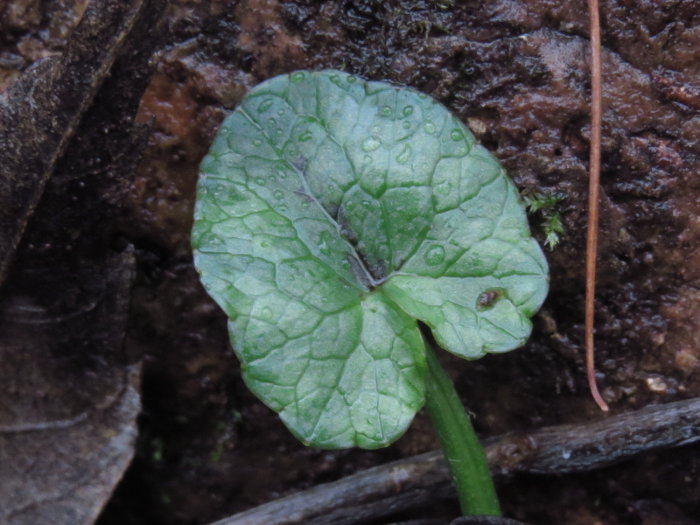
Lesser celandine leaves are cordate shaped. They are typically 4-6 cm wide, 6-10 cm longand usually produce a two-toned, mottled appearance. 
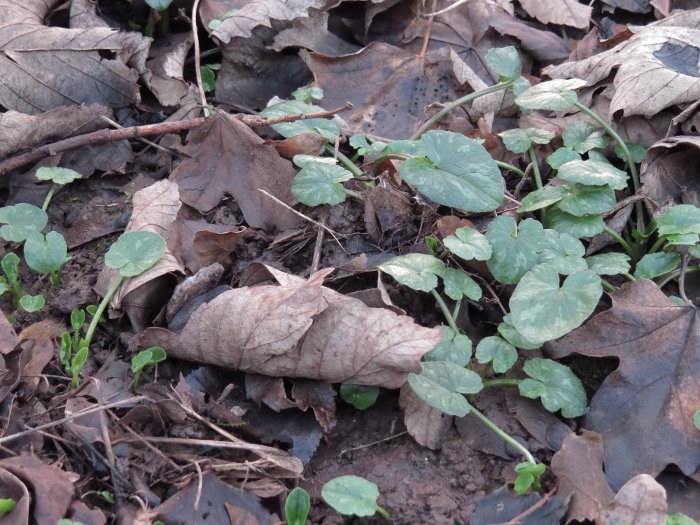
At least one variety or sub-species has carbohydrate-rich bulbils in the leaf axils. These are a surprise double harvesting bonus for the sharp-eyed when foraging lesser celandine!

The leaves are usually found with entire margins in the populations I’ve come across so far. However, certain sub-species (essentially regional variations) in various areas of the country, will be found with crenated and almost frilly margins. 

The leaves can begin to appear in December in mild winters. Extensive carpets of leaves can be found in late winter/early spring.

Stipules: No stipules are present on the buttercup plants, which helps to distinguish them from say, rose family plants, which do have these small, leaf-like growths at the base of a stem or stalk.  

Petioles: These are long and channelled. Anywhere from 3-10 cm in length.

Roots: The fibrous roots produce lots of spindle-shaped tubers, some 3-4  cm long. Lesser celandine also has rapidly creeping underground stems, enabling it to quickly form dense lush mats of growth.
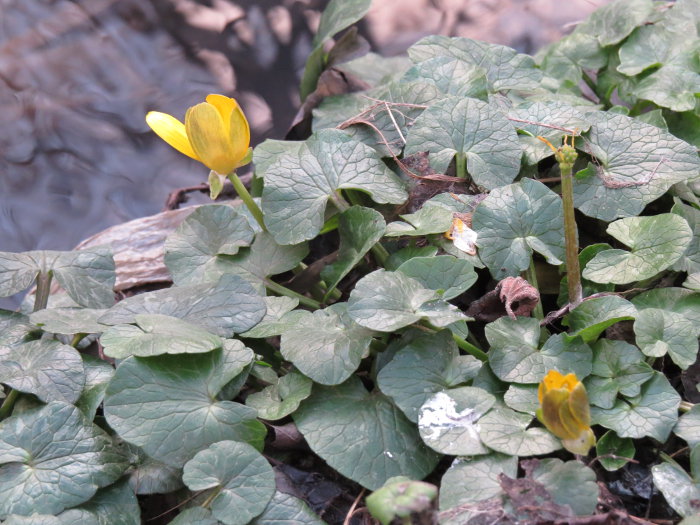
Stems: The flowers are terminal on unbranched flowering stems that reach up to 25 cm high.
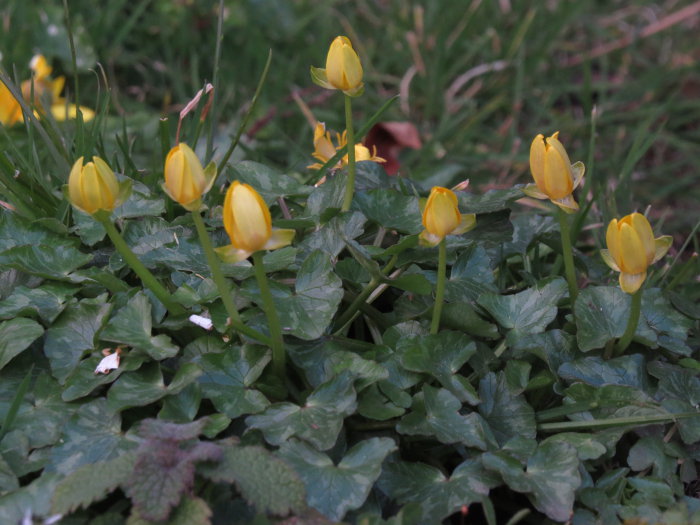
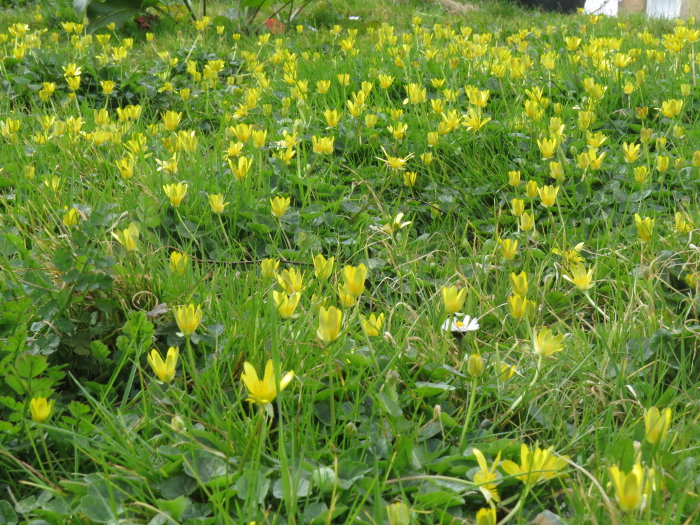
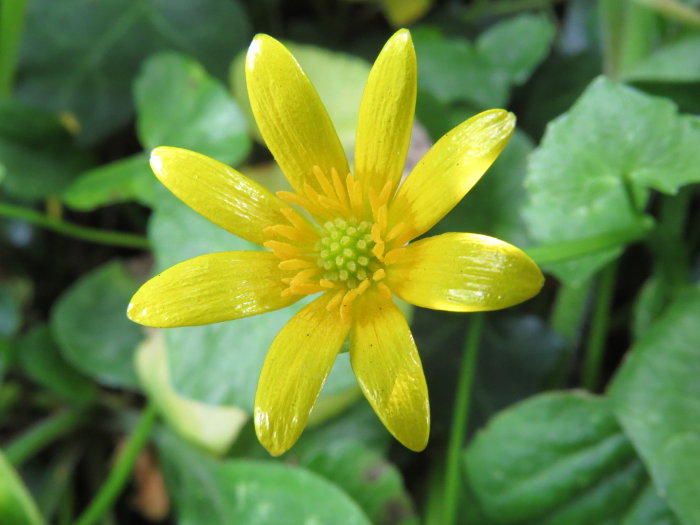
Flowers: Lovely glossy yellow flowers erupt among carpets of leaves. The flowers will close-up on rainy or dark windy days.

When opened, the flowers are between 2.5 – 4 cm wide. They have three sepals, and anywhere between eight-twelve petals, around 1-2 cm long. 

The inner part of the petals and the stamens are coloured yellow-orange, giving the flowers a two-tone colour also.

Flowering season: Late February through March and April. Lesser celandine can bloom in large numbers in March.

Formerly known here in Britain as the ‘spring messenger’, you can spot this plant from a distance during early spring.

They are a glorious sight in dappled woodland light, more so if the bluebells and stitchwort are out joining it. 
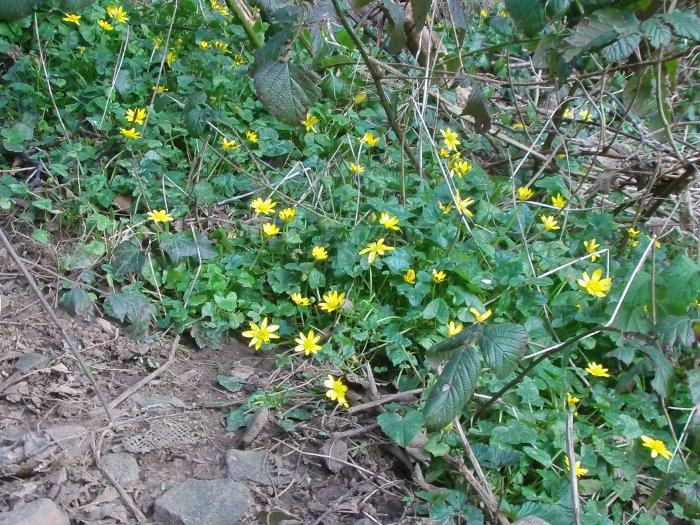
Habitats to look in when foraging lesser celandine.

Try any hedge-banks, verges, riversides, roadsides, and woodlands at altitudes up to 750 metres.

This natural woodland species finds a home in almost all parts of Britain and will be found in many urban settings as well. Foraging lesser celandine s a nationwide and simple affair. 

Parts used: Roots, leaves.

Harvest: Leaves from January. Roots are best when plant is dormant from May-June onwards, or just emerging in December and January.

Numerous tips, tricks, and techniques to help you successfully forage wild plants can be found in my harvesting guide.

The fiddly-to-prepare tubers are for me, strictly survival food, or something I will maybe use as a garnish if I’m wanting an unusual talking point in the meal.

Key constituents: Lactones including anemonin; protoanemonin (not present in the dried product); triterpenoid glycosides; saponins; tannins; vitamin C.

Actions: Astringent. Slightly bitter.

For information on the different medicinal plant constituents and actions, head on over to my discussion on medicinal plant chemistry.

Pharmacology and Medicinal uses: This plant has traditionally been chiefly used as a medicine for haemorrhoids, for many hundreds of years.

It was specifically used for internal or prolapsed piles with or without haemorrhage. Lesser celandine is generally used by topical application as an ointment or as a suppository.

We know that our ancestors looked at the plant’s knobbly tubers and saw, with a sympathetic magic mindset, a resemblance to piles.

We then used this ‘signature’ of the plant to determine our course of action medically.

A system based on viewing the microcosm and macrocosm of ‘Gods creation’ and applying plant medicines based on a ‘doctrine of signatures’, soon took hold in the 15th and 16th centuries. Many ‘discoveries’ still hold true and apply today, and this plant is one such case. 

I wish to discuss the relevance of plant signatures today, in a later article. No sniggering at the back. What are your views?

The fact that few clinical tests have been done with pilewort does not detract from its efficacy as demonstrated by long-standing traditional use.

Anti-haemorrhoidal activity has been documented for the saponin constituents. Its general astringency will also contribute to this effect.

Edible uses: The leaves are high in vitamin C. There is though a cautionary note when foraging lesser celandine:

You need to know that for absolute foraging safety, the leaves require cooking due to the presence of an irritant compound, protoanenomin, which is found in many buttercup family plants.

I would like to see any scientific studies regarding the build-up of this compound (first isolated from one of the Anenome species) in the leaves and roots.
Anecdotal evidence suggests that the leaves contain the highest amounts when the plant is in flower. Your individual tolerance will dictate exactly which course of action to take when eating this plant, as it does for all plants.

My experience of Protoanenomin is that concentrations do alter and that I am happy to eat lesser celandine leaves raw in a mixed dressed salad from when they first begin to re-emerge, and for a month or two, until most leaves are out and flowers appear.

If it’s a warm sunny March day, and the leaves are used as a trail nibble, lesser celandine will almost certainly irritate.

Remember here that sorrel is for thirst-quenching, mallow is for soothing, and lesser celandine needs dressing or cooking!

I do cook lesser celandine occasionally, as a ‘spinach’ green, but prefer foraging nettles as they begin to come through in the early spring.

For sure, eating raw will ensure the highest Vitamin C content in the leaves. The leaf’s previous importance to the Germanic people is evident in the fact that the German common name for this plant translates to ‘scurvy leaf’.

Did they eat it cooked? It isn’t difficult to see our ancestors gathering lots of leaves for the pottage broth.

I’ve been exploring lesser celandine tubers a little over the last few winters. Essentially doing a few time and motion studies as to how long it takes to harvest, prepare, and cook them.

The majority of tubers are small and present an extremely fiddly task in preparing to eat.

Frankly, they are a survival food for when the shit has really hit the fan! Other than that, you basically get scant reward for the time and energy spent on getting them to the table.

Look-a-like plants to know when foraging lesser celandine

Winter aconite (Eranthis hyemalis) can superficially look like lesser celandine and especially so at a distance.
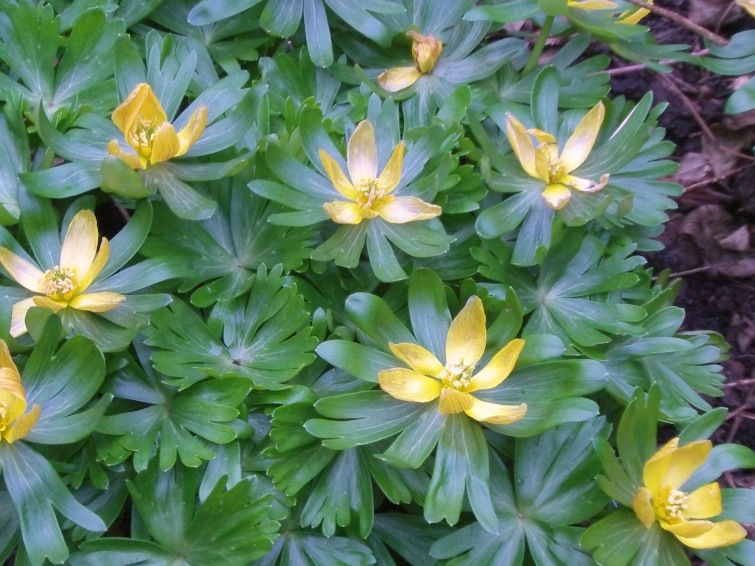
Although it’s not particularly frequent, winter aconite is a plant scattered in its distribution across mainly Southern and Eastern Britain.

This buttercup family plant has a similar flowering period, flower colour, size, and display, but the leaves are quite different to each other.

The winter aconite has what looks like a ruff of leaves under the flower. The leaves are deeply divided, more or less palmately-lobed. Winter aconite also producers small tubers, more round in shape than lesser celandine. The flowers are 20-30 mm across.

Winter aconite will happily grow in woodlands, by roadsides, in hedge-banks, and in parks and gardens.


Other notes:

The plant has evolved to complete its flowering cycle before the tree canopy is fully open, taking advantage of higher light levels found in February, March, and April.

By June it will have retreated to the underground until the very end of the year. Keep your eyes peeled in milder spots from December.


To the Small Celandine. William Wordsworth

“Pansies, lilies, kingcups, daisies,
Let them live upon their praises;
Long as there’s a sun that sets,
Primroses will have their glory;
Long as there are violets,
They will have a place in story:
There’s a flower that shall be mine,
‘Tis the little Celandine.

Eyes of some men travel far
For the finding of a star;
Up and down the heavens they go,
Men that keep a mighty rout!
I’m as great as they, I trow,
Since the day I found thee out,
Little Flower!–I’ll make a stir,
Like a sage astronomer.

Modest, yet withal an Elf
Bold, and lavish of thyself;
Since we needs must first have met
I have seen thee, high and low,
Thirty years or more, and yet
‘Twas a face I did not know;
Thou hast now, go where I may,
Fifty greetings in a day.

Ere a leaf is on a bush,
In the time before the thrush
Has a thought about her nest,
Thou wilt come with half a call,
Spreading out thy glossy breast
Like a careless Prodigal;
Telling tales about the sun,
When we’ve little warmth, or none.

Poets, vain men in their mood!
Travel with the multitude:
Never heed them; I aver
That they all are wanton wooers;
But the thrifty cottager,
Who stirs little out of doors,
Joys to spy thee near her home;
Spring is coming, Thou art come!

Comfort have thou of thy merit,
Kindly, unassuming Spirit!
Careless of thy neighbourhood,
Thou dost show thy pleasant face
On the moor, and in the wood,
In the lane;–there’s not a place,
Howsoever mean it be,
But ’tis good enough for thee.

Ill befall the yellow flowers,
Children of the flaring hours!
Buttercups, that will be seen,
Whether we will see or no;
Others, too, of lofty mien;
They have done as worldlings do,
Taken praise that should be thine,
Little, humble Celandine!

Prophet of delight and mirth,
Ill-requited upon earth;
Herald of a mighty band,
Of a joyous train ensuing,
Serving at my heart’s command,
Tasks that are no tasks renewing,
I will sing, as doth behove,
Hymns in praise of what I love!”

And The Lesser celandine…

“There is a Flower, the Lesser Celandine,
That shrinks, like many more, from cold and rain;
And, the first moment that the sun may shine,
Bright as the sun himself, ’tis out again!

When hailstones have been falling, swarm on swarm,
Or blasts the green field and the trees distressed,
Oft have I seen it muffled up from harm,
In close self-shelter, like a Thing at rest.

But lately, one rough day, this Flower I passed,
And recognized it, though an altered form,
Now standing forth an offering to the blast,
And buffeted at will by rain and storm.

I stopped, and said, with inly-muttered voice,
“It doth not love the shower, nor seek the cold:
This neither is its courage nor its choice,
But its necessity in being old.

“The sunshine may not cheer it, nor the dew;
It cannot help itself in its decay;
Stiff in its members, withered, changed of hue.”
And, in my spleen, I smiled that it was grey.

To be a Prodigal’s Favourite -then, worse truth,
A Miser’s Pensioner -behold our lot!
O Man, that from thy fair and shining youth
Age might but take the things Youth needed not!”

Happy foraging!
Foraging in December

Your at-a-glance wild food guide to foraging in December.

Nine wild plants to get to know when foraging in December

When you consider the plants and fungi mentioned in my other winter foraging articles for January, February, and November, we are looking at a substantial larder of more than 30 species up and down the UK. And this is before any of the plentiful seaweeds or shellfish are taken into account.

Leaves, seeds, and roots can all potentially be collected this month. Certainly in Southern England anyway.

Other areas further North are more likely to endure proper winter weather. As ever, no guarantees exist. For tips on harvesting, head on over to this page here.

Nine wild plants easily found when foraging in December

In no particular order…

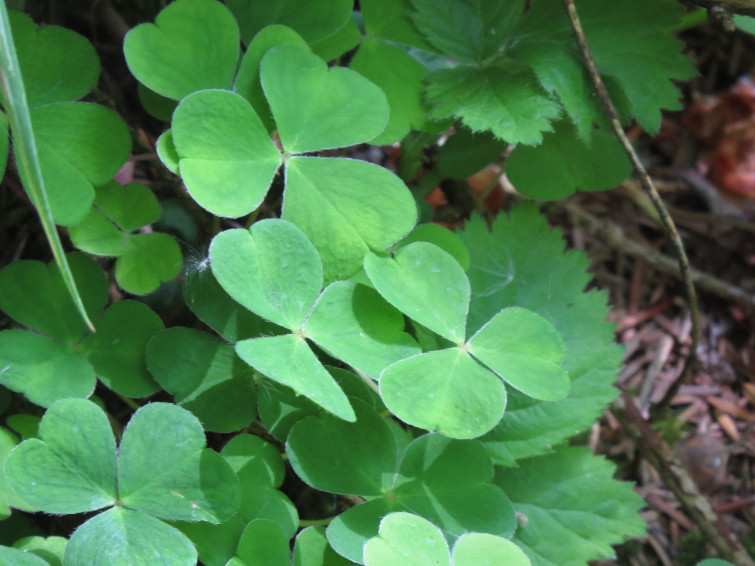
Wood sorrel (Oxalis acetosa)

Wood sorrel is easily overlooked, either because of its similar habit and form to our various clover species, or its small size.

It frequents various woodlands, but I can see it easier amongst the pine plantation woodlands we have, in Southern England at least, where it enjoys life in dappled sunny patches, large and small, 

The lovely acidic leaves are a refreshing wayside nibble or carefully gathered and added to salads.

Note the heart-shaped leaves that set’s it apart from the numerous clovers. If you look closely you will see a second heart-shaped imprint in the wood sorrel leaf.

This plant is delicate, so take care not to yank the roots up when harvesting. The usual caveats for eating plants high in oxalic acid apply.  

This plant constituent can be toxic to some people, typically those with kidney stones, as readers of this website will already know. Click those links to get up to speed. 

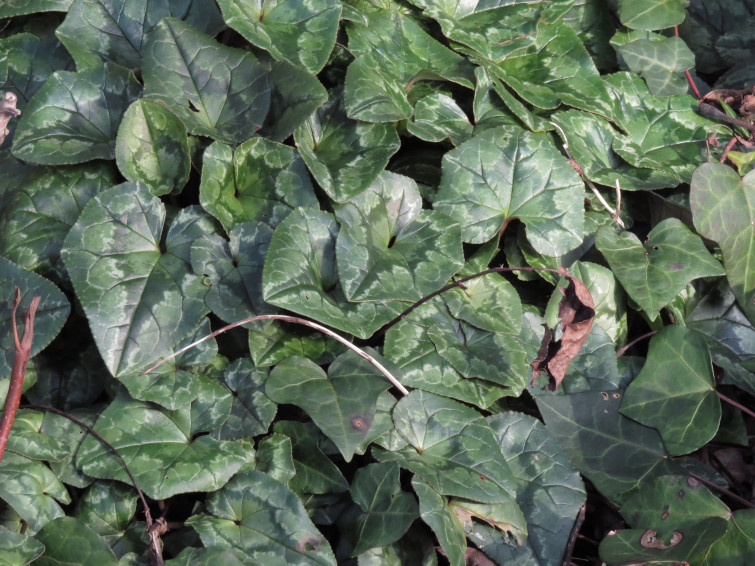
Cyclymen (Cyclamen hederfolium)

Not an edible plant, but one you cannot fail to notice when regularly out foraging in December and the winter months.

For the ravers of the nineties, and the maths students of today, have a good look at the middle of the leaves and see if you recognise the shape in the centre.

Some leaves clearly show more than a passing representation to the Mandelbrot set. This genius piece of mathematics revealed that nature has an unending fractal essence.

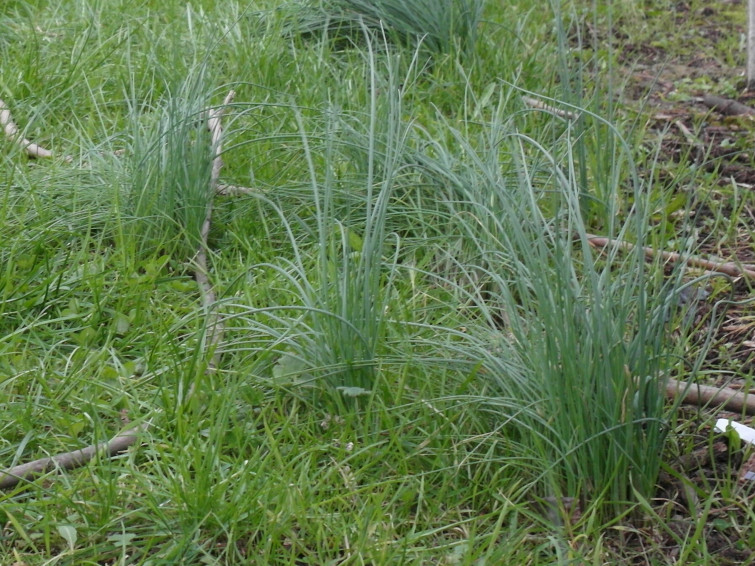
Crow garlic (Allium vineale)

Like pretty much all of them, this is another really tasty member of the Allium tribe of plants.

The new leaves are easy to spot amongst grasses,,

because of their blue-green colour. These semi-cylindrical leaves begin appearing from around late October to early November in grassy sites. 

Just like its relatives, all other parts are edible and available to harvest all year round. Definitely one on my radar!

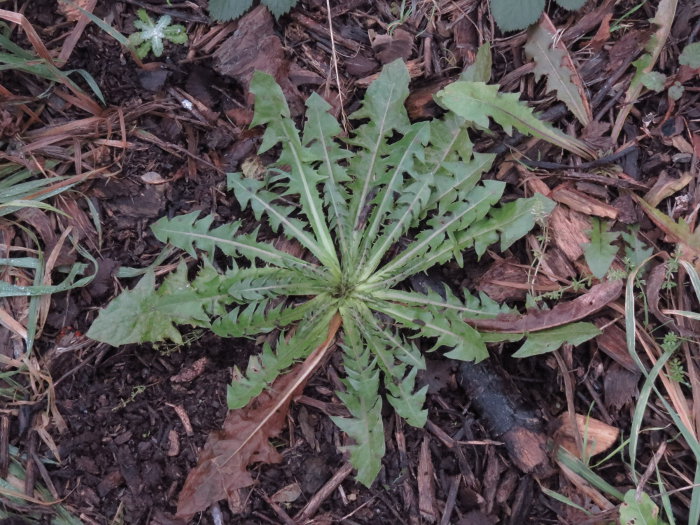
Dandelion (Taraxacum officinale) 


Known by everyone. But hardly anyone has eaten the roots as a vegetable, and very little information exists online, as far as I can tell, about its use as root vegetable!

The simplest method of use is to find the biggest of them, leach the roots in water for 24 hrs, then slice it half top to tail, par-boil and roast. Oh…my…days! 

When I was teaching in the Isle of Man, I asked a four-year-old girl  – who obviously 100% knew the plant she was pointing at was dandelion – how she knew the plant she was pointing at was dandelion. She answered simply, “because its dandelion”. 

I’m convinced we have a knowledge of plants deeply hardwired into our human brains.

We know all of these different green shapes in the haze of the hedgerow very well. It’s remembering them. Refiring synapses in the brain.

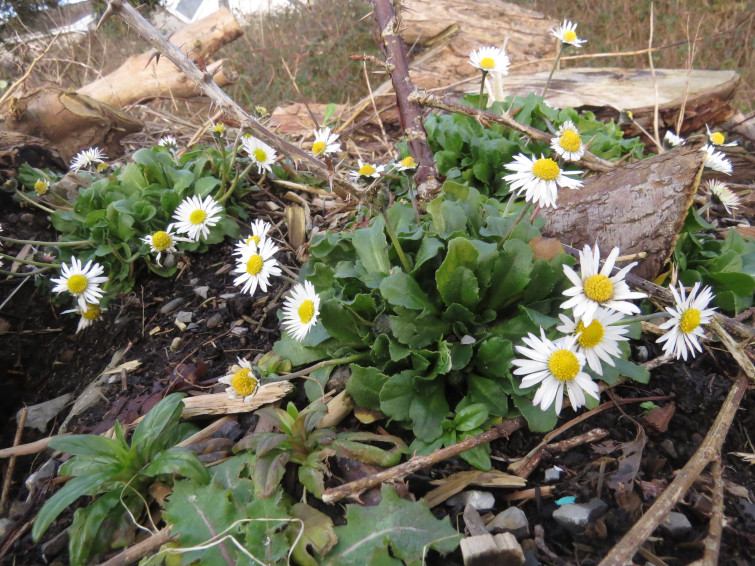
Daisy (Bellis perennis) 

Like dandelion, this little plant is known by all and is present through winter in small rosettes. The younger leaves have a savoury taste to them, but not as much flavour as the ox-eye daisy. 

Not many daisy plants will flower in winter but the odd exception to the rule will always be found.

Still, it is there all year and one you could add to salads whenever you want. Daisy leaves are also an old traditional herbal remedy for treating bruises. Simply make into a salve.

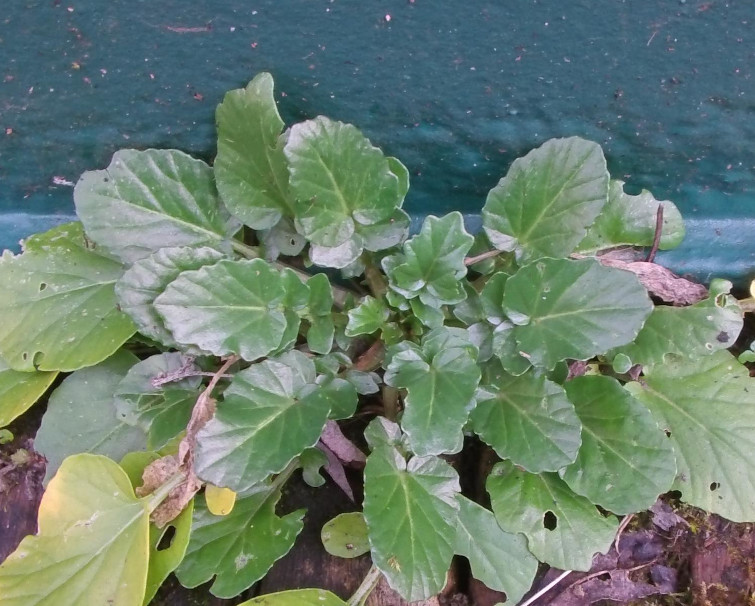
Wintercress (Barbarea vulgaris)

*

One of four Barbarea species to grow in Britain. Dark green leaves grow throughout the winter as rosettes. Flowers appear in mid-spring onwards.

The leaves taste bitter and mustard-like. You can reduce both by cooking it like spinach. Personally, I want all its medicinal benefits, so I use the younger leaves raw in salads.

My favourite parts, as with many brassicas, are the tasty and tender new flowering tops, and the flowers.


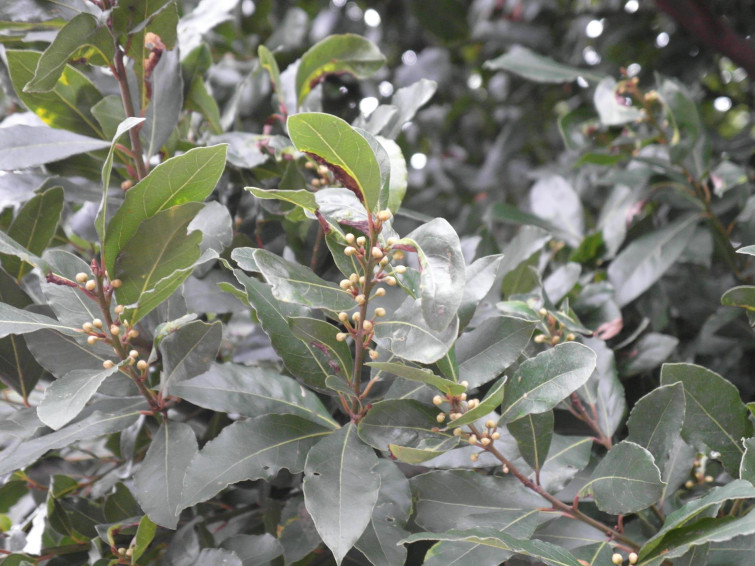
Bay leaves (Laurus nobilis)

Not strictly wild, but it’s widely planted and growing happily in so many places here in Britain. This is especially so in the urban environment.

This makes it super easy to find. You will see the bay tree out-muscling their original intended homes, bursting out through garden fences and walls from the suckers that appear from its base.

So really, why ever buy this quintessential ingredient for curries, soups and stews this winter? The best results are from dried leaves. 

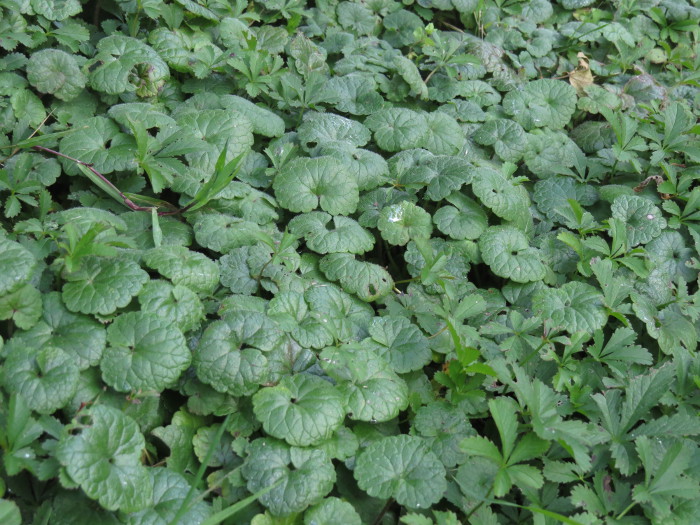
Ground ivy (Glechoma hederaceae)

This lovely semi-evergreen plant has been previously discussed here in its own full-length article. All you need to know here is that you need to know the plant!

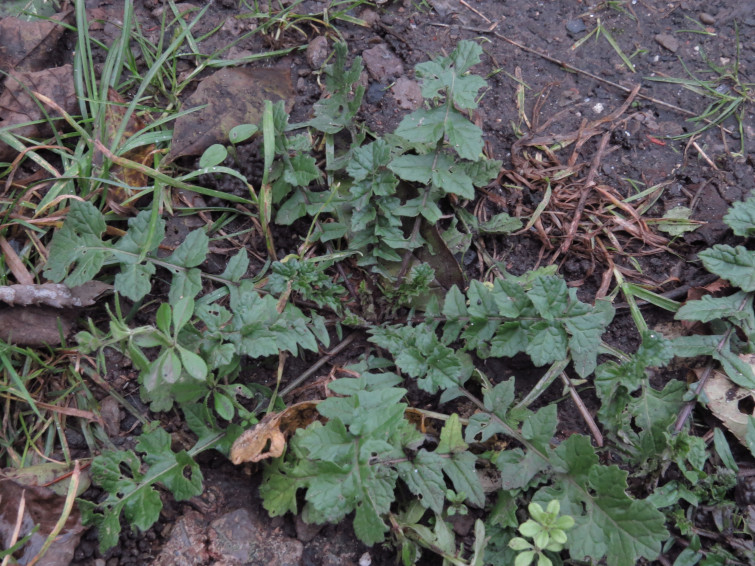
Hedge mustard (Sisymbrium officinale)

Before the arrival of horseradish this was the go-to chest remedy in a lot of Britain. It took me a few years of wandering to finally know all stages of the plant.

Its leaf form changes considerably over the life cycle, from the pinnately-lobed leaves found in the rosette, to the very thin stem leaves.

The yellow flowers are tiny, approximately 3 mm across. The seed pods are quite long and thin and are held close to the stem, giving rise to a tangled wire appearance. 


Fungi Foraging in December

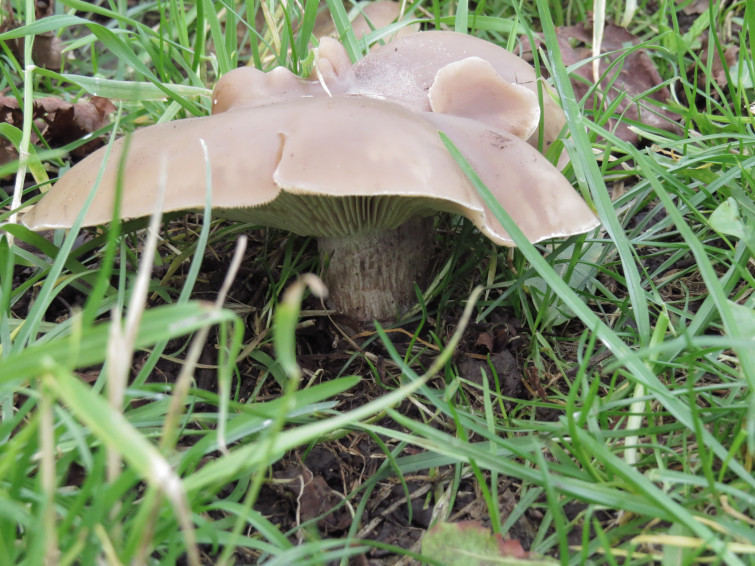
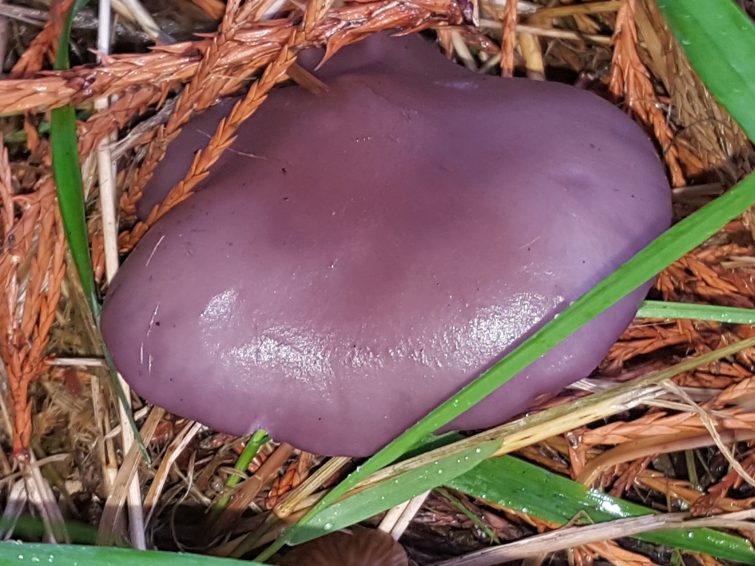
Few edible fungi can be found when foraging in December, but for me, the wood blewit and field blewit are two of the best edible mushrooms I eat all year, so I look forward to seeing them in grassland and woodland settings. 


These are two of the hardiest mushrooms you can find. The first time a friend of mine showed me them in Croydon, we harvested them in the frost with a sheet of ice on the cap!


These are great for making hearty mushroom tagliatelle or using in mushroom soups. They are strong flavoured, meaty textured, and juicy. 

They take a good few minutes to fry, and anyway, I prefer other less juicy mushrooms for that.

Field blewits (Clitocybe saeva synonym Lepista saeva) are around 8-12 cm wide and only around 5-6 cm high on average. 

They will show distinctive blue-mauve colouring on the stipe, especially when young. Their close-spaced gills are a mauve colour. Another common name for this mushroom is ‘Blue leg’.

Wood blewits (Clitocybe nuda synonym Lepista nuda) are generally taller, around 10 cm on average, and with pretty much the same size cap, although typically this one is lilac to mauve-coloured when young.

Both blewits will have a similar colour spore print, ranging from an off-white to pink. 

The lookalike Cortinarius species can have ‘cobwebs’ around the veil on the cap, and will produce a rusty brown spore colour and often smell unpleasant. Always, always, cross-reference your initial positive identification.

More plants and mushrooms are coming through in January.

Happy foraging!


Foraging wild lettuce

Discover how you can get a great night’s sleep from foraging wild lettuce!

Wild Lettuce (Lactuca virosa) and Prickly Lettuce Lactuca serriola) Asteraceae

Foraging for wild lettuce can help you get a good night’s rest. For various sleep -related problems, our two main wild lettuce species are some of the most helpful remedies you can find in Britain.

This article reveals some of the science behind why foraging wild lettuce can help your sleep, and therefore your health.

The wild lettuce plants are also some of the easiest herbs to find if you are living in town. When you are foraging wild lettuce in larger urban areas, you will often see both. 


The major difference between the two species under discussion here is the leaf shape. Both plants can be used, but it’s good to know the differences.

What’s in a name?

Our wild lettuce plants are the ancestors of the common garden lettuces (Lactuca sativa).

There are around 100 species in the genus. We have two main Lactuca species in the wild here in Britain.

The generic name Lactuca comes from the Latin word lac – meaning milk. All lettuces produce lots of milky white latex when cut.

The species name virosa, is an interesting one, as it is a Latin word for poisonous. This name is given to a few very poisonous organisms such as Circuta virosa (cowbane) and Amanita virosa (destroying angel).

This I can understand, because these are deadly poisonous, whereas the wild lettuce is, well, it will put you to sleep, but no more than that. Maybe the extremely bitter latex suggested toxicity to our ancestors.

The species name serriola could refer to the serrations on the leaf and the way they line up. It’s common name ‘prickly lettuce’ explains itself.

Identifying wild lettuce herbs

Leaves:

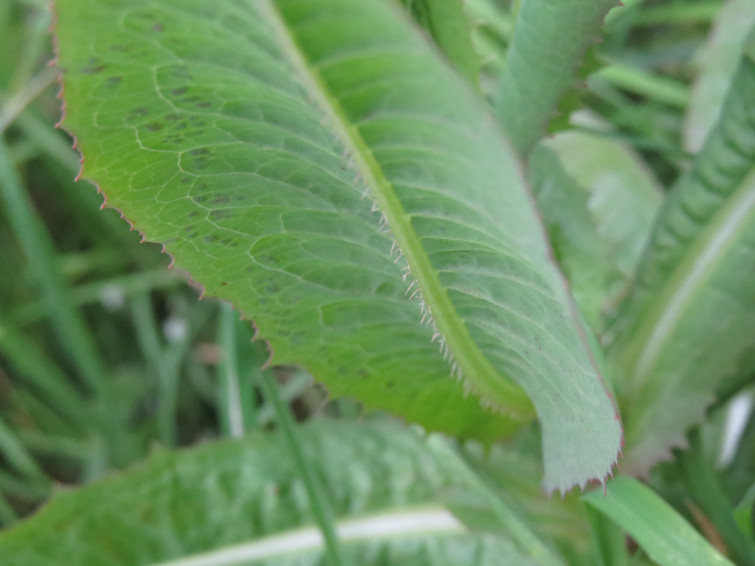
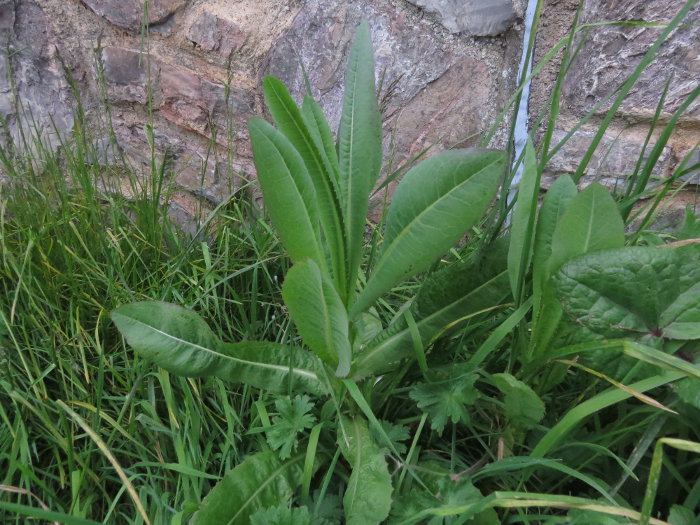
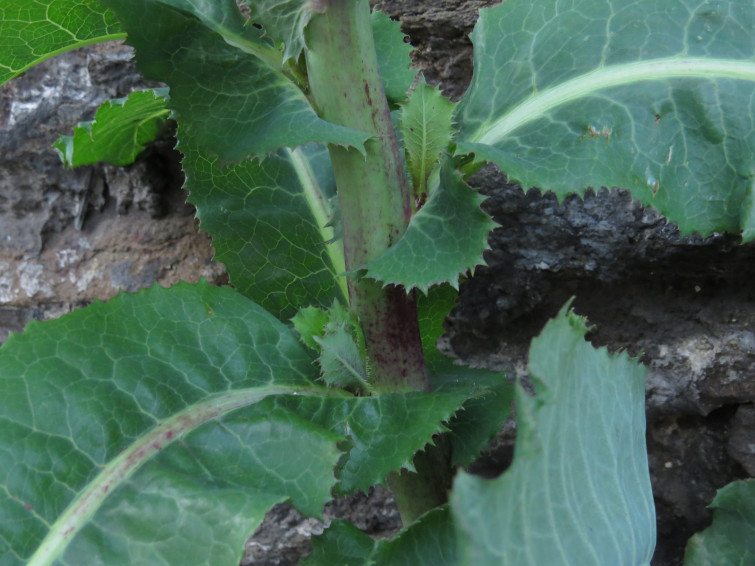
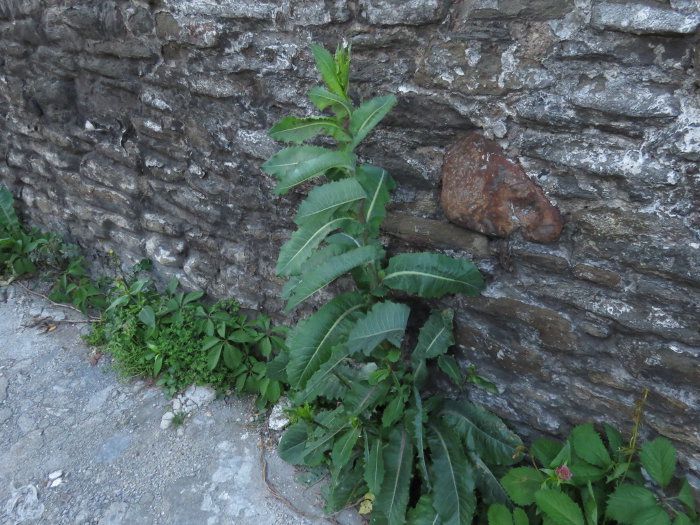
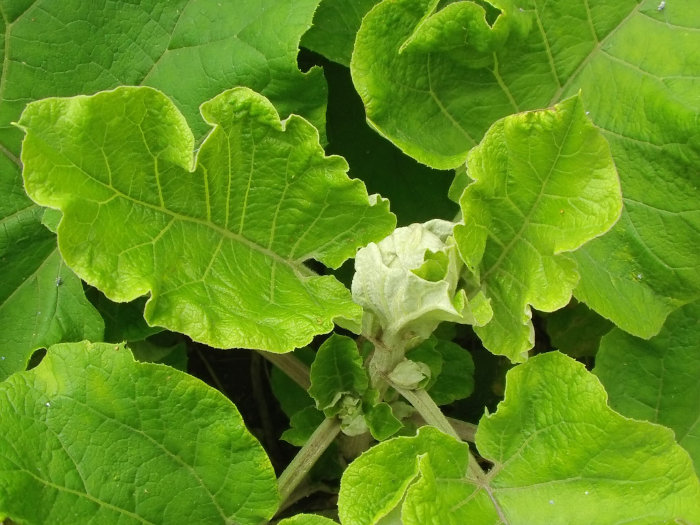
The main feature to look for when identifying wild lettuce is the single line of prickles running along the underside of the leaf.

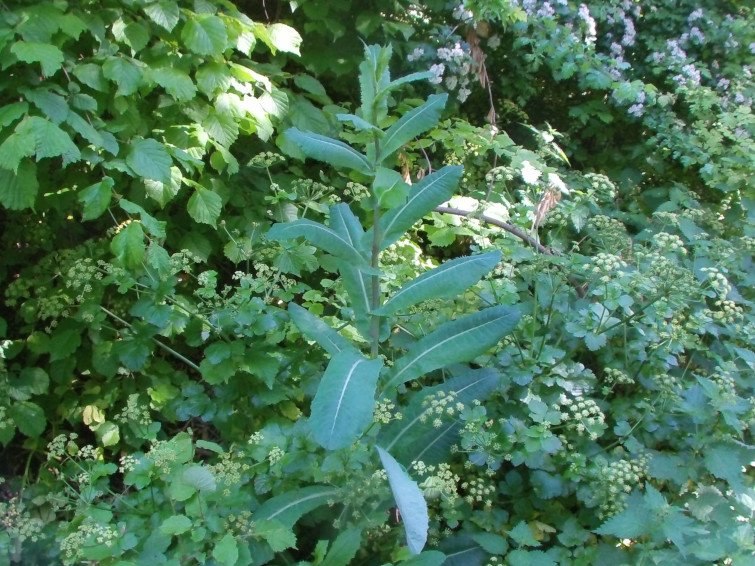
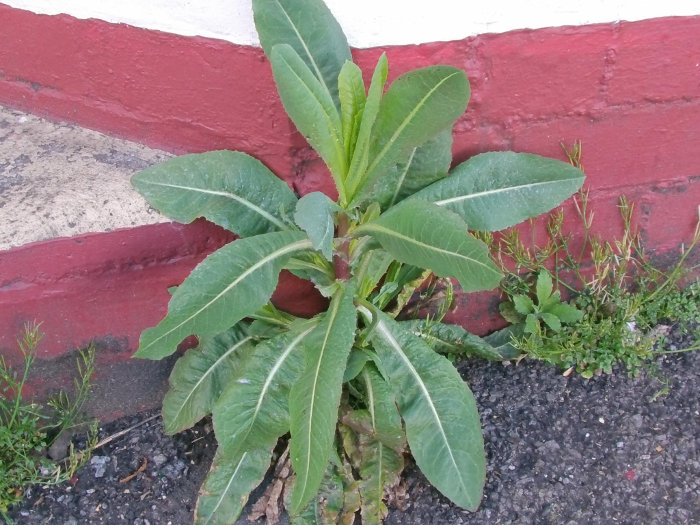
Lactuca virosa has sessile, oblong-lanceolate shaped, and waxy grey-green coloured leaves.

The prickly lettuce (L.serriola) has pinnately-lobed leaves, deeply cut to the middle flange of the leaf on either side of the midrib.

The leaves of both species are usually found with undulating margins and can grow to 25 cm long.

Often, the leaves are found standing quite erect in their rosette, although as the plant prepares for flowering, they are found clasping the flowering stem, resulting in an almost arrow-like base to the leaf.

Petioles: Short to sessile. Stem leaves have clasping  basal leaves.


Stems: By mid-summer, this gives rise to its many-branched flowering stems. The stems are round and hollow (as are many herbaceous biennials and perennials).

The stems are typically found with purple-spotting. Stem leaves are alternately-spaced.

Flowers: The inflorescence is borne on the branched upper portion of the flowering stem.

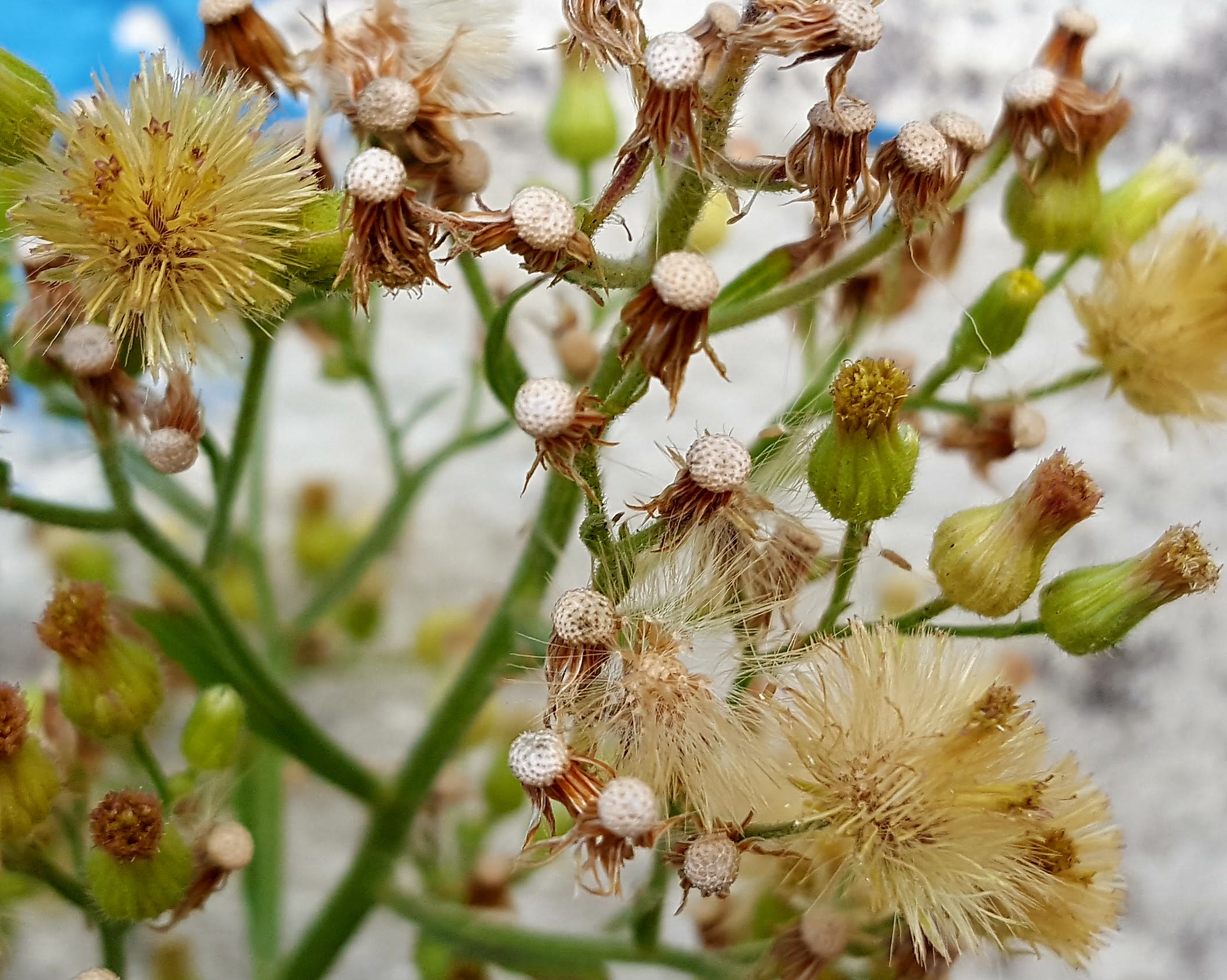
They are composite flowers, and individually about 11-13 mm wide, with 7-12 yellow ray florets rising from a narrow involucre (8-12 mm long). In flower, the plant can reach heights of up to 200 cm.

Flowering season: The flowers are on show from July onwards and are superseded by a white, hairy pappus, which spreads the tiny seeds far and wide on the wind.

Habitats to look in when foraging wild lettuce

Foraging wild lettuce is easy in the urban environment. Here, they get an easy foothold into any part of the urban jungle.

A quick look at these two distribution maps of Lactuca virosa and Lactuca serriola will show how widespread the plants are and if they are found in your area.

Take a look around in the spring and summer and you will see the wild lettuce appearing in many places.

It loves growing out of the bases of walls, pavement cracks or crevices, kerbstones, road-sides, waste-ground and disturbed soils.

This seems to point to the conditions of its origins, believed to be Asia, where it would be most happy in the sun and on poorer, free-draining soils.

Parts used: Leaves, flower-buds, latex.

Harvest:  Best just before the flowers open. Active constituents are in higher concentrations at this time, in comparison to material from younger plants. Learn more tips, tricks, and techniques in this harvesting wild plants article.

Key constituents:  Sesquiterpene lactones known collectively as ‘lacturcarium’ (including lactupicrin and lactucerin); also contains the coumarin glucoside (aesculin); flavonoids (including apigenin, luteolin, quercetin and glycosides); proteins; sugars; resins; alkaloids.

Actions:  Anti-tussive, sedative, relaxant, bitter.

Pharmacology and uses:  Wild lettuces are best known for their relaxant and sedative actions. 

Wild lettuce was one of a number of plants formerly used in a well-known anaesthetic recipe, employed before surgery during the middle ages (12th – 15th centuries).

An alcoholic extract of wild lettuce will show sedative properties, causing a reduction in motor activity and behaviour.

However, the compound lactucarium does not pass readily through the blood-brain barrier, and it is thought the effects may arise from peripheral and visceral actions below the neck, rather than above it.

Lactucarium has been used successfully in the treatment of morphine addiction because it has similar, if milder, anodyne-sedative effects.

The compound lactucarium is a mixture of a number of substances and was also reportedly used to adulterate opium. This and its latex, gave rise to the nickname – ‘lettuce opium’. It does not contain opiate molecules (only found in Papaver species)

Discover lots more about medicinal plant constituents and their actions in this must-read article.

Wild lettuce has been used successfully for treating both nervous excitability and insomnia.

Scientific evidence regarding its abilities to assist with chronic and acute coughs are still thin on the ground.

Even though there is a lack of published scientific papers, I still think its effectiveness can also be measured through its repeated traditional use by herbalists for hundreds of years. 

We need to always remember that science still doesn’t hold anything like all the answers.

Wild lettuce was in a number of cough remedies before full implementation of the E.U traditional herbal medicinal product directive 2004/24/E.C. although how many it appears in now, I’m unsure.

The fact that the plant is so easily found, means it’s really simple to go out foraging wild lettuce and make your own.

The sleep-inducing qualities of lettuce were immortalised in Beatrix potter’s children’s books starring Peter Rabbit.

In the tales, Peter’s mum used to give him lettuce to eat last thing at night, for its soporific qualities.

A number of herbal books will also testify to the gentle sleep-inducing powers of eating lettuce last thing at night.

The wild lettuce is a much stronger sedative than the cultivated varieties and can often be found in sleep-inducing herbal preparations, combined with hops, valerian, lime flowers, and passionflower. 

Toxicity has generally been regarded as low, but there are cases of people who have eaten large quantities of wild lettuce, then presenting themselves to hospitals suffering from various manifestations of wild lettuce toxicity.

These included: a decreased level of consciousness, agitation, dry mucosa, mydriatic pupils (pupils dilating), urinary retention, and hypoactive bowel sounds.

As ever with plants from the daisy family, as ever there is a warning for people who suffer allergic reactions to other members of this large plant family. 

More from our A-Z weeders digest coming soon! Happy foraging!
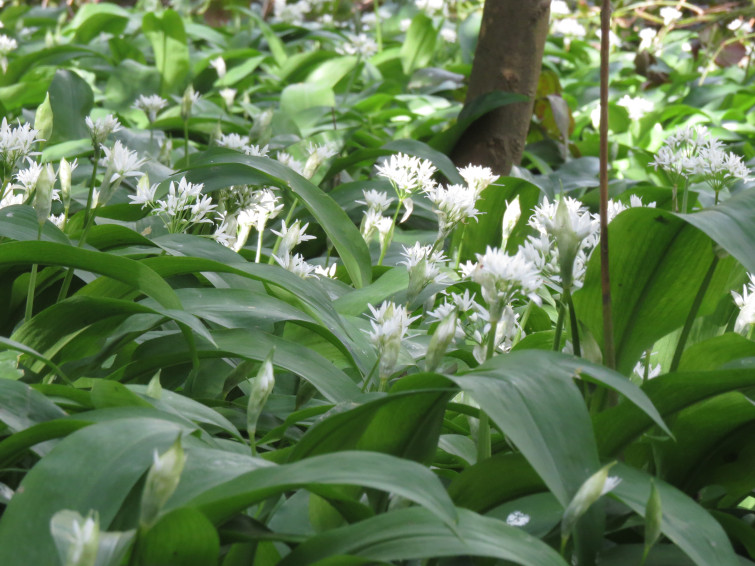
 

Foraging for Coltsfoot (Tussilago farfara)

Foraging for coltsfoot – An ancient herbal medicine for the lungs

Tussilago farfara – Coltsfoot. Asteraceae family

We have gone foraging for coltsfoot for thousands of years. It’s a small herb with a big reputation, which is detailed below.

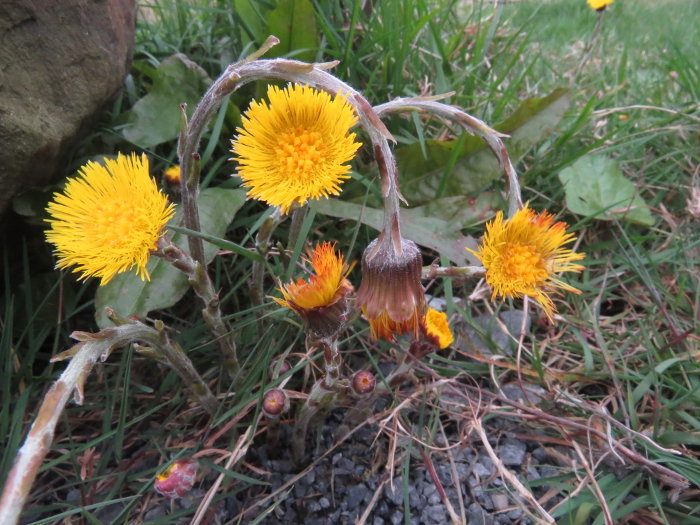
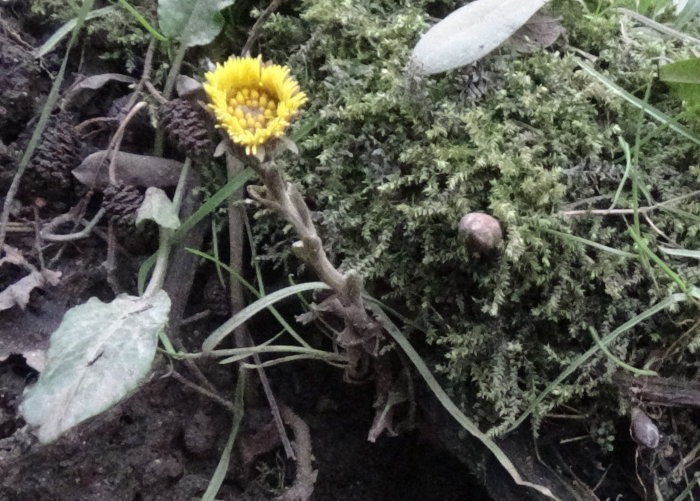
Coltsfoot is a small, creeping perennial herb, notable for its habit of producing beautiful yellow, dandelion-like flowers in late winter and early spring before its leaves appear.

As a result of this floral phenomenon, the ancient Latin name given to it by botanists of the renaissance period was Filius ante patrem, which means ‘the son before the father’.

We know from Roman times that this herb was one of our ‘go-to’ remedies for respiratory disorders.

Such was its prominence, if you were to walk into an apothecary in the 17th and 18th Century, you would recognise this flower immediately from the picture on the signage outside.

The ancient apothecary physicians used this flower as the emblem for their shops, and it is still used by many herbalists today. 

What’s in a name?

This plant is one of 15 different species in the genus. Many scientific plant names contain clues as to a plant’s origins, or its favourite habitat, and sometimes to a plant’s main actions or uses. 

The generic name Tussilago offers the hint towards its medicinal use. It has the same root word as tussive, relating to coughing.

It has been a popular anti-tussive (cough reflex inhibitor) herb for centuries and recent research is backing up some of the ancient claims.

The specific name farfara, is apparently derived from the ancient name for the white poplar tree (farfarus) whose leaf colour and form resembles coltsfoot somewhat.

Our ancestors obviously thought coltsfoot looked like the foot of an animal.

Coltsfoot botanical description

This is a hardy plant, native to Europe, West Asia, and North Africa. It re-emerges each year from a rootstock of stout, scaly, white (ish) rhizomes. These give rise firstly to its yellow flowers, before the long-stalked, somewhat hoof-shaped, sea-green leaves appear.

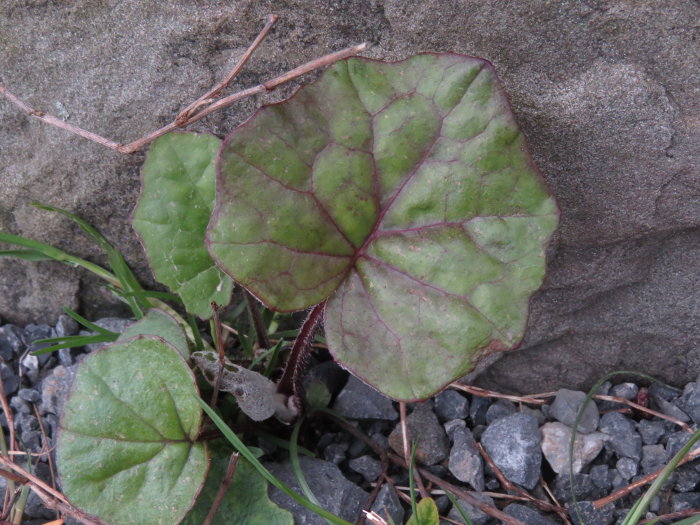
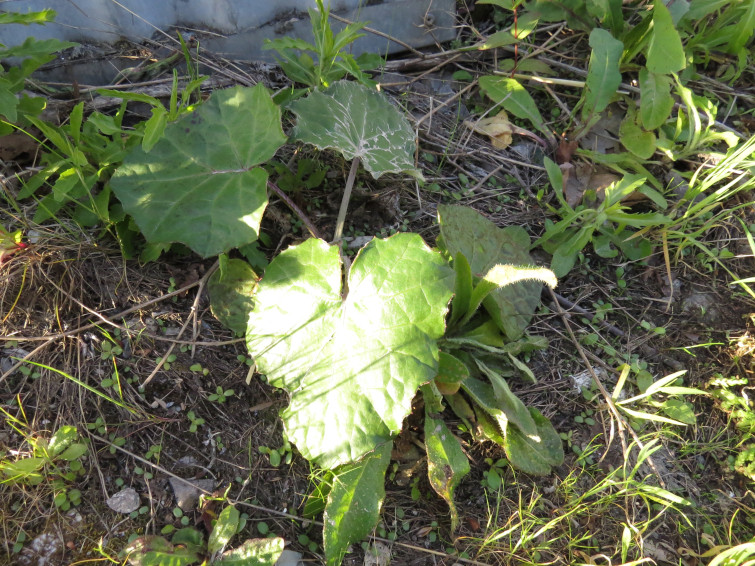
Leaves: The broadly kidney-shaped leaves will typically grow somewhere between 10-25 cm long. They have a few, small angular teeth on somewhat undulating margins. 

The leaf surface when young are  covered with loose, white, woolly hairs, but those on the upper surface will fall off as the leaf quickly grows and expands.

The broad leaves have angled, sometimes pink-tinged, main veins, running away from the central vein, akin to its relative burdock. They are thicker than many other plant leaves and soft to the touch.

Petiole: Long, to approximately 20 cm. Channeled and initially covered in downy hairs.

Stems: This plant is unusal in that it produces separate stem organs from its rootstock for flowering, which have no leaves.

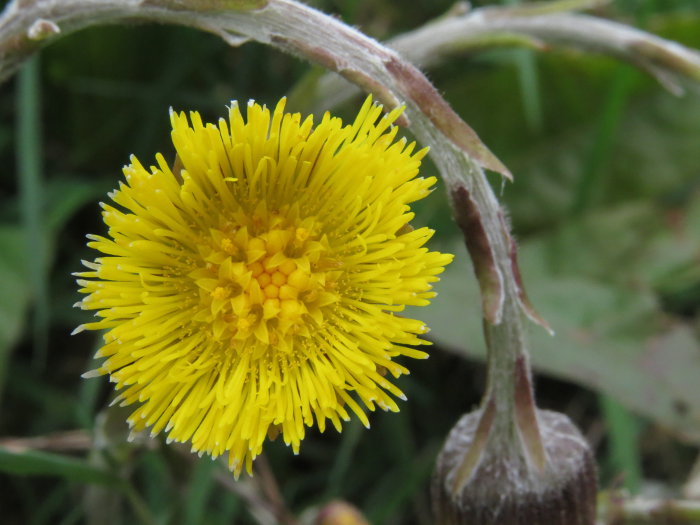
Flowers: Coltsfoot’s composite flowers are pretty similar in appearance to the dandelion at first glance, although the flower stems are quickly seen to be different.

Coltsfoot’s terminal flowering stems are scaly and slightly woolly (unlike the dandelion), topped with striking yellow flower heads. 

These striking blooms consist of yellow disc florets and yellow linear ray florets (unlike dandelion which has ray florets only).

The flowers will generally grow to no more than 20-25 cm high, and always appear before the leaves have emerged. 

As with many of the daisy family plants, coltsfoot produces a spherical seed head of tiny fruits (achenes), attached to downy white, silky, pappus hairs.

Goldfinches were known to line their nests with these soft hairs, as were the Highland peoples of Scotland, who reportedly suffed mattresses and pillows with them.

Habitats to look in when foraging for coltsfoot

This plant used to grow abundantly throughout England. Yet it can still easily be found on a range of sites up to altitudes of 950 metres.

These include waste-grounds, along the sides of railway banks, on cliffs and dunes, and occasionally on roadsides. It grows as well in wet ground as in dry situations.

Coltsfoot loves life by the sea. On the Jurassic Coast in Dorset for example, and repeated on much of our coastline, this plant grows in reasonably large populations.

Nowadays however, with the ever increasing development in 21st century Britain, its abundance has been curtailed somewhat, especially in urban areas.

So, when foraging coltsfoot, you will find it still thrives in towns, in any place that remains a little wild, rough, and unkempt.

Coltsfoot Lookalikes

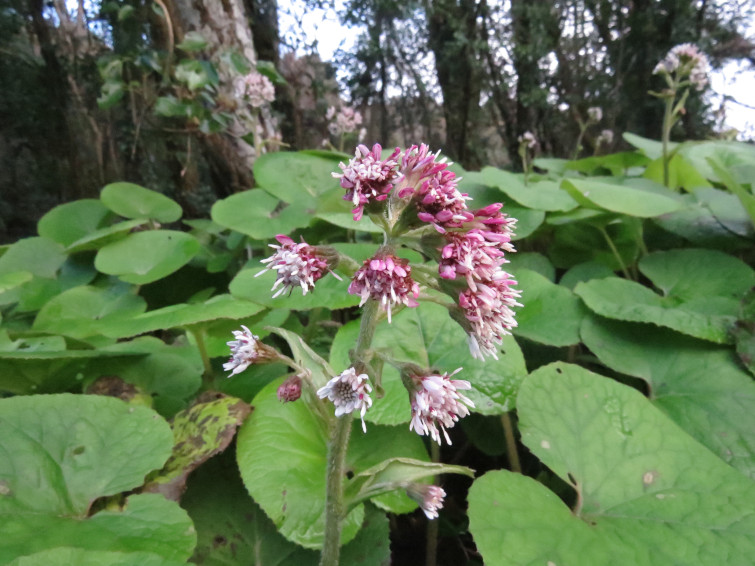
Be sure it is not the young leaves of Butterbur (Petasites officinalis, syn P.vulgaris syn P.hybridus), or the winter heliotrope (Petasites fragrans) you are collecting by mistake when you are foraging coltsfoot!

Both of the Petasites  resemble coltsfoot in flowering habit and leaf shape, although butterbur is less likely to be mistaken when mature, because its leaves are so much larger than coltsfoot’s.

Both of the Petasites species have more rounded leaves, and without the slightly angled and toothed margins or the white downy fuzz. Butterbur can frequently be found dominating areas of canal and river banks.

Winter heliotrope will similarly be found in large carpeting expanses, be this at the edges of woodlands or hedgebanks, as well as other shady spots.


Parts used Leaves and flowers (the flowers were formerly much used, but not so today as you will shortly discover).

Harvest Leaves: when fully-grown. Flowers just before opening. Get up to speed on all my harvesting techniques and tips in this previous article.

Key constituents Flowers: mucilage; flavonoids (rutin, carotene); taraxanathin; pyrrolizidine alkaloids (senkirkine, senecionine, tussilagine). Leaves: mucilage; flavonols (quercetin, kaempferol and their glycosides); tannins; inulin; phytosterols (sitosterol, stigmasterol, taraxasterol); sesquiterpene (tussilagone); zinc.

Actions Expectorant, anti-tussive, demulcent, anti-catarrhal, anti-inflammatory. Discover more about medicinal plant constituents and actions in our overview of plant chemistry.

Pharmacology and uses Coltsfoot was formerly a prized pulmonary tonic and curative against emphysema, chronic bronchitis and whooping cough. 

Culpepper mentions that  “…the fresh leaves, or juice, or syrup thereof, is good for a bad, dry cough, or wheezing and shortness of breath”.

This is also true of other soft leaved plants, such as mallows (Malva spp) and mullein (Verbascum thapsus). It’s something worth remembering when out and about foraging…namely, that soft-to-the-touch leaves, usually mean a soft and demulcent medicinal action when taken internally.

Previously, this meant that many people smoked the flowers to help with coughs. The ancients of Greece and Rome were known to advises this, including Dioscorides, Galen and Pliny.

We now know that this method is not the best way forward, although you can still find coltsfoot in a number of herbal ‘tobacco’ blends.

Just like its relative elecampagne (Inula helenium), the roots and flowers of coltsfoot have been used to make a cough sweet.

Boiled in honey or sugar syrup, a type of ‘rock’ made with coltsfoot was once a popular remedy to alleviate coughs and asthma, which was especially useful to people who almost unfailingly were to sit in dusty churches for a few hours, at least once a week.

The overall anti-inflammatory action of coltsfoot is reportedly similar to the pharmaceutical drug indometacin.

The water-soluble polysaccharides are partly responsible for the anti-inflammatory action, as they are in a number of other species in the daisy family.

The trace element zinc, reportedly found in reasonabaly high amounts in coltsfoot, also adds to the anti inflammatory action. 

The alkaloid tussilagine has been demonstrated as an effective cardiovascular and respiratory stimulant.

However, as with a number of plants containing the pyrrolizidine alkaloids, liver toxicity from chronic low exposure has been demonstrated in tests, albeit mainly on rats.

Further to this, pregnant women are known to pass on toxic pyrrolizidine compounds to their unborn child, resulting in at least one reported case of fatal, hepatic veno-occlusive disease.

This death was of a newborn infant whose mother had regularly taken cups of herbal tea containing coltsfoot and a Senecio species (a genus also known to contain pyrrolizidine alkaloids).

It is now believed the budding flowers of coltsfoot contain the highest concentrations of these compounds, so current advice from pharmacologists is usually that only the leaves should now be used in a tea, and not for prolonged use.

Coltsfoot has been shown to be anti-bacterial against bacteria including Staphylococcus aureus, Proteus spp and Psuedomonas aeruginosa.

It is also a mild diuretic and has been used to treat cystitis. There are no documented adverse drug reactions recorded for coltsfoot.

People have been foraging for coltsfoot to add to the pot for millennia. Coltsfoot leaves are reported in many ethnobotanical studies as being widely used as a vegetable.

The downy leaves can be simmered and blended with onion and potato into a thick soup, or the leaves can be steamed like spinach, then served with a knob of butter.

Some authors have said the leaves have a liquorice flavour. I do detect a sweetness in coltsfoot leaves, but liquorice is pushing the description somewhat. Well, to my smokers palate at least.

Other notes

Coltsfoot has been classed as an invasive plant not suitable for garden cultivation by the RHS.

You, like me, may think that invasiveness and rapid colonising of bare soil is a valuable asset in the medicinal herb gardener’s fight against weeds.

If I had a medium-large medicine garden, then this plant, along with other effective ground-covering medicinal species, such as ground ivy (Glechoma hederaceae), would be a most welcome and valued addition, boosting my medicine cabinet.

Lots more information on foraging wild plants and mushrooms are soon to be available on our monthly foraging guides.

For all of you new to foraging, you might want to hop over and take a look at the introductory article on starting out foraging. While you’re here, you can also get to know Britain’s poisonous and toxic plants.  

New plant species posts in our A-Z weeders digest are coming soon! Happy foraging!
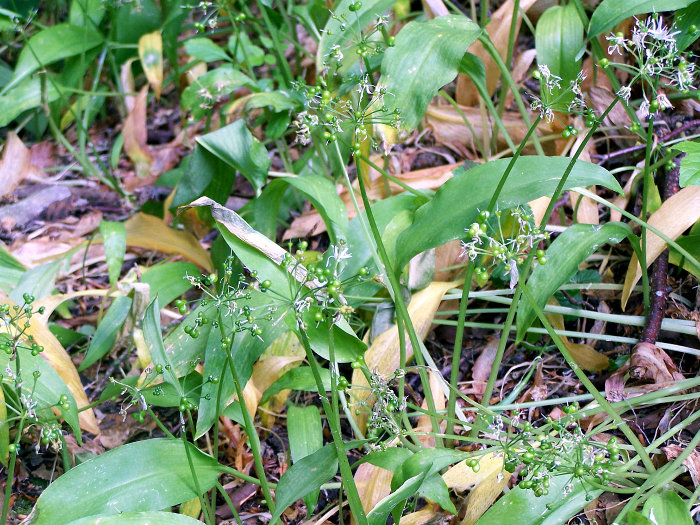
 

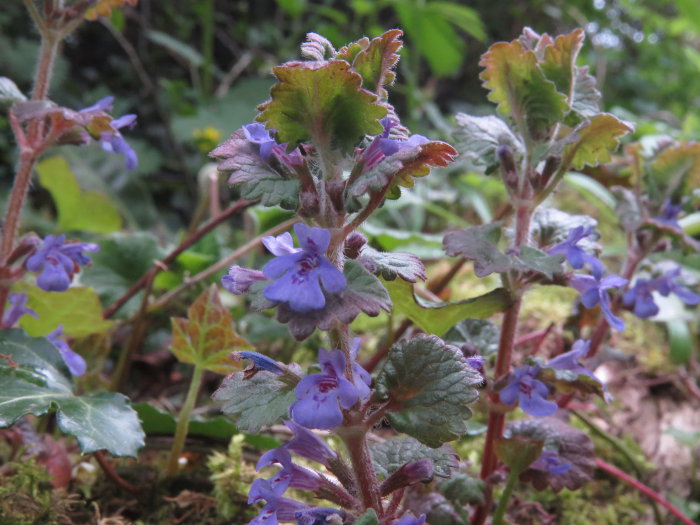
Ground Ivy (Glechoma hederaceae) Lamiaceae family

Foraging for Ground Ivy /Alehoof / Creeping charlie. The BEST plant remedy to soothe away nettles stings.

Ground ivy is a beautiful and useful herb. Partly due to its size, it is too often overlooked. It is the best remedy for nettle stings I have discovered, bar none. Read on to find out more!

Even with its gorgeous blue-purple flowers, remarkable healing powers, and intriguing scent, this plant produces mixed feelings from gardeners. 

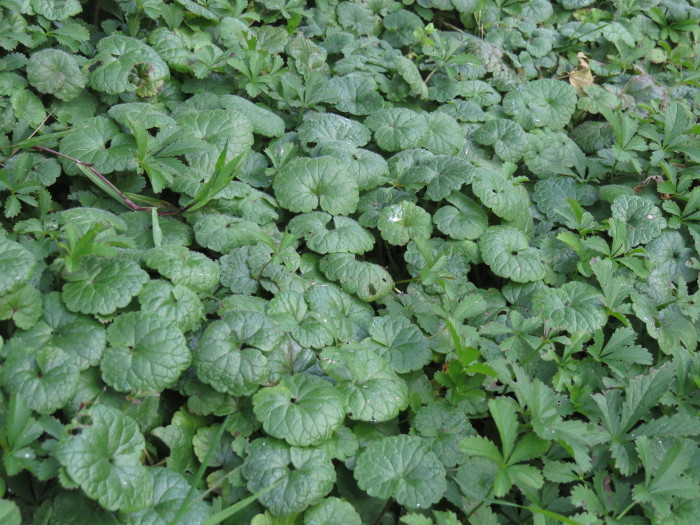
Ground ivy is notorious for a rapidly creeping habit, which soon helps it take over where it’s not wanted. Each node on the creeping stems can produce leaves and roots.

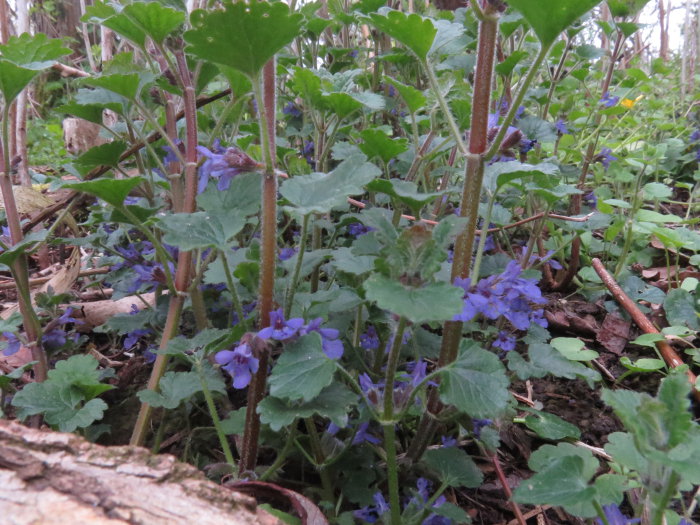
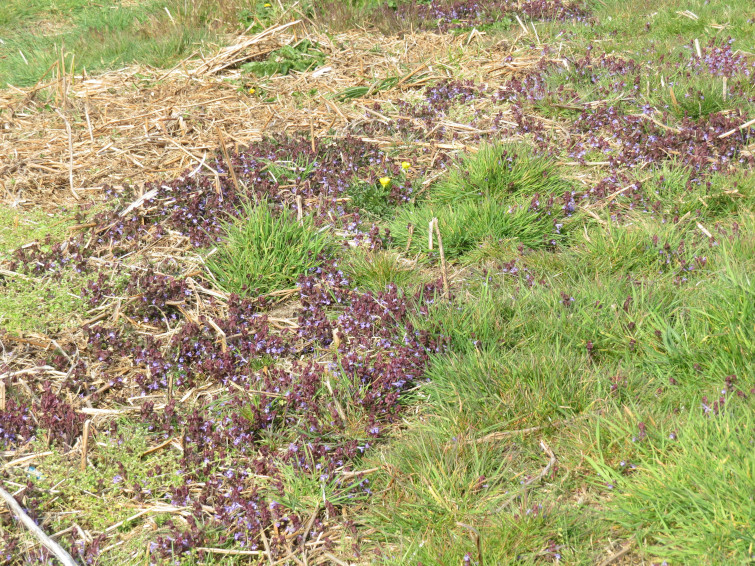
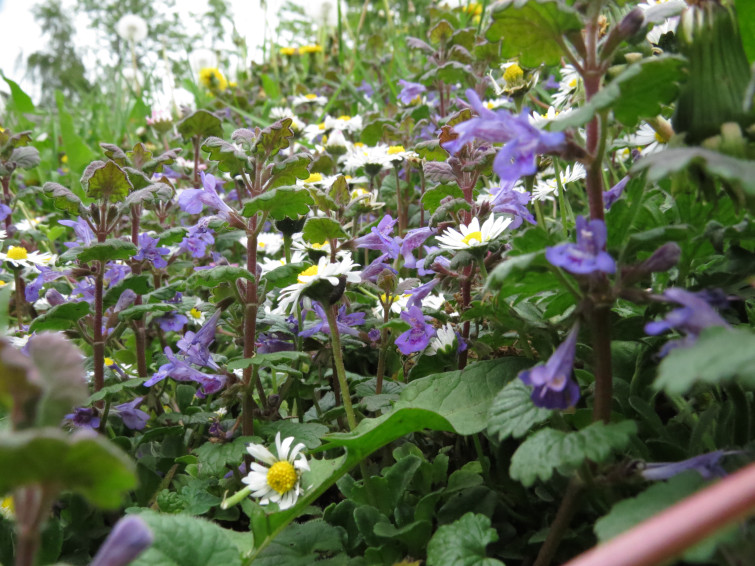
During the spring you will find relatively large patches of land adorned with splashes of blue-purple, often lower than the tops of the grasses it finds itself in.

Ground ivy quick botanical description 

This is a perennial plant and another useful member of the large and mostly aromatic mint family.

Leaves:

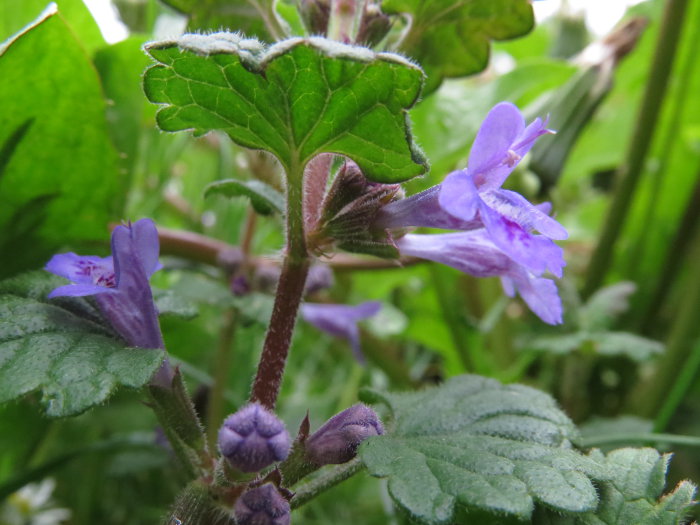
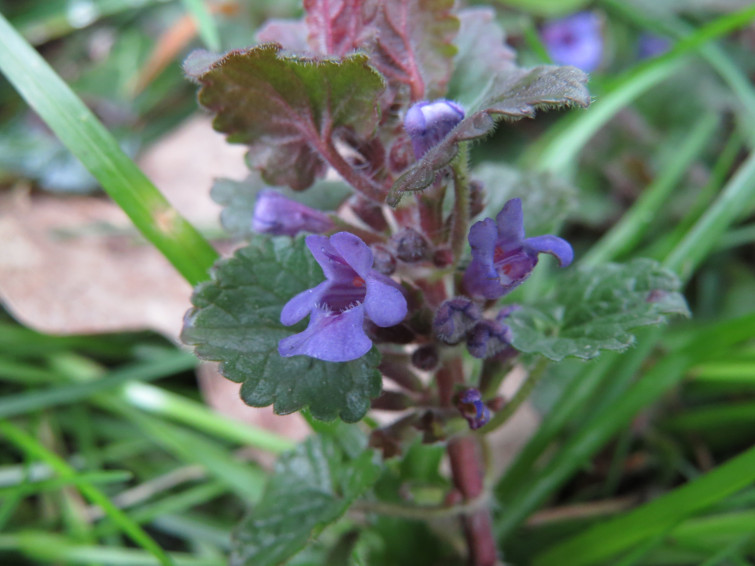
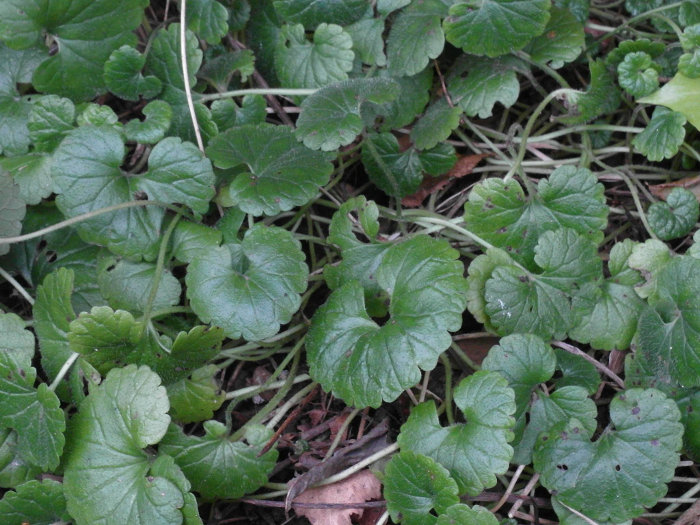
The kidney-shaped, deep green leaves are often found slightly undulating at the margins, with essential oil glands on the undersides. The margins are crenated.

Its upper leaf surface has a covering of very small downy-bristly hairs. The leaves can often be a slight purple hue, depending on soil, site, and time of year. Ground ivy can be found in all but the harshest, snowiest, winters

Petioles: The leaves are borne on long petioles. 

Stems:

These begin to rise up a few weeks before flowering. They are short, square, producing smaller leaves and soon producing flower buds. It rarely reaches much above 8-10 inches high.

It’s trailing habit comes from the quickly spreading runners, similar to those found on strawberry, but with two leaves at every node.

This adaptation makes ground ivy an exceptional coloniser of bare soil and darker, shady areas of the garden.

A similar method of growth is employed by mints (Mentha) but their stems are found just under the soil surface, carrying the same capacity to root and shoot at every node.

Flowers:

Although only a small wee thing, ground ivy makes a big impression on the eye when in flower.

The flowers appear from leaf axils. Long blue-purple, two-lipped corolla tubes come from a five-pointed calyx. 

Flowering season: Depending on how mild the winter has been, and where you are in the country, it’s possible to find ground ivy in flower from March.

Habitats to look in when foraging for ground ivy

You can find it in a number of settings up and down the land. Ground ivy loves field edges, hedgerows, woodlands and grassy banks, whether they are sunny or shady, which somewhat depends on where in the country it is growing.

It is not particularly fussy about soils so has been found in more than 85% of the British Isles, aside from the extreme North and North West of Scotland.

Parts used – Leaves and flowering tops.

Harvest – Just before flowering is best, though leaves and flowers can be taken for medicinal or culinary use at any time.

Key constituents – Amino-acids, flavonol glycosides (including rutin, isoquercitrin). Flavone glycosides (inc luteolin), Sitosterol, saponin, tannin, wax, volatile oil (inc linalool, limonene, menthone, terpineol, alpha-pinene, pulegone, rosmarinic acid.

Actions – mild expectorant, anti-catarrhal, vulnerary, diuretic, astringent.

Discover more about the actions of medicinal  plant constituents in my article here.

Traditional uses – Many herbal authors of old, such as John Gerard (circa 1597), noted its use and action on the mucus membranes, thus employing the plant as an expectorant and a cure for colds.

Ground ivy’s aromatics really remind me of sage or thyme and mint. I love the scent, but they’re not everyone’s cup of tea.

Its chemistry has been quite extensively documented. The essential oil plays a major part in ground ivy’s therapeutic ability.

The astringent activity is reportedly due to rosmarinic acid, whilst terpineol is known to be antiseptic. Astringency and anti-inflammatory actions of ground ivy are usually associated with the tannins and flavonoid fractions.

The monoterpene pulegone is the abortifacient agent responsible for the actions of Pennyroyal (Mentha pulegium). In pennyroyal, pulegone is found at concentrations of 1-2%.

However, it is not present in ground ivy at high enough concentrations (0.03-0.06%) to be considered harmful by practitioners.

The terpene-rich volatile oil of this plant indicates it will be an irritant to the mucous membranes of the stomach as well as other parts of the gastro-intestinal tract and kidneys.

Irritation is not necessarily harmful because the C.N.S is kick-started into producing responses we desire from it.

More detailed information about medicinal plant constituents and their actions will be found in a previous article here.

Ground ivy soothes away nettle stings like no other plant I’ve met

Without question, this plant is the best antidote I know of for treating nettle stings.

Simply crush and squeeze the leaves between your thumb and the other palm of your hands. Rub the expressed juice on the afflicted area. 

Rub the mashed plant material on  vigorously and you will soon sense the stinging sensation disappearing.

I have a hunch that it’s the thicker, less volatile, sesquiterpenes in the essential oil that are partly responsible for alleviating and soothing the reaction to the nettle stings.

These thicker oils need temperatures around 60 degrees centigrade to begin degrading / distilling / evaporating.  The temperatures reached whenrubbing

As a food, ground ivy makes a good addition to pies, soups or broths. Both stuffing mixes for roast meats, and my wild salsa verde are enhanced with some chopped ground ivy. Flowers can be added to salads.

Its aromatic and bitter leaves could be used in salads, but I think they a) require a good dressing, and b) need finely chopping before mixing in, because of their strong flavour.

This plant would have been especially welcome to our ancestors, and even more so in the late winter to early spring period, when fresh new leaves are scarce.

For the home brewer ground ivy is well worth foraging during spring. Formerly known as alehoof, the plant lends an aromatic bitterness and has renowned abilities to clarify ale, for which it was once popularly used. 

At a glance, ground ivy could superficially be mistaken for purple dead nettle (Lamium purpureum) and henbit dead nettle (Lamium amplexicaule).

Both of these two relatives from the mint family are edible, if not tasty, so this wouldn’t be the worst mistake you could make.

For more information on wild harvesting our medicines and foods, head on over to this article.

Happy foraging!
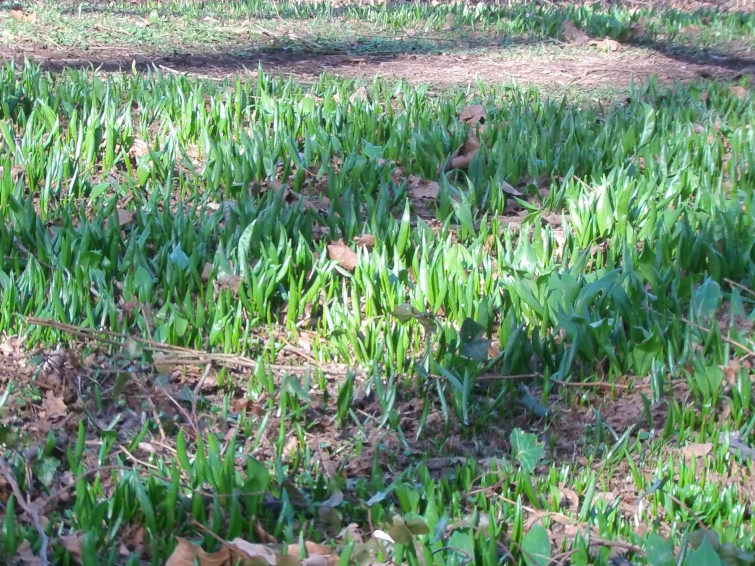
Foraging for Horseradish (Armoracia rusticana)

Horseradish (Armoracia rusticana) brassicaceae family.

Learn how to find, identify, and use the quintessential Sunday dinner favourite -horseradish.

Horseradish is best known as the basis of the fiery condiment  accompanying Sunday roast dinners every week here in Britain.

But it is another plant we do well to explore for its various tender young plant parts, as they develop over the year.

This is a long-lived perennial plant. When mature in the summer it can easily reach well over 1.5 m wide.

Horseradish was reportedly imported into Britain during the 16th century, specifically as a medicinal plant.

It is essentially a much stronger version of our traditional respiratory herb hedge mustard (Sisymbrium officinale), and is used in pretty much the same way.

The culinary use of horseradish didn’t kick off immediately, but by the 18th century, it was a cottage garden staple and replacing other native pungent brassicas in food.

Today the root or the classic sauce made from them is found on almost every supermarket and corner shop shelf.

Leaves: When crushed, they smell strongly of mustard. The shiny green leaves are very large,  ovate-oblong shaped, and round at the base. The prominent midrib is white and helps distinguish this plant from docks.

The leaves are potentially confusable with our dock family plants, until you either closely look, or crush and smell them! Horseradish leaves will always try and reach up vertically.

The initial basal leaves appear in mid-spring, and can typically grow larger than 40 cm long. Leaves up to 60 cm long are not uncommon on well-established plants.

Leaf margins are crenate-serrate (See glossary) and they undulate. Later leaves and stems leaves are lobed, sometimes deeply and pinnately, especially at the base.

Petioles: Typically 25 c-30 cm long. Can be found slightly sheathing at the base. The petiole has a ‘v’-shaped channel running up it.

Roots: Large tap roots. these will develop over time into a woody crown with numerous new growing points.

Stems: These can rise to around 1.2 – 1.5 metres during flowering. The alternate spaced stem leaves refine in form, to a linear or elliptic shape.

Flowers: They are borne on terminal panicles. The Horseradish is a little temperamental. Some specimens do not flower every year, and some hardly ever. When they do, the small white flowers appear in the shape of a cross.

Flowering season: Look for the flowers from late June onwards.

Habit: Clump forming, upright, spreading.

Habitats: Wasteground, scrub, coastal grassy sites, roadsides, and river banks in England and Wales borders.  Absent from higher ground in Devon and Cornwall. Absent or rarer into Scotland.

Near me on the Somerset levels along the rhines, the plant is frequently occurring.

Harvesting: Different plant parts can be harvested throughout the year. The roots are best harvested in the Autumn.

The very young leaves can be used chopped in salads. Older leaves can be boiled like spinach.

Tender young flowering stems are sweet and pungent. Flowers can be added to salads. I know some chefs who like to extract the petiole sap for use in froths and jus to go with fish.

Other notes: One of only four species in the genus, horseradish was at one time commonly called red-cole (cole is an old term for brassica plants) These days, the plant is found in different craft gins, adding a lovely warm tone and to the spirit.

If you do not have horseradish on your land and would like some root ‘thongs’ for next spring, then contact me as I have plenty growing in my garden.

You can discover hundreds more plants in my continually updated ‘weeders digest’! Happy foraging!