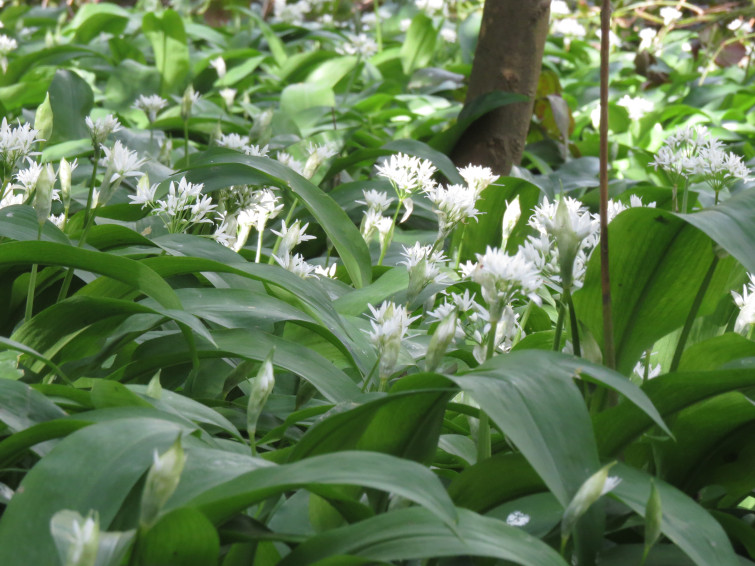
Discover some of the best wild food plants and fungi with this UK guide to April foraging
Foraging in April suddenly means abundance. Only a while ago in January and February, we were on a limited winter palate of mostly green leaves. Then we began to see a steady increase of delicious wild plants in March.
Now we have longer and warmer days, April explodes everywhere with vigorous renewed growth. It brings a feast of new shoots, leaves, stems, flowers, and flavours. This is just what we need as our bodies fully awaken after a sedate winter.
To help you confidently and safely identify wild food plants, this website offers a range of resources to help complete beginners, including the basic tools to go out foraging with success.
You can discover how to identify plants in a day with a really simple-to-use plant I/D method. Learn also to be a mindful and responsible forager when you go out collecting. Have a look at my harvesting tips and tricks before you go.
Knowing our poisonous plants is more important than knowing the edibles. This guide to Britain’s poisonous plants, will help you stay safe. A revised edition will soon be essential reading on my upcoming online courses.
Get to know these nine great edible plants and one deadly poison when you’re foraging in April.
The following list is just a handful of the plants available to you when you go foraging in April. It also includes one deadly poisonous species that almost all active foragers will be seeing now and will want to know.
So let’s take a look at a few of my favourite wild foods that I go foraging for in April. They are in no partucular order.
Sea purslane (Atriplex portulacoides a.k.a Halimione portulacoides) Chenopodiaceae family
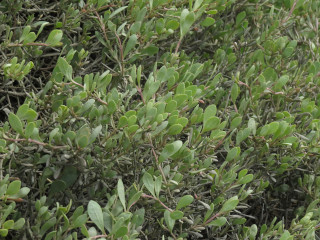
This woody perennial is one of my all time favourite wild food plants. It’s abundant and evergreen, with crunchy, salty, oval leaves. Foraging for sea purslane this April makes a great excuse to visit our estuaries and coastlines.
This is a fantastic plant to use raw, cooked, or preserved through pickling; either in lacto-fermented brine or vinegar.
Flowering currant (Ribes sanguineum) Grossulariaceae family
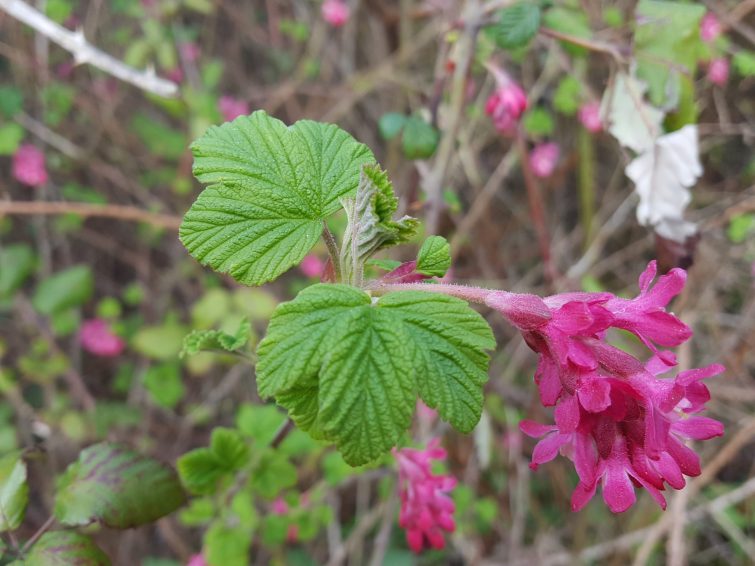
The flowering currant is a delightful spring plant to harvest, as my recently published article reveals.
Hemlock (Conium maculatum) Apiaceae family
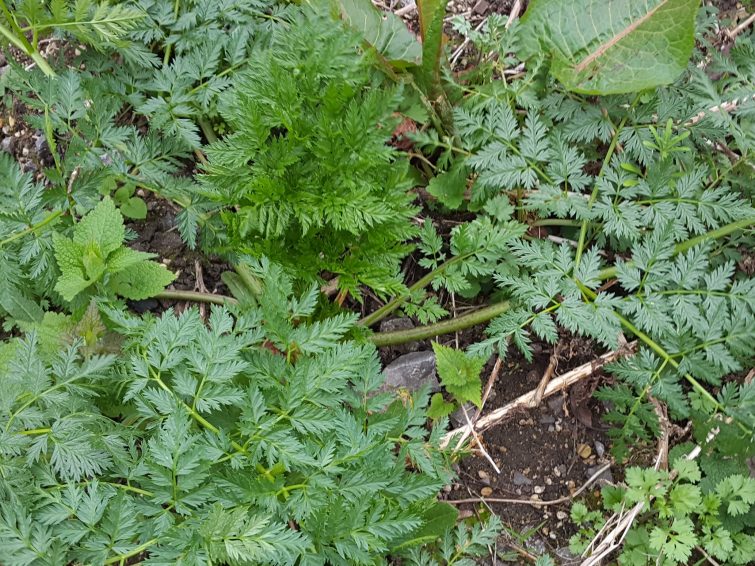
Knowing this plant is vital! Hemlock grows in much of Britain and should be easily found in most of our towns and cities. It loves riverbanks, roadsides and waysides as well as wastegrounds.
I can vouch for its extreme bitterness and the nasty sensation of microscopic skin-piercing crystals playing havoc inside my mouth. All this from a misidentified nibble!
This particular carrot family herb is being covered in full soon, to allow full comparison with other carrot family herbs including fools parsley, the Japanese hedge parsley or wild chervil. Hemlock is a large plant, in and out of flower. It is hairless, and with red purple-spots on its stems and leaf stalks.
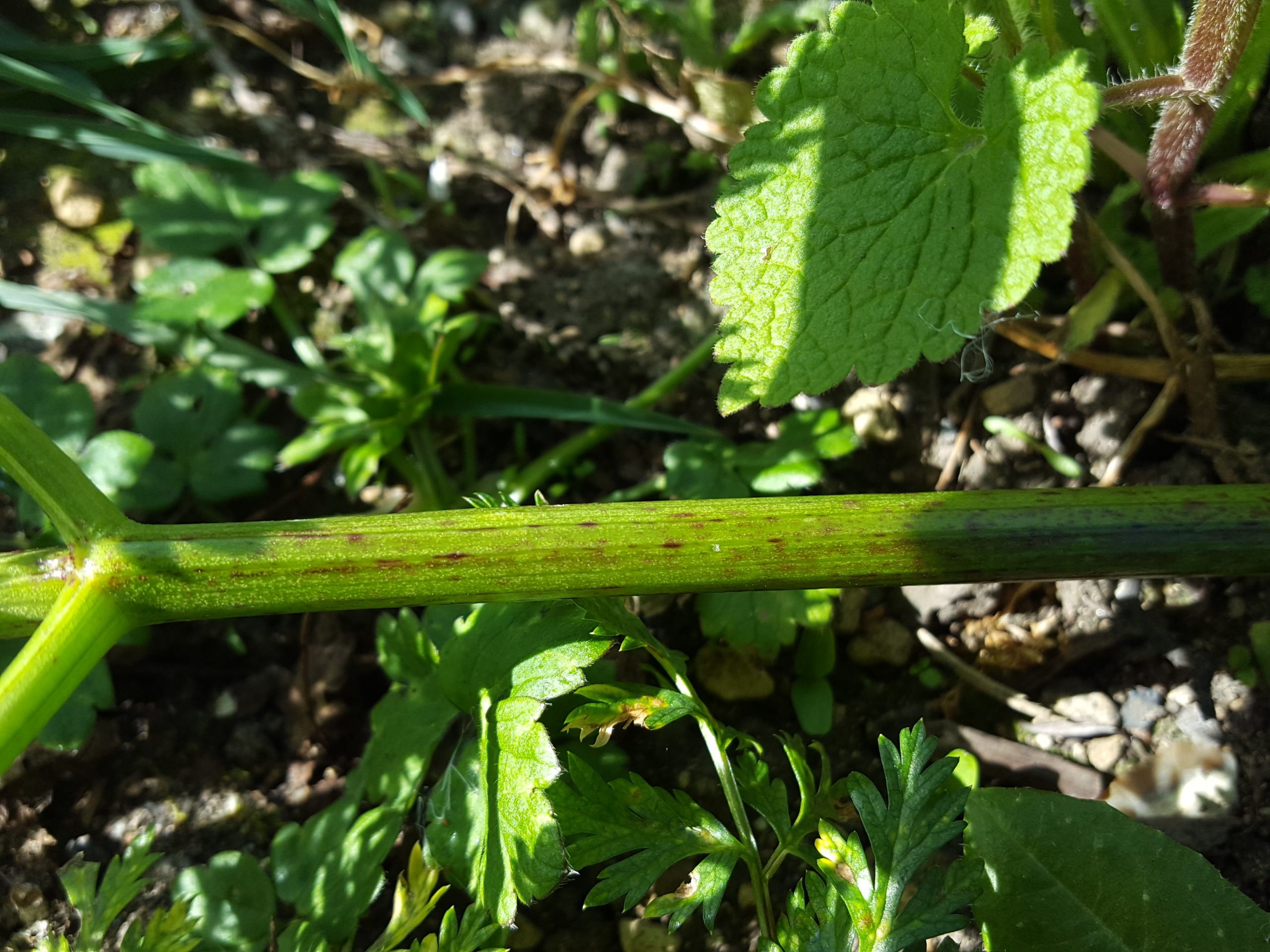
Hemlock can reach 2 metres high with small lacy looking flowers that appear from late May or early June. The fern-like foliage has a rank smell, which is often described as similar to mouse urine. I’ve lived near to stands of hemlock and they definitely have a feotid stink. If in doubt about I/D, check the leaf stalk out!
Hop shoots (Humulus lupulus) Cannabaceae family
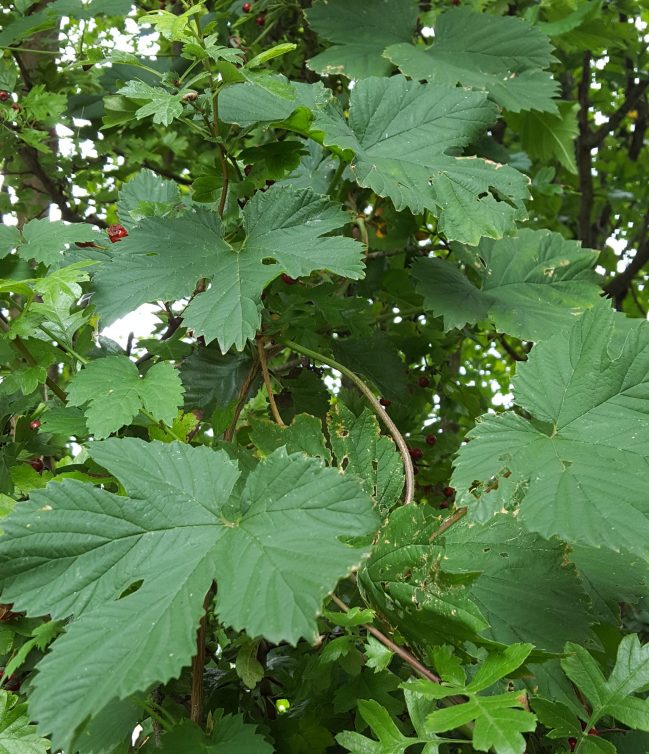
A riverside and hedgerow plant mainly. Known in other lands as ‘willow wolf foot’ due to its habit of clambering up and over various willow species that are found alongside streams and rivers.
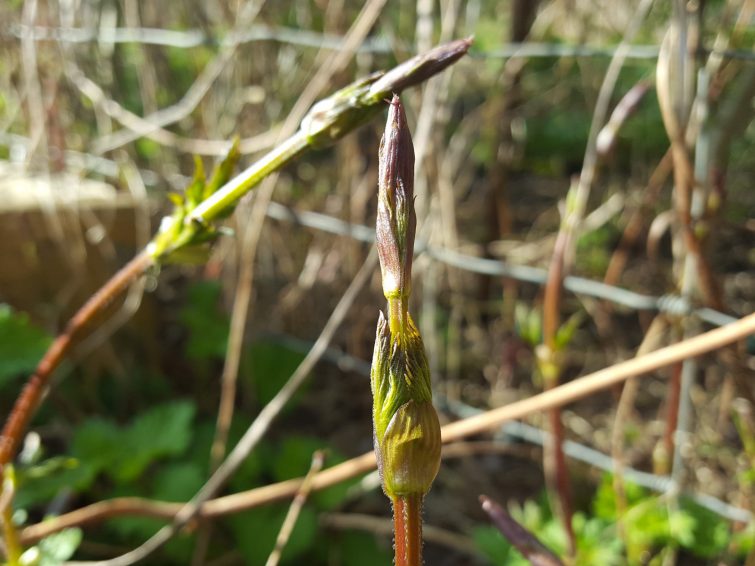
This plant has a creeping underground network of rhizome roots. It can establish large perennial rootstocks. These are able to send forth numerous new stems each April. Pick the top 10 – 15 cm of the shoots. They are great fried in oil or butter for 2 – 3 minutes.
Hoary cress (Lepidium draba) Brassicaceae family
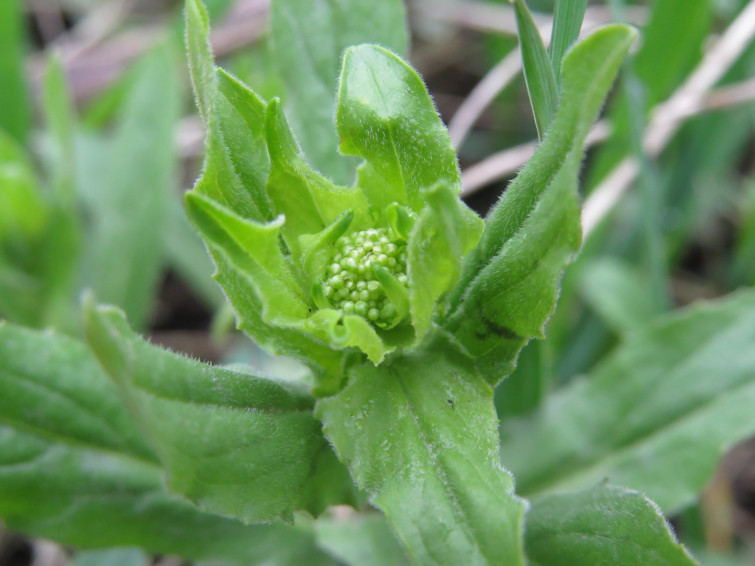
This firey-tasting brassica family plant seems to appear put of nowhere. Where established, the creeping rhizomes send up numerous leafy stems which quickly form the mini ‘broccoli’ florets. Cut and use the top 10 – 15 cm of the tender stem.
Rock samphire (Crithmum maritimum) Apiaceae family
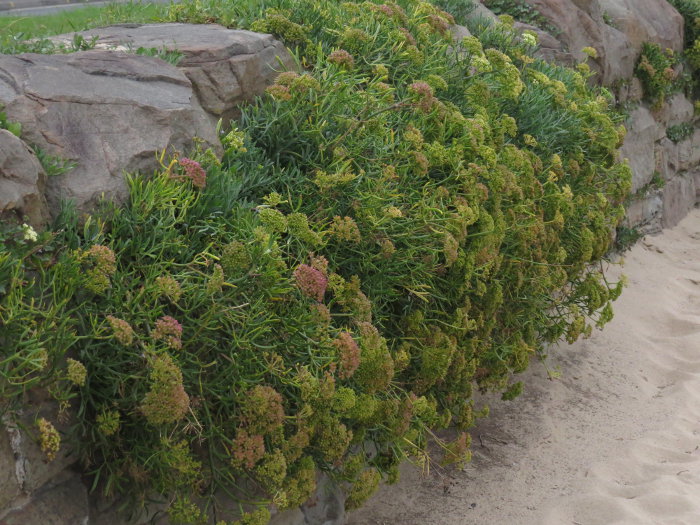
Only found by the sea. This tasty plant has distinctive-looking, and uniquely aromatic leaves. The plant was previously discussed in this full length article.
Travellers joy (Clematis vitalba) Ranunculaceae family
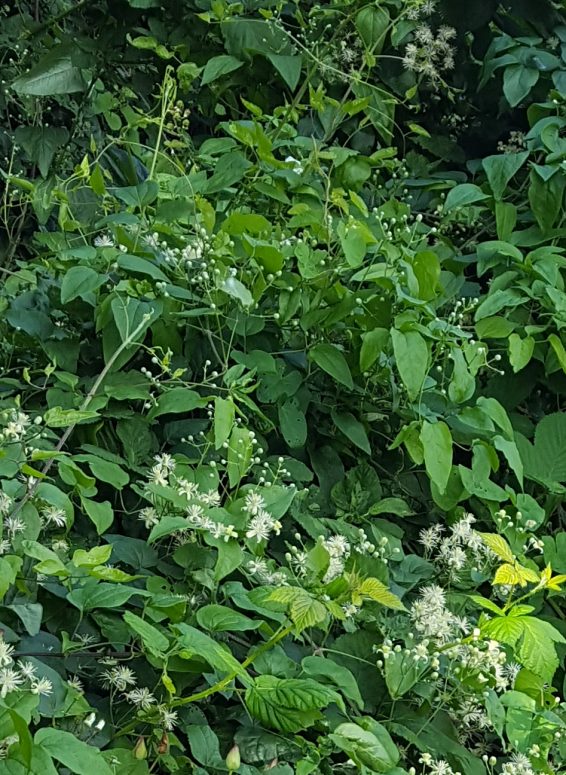
The new shoots from Traveller’s joy are a lesser known wild food, possibly because the plant has many references to it being poisonous. This plant, like a lot of buttercup family plants, contains the irritant compound protoanenomin. So it is definitely toxic raw. Fresh plants can cause burning sensations.
When cooked for 90 seconds in boiling water however, the compound breaks down. The result is a fresh-tasting spring vegetable, full of a sweet asparagus and pea-like flavour.
Salad burnett (Sanguisorba minor) Rosaceae family
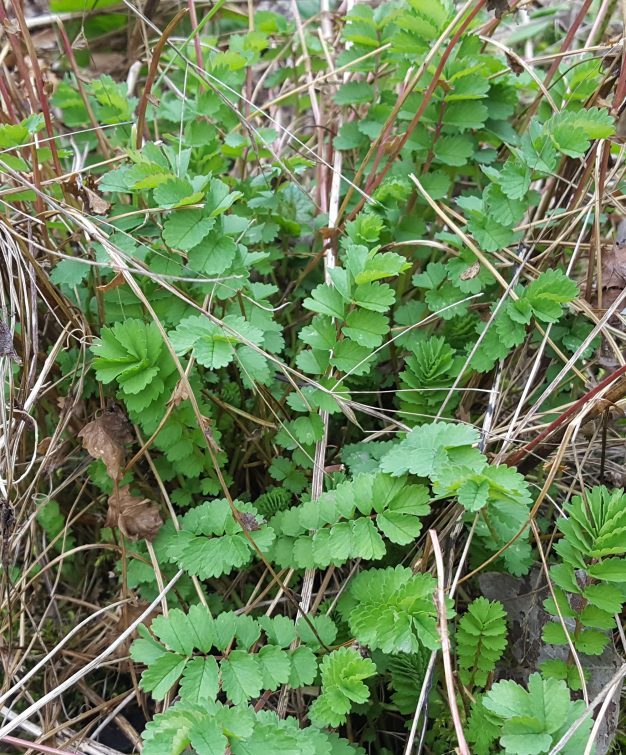
A small pinnate-leaved herb with a big flavour! Find it in grasslands and on wastegrounds, especially on light alkaline soils. When you crush the leaves, it gives off a characteristic cucumber aroma. Pick the leaflets off the stem before eating.
Brooklime (Veronica beccabunga) Plantaginaceae family
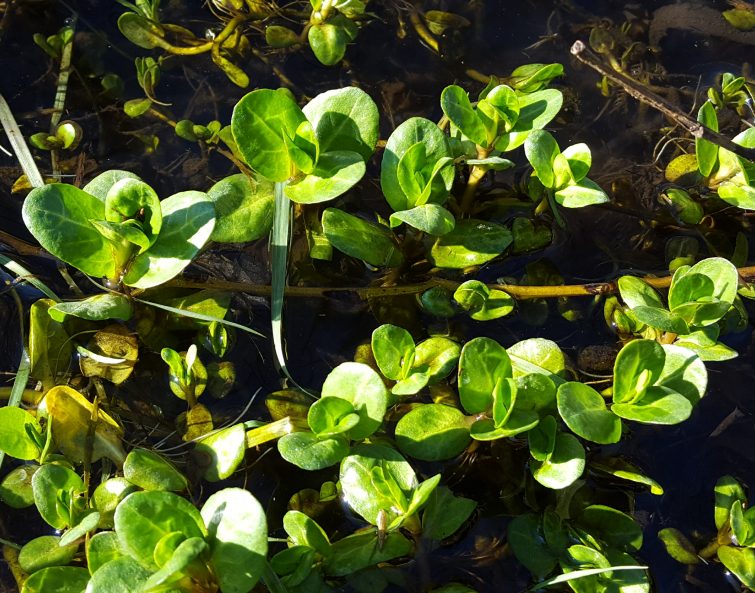
First prize in the best scientific name of the week. Its name sounds like a character in a children’s story. This succulent salad leaf can be harvested from many settings where there is slow flowing water. It is a lovely addition to salads and sandwiches.
Brooklime has round, fleshy leaves that could initially be confused for watermint. The two plants share similar habitats and will grow amongst each other. You will quickly discover which plant you have by smelling the leaves. Remember to engage all your senses while foraging!
Mushroom of the month. Fungi foraging in April.
By the end of the month, if you are determined and lucky enough, you can find the first of the new season mushrooms!
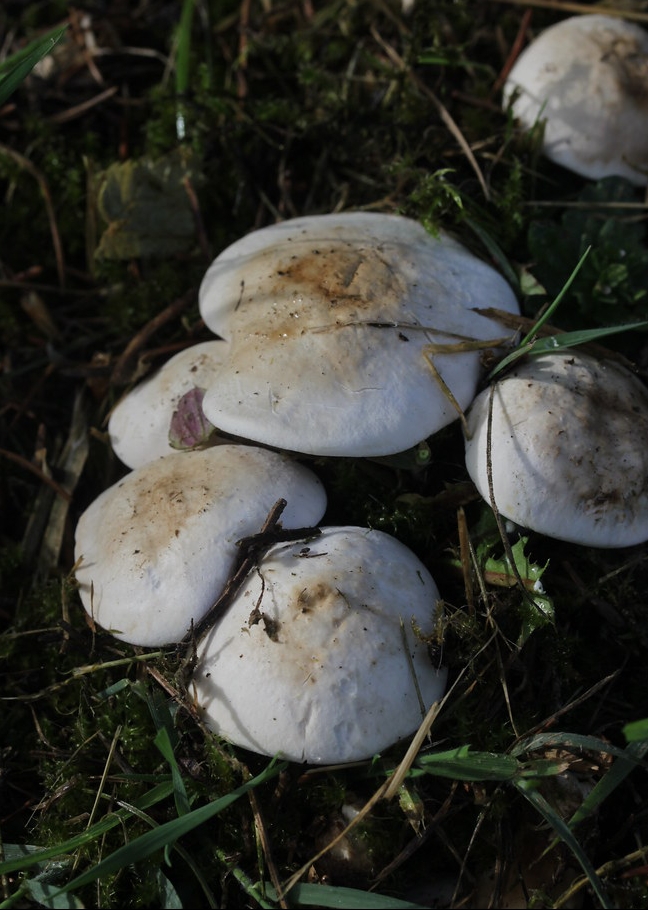
The St George’s mushroom (Calocybe gambosa) is a tasty April foraging treat. Its name is is due to the timing of its appearance, being first found around the 23rd April.
These stubby little mushrooms have a variable cap colour depending on how young they are when picked. I’ve seen them creamy-white to a light yellow-brown. They have an irregular cap, approximately 6 – 12 cm wide. Left for a few hours, the fruiting caps will produce a white spore print.
They are found in grasslands, where this is not too regularly or vigorously mowed. Very few other mushrooms are around at this time of year so positive I/D is not difficult.
So that’s plenty to fill your April foraging adventures. If you have any foraging questions then simply contact me here.
With thanks for the St. George’s Mushroom (Calocybe gambosa) photo by Björn S… is licensed under CC BY-SA 2.0
Happy foraging!