UK guide to foraging nipplewort. Learn to identify, then discover its food, medicine and other uses.
Learn all about foraging nipplewort. In this article you will discover how to identify it, the origins of its name, its historical uses, and what we can do with the plant in a 21st century kitchen.
Nipplewort is an easy plant for beginner foragers. It is usually available all year to study, and not many plants look like it! This is one of many thousand daisy family plants.
What’s in a name?
If I mention about foraging nipplewort when I’m leading a wild food walk, it will likely raise smiles and sniggers. It’s just one of those words. Plants like arsesmart and bastard cabbage similarly make people grin.
From my web research, the generic part Lapsana is attributed to a name the ancient Greek physician Dioscorides gave to certain edible mustard plants with similar lyre-shaped leaves. Quite why this name stuck I cannot fathom. I feel there is more to the origins of this name than I have uncovered.
The species epithet communis alludes to the sheer numbers of plants that will germinate and grow together, given half a chance.
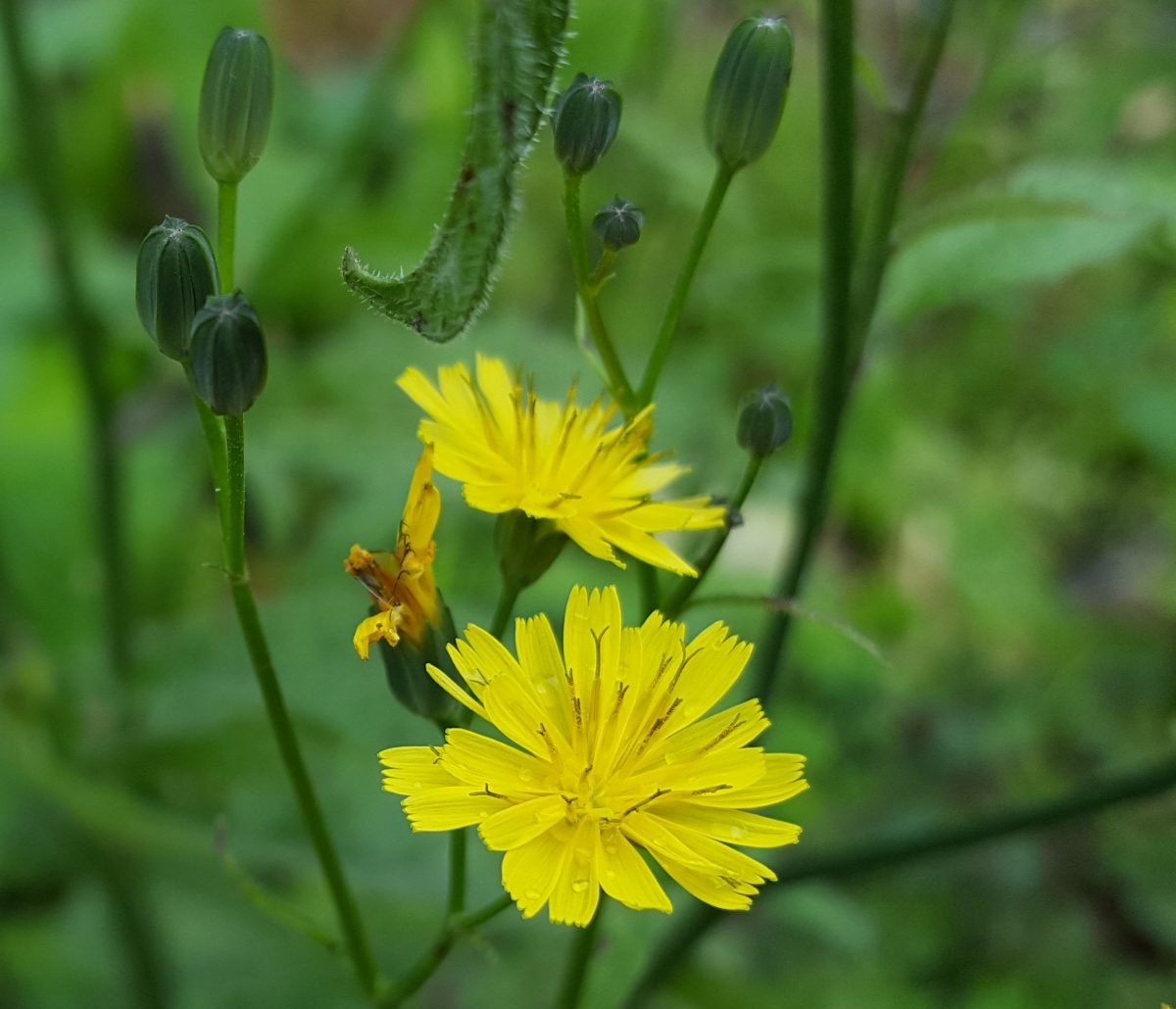
The English common name nipplewort is beleived to be due to the shape of the flower buds.
Botanical description
If you come across any difficult words, simply pop over to our foragers glossary for answers.
Leaves: Light green and mostly hairy leaves. Lyrate-pinnatifid shaped. Basal leaves grow to 15 cm long and often pinnately-lobed.
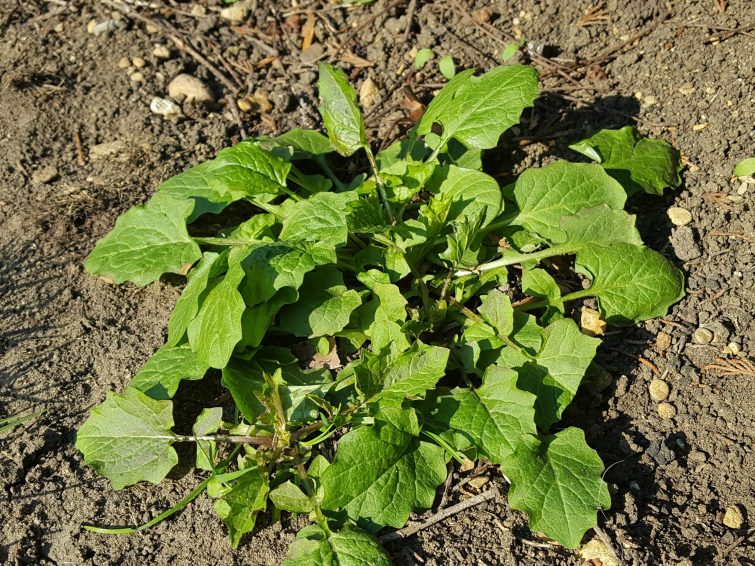
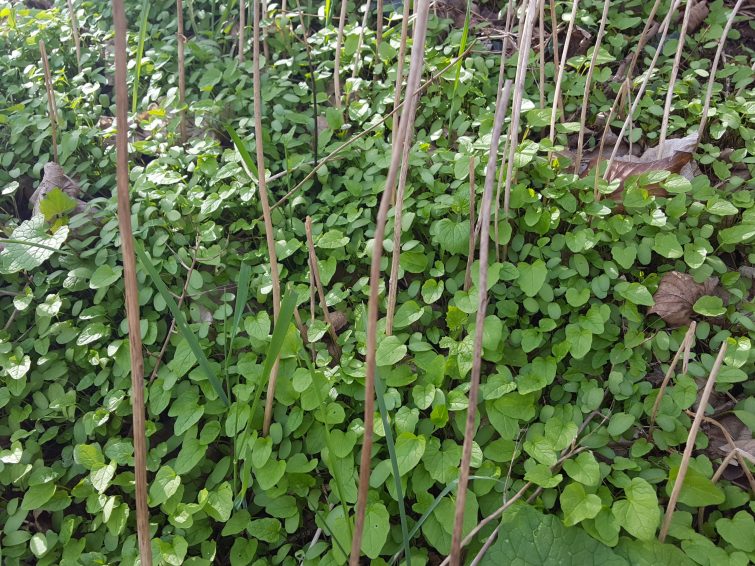
The leaves on established plants grow as rosettes, though in the summer, plants can bolt early.
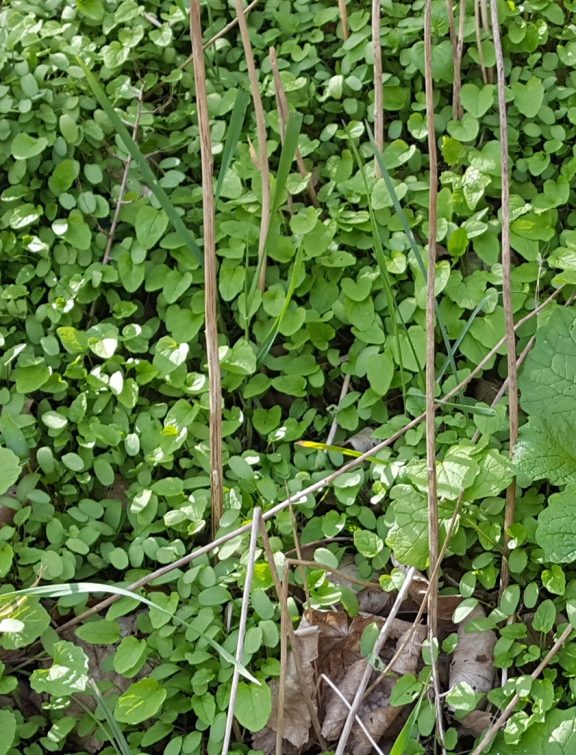
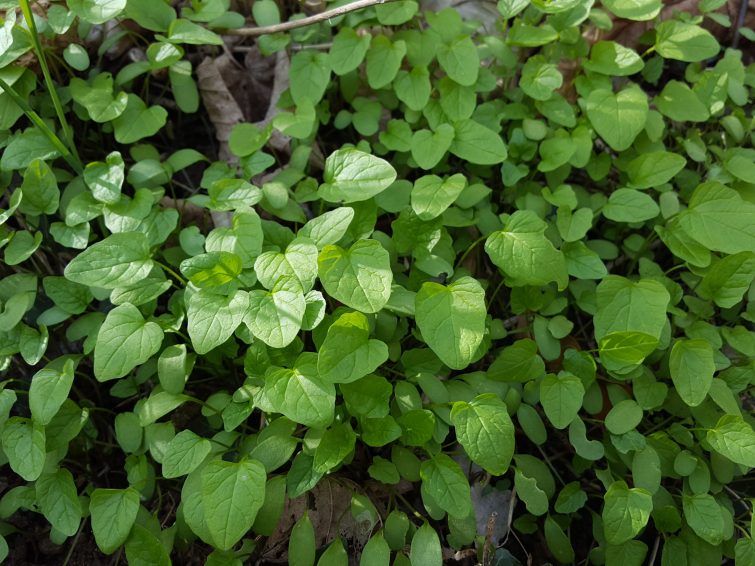
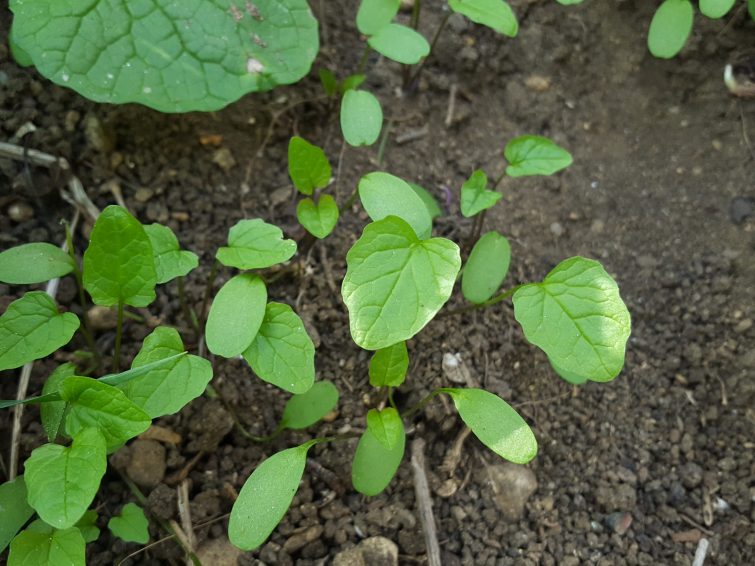
The baby seedlings have large elliptical seed leaves. Their first true leaf comes without lobes.
On mature plants the terminal lobe is much larger than the 1 – 3 pairs of lateral lobes below it.
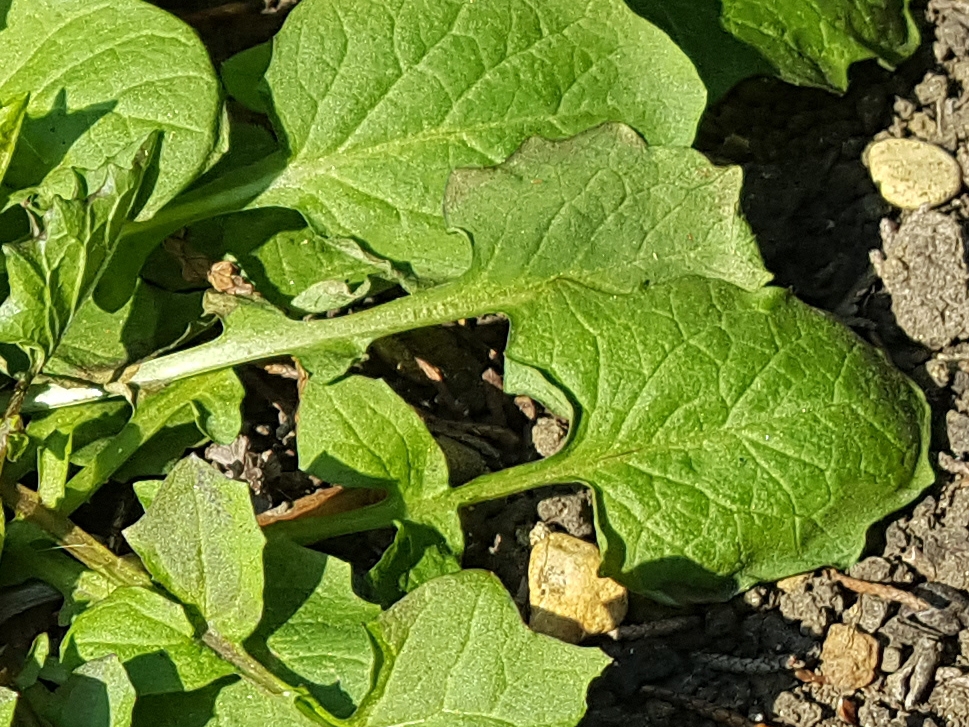
Nipplewort’s leaf shape does give it a similar appearance to charlock (Sinapsis arvensis), although this plant contains no pungent aromatics. The margins are generally sinuate-toothed, though entire on some specimens.
Petioles: Solid and up to 5 cm long on basal leaves.
Roots: This plant has a long thin, white taproot.
Stems: These are green, hollow, hairy towards the base, solid and weakly ridged. The branched stems can reach up to 100 cm high.
Flowers: Small yellow composite flowers are typically 15 – 20 mm across. Each flower produces around 15 notched ray florets, and just a few disc florets.
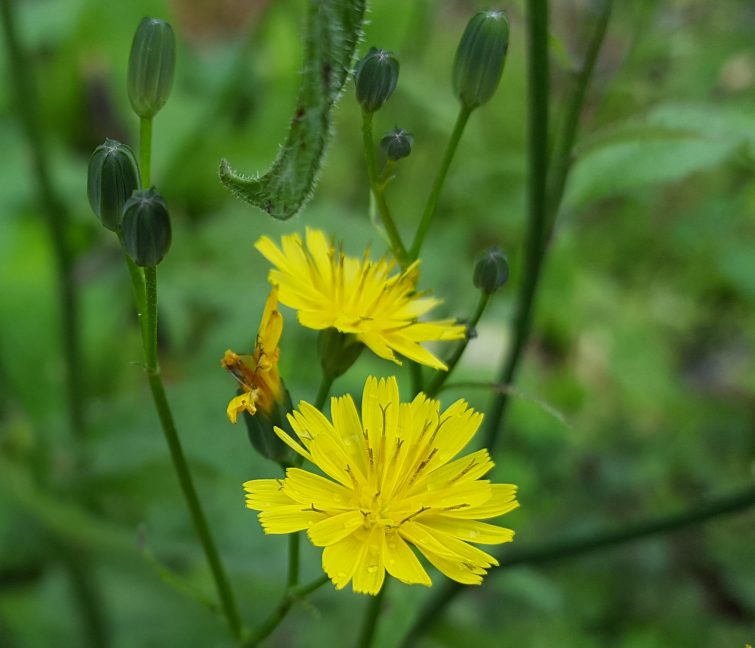
Flowering season: One of a number of plants that will regularly flower well into our milder winters. Its main flowering period is from June to October.
Fruits: Tiny achene fruits, attached to white pappus hairs.
Habitats: The plant has a habit of quickly germinating on all manner of disturbed soils. When you’re out foraging nipplewort you will occasionally find it in woodland clearances and shady hedge banks. As this map shows, you can see this plant in all of England and Wales, as well as low-lying areas of Eastern and South West Scotland.
Parts used: Whole seedlings, young leaves, mature leaves.
Harvesting: Pick whole seedlings with scissors and put straight into an airtight and preferably humid container. I love those clasp-sealing bags lined with foil. With added damp newspaper, these bags will keep leaves really fresh. Many more tips and tricks are found in my harvesting guide.
Edible uses: My favourite reason to go foraging nipplewort is for seedling microgreen salad. Young leaves can be used in salads as well but the hairyness means they’re better cooked as a spinach.
Medicinal uses: Scant medicinal evidence exists althoigh a lot of anecdotal references are abailable online. The plant is said to have an overall calming effect, reportedly helps the kidney function, and can help stop the flow of milk when breastfeeding mums want to wean.
With so many medicinal plants to choose from in this country, I feel happy enough to ignore this plant when looking for medicinal herbs!
Other notes: Although not one of my go-to edible plants, this makes a handy addition to spring salads. I will always try and make a point of harvesting nipplewort microgreens when found in large numbers.
More plant species are coming soon. Happy foraging!