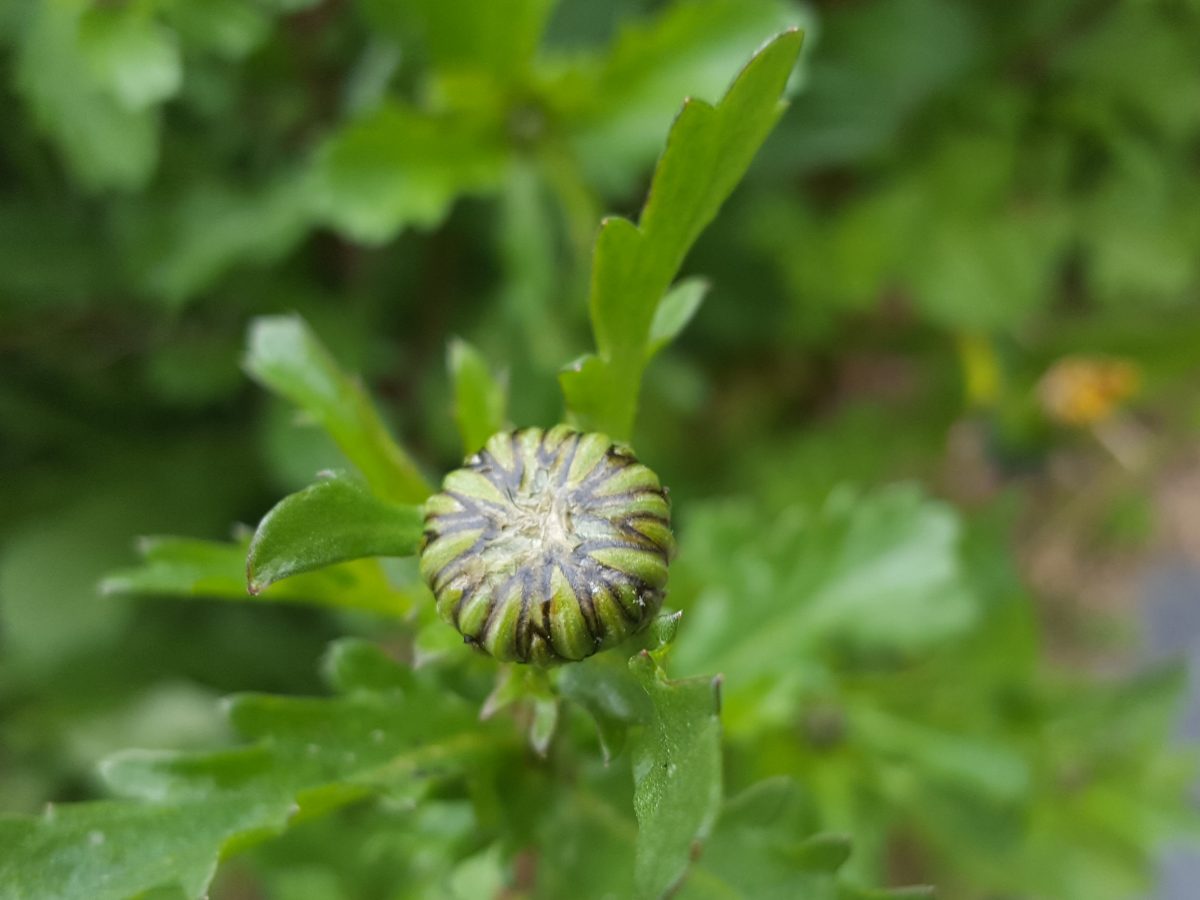
A UK wild food guide to foraging ox-eye daisy for capers. Learn to identify, and discover its food and medicinal uses.
I absolutely love foraging ox-eye daisy for capers. In this article you can learn how to confidently identify, responsibly harvest, and enjoy this tasty plant in the kitchen.
Ox-eye daisy is an abundant perennial plant in the large composite family of plants. Aside from the orchids, this is known to be the largest plant family in the world.
Beginner foragers may also want to read this instructive ‘how to identify plants in a day’ article, showing how more than 20,000 species can be identified using a few simple observable patterns.
Ox eye daisy has unique savoury flavours. The flower bud capers are one of my favourite spring preserves. It’s an easy plant to get to know, surviving over winter in small rosettes and larger established clumps, allowing you to identify it all year round.
What’s in a name?
You may well have seen this plant with the scientific synonym Chysanthemum leucanthemum. Plant names do occasionally change when more is known about them. Either name will prove ok to use when searching online for information.
The common name ox-eye daisy seems self explanatory. Other common names include moon daisy, marguerites, and dog daisy.
The generic part of the scientific name Leucanthemum comes from the Greek words ‘leucos‘ meaning white, and anthemon, which means flower.
The specific part of the name vulgare originally meant commonly known to the people. It also describes a common garden plant.
Botanical description
I try to keep technical terms to a minimum, but if any botanical words are new to you, then simply find their meaning here in the foragers glossary
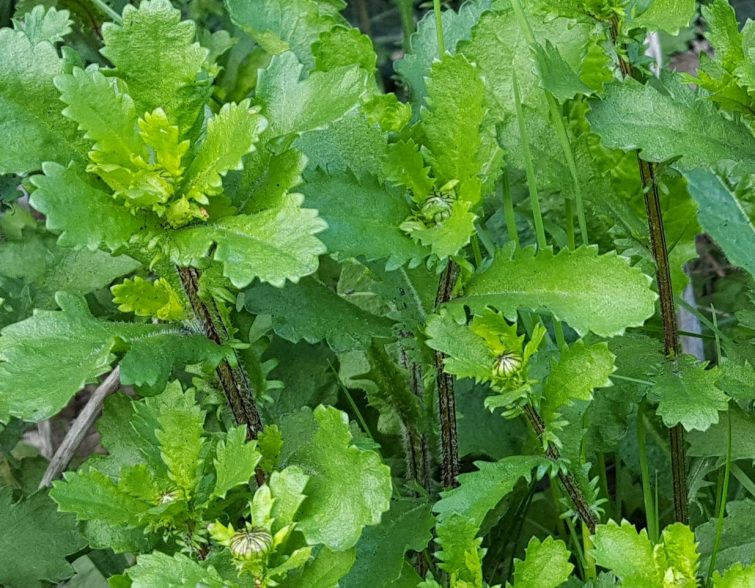
Leaves: Dark green, hairy, and aromatic when crushed. The leaves are spoon-shaped or oblong-shaped. Usually found acutely tapering at the base.
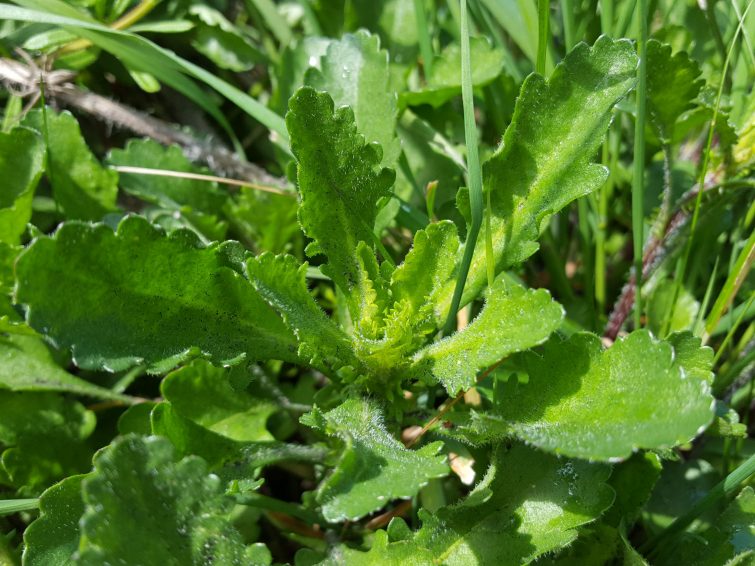
Basal leaves are around 5 cm x 2 cm, and are smaller than many stem leaves (up to 8 cm long). The margins are toothed, with 5 – 10 pairs of teeth per side.
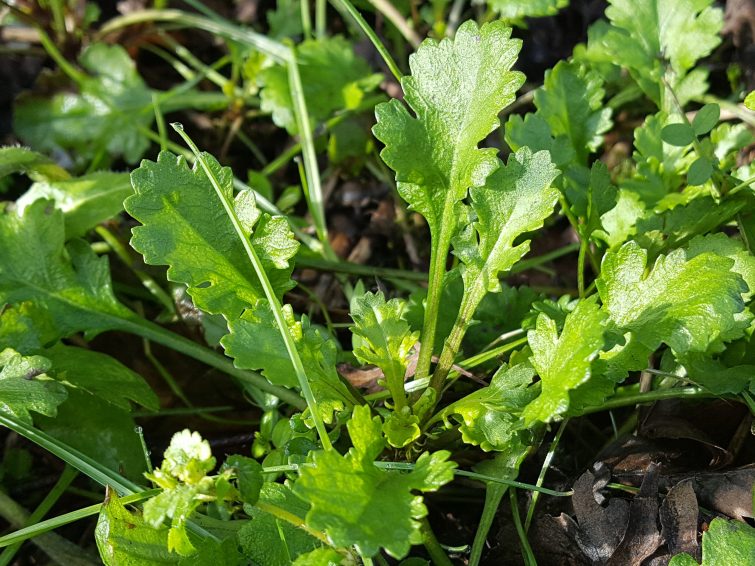
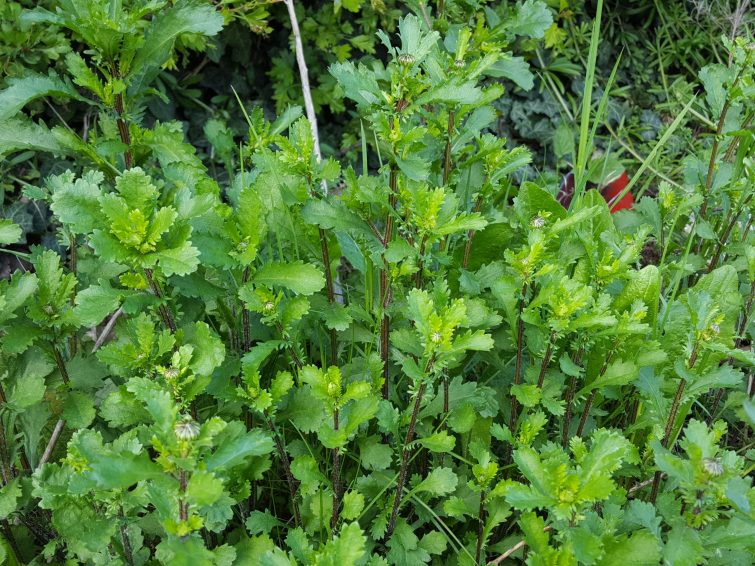
The leaves are found over winter, growing as rosettes, and also in larger established clumps.
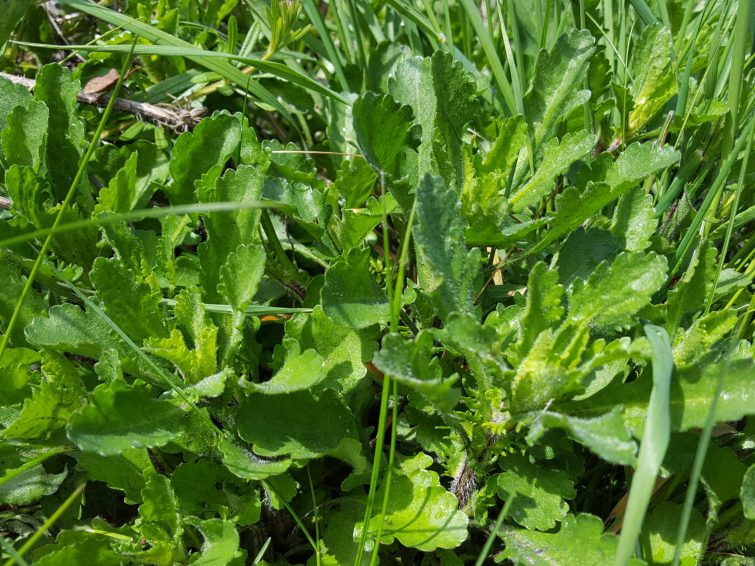
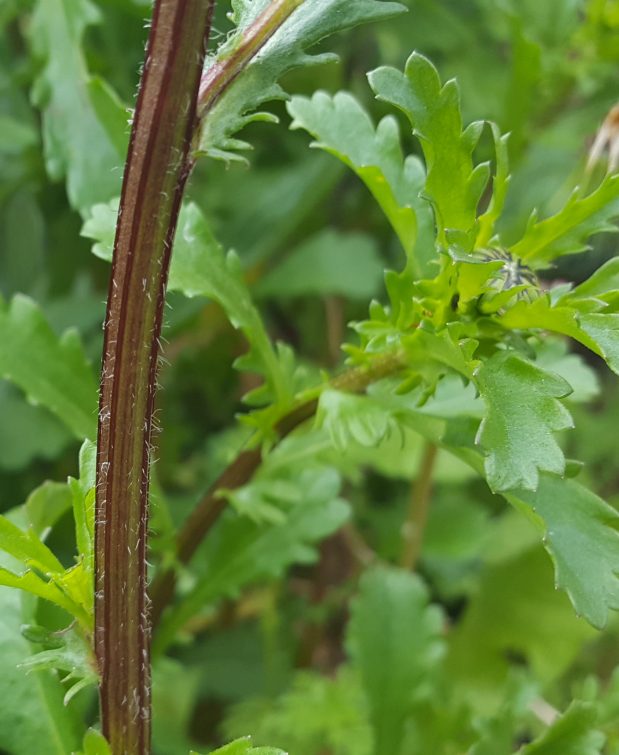
Petioles: 5- 7 cm long, hairy and often a reddish tinge down the centre.
Roots: Creeping rhizome roots.
Stems: Red-brown coloured, 5- angled, hairy and branched. They can reach around 75 cm high.
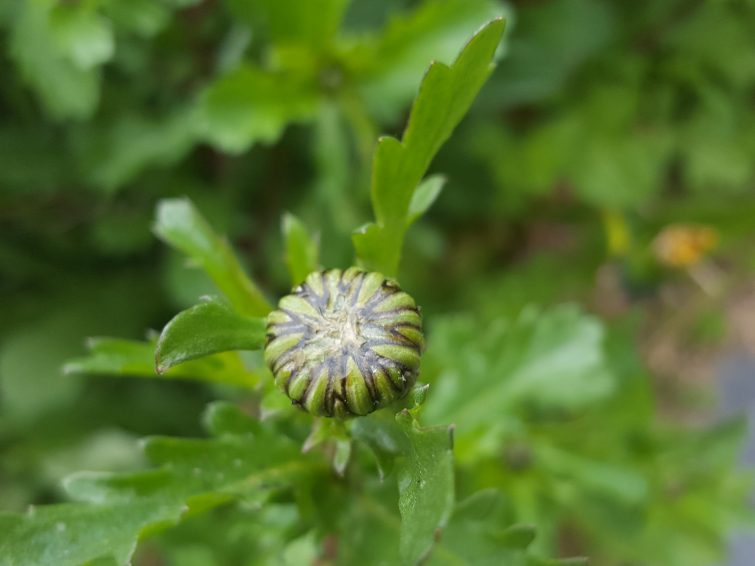
Flowers: Large daisy-like flowers appear from the striped flower buds. Anywhere from 25 – 60 mm diameter.
Once open, white ray florets surround a dome of yellow disc florets. The whole flower is about 7 – 9 cm diameter. They are found in large numbers in meadows and pastures.

Flowering season: May through to September.
Fruits: Tiny, ribbed, black achenes, without pappus hairs.
Habitats: You can find this plant all over Britain up to altitudes of around 845 m. It loves all manner of grasslands and meadows, as well as cliff tops, wastegrounds, railway sidings and roadsides.
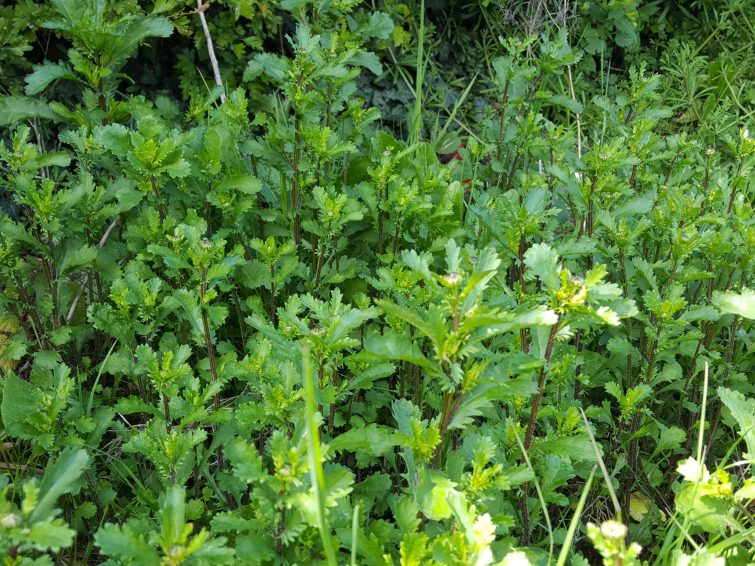
Parts used: Leaves, flower buds, and ray florets.
Harvesting: Pinch off the tight young flowerbuds in April and May. Pinch off leaves from the base of the leaf stalk as and when required. Ray florets are easily stripped off.
Edible uses: The leaves can be used whole or chopped in salads. Try steamed like spinach with oil and seasoning. Toss the ray florets through salads or use as a garnish.
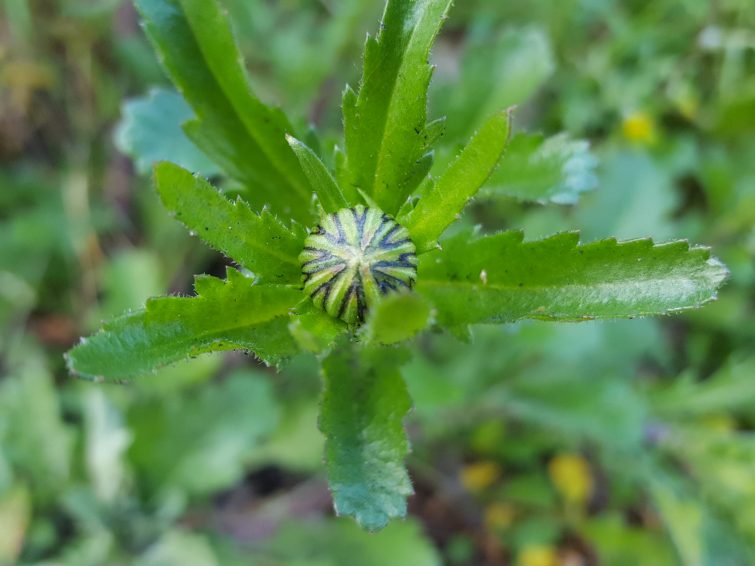
The flower buds are my favourite part. Every spring I look forward to going out foraging ox-eye daisy for capers. They make a great caper substitute. Pick the buds when young and tightly packed. Dry salt the buds for a few hours and pack as many into a jar as you can.
Next, infuse spices into a white whine vinegar, with a little added honey or demerara sugar. Bring the spiced vinegar to a light boil, take off the heat, then add the flowerbuds. Leave for at least a month. These deliciously-flavoured, crunchy capers will delight your taste buds!
Medicinal uses: Ox-eye daisy has been used in herbal medicine all over the world. Similar to other daisy family plants, such as the common daisy and Arnica (Arnica montana), this herb can be used to treat bruises and sprains. It is also used externally as a wound staunching herb.
The flowers are used to treat different coughs and chest complaints. They are used to reduce night sweats, and as Henriette Kress mentions, to treat nervous excitability. Some herbalists also use ox-eye daisy as an antispasmodic, to replace its cousin, chamomile.
Other notes: Ox-eye daisy is smaller than its close relative, the ‘shasta daisy’ (Leucanthemum x superbum) also commonly found in parks and gardens. This popular plant can reach 120 cm tall, begins to flower much later (July – September) and its large flowers are much bigger, at around 60 – 100 mm diameter.
I hope you found this article useful. Please don’t hesitate to contact me with any questions.
Happy Foraging!