Learn how to safely and confidently identify and use wild celery.
What would our kitchen be without this plant? So many broths, stews, and soups rely on it for body, depth, and flavour, it seems almost impossible to imagine cooking without it.
But until the 17th century, most people only used celery if they were living close to the coast or rivers. As land was drained and turned to the plough, wild celery lost many of its former natural homes.
This biennial or short-lived perennial is monocarpic, meaning it flowers and sets seed only once before dying.
Leaves: 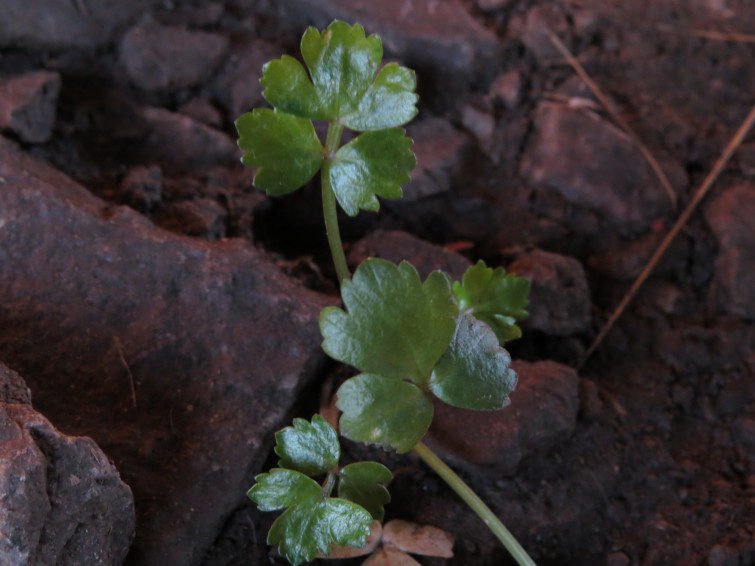 Easily identified though their relatively narrow, once pinnate leaves.
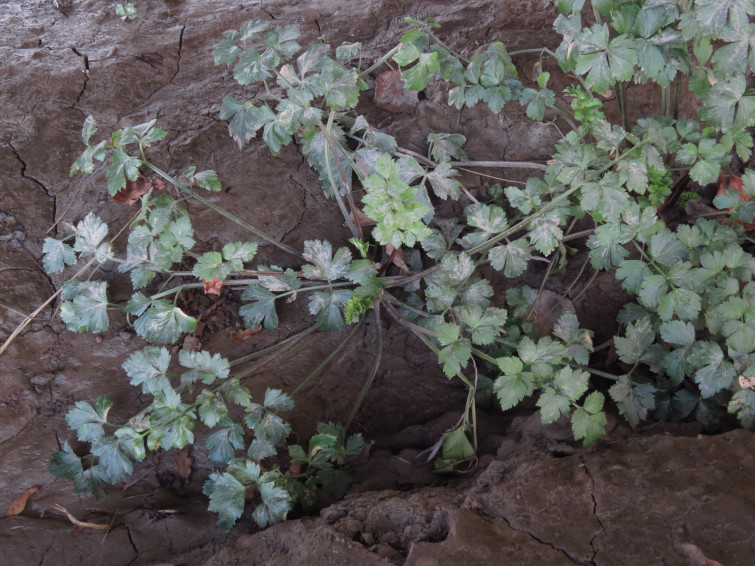 The leaflets are hairless, usually three-lobed, and of an overall triangular shape. The margins are serrate.
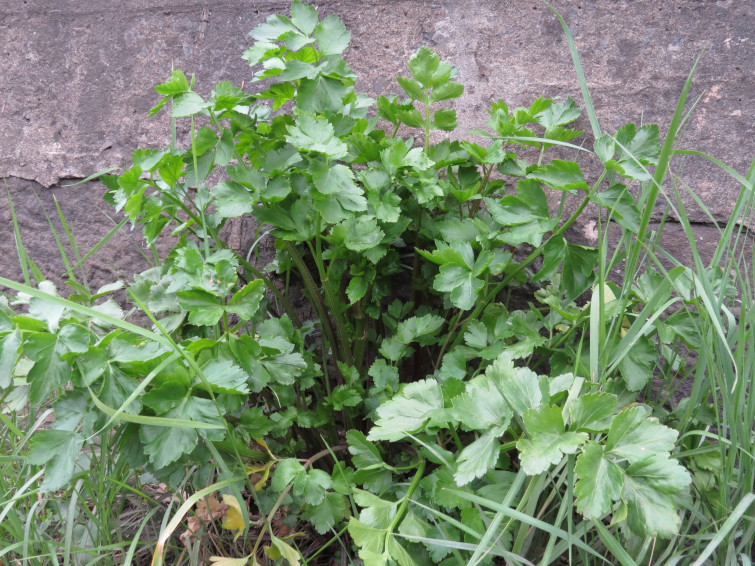
The upper stem leaves are ternate, comprised of three leaflets. During the winter months, it will be found growing as rosettes.
Petioles: Long and deeply angled, with 5-7 angles, in a classic ‘U’-shape. Solid when young, becoming hollow with age.
Roots: Tap rooted.
Stems: 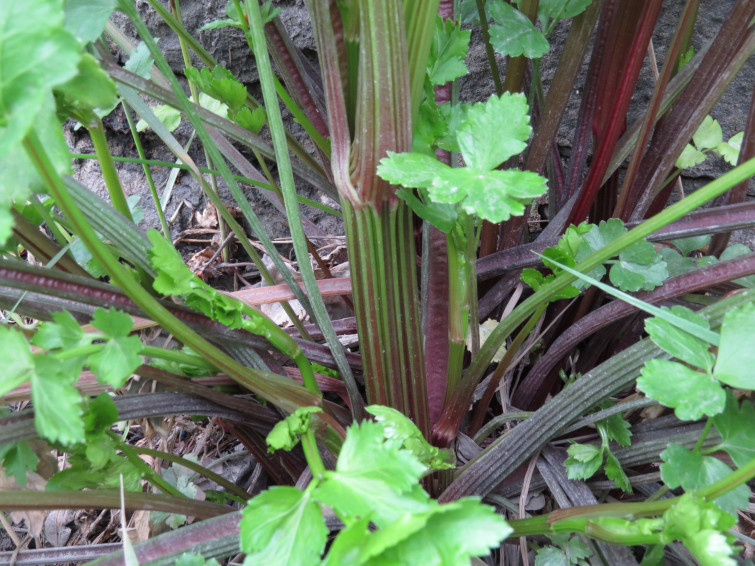 These are hairless, solid – never hollow, and ridged. They grow up to 80 cm or so. The stem is often purplish, especially towards the base and at nodes. The stems are strongly celery scented.
Flowers: White compound umbels with tiny individual flowers. The flowers appear from the lower leaf axils as well as producing the usual terminal blooms.
Flowering season: The flowers appear from late May through into late August.
Fruits: The tiny two-seeded fruits are ridged and almost oval in shape, being flat on the side where previously co-joined. They also smell strongly of celery.
Habitats: 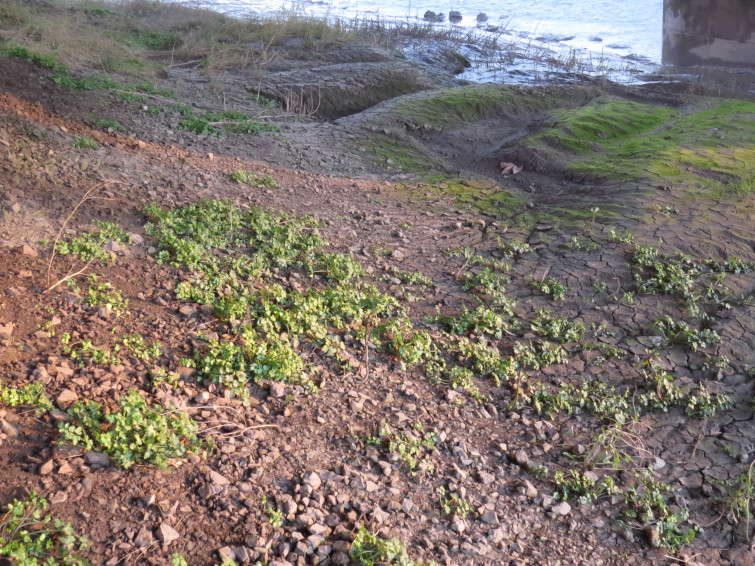 Wild celery loves all manner of wet and damp sites, such as salt marsh, ditches, river banks. Can survive slaine conditions. It can be found inland but is much rarer here.
Harvesting: Leaves and leaf stalks are available all year, though the petioles are best harvested in spring. Learn all about foraging our wild plants with my harvesting guide.
The seeds are available to harvest from July until September. They are traditionally mixed with salt for an instant flavour hit during cooking.
Other notes: Easily confused with the deadly poisonous plant water hemlock dropwort.
They will often be found side by side in their favourite habitats. Do not harvest unless you can tell the various differences between them.
Happy foraging!