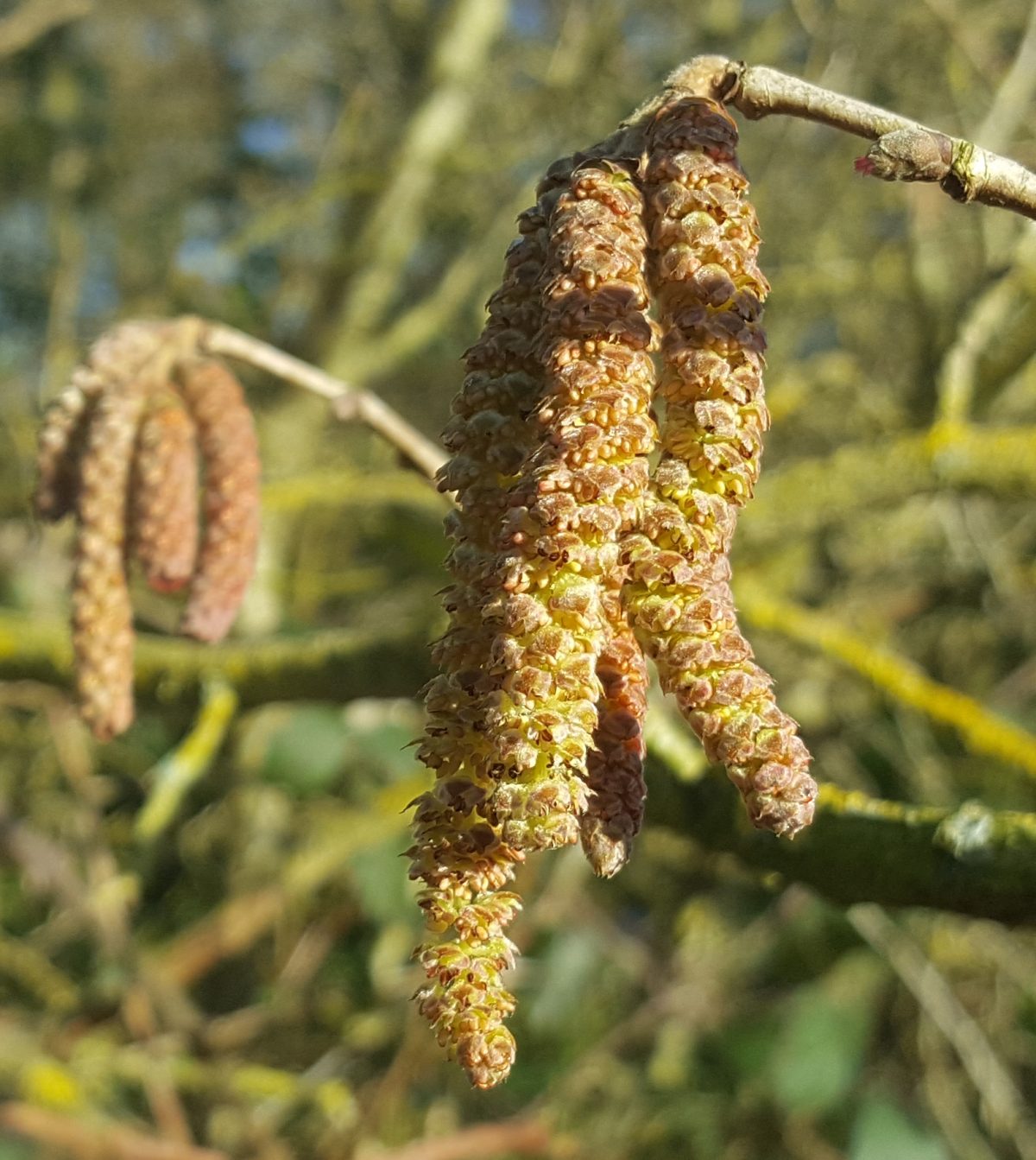
Some of the tastiest wild foods to find when foraging in February.
This is a small selection of the wild plants and fungi to look out for when foraging in february, with advice on harvesting, preparation and use.
We passed the ancient festival of Imbolc at the new moon in February. Now it becomes more apparent that the days are getting longer, and we can track this by watching plant life as it responds with gusto.
After another dark winter, us foragers anticipate and keenly sense the first stirrings of re-growth. We know these will soon produce the long-awaited wild food delights of spring.
Numerous cultures stretching back thousands of years have celebrated this time of year, when life begins to stir in the belly of Mother Nature again. Soon, the plants that help our bodies adjust from winter to spring and summer, will be ready to pick. What’s not to celebrate!?
The following wild plants are just some of the species that are available to harvest this month. You might have been seeing some of these plants in January, and will continue to find some of them in March.
A couple of our most common and potentially deadly poisonous plants are included this month too, as they are plants that you will undoubtedly come across again and again if you are out foraging in late winter.
These plants are vital to learn. This summary guide to Britain’s toxic and poisonous plants can stop you making my mistakes, or worse!
Nine wild plants to know when out foraging in February
Wild garlic (Allium ursinum). Liliaceae family.
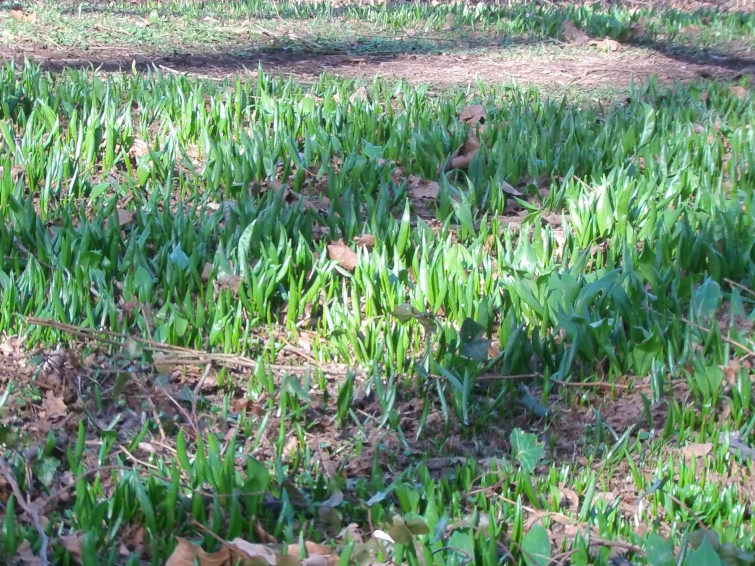
One of the yearly foraging highlights starts to appear in large numbers this month, at least for much of the western half of Britain it does. Read all about wild garlic and its edible and medicinal uses, in my full-length foraging guide.
Gorse flowers (Ulex europeas). Fabaceae family.
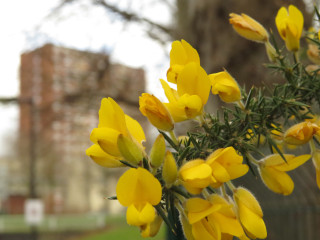
The gorse flowers begin to bloom en masse during February in the wamer parts of the UK. Also commonly called furze, these pea-like flowers smell and taste of coconut. Yes they take ages to pick, and yes you are likely to prick yourself on the spines. But, the cordial you can make from them is lovely, and reminds me of cream soda if you add fizzy water to it.
Lords and ladies (Arum maculatum). Araceae family.
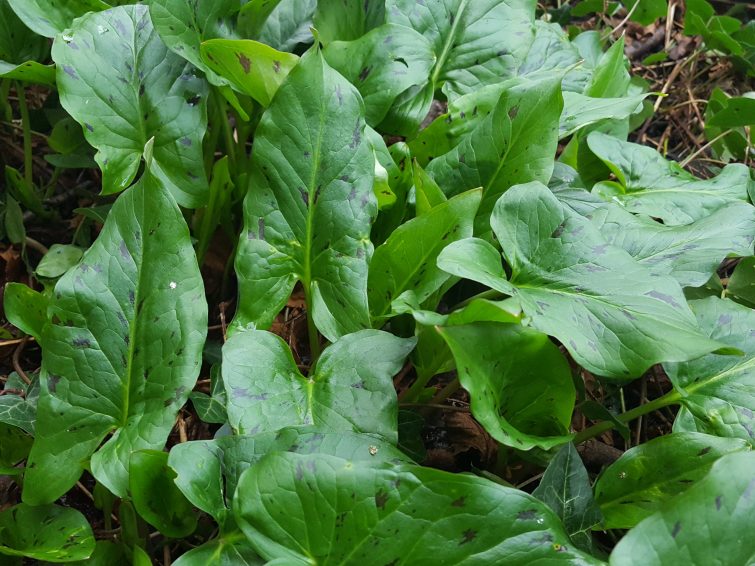
This is a poisonous plant you can’t help but notice when you are out foraging in the woodlands for wild gatlic or wild chervil.
The leaves could be mistaken for the common sorrel if you are just starting out foraging, or not paying enough attention. So it’s best to spend some time with this plant, also known as ‘cuckoo pint’, and get to know its features and characteristics.
The leaves contain microscopic, skin-piercing calcium oxalate cryatals. They can cause anaphylactic shock, restricted airways, asphyxiation, and death! Forewarned is forearmed!
Red valerian (Centranthus ruber). Valerianaceae family.
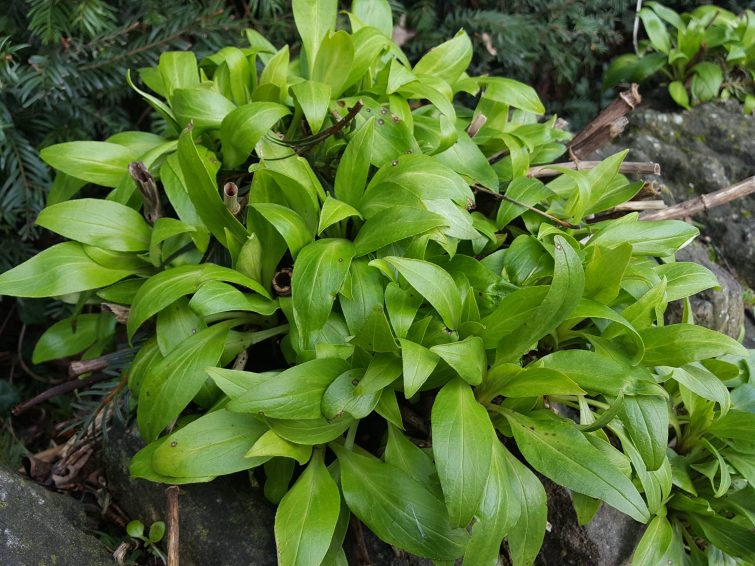
This coastal plant from the Mediterranean sea area has taken a liking to Britain. It especially loves rocky stony ground such as roadside embankments, old stone walls, and free-draining sites, anywhere sunny.
It can be found all year round but for me the leaves are best harvested as a winter spinach, when the bitterness levels are low. It has a similar succulence and texture to its relative, corn salad.
The plant produces red, magneta, or occasionally white flowers. They are found all through the summer-time. This is not the medicinal valerian plant, (Valeriana officinalis) although it is in the valerian family.
Red dead nettle (Lamium purpureum). Lamiaceae family.
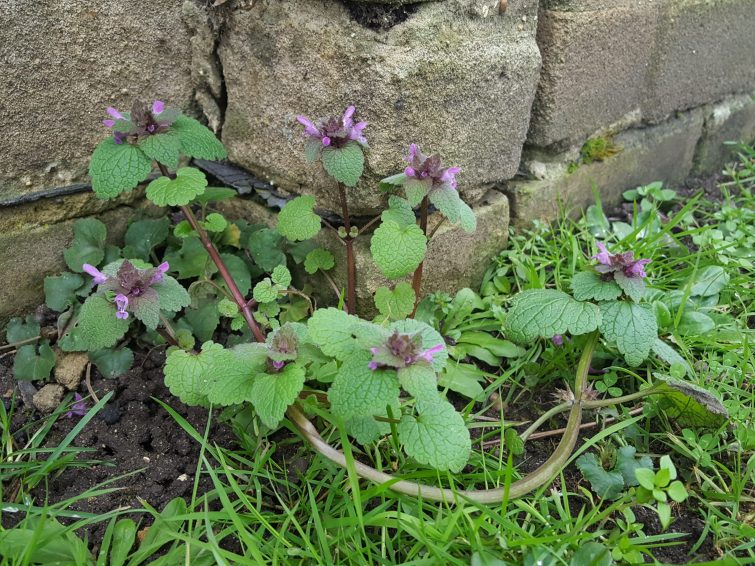
If you like earthy-tasting pot herbs, you will love this plant. At this time of year it can be flowering away in large populations in grassy areas.
I find the leaves taste a little like mushrooms. The flowering tops can be cooked also. Using them with mushrooms in gnocchi or ravioli utilises the flavour brilliantly. The pretty, purple or occasionally white flowers, can be tossed into salads.
Darwins berberis flowers (Berberis darwinii). Berberidaceae family.
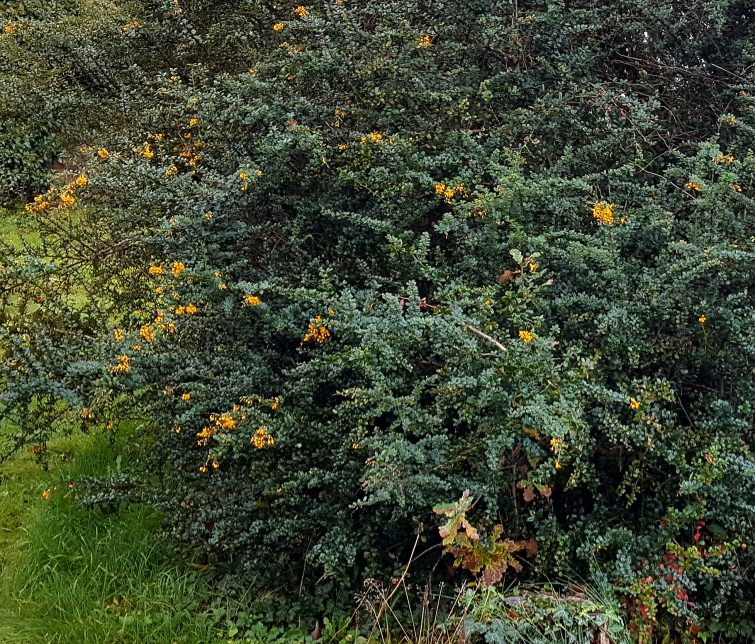
This evergreen shrub is widely planted in the urban environment as an amenity plant. It is a popular plant of gardens and parks as well. The small spiny foliage looks a little like miniture holly leaves.
Masses of edible orange-coloured flowers begin to appear in late winter. These little blooms taste sour, very much like the taste of common sorrel. I throw them into salads to liven them up, and use them as a garnish. Edible dark-purple berries ripen in the early summer.
Primrose flowers (Primula vulgaris). Primulaceae family
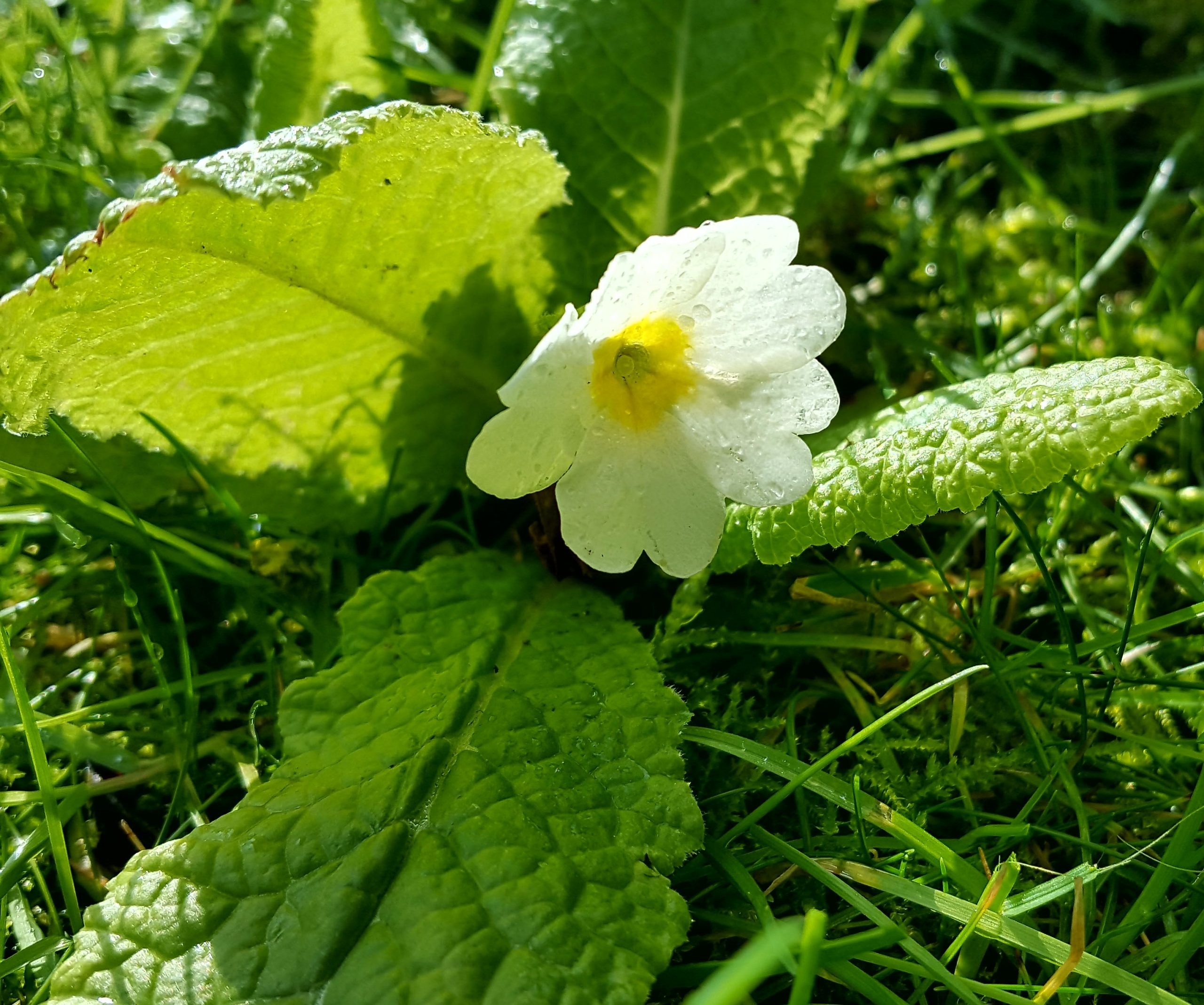
The ‘first rose’ is one of our early springtime signs. Primrose is a natural woodland plant. You can find its soft yellow fowers adorning woodland and all manner of grassy areas from February through into April.
The flowers have traditionally been preserved with a mixture of sugar and egg white. I like them in salads where they offer subtle perfume and colour. The crinkled leaves are also edible, though only the smaller baby ones are worth it, as they get tough with age.
Sweet violets (Viola odorata). Violaceae family.
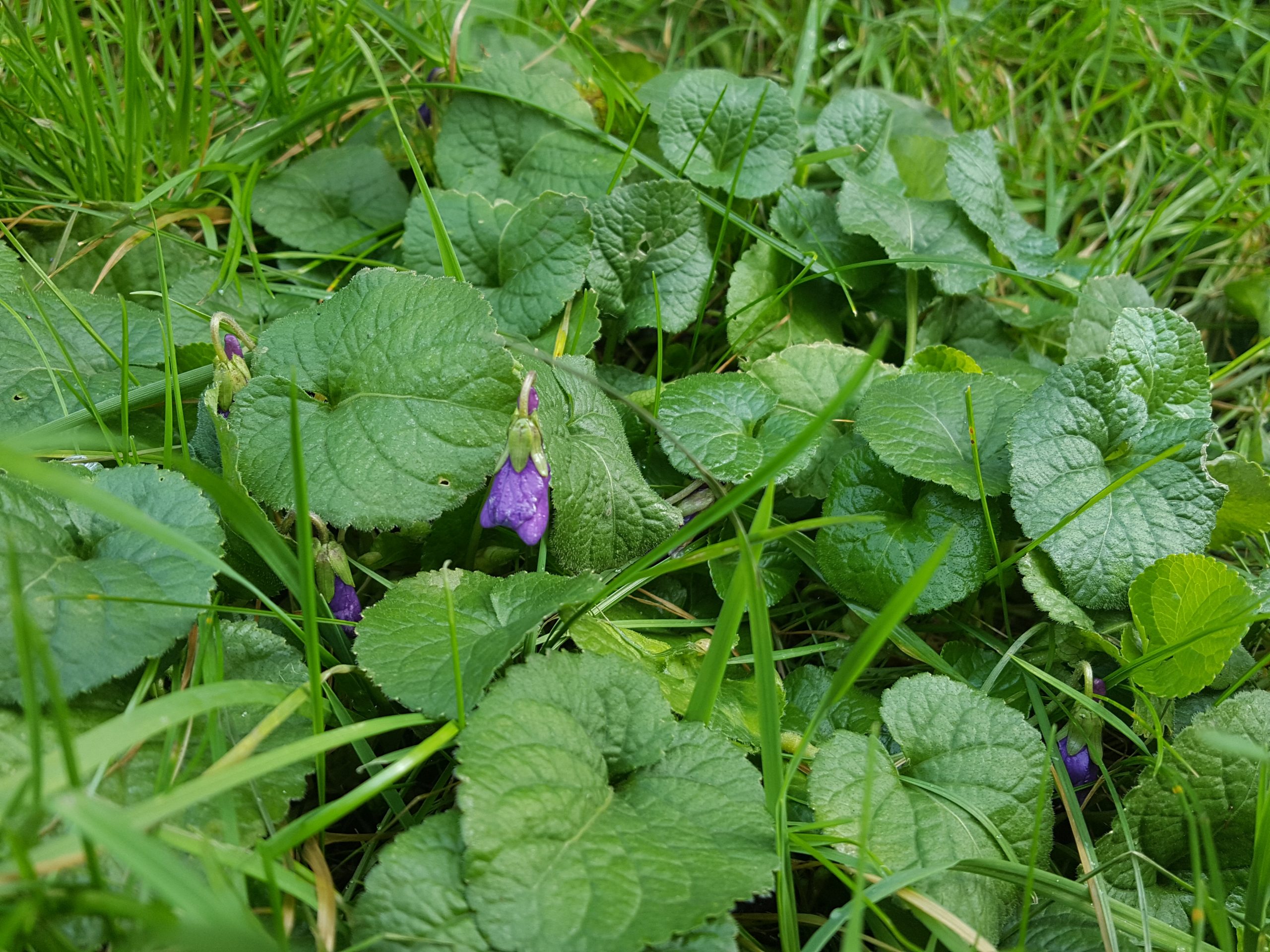
Another superb sweet-scented flower to experiment with. The various violets all look pretty similar, but only the sweet violets produce such stunning scent. Anyone who has had parma violet sweets will know already what they taste like. Try them in syrups, sorbets, cordials, and vinegars.
This is another natural plant of the open woodland floor, especially on calcareous ground. Unsurprisingly therefore, I found masses of it on the rocky coastal cliffs of the Gower, South Wales, where once great forests stood.
Churchyards, cemetries and shady parks are suitable sites to look in for violets when out and about during February. The leaves persist all through the winter and are also edible. I find them coarse and a little tough, unless choosing the youngest ones.
Fungi foraging in February.
Scarlet elf cup (Sarcoscypha coccinea)
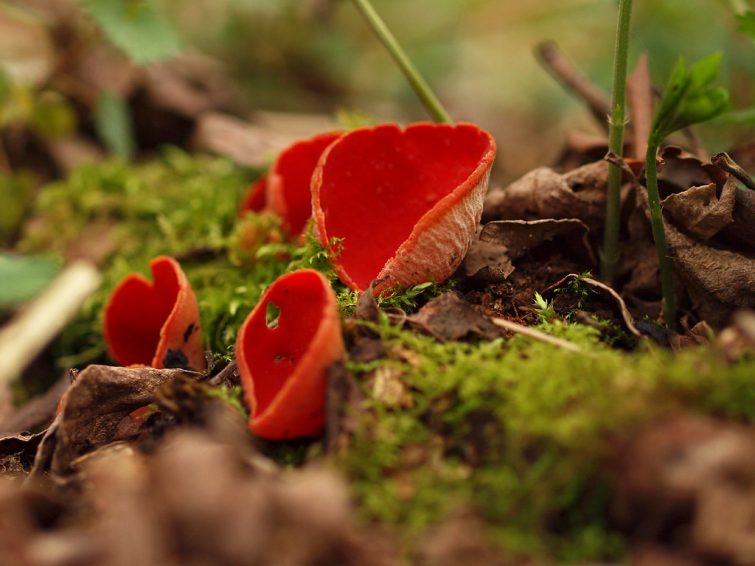
This strikingly coloured mushroom immediately became a favourite of mine following a few winter woodland trips with my arch foraging buddy Anna. Having lived in Bristol for a few years I was lucky enough to be just a short bike ride away from the ancient Leigh woods, on the far side of the Avon gorge.
As a saprotrophic fungus, feeding on decaying cellulose, scarlet elf cup requires woodlands with fallen and decaying tree limbs. This fungus loves ancient woods, where trees have grown, died and slowly rotted for millenia, and are typically covered in thick coats of moss.
They can be found anytime from January to April, dependent on weather and location. Most specimens are typically just larger than an old 50p coin, although individuals 50-60 mm in diameter are not that rare.

The fungus is often a little fiddly to clean, but for me they are well worth the bother. One of the things I like about this fungus is that it holds its colour and texture on cooking.
A vegetarian friend suggested it had the texture of bacon rind, and gave her teeth a similar workout to when she used to eat meat. I eat them raw, cut into thin strips, where they give a lot of colourful life to salads. I also use them in pies with other mushrooms, again because of their colour and texture.
More foraging highlights will come in March, as the foraging year really gets going.
Happy foraging!