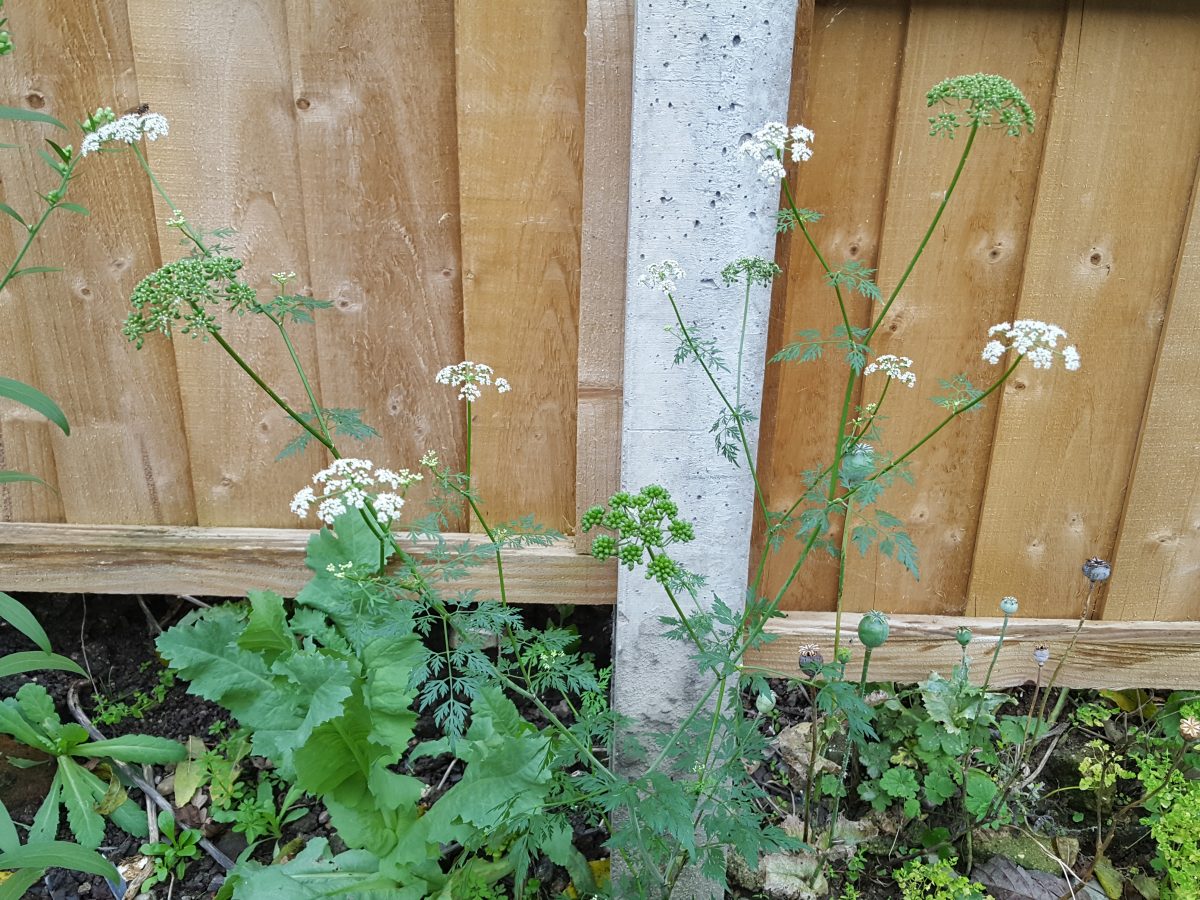
Learn how to confidently identify fools parsley so you can always avoid it!
Fools parsley is a plant worth knowing. Many foragers shy away from the similar-looking plants in the carrot family, but how are you going to get to know the safe and tasty ones if you don’t get to know the poisonous plants?
Fools parsley is an annual plant reportedly first recorded on these islands in the 1560’s. It is likely the plant came over as seed in shingle ballast on ships.
This is typically a herb of cultivation. So, many gardeners are likely to have it popping up around the place.
What’s in a name?
The generic part of the scientific name is taken from Greek mythology – Aethusa was the daughter of Poseidon, and its said she escaped from her underwater home Arcadia, and sprung forth as a fresh water fountain on the island of Sicily.
Online research provides numerous references to the Latin name being taken from an Arab word ‘ai’ that means burning. This alludes to the sensation you will get if you mistakenly eat the plant raw
The specific part of the name – cynapium, comes from the Greek word ‘cyno’ – meaning dog. Plants that have he word ‘apium’ (from the Greek ‘Apis’ for Bee) in the name, are referring to our busy buzzy friends (which all this family of plants attract in numbers).
Our common name comes from historical and anecdotal reports of a stupor that the herb can produce if consumed in a large enough dose.
Botanical description
Some technical terms may be unfamiliar to you so please refer to our foragers glossary.
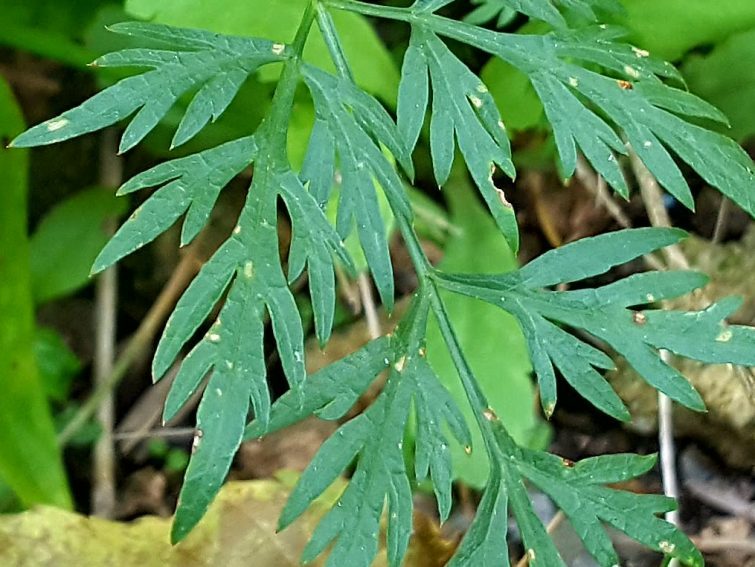
Leaves: The compound pinnate leaves are triangular in outline shape. They are hairless, and typically a dark blue-green to glaucous-colour. The leaves are either 2 to 3 times pinnate, even when on the stem.
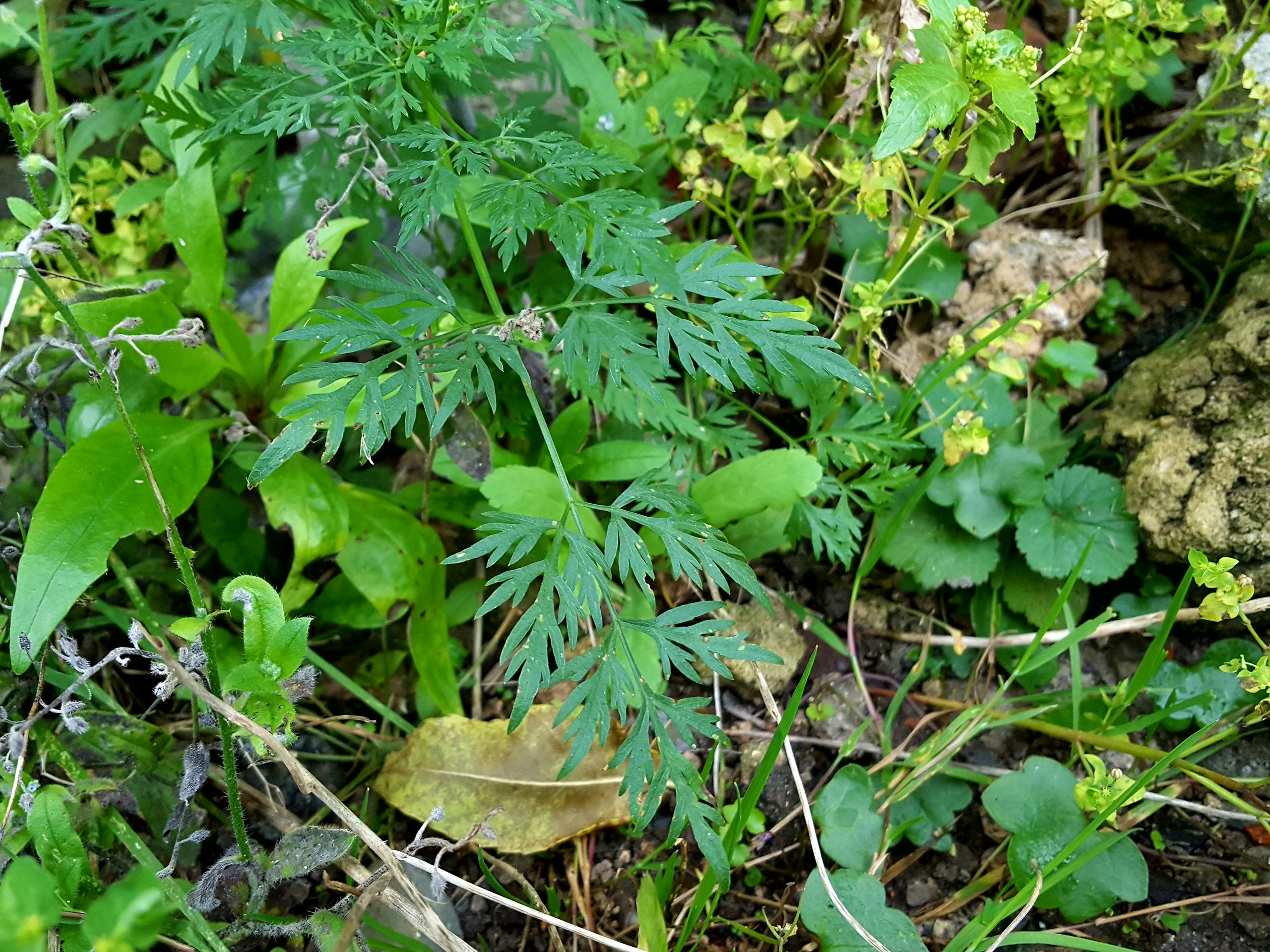
The lanceolate-shaped leaflet lobes are quite small and narrow (0.5 – 1.5 cm) and the terminal lobe is much larger than the rest. The leaves are aromatic, when crushed, but not pleasantly so. They are distinctly fetid smelling.
Petiole: This is solid, slightly ridged, with a rectangular-shaped channel running down it.
Roots: Like many of its relatives, thus plant has a creamy white coloured tap root.
Stems: These can grow up to 100 cm high. They are hairless, glaucous, mostly solid and with fine lines running down it.
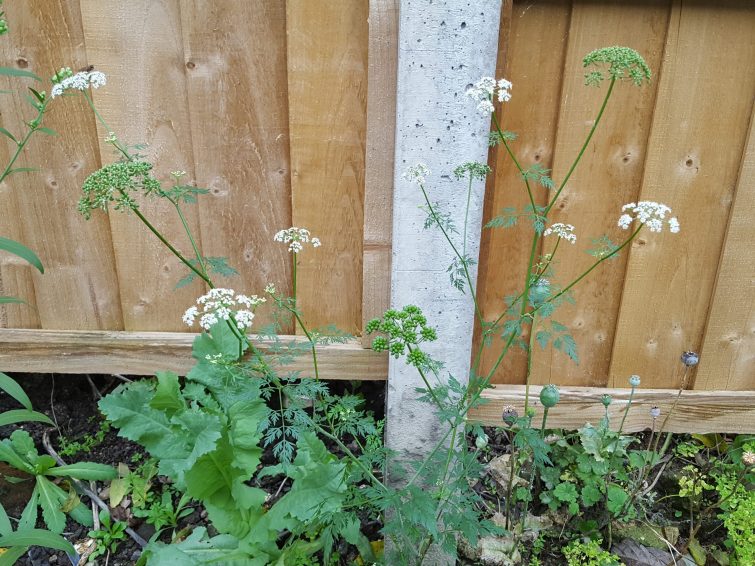
Flowers: Compound umbels. No bracts. Each individual umbel has approximately 14 to 20 rays. Long beareded bracteoles are present.
Tiny (2 mm) individual white flowers in the umbels. Can be tinged pink when young. 5 unequal sized petals, 5 stamens Fused pistil with a two lobed stigma.
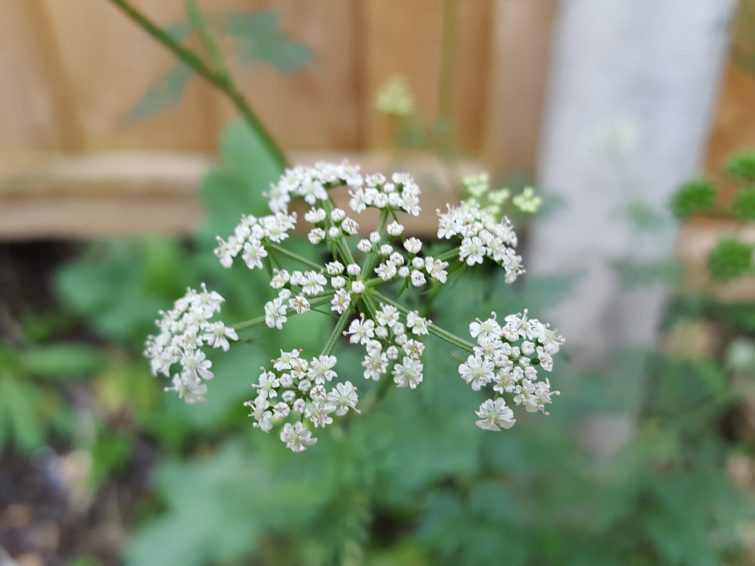
Flowering season: You can find this plant in flower anytime from April through into October.
Fruits: All carrot family plants produce two-part dried fruits that we commonly call seeds. Technically called schizocarps, this type of fruit dries and matures on the flower head, before eventually splitting into two.
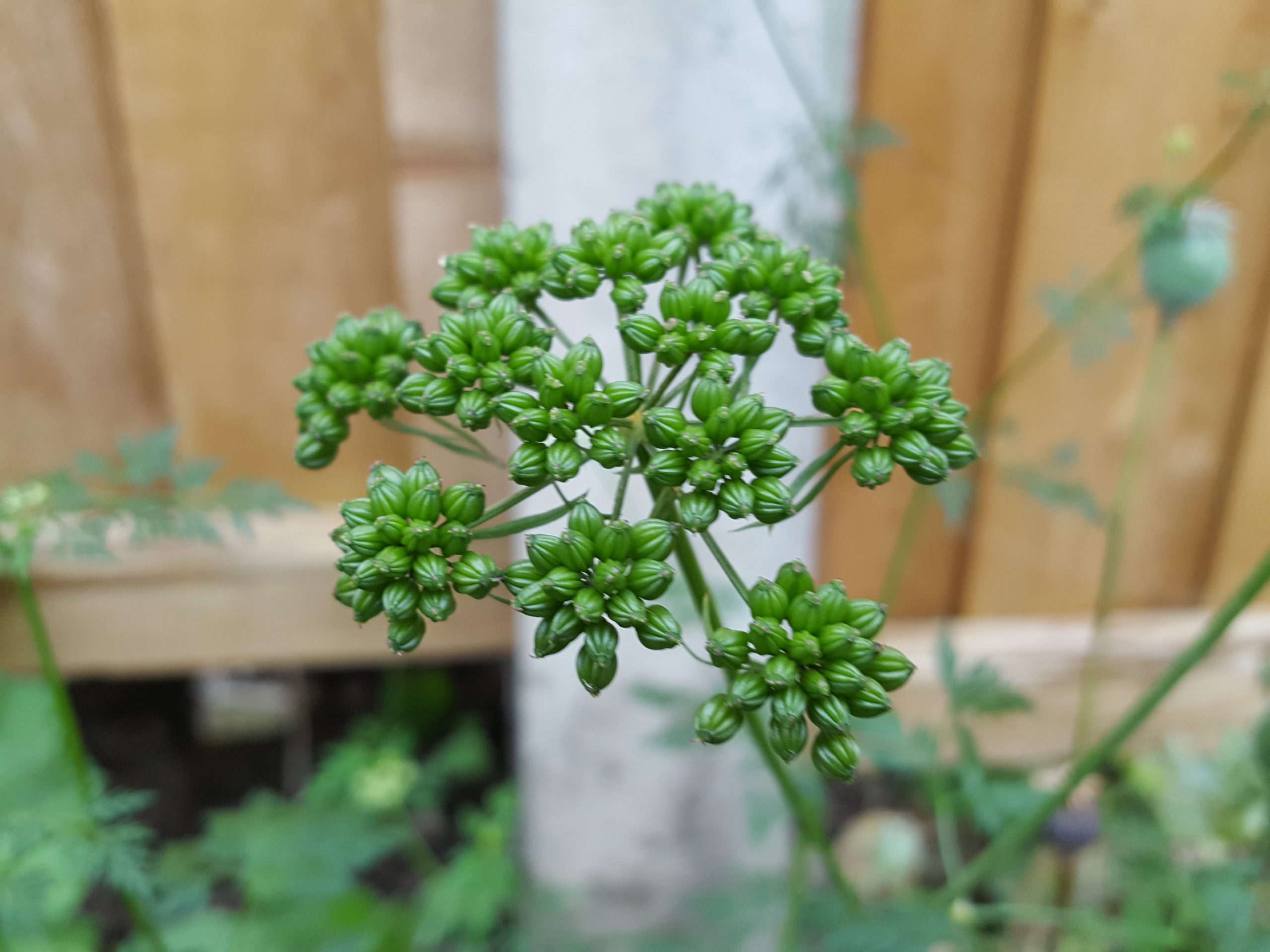
Harvesting: Homeopathic practitioners may consider harvesting this plant. It is reportedly not safe to use as a herbal medicine or as a food.
Habitats: An opportunist annual that finds a suitable home in the disturbed soils of gardens and on wastegrounds. It is a lowland plant and is absent from high ground in England, Wales and Scotland.
This plant could, at a glance, be confused with edible members of this family such as cow parsley, sweet cicely or wild carrot. However, the visual and written clues presented here should make that impossible to occur.
If you want to fast track your foraging skills, then why not take the time to read my beginners guide!?
Happy foraging!