UK Forager’s Guide to the WIld Plants of Britain
Foraging for Lime trees (Tilia vulgaris / T.cordata / T.platyphyllos) Tiliaceae family
What’s not to love about foraging for lime trees? These highly productive and valuable plants offer a number of yields, and their edible and medicinal interest continues through all the seasons.
They offer us 5 different edible plant parts that I know of, and a powerful, yet gentle, central nervous system relaxant remedy. Lime trees respond well to coppicing or pollarding and provide material for a number of other uses.
The plants in the genus Tilia are the only Northern temperate-zone examples of a mostly tropical family.
These particular species under discussion have evolved all over the British Isles, except in North Scotland. The genus contains approximately 20-40 or so species, depending on the book you read.
Here in Britain, we have three species. We can treat all of them the same when it comes to foraging lime trees, although the common lime (Tilia vulgaris) is our most frequently found, due to its popularity as an amenity plant.
What’s in a name?
Teil is an old word for the lime tree. The genus Tilia, according to Wikipedia, is a Latin word that is connected to the old Greek word Ptelea, which in turn is derived from an old Proto-European word ptel-eja.
It appears that the root word was formerly given to a number of trees that display broad leaves. Tiliai for example was the old Greek word for the unrelated black poplar tree.
The specific name – vulgaris means common or garden. Whereas the epithets cordata and platyphyllus – tells us the shape and the size of the leaves of the other two plants.
Remember to use our comprehensive forager’s glossary if you are finding technical terms confusing
Platyphyllus essentially means broad-leaved, while cordata alludes to the heart-shaped leaf appearance (which is common to all our lime trees)
Most of us here in Britain now know these trees as ‘Limes’ – a name derived from the old English word ‘lind’, more recently ‘linden‘.
They are not related to the citrus-bearing fruit trees, and neither smell of limes or produce lime-flavoured fruit.
This then goes to show which just goes to show that common names, especially current ones, can be blind logical steps up alleyways of confusion. In North America, these plants are known as ‘Basswoods’.
Botanical description
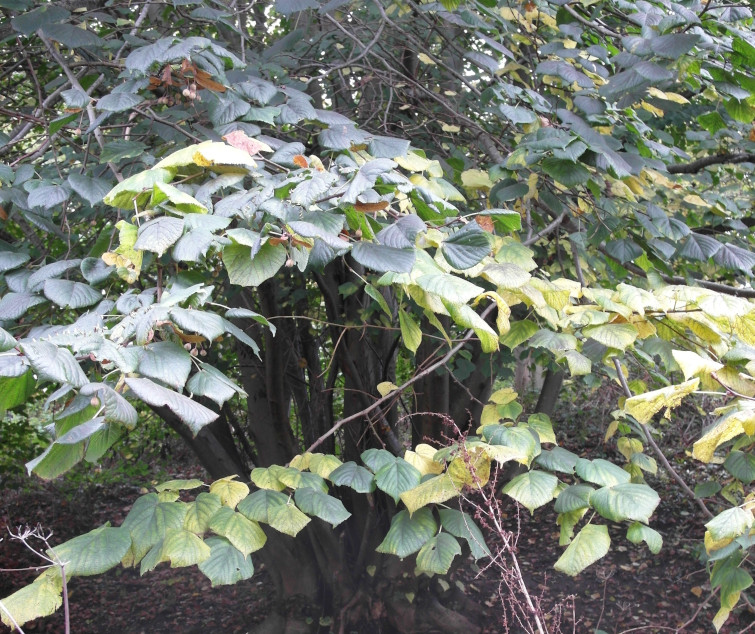
Leaves: 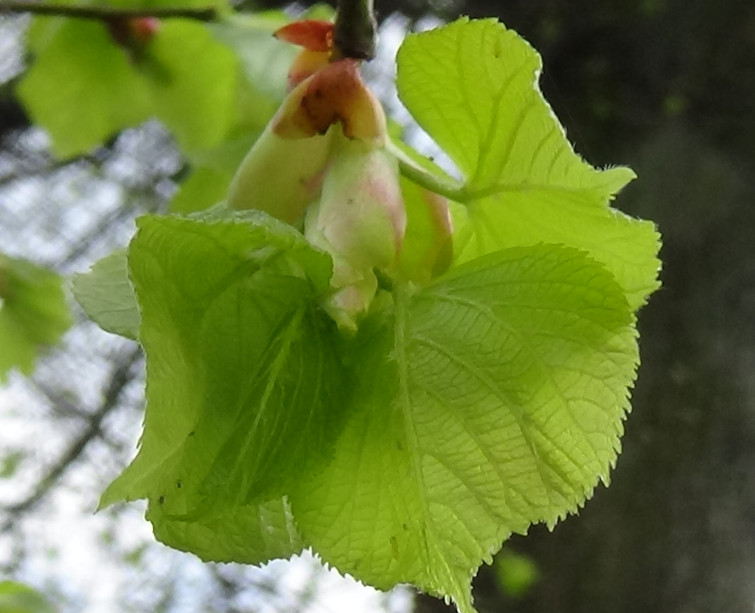 All three species have cordate, aka heart-shaped leaves, with serrate margins. All three species produce leaves with a pointy, or acuminate tip. At the base of the leaf, you will usually see veins at right angles.
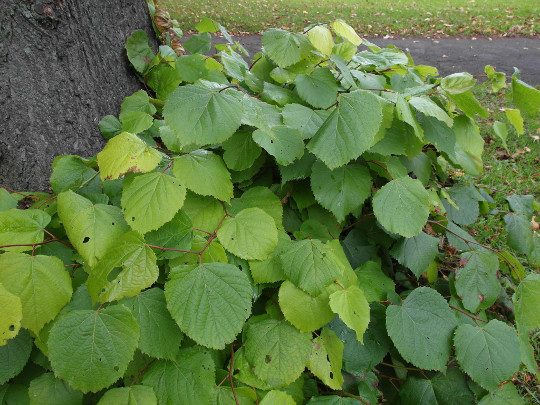 It’s these first few weeks after the leaves appear, that are arguably of most value to the forager. The spring leaves are soft and rich in mucilage and are an easily collected salad bulking ingredient.
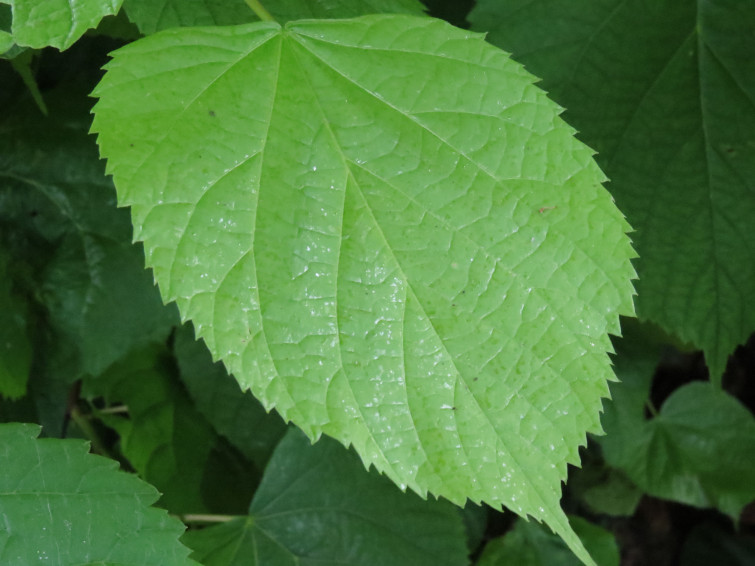
Petiole: This is typically 1.5 – 5 cm long.
Buds: Lime’s leaf buds start to break in April. Limes produce alternate leaves, from its often red, oval, and somewhat pointed buds.
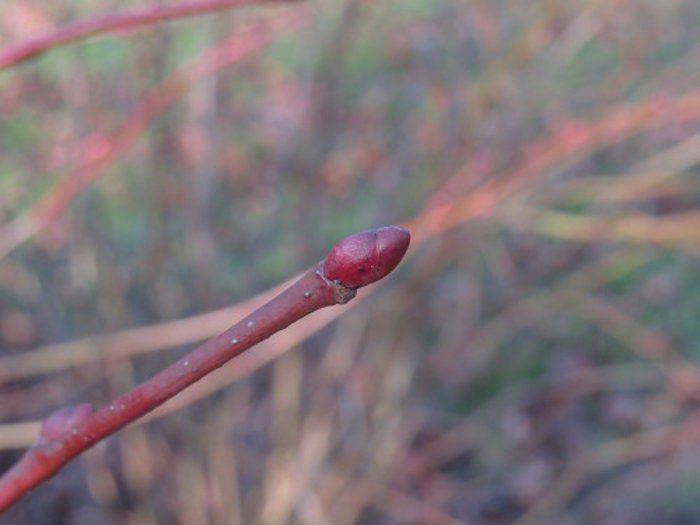
I remember reading a great description of them as looking similar to boxing gloves, with the ‘thumb’ of the glove found at the top of the bud. This really helped my searching. Go find some and you will see the resemblance.
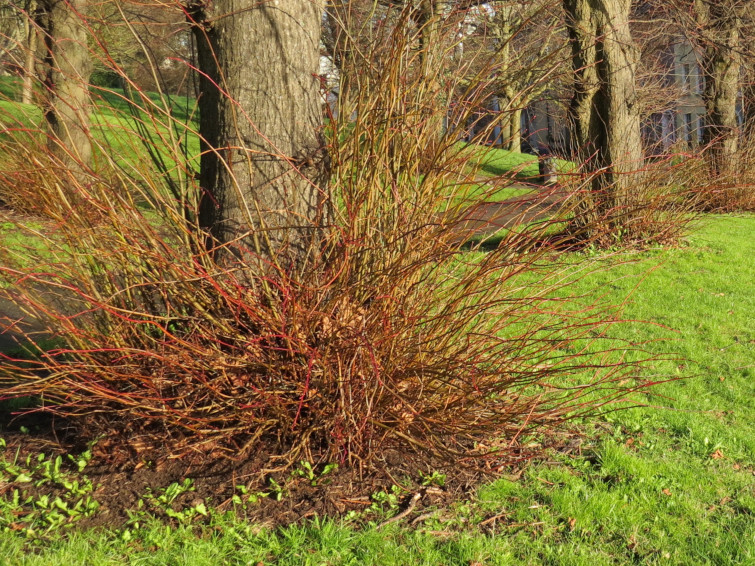
Twigs: 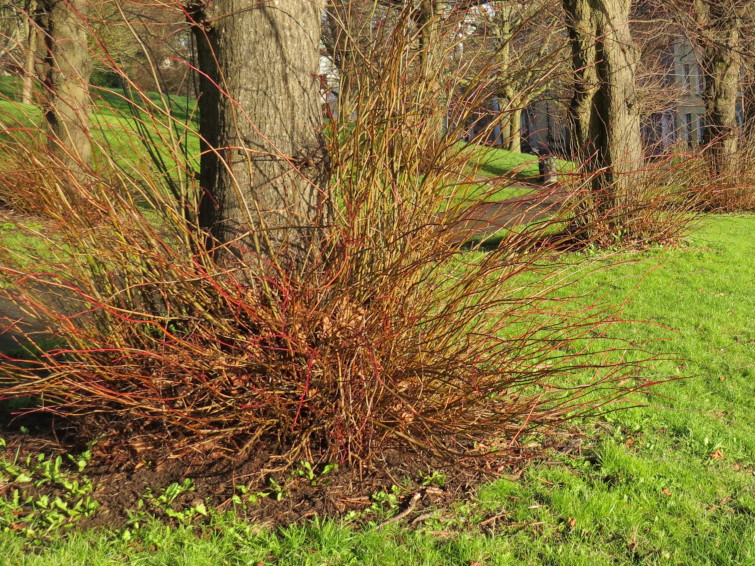 On our common lime the twigs are quite a noticeable red-brown colour. The Buds and leaves are spaced alternately on the stem. They have frequent greyish lenticels.
Bark:
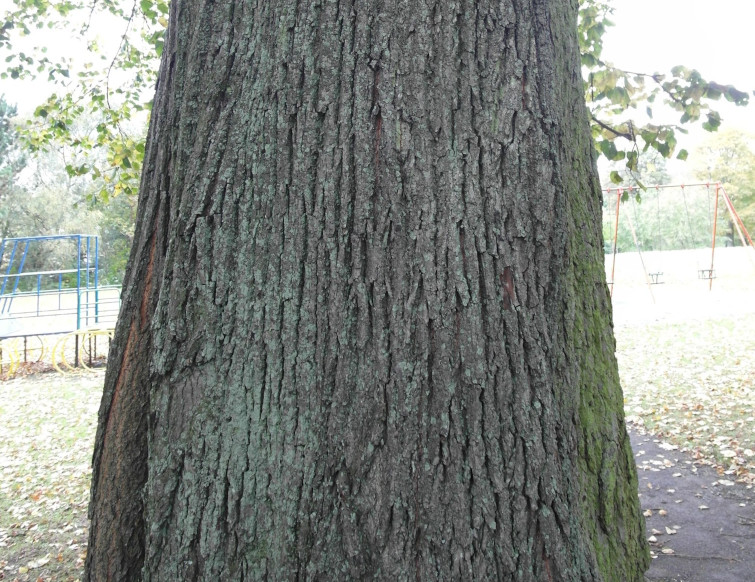
The trunks of the lime trees are quite grey. As the tree ages, narrow vertical fissures begin to appear.
Flowers: The flowers come a month or more after the full canopy has opened. Sweet floral aromatics from this tree are often smelt before you see them.
On a lime tree, the flower is attached to a leaf-like structure, often referred to as a bract.
These pale green, 5-7 cm long bracts are attached by a short stalk onto the stems. The creamy white flowers have numerous yellow-orange stamens.
The small-leaved lime and the common lime produce their blooms in variable numbers in the cluster, but somewhere between 4-10 flowers. The large-leaved lime has fewer, somewhere between 2 and 5 flowers per cluster.
Flowering season: These medicinally potent and sweet-smelling flowers are harvestable for two or three weeks in late spring, typically during May.
Fruits: The large-leaved limes produce fruits that are noticeable for their strongly ribbed shell, whilst the fruits of the other two have pointed tips.
The small-leaved limes have smooth fruit shells. None of the fruits are generally larger than 10 mm across.
Due to the popularity of the common lime as an amenity tree in urban and country parkland, these trees are pretty easy to find. Limes are ancient residents in Britain, although they are rare in the wild here now.
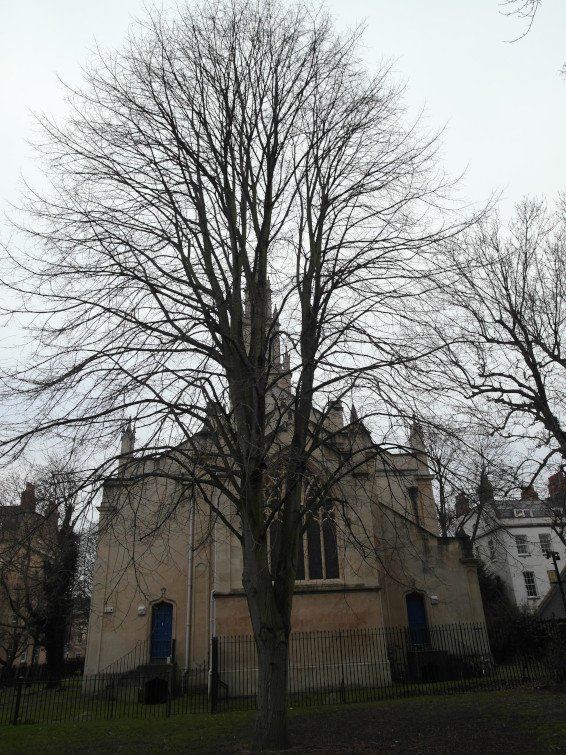
The common lime is a hybrid of the small and large-leaved lime and is the tallest of our three lime trees. it can potentially grow up to 4o odd metres where conditions are suitable, and it is lucky enough to escape the chainsaw.
The next biggest is the large-leaved lime which can grow up to 40 metres high. Contrast this to the small-leaved lime which can only reach up to 32 metres.
Habitats:
Dependent on species – Woodland, hedges, amenity plant of streets, parks, and gardens. You won”t be finding Tilia species at altitudes much above 550 metres.
Most of the original habitats where the lime once thrived are likely destroyed, developed on, deforested, badly reforested, and have suffered an ice age (all this in just the last 10,000 years).
When found in a suitable site, and no matter whether this be town or country, lime trees, will eventually come to display a graceful form where they are left to their own devices.
This is especially notable as a winter silhouette, at a time of year when it seems that deciduous trees bear their souls.
Parts used: Flowers with bracts. The medicinal flowers are collected from all species mentioned and used interchangeably.
Harvest: Flowers, as they open. Dry carefully below 30˚C and store well because they degrade easily. Leaves, when they first appear. Buds are available in the winter. They can be picked quickly from the basal suckers of our common lime. Inner bark cambium is best collected during the spring.
Key constituents: Volatile oil (including farnesol, phenolic acids); proanthocyanadins; tannins; flavonoids (hesperidin, Quercetin); mucilage; saponins; oestrogenic substances. This previous article provides an overview of medicinal plant constituents and actions.
Actions: Peripheral vaso-dilator, diaphoretic, relaxant, diuretic.
Pharmacology and uses: This is another plant without masses of documented pharmacological research carried out into its constituents.
What there has been, suggested the essential oil may be responsible for the well-reported sedative and diuretic action.
Diuresis is thought to be a result of mild irritation to kidney membranes. This plant is most widely used throughout Europe for its gentle sedative action, valuable to induce restful sleep, whilst relaxing a tense nervous system and musculature.
For centuries, this plant has been successfully prescribed for tension headaches, and to treat symptoms of irritable bowel syndrome, pre-menstrual tension, and insomnia.
Lime flowers have been usefully employed to treat feverish colds, and as an anti-catarrhal remedy, used in respiratory infections. The saponins, tannins, and essential oil constituents are of note here.
In Germany, physicians prescribe lime specifically to children for influenza. Lime is known to be useful in the treatment of atherosclerosis and reportedly works as a hypotensive, where hypertension accompanies the disease.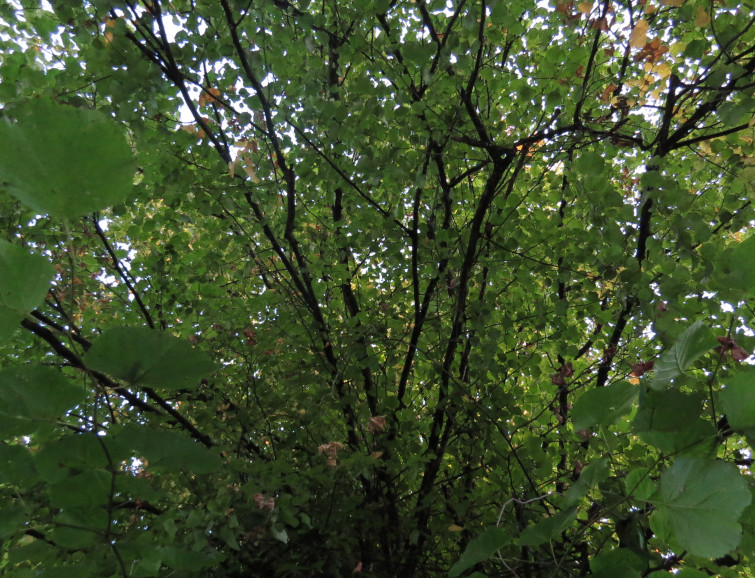
The presence of flavonoids and proanthocyanidins are said to play a role in preventing and alleviating this condition. This plant carries a long-standing reputation for traditional use.
As a food, we can eat the leaf buds, which in winter offer an interesting salad sprinkle. Or pan-fry in some spices for a couple of minutes, like you would sunflower seeds and pumpkin seeds.
The leaves are great in salads, and the flowers make one of the finest herbal teas out there that you can enjoy, especially if sat in the shade under the very plant you just harvested from!
After flowering, the immature fruits are able to be used, as is the inner cambium bark during early spring… if caught right, when it should be loaded with polysaccharides and minerals.
In Eastern Europe, this rich phloem material from the inner bark has traditionally been dried, ground, and added to flour.
Other Notes:
For all their inherent beauty and virtues, lime trees are also a major scorn of unwitting car drivers who park under it. Just like under a Sycamore, the lime encourages aphid colonies, which delight to feed on its rich sugary leaves.
The result after even only a few hours parked under a lime during May and June will be a splattering of what is essentially a sugar syrup.
This sticky and acidic aphid ‘honeydew’ dripping onto a car can seriously mess up your paint job over the course of a fortnight.
If you have any questions, please not hesitate to contact me here. More plant species are on the way. Until then, and mostly for beginners, you can fast track your foraging learning by checking out my article on how to identify plants in a day!
Happy foraging!